
Last updated November 15, 2026
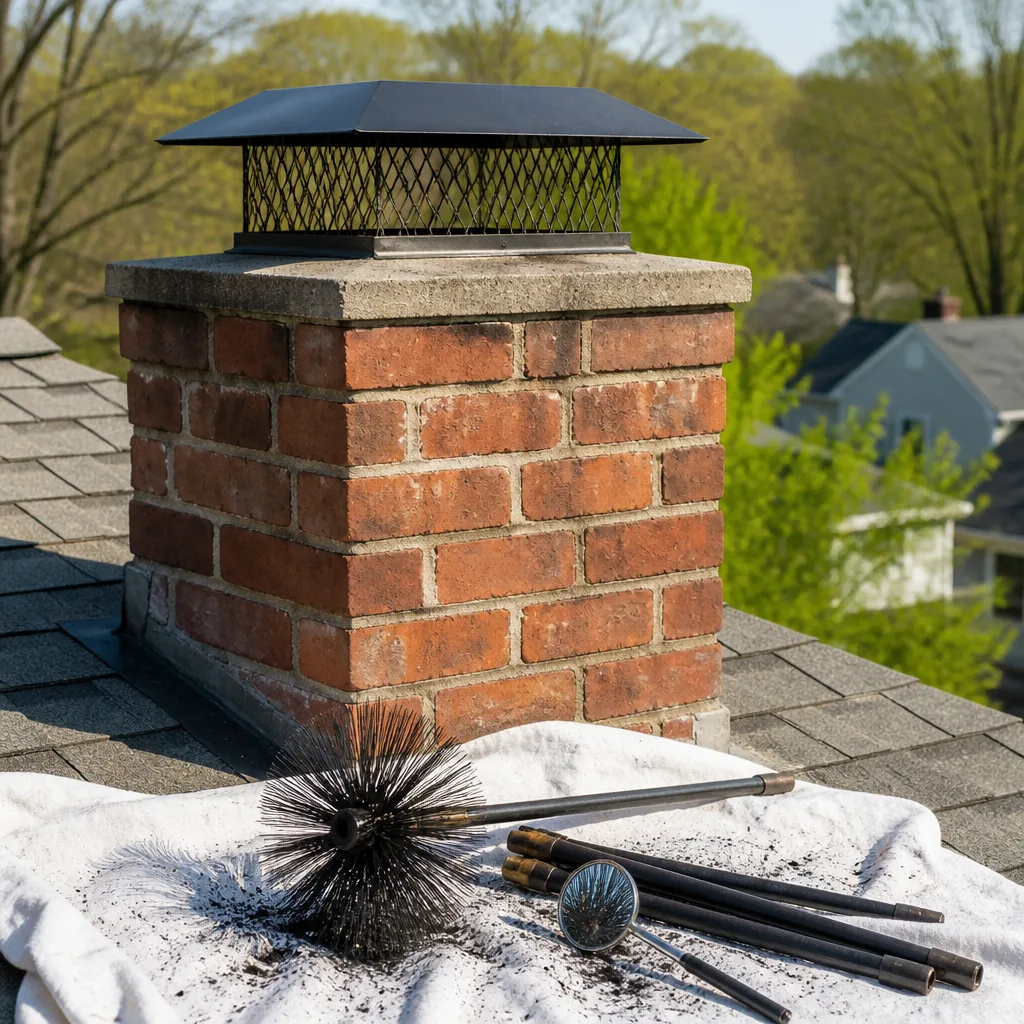 Sweep & inspection
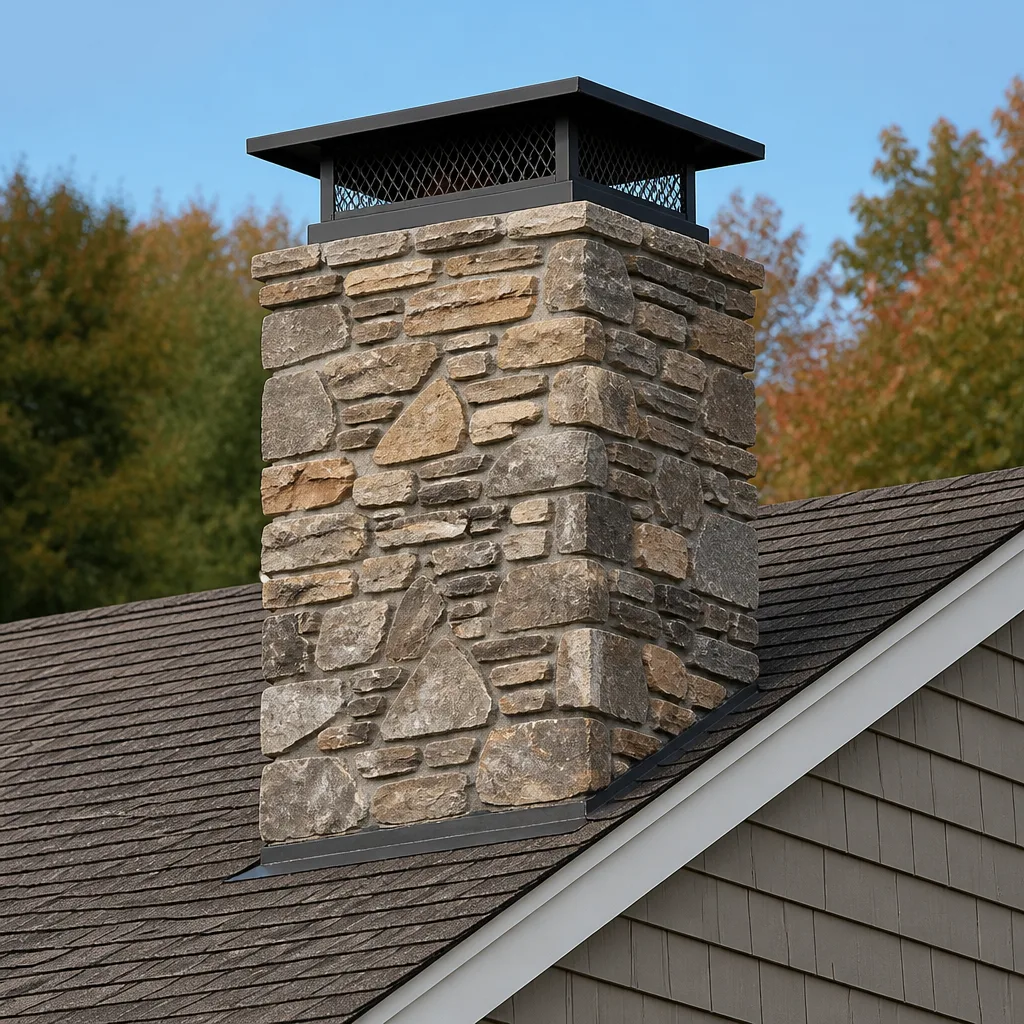 Caps & crowns
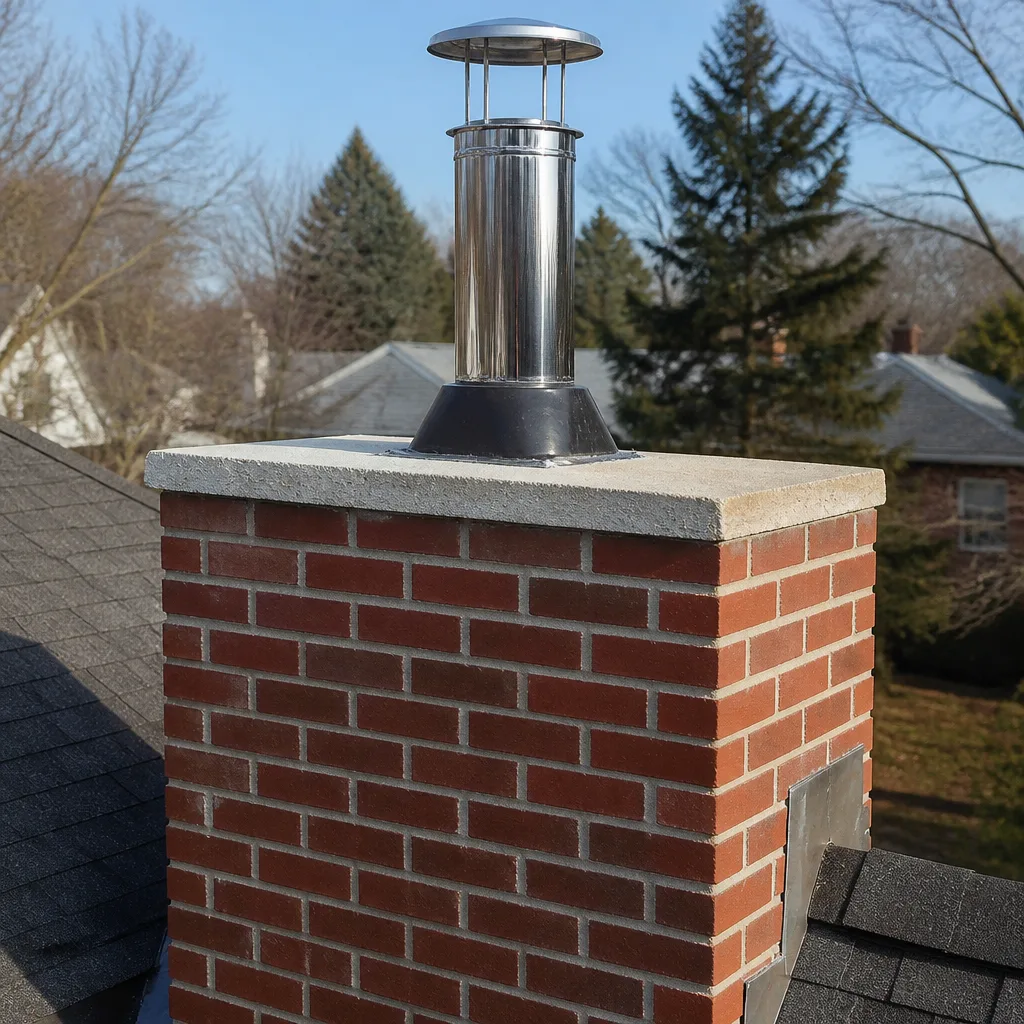 Flue relining
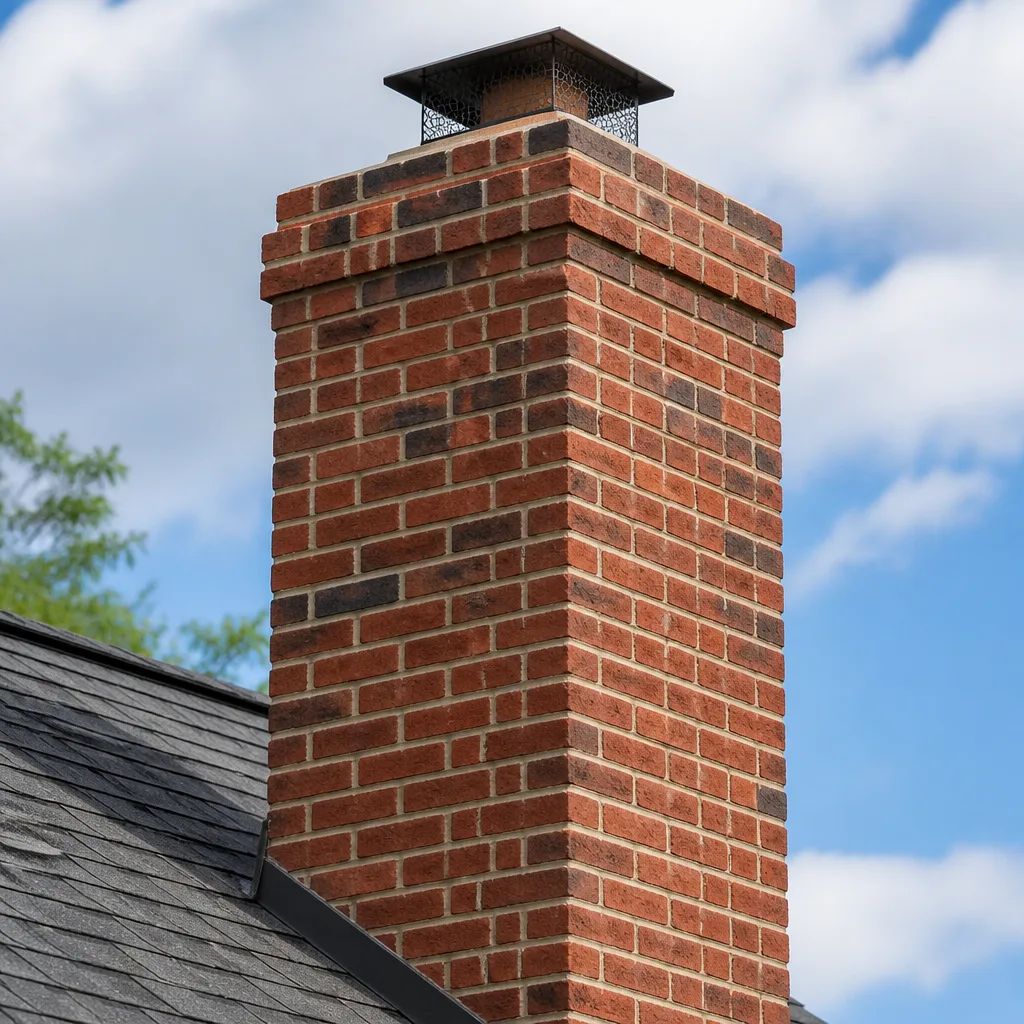 Masonry repair
 Gas fireplace service
Level 1 sweep and inspection to the NFPA 211 annual standard - flue, crown, cap, and flashing checked and photographed
Chimney sweep logs do not sweep chimneys. They loosen some creosote - which then falls where a brush and vacuum still have to collect it.
Chimney Sweep Maintenance Checklist for Pittsburgh Homeowners
The damper is the first thing most Pittsburgh homeowners notice when it fails, and the last thing they check before it does. A sticky, warped, or rusted damper usually points to moisture and flue problems that a generic seasonal checklist never gets to. Most chimney guides are organized around what’s easy to inspect. Yours should be organized around what actually breaks first in southwestern Pennsylvania’s long heating season, which runs from October into April. Here’s the checklist we use: what to watch month by month, what you can safely observe yourself, what needs a trained sweep with a camera, and how to document it all year over year.
Quick Answer
A Pittsburgh chimney maintenance checklist should follow the actual heating season: a professional sweep and inspection in early fall before first burn, monthly homeowner checks of the damper and firebox through the winter, and a photo-documented review each spring after the last fire. The tasks that matter most here are damper function, creosote accumulation, water intrusion at the crown and flashing, and mortar and brick condition – in that order, because that’s the order these systems degrade in this climate.
Key Takeaways
- A chimney sweep is not a once-a-year checkbox; it’s a date on the calendar tied to your first fire, not to a season.
- Damper function is the earliest warning sign of bigger flue issues, and almost nobody checks it.
- Homeowners can safely watch for spalling brick, efflorescence, and smoke staining. Everything else belongs to a camera inspection.
- Take photos every year in the same spots. Rate of change tells a contractor more than any single snapshot.
- “Cleaning is current” on a certificate has a fairly narrow meaning, and NFPA 211 guidance doesn’t promise it lasts forever.
Styles & brands we work with
- Sweep & inspection
- Caps & crowns
- Flue relining
- Masonry repair
- Gas fireplace service
Table of Contents
- Why Pittsburgh’s Heating Season Sets the Maintenance Calendar
- The Damper: Your Earliest Warning System
- A Month-by-Month Task Breakdown
- What Homeowners Can Safely Observe From the Firebox
- What Requires a Licensed Sweep With Video Equipment
- Documenting Chimney Condition Year Over Year
- What “Cleaning Is Current” Actually Means
- Common Mistakes to Avoid
Why Pittsburgh’s Heating Season Sets the Maintenance Calendar
Pittsburgh’s chimney calendar doesn’t follow the same rhythm as the generic “inspect in spring, clean in fall” advice you see quoted online. Our heating season here genuinely runs from October into April, and in many years it starts with a cold snap in September and ends with a damp, stubborn spring that lingers into May. That long stretch of cold, wet weather matters: it’s the combination that does the damage to masonry, crowns, and flashing. Cold pulls moisture into brick, and the freeze-thaw cycles that follow push it back out in a way that cracks mortar joints and spalls brick faces.
The humid summers don’t help either. Warm, muggy air in a cool masonry stack can condense on the inside of the flue, and creosote that went into summer as a dry, flaky coating can come back as something harder and darker by fall. This is why a Pittsburgh checklist has to be timed against the actual weather instead of a generic quarter.
The four seasonal anchors we recommend:
- Pre-heating season (late August through early October): professional sweep and inspection before your first fire, not after.
- Through the winter (monthly): homeowner checks of the damper, firebox, and visible flue interior.
- After your last fire (April or May): photo documentation and a note on anything that changed during the winter.
- Midsummer: ideal window for scheduling repair or relining work, since nothing is burning.
If you only do one of these, make it the pre-heating-season sweep. That’s the evaluation with actual consequences because it happens before you burn, not after.
The Damper: Your Earliest Warning System
A damper that doesn’t open and close smoothly is the single most useful early indicator of flue trouble, and it’s the one most homeowners overlook. That’s because the damper sits at the bottom of your flue, which means it’s exposed to everything rising off your fires and everything condensing down from a colder stack. When a damper starts to stick, warp, rust, or fail to seat, it’s telling you something is building up in the flue above it or that moisture is getting in.
Here’s what to check, and how:
- Open and close it once a week during the heating season. If it’s stiff, squeaks, or drags when you move the handle, note the date.
- Look up at the damper plate from the firebox with a flashlight. Flaky rust or white deposits on the underside are signs to record.
- Check that it seats fully closed. A damper that won’t close all the way lets warm room air escape up the chimney when you’re not burning, and it lets cold air down.
- Note whether it closes with a click or a soft seat. The seat is what matters; a solid, quiet close is the healthiest sign.
- If it moves smoothly but feels gritty or rough, don’t force it. That’s a call-a-professional signal, not a lubrication task.
A smooth, quiet, fully-seating damper is a good sign for your whole flue. A sticky or warped one is a signal to get a chimney sweep and inspection on the calendar sooner rather than later. It’s not a crisis on its own, but it’s not a thing to ignore either.
A Month-by-Month Task Breakdown
Here is the maintenance checklist organized by month, tied to Pittsburgh’s real heating season rather than generic quarters. Not every task applies to every home, but the sequence is what we recommend for wood-burning fireplaces and wood stoves.
Late August – Early September
- Book your professional sweep and inspection before the October rush.
- Confirm the crown is intact and the cap or screen is in place. Look from the ground with binoculars if you can.
- Look for loose flashing at the roof line after any summer storms.
October (First Fire Month)
- Do a test burn before you need the fireplace for real heating.
- Watch for smoke rolling back into the room. A little on a cold start is normal; consistent rollback is not.
- Confirm the damper operates smoothly and seats fully.
November – February
- Monthly: damper check (open, close, seat).
- Monthly: flashlight sweep of the firebox for creosote glaze on the flue walls.
- Monthly: check the firebox floor and back wall for fresh cracking or crumbling.
- After any ice storm or thaw-freeze cycle: check the mortar joints inside the firebox for new flaking or loose material.
March – April
- Last fire of the season. Note the date.
- Photograph the firebox and flue from the same spots you used last year.
- Look at the outside of the chimney for efflorescence (white staining on brick).
May – July
- Schedule any chimney repair work in the off-season, when there’s no fire in the way.
- If you noticed spalling brick or loose mortar in the spring, this is the window to have it assessed and fixed.
- Confirm the cap and flashing survived the winter.
This calendar is the backbone of a real maintenance plan for a Pittsburgh home, and it’s exactly the sequence we recommend to homeowners who’ve let a few seasons go by.
What Homeowners Can Safely Observe From the Firebox
You can learn a lot about your chimney’s condition from inside the firebox with nothing more than a flashlight, and doing so is safe and useful. You can’t stop the chimney from deteriorating by watching it, but you can catch the signs early enough to get it fixed cheaply.
The three indicators most worth knowing:
- Spalling brick looks like the face of a brick is flaking, pitting, or peeling off in thin layers. In a firebox, that’s almost always moisture cycling through the masonry, and it’s an early sign that the interior brick or mortar is taking on water.
- Efflorescence is the white, chalky powder that appears on brick or mortar. It’s salt migrating to the surface with water, and it means moisture is passing through the masonry somewhere. It’s the chimney equivalent of rust on a car – cosmetic until it isn’t.
- Smoke staining patterns tell you how the exhaust is moving. A firebox that’s stained dark on one side and clean on the other is fine, but staining that creeps downward or spreads along the top edges often points to a draft problem or partial blockage.
What you shouldn’t do from inside the firebox: reach up into the flue, try to scrape creosote yourself, or use a tool to bang on the brick to test it. That’s a professional-with-a-camera job, and the risks aren’t worth the DIY savings.
What Requires a Licensed Sweep With Video Equipment
The line between homeowner maintenance and professional service has to be drawn clearly. Most of a chimney sweep’s useful work happens inside a flue that you can’t see, using a camera, and that’s exactly why the professional tier exists.
The tasks in this group really do require a trained sweep:
- Any evaluation of creosote quantity and type in the flue itself. Glazed, third-degree creosote can’t be identified from the firebox.
- Liner integrity. A camera run tells you whether the liner is cracked, separated at a joint, or deteriorated.
- Crown condition from the roof (safe footing, actual material assessment).
- Flashing and cap seal inspection at the roof line.
- Draft testing on a wood stove or fireplace insert.
- Mortar joint condition above the smoke chamber.
When a camera run turns up a failing liner or deteriorated mortar joints, there’s a middle path between leaving it and replacing the entire liner. HeatShield ceramic resurfacing can restore certain liners in place, and our team is set up to apply it when the diagnosis supports it. That’s the difference between a sweep-only crew and a full-cycle chimney repair contractor: the same people who find the problem can fix it, without handing you off to a third party who’ll charge you to re-diagnose it.
For liner work that does need replacement, we work with DuraFlex flexible liner systems. For the caps and flashing that protect the whole assembly between visits, we use Famco and Pittsburgh Chimney Cleaning-approved flashing components from professional-grade lines. No part of your chimney should be an off-the-shelf guess from a hardware store shelf.
Documenting Chimney Condition Year Over Year
A single photo of your firebox is nearly useless on its own. Six photos, taken from the same spots each year, are a diagnostic record. That’s the difference between knowing your chimney’s current state and knowing its rate of change, and the rate is what matters.
Here’s the system we recommend to every Pittsburgh homeowner:
- Pick four to six locations in and around your chimney and write them down: firebox floor, back wall of the firebox, each side wall, the damper plate underside, the crown from the roof, and the flashing from the roof.
- Photograph each spot at the same time of year every year, ideally after the last fire and before summer painting or landscaping.
- Include your phone or a coin in the frame for scale on close-up mortar and brick shots.
- Name the files in one format, e.g. “2025-firebox-back” so they line up when reviewed side by side.
- Bring them to your next sweep and inspection. A sweep can compare them against the live camera run and pick up on slow deterioration that a one-time inspection might miss.
In our experience, this is the single most valuable habit a homeowner can build. A hairline crack that’s been the same width for three years is a very different conversation than one that’s doubled in six months. If you bring photos, you’ll get a more specific answer and a clearer scope of what work, if any, is actually needed.
What “Cleaning Is Current” Actually Means
If your inspection certificate says cleaning is current, it means the flue was swept at the time of that inspection and the sweep found no more creosote accumulation than NFPA 211 guidance considers acceptable for continued use. It doesn’t mean “clean forever.” It means “clean as of the date on the certificate,” and the certificate typically states that date.
Under NFPA 211 guidance, when the next cleaning is due depends on the type of appliance, how much you burn, and what kind of fuel you’re burning. Wood-burning fireplaces and wood stoves used regularly accumulate creosote faster than a gas appliance, and the recommended frequency reflects that. A certificate doesn’t have a hard expiration date – it just records a condition at a moment in time.
Two rules of thumb most homeowners find useful:
- The certificate is accurate for the day it was issued. If you’ve burned through a full heating season since then, it’s out of date.
- Insurance underwriting and real estate transactions usually want a cleaning and inspection within the last 12 months.
If a certificate is more than a year old and you’re planning to burn this season, it’s worth a fresh sweep and inspection. It’s a small cost compared to diagnosing a problem after it’s had another year to get worse.
Common Mistakes to Avoid
- Waiting until the first cold snap to book a sweep. In Pittsburgh, the first cold week of October sends a wave of requests, and the good slots go fast. Book in late August or early September.
- Assuming a clean firebox means a clean flue. The creosote that matters is above your smoke chamber, where you can’t see it. Only a camera run tells you the real story.
- Ignoring a sticky damper. A stiff, warped, or hard-seating damper is one of the earliest signs of moisture or buildup in the flue. Check it monthly through the winter.
- Skipping the spring photo. If you only take pictures in fall, you’ll miss the freeze-thaw damage that shows up in the spring. Document both, and document from the same spots.
- Assuming a certificate from a few years ago still counts. Two heating seasons of use invalidates a cleaning certificate for practical purposes, even if the paper looks official.
- Letting a roofer or a handyman handle flashing and caps. Those are chimney components, and they need chimney-specific parts. Famco caps and proper flashing are what actually keep water out of the flue.
- Treating a fireplace insert like a wood stove. Inserts have different draft and clearance requirements, and a proper inspection on an insert takes a different set of checks than a masonry open fireplace.
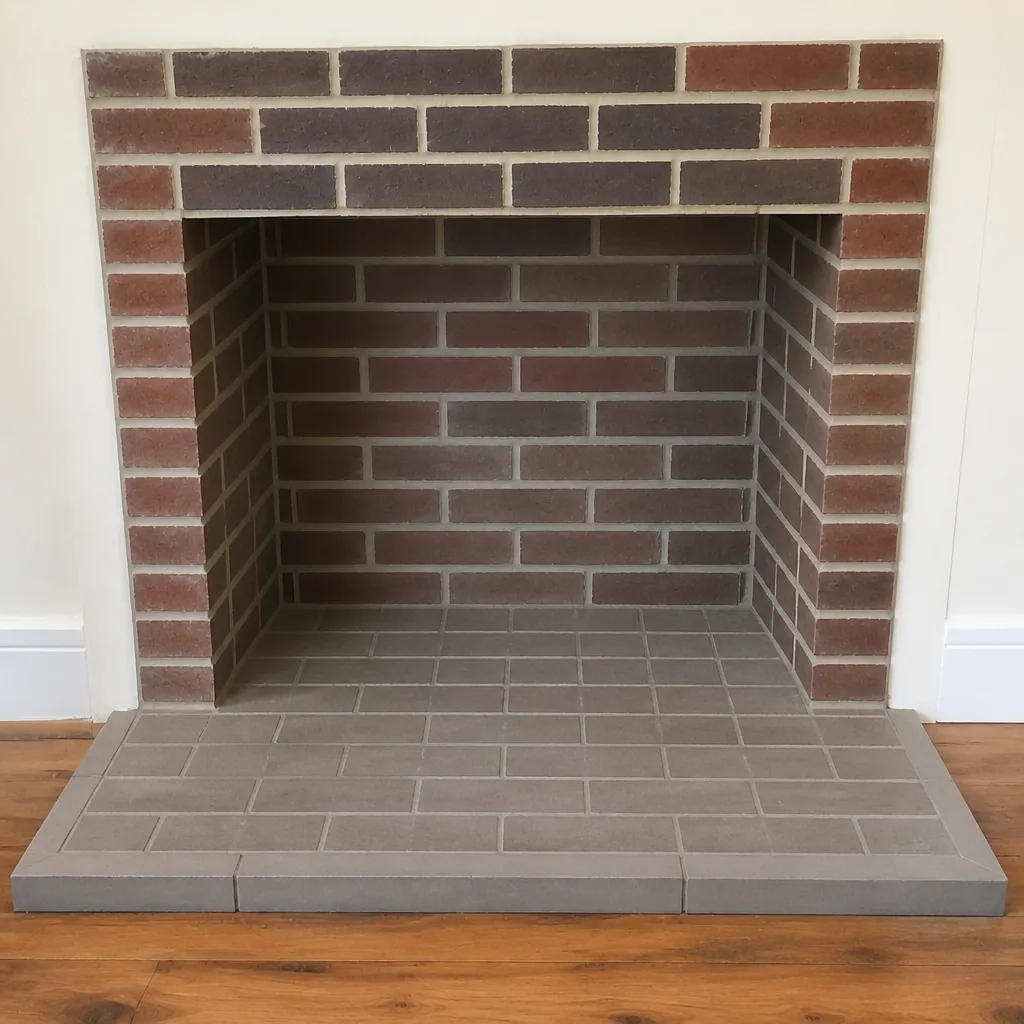
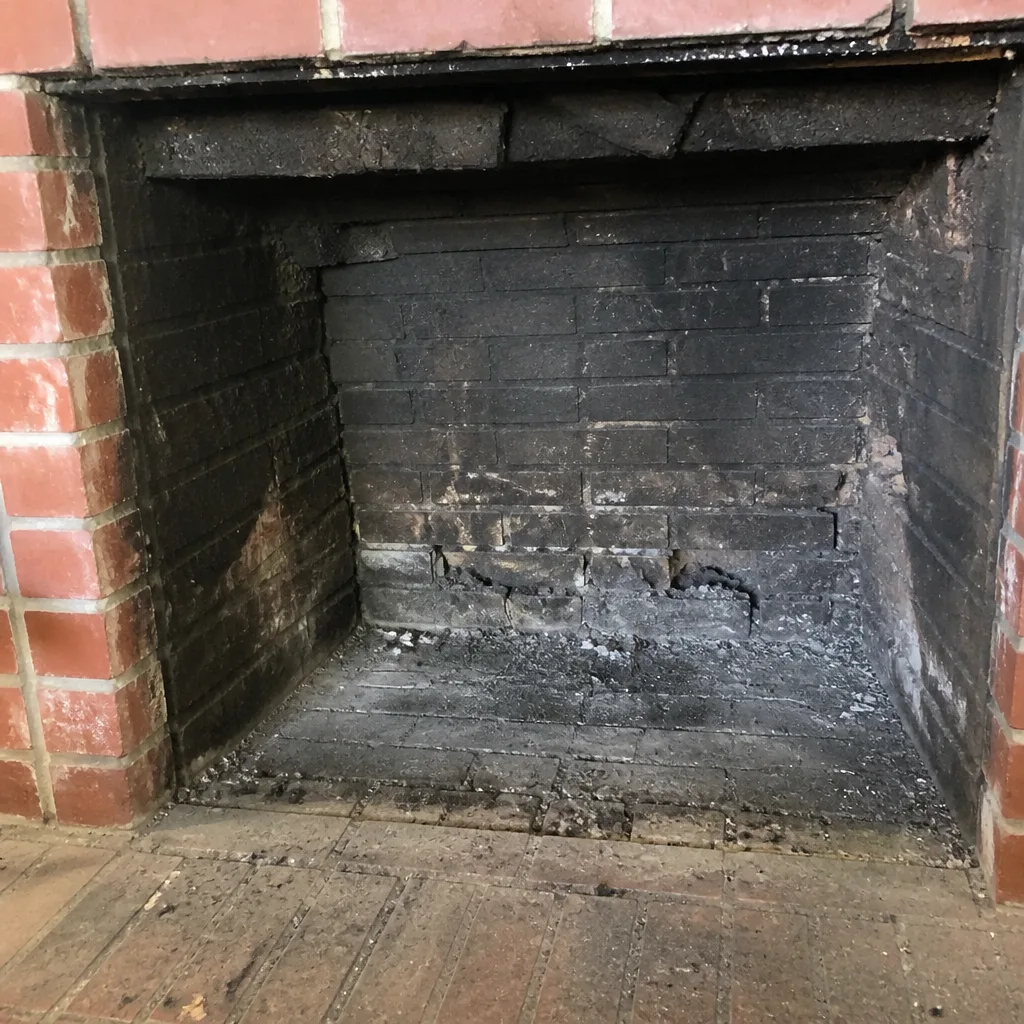
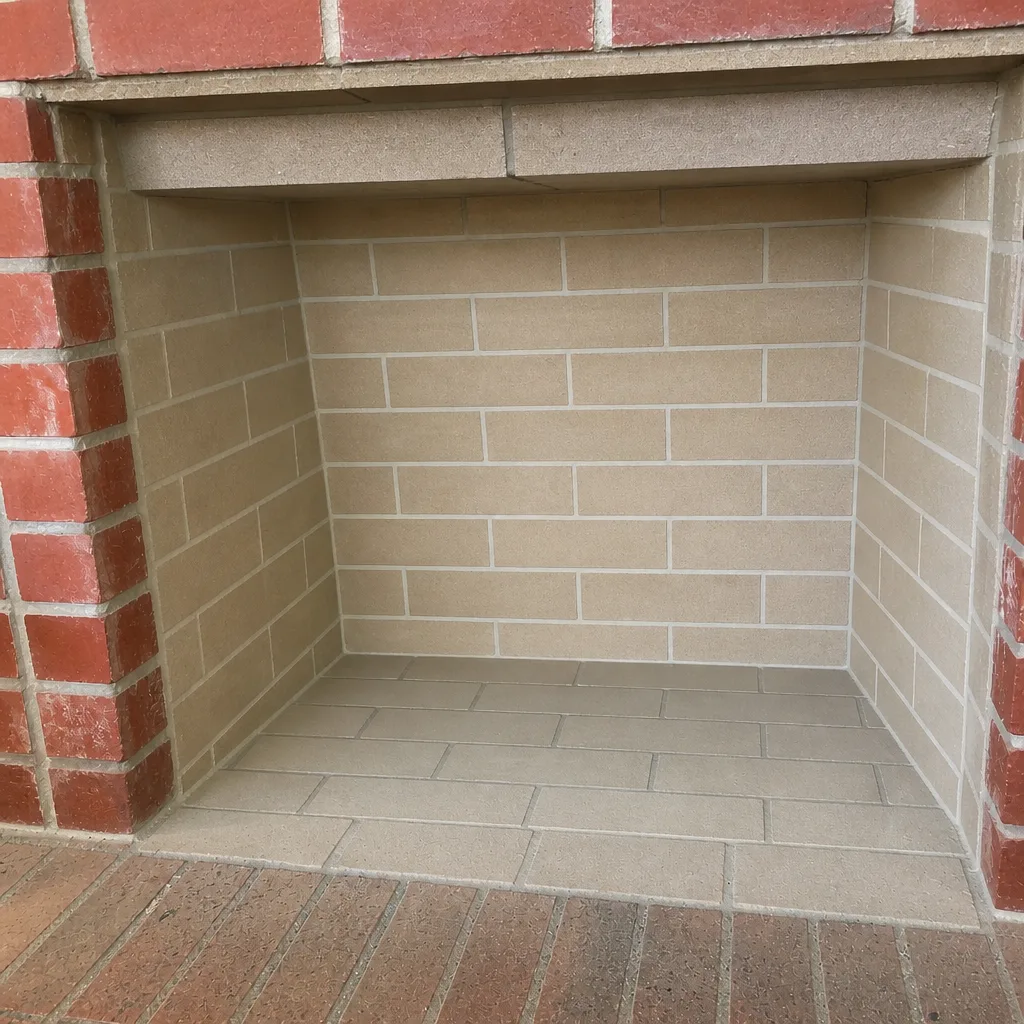
See the difference
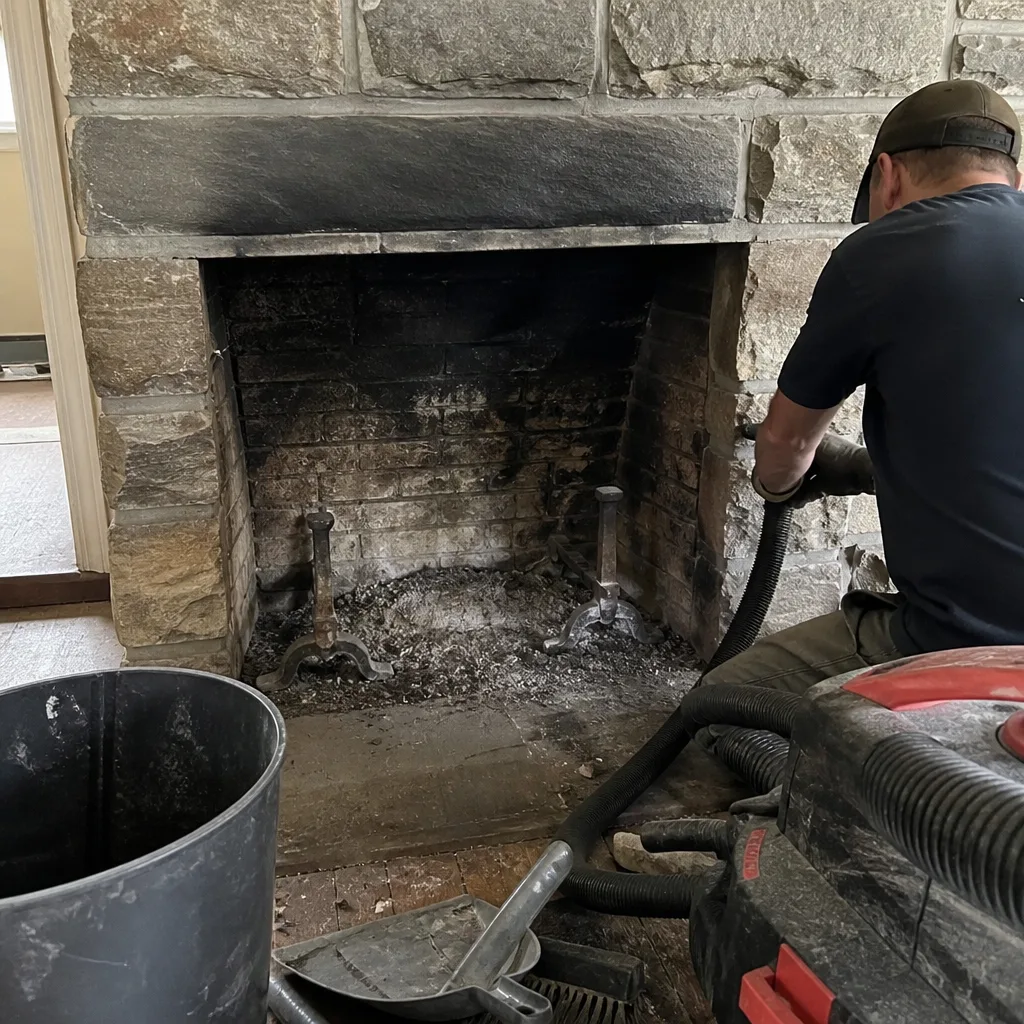 Before
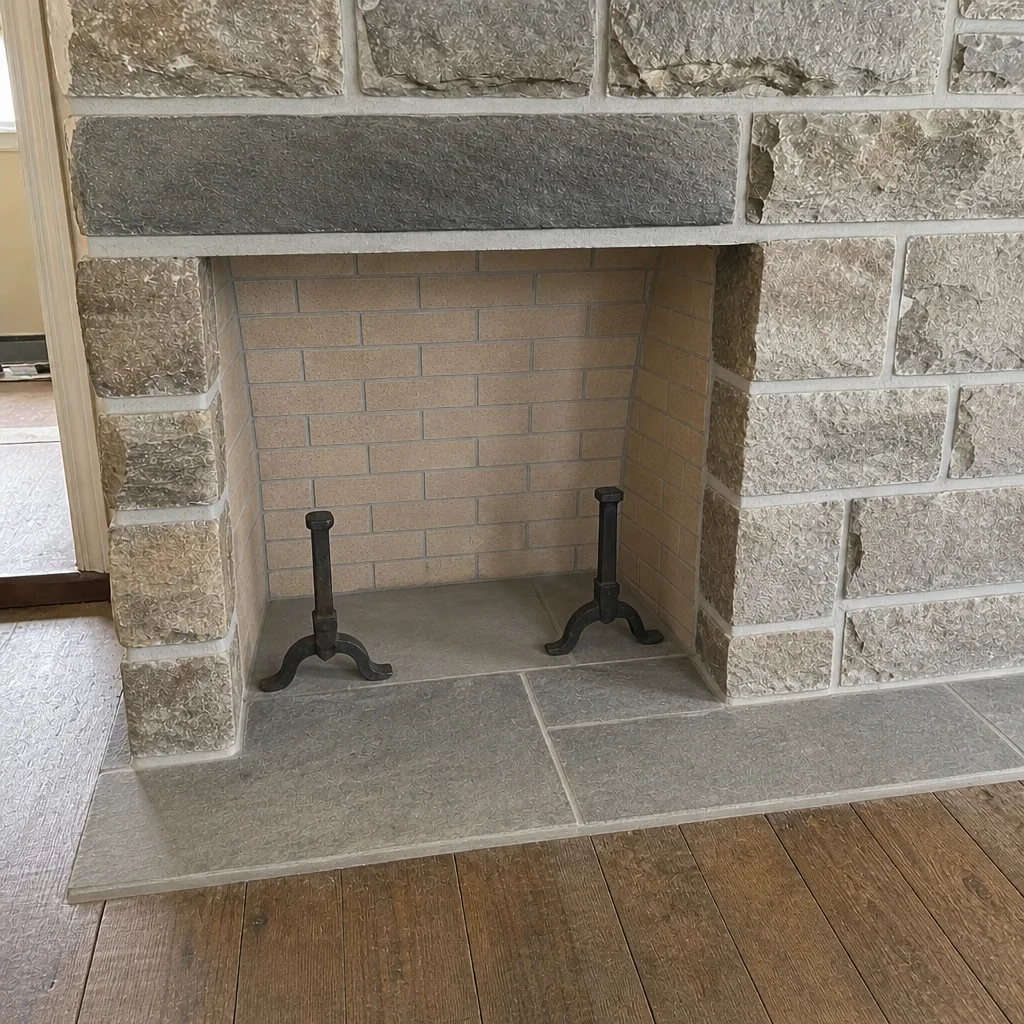 After
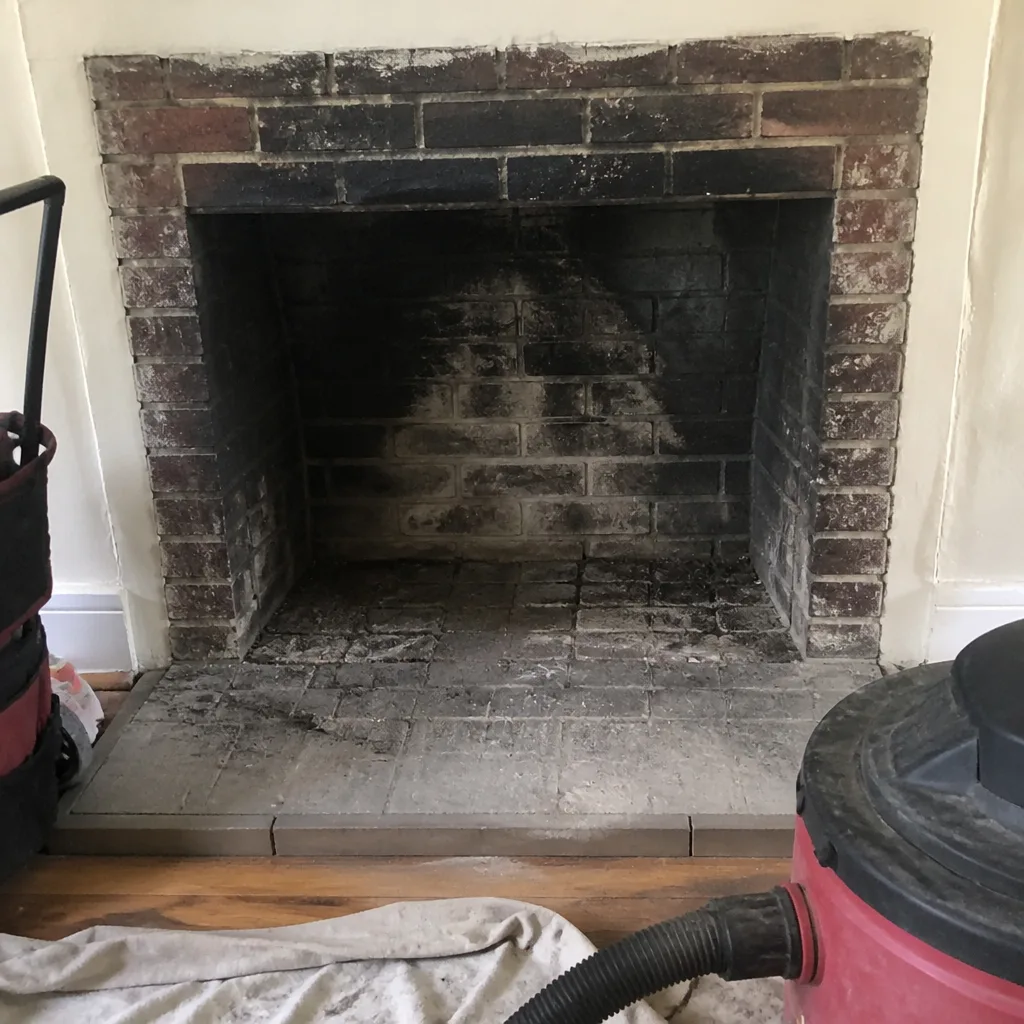 Before
 After
 Before
 After
When to Call a Professional
Call a professional if any of the following are true: you haven’t had a sweep and inspection in the last 12 months; you notice a sticky, warped, or non-seating damper; you see spalling brick, chalky white efflorescence, or smoke staining that’s creeping downward; you smell smoke in the house when the fireplace is not lit; your liner is more than 12 years old and you haven’t had it camera-inspected; or you’re buying or selling a home and need a current report. If a chimney fire has happened – even a small one you think you caught early – that’s a call-a-professional event before you burn again. We’re set up to sweep, inspect, and repair, so the same contractor who diagnoses the problem is the one who fixes it. Pittsburgh Chimney Cleaning offers free estimates in Pittsburgh – call (844) 761-5636 for an exact scope from the written estimate rather than a guess.
Frequently Asked Questions
We set the price per job after a written estimate, and the estimate is free. Call (844) 761-5636. We answer 24/7, fast dispatch from 7am to 7pm, Sunday through Friday. A chimney sweep cost depends on the type of appliance, the degree of buildup, and whether repair work is needed.
The right frequency depends on how much you burn and what you burn. A wood-burning fireplace or stove that’s used regularly through a long heating season – which is a Pittsburgh heating season – usually needs annual attention. Heavier use may warrant more frequent sweeps. The safest approach is to schedule a professional sweep and inspection every year before the first fire, and adjust from there based on what the camera run shows.
Skipping maintenance allows creosote to accumulate and structural damage to progress unchecked. Creosote is flammable, and the risk of a chimney fire rises with buildup. Damaged mortar joints and liners also let carbon monoxide and smoke into the home – which is why we insist on a camera diagnosis before recommending liner work.
Only if the camera inspection shows structural failure. Many liners with deteriorated mortar joints can be restored in place using HeatShield ceramic resurfacing, which is a cost-effective alternative to full replacement. Our rule is simple: restoration before replacement, and we’ll tell you when HeatShield can do the job. You’ll see the camera footage before any decision is made.
Yes. Open and close it weekly during the heating season and use a flashlight to check the underside for rust or white deposits. A damper that drags, squeaks, warps, or doesn’t seat fully is a sign to book an inspection.
It means the flue was swept on the inspection date and had no excess creosote at that time per NFPA 211 guidance. It doesn’t expire on a specific date, but after another full heating season it’s no longer current in practice. A fresher sweep and inspection before your first burn is the reliable way to know.
The Bottom Line
A chimney maintenance checklist for Pittsburgh has to track what actually breaks first, in this climate, in this order: the damper, creosote, then moisture at the crown and flashing, then masonry joints and liner integrity. Check the damper monthly, sweep and inspect before your first fire, document the firebox and roof line in the spring with photos from the same spots every year, and bring those photos to your next inspection. Repair what’s deteriorating before it forces a full liner replacement. One contractor from sweep through repair means fewer conflicting opinions and one accountable answer.
Pittsburgh Chimney Cleaning offers free estimates across Pittsburgh and the surrounding area. We handle chimney sweeping, inspection, and repair, and we work with the professional-grade brands certified chimney contractors rely on. Call (844) 761-5636. We answer 24/7. Fast dispatch, 7am-7pm, Sunday through Friday.
Written by the team at Pittsburgh Chimney Cleaning.