
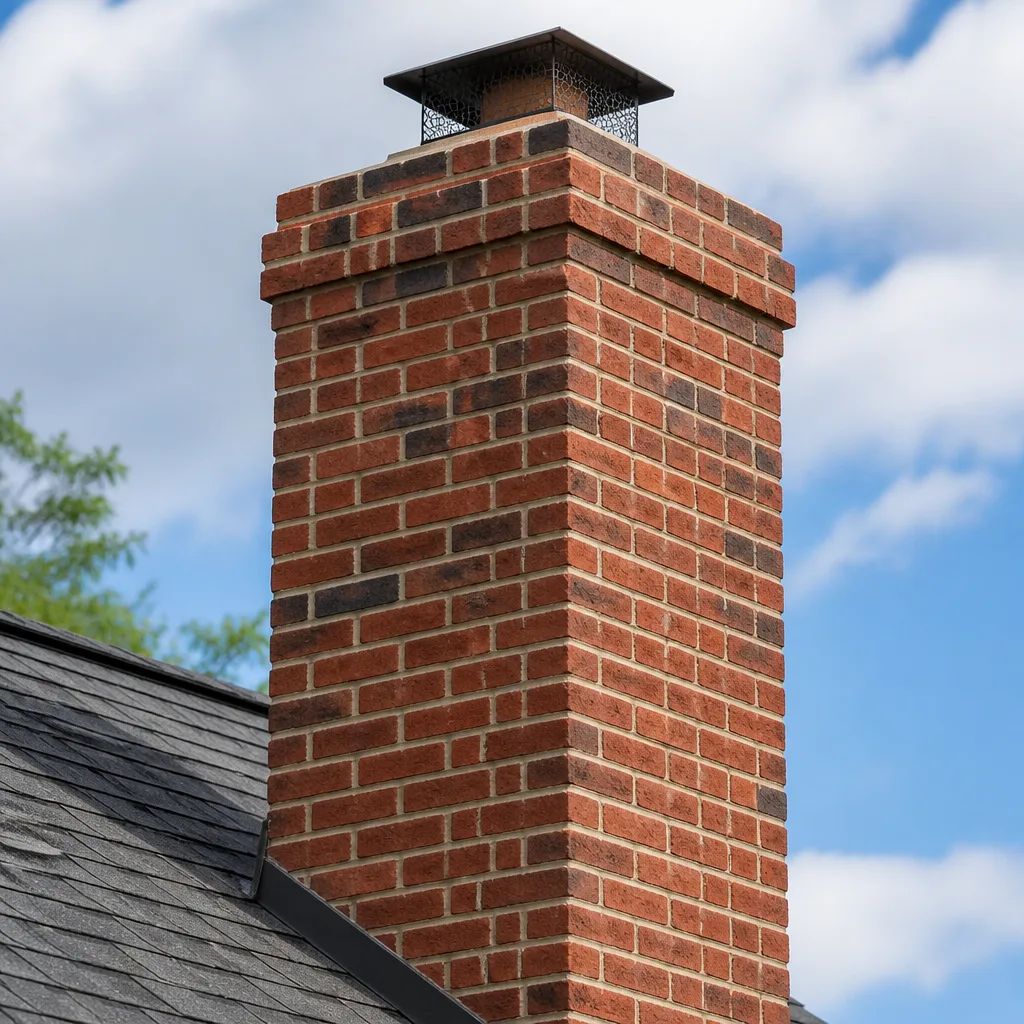
 Masonry repair
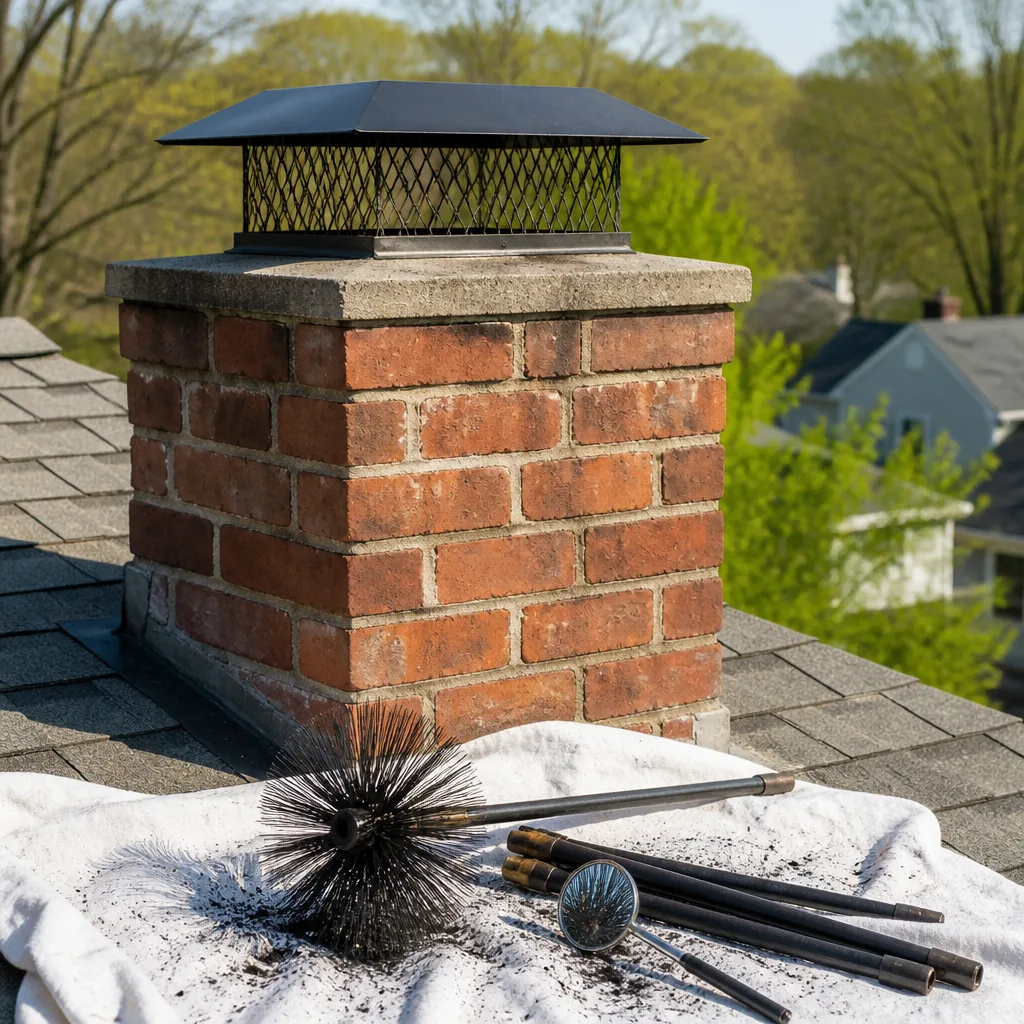 Sweep & inspection
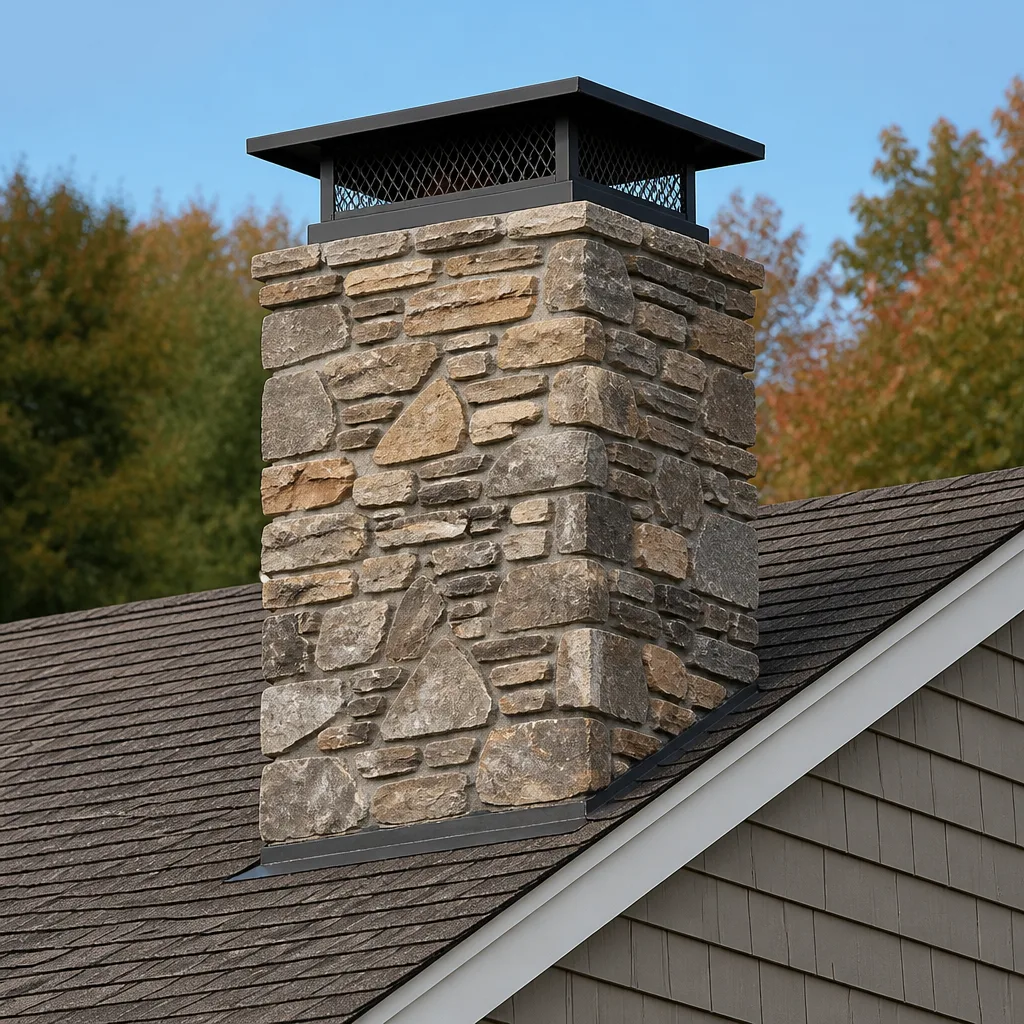 Caps & crowns
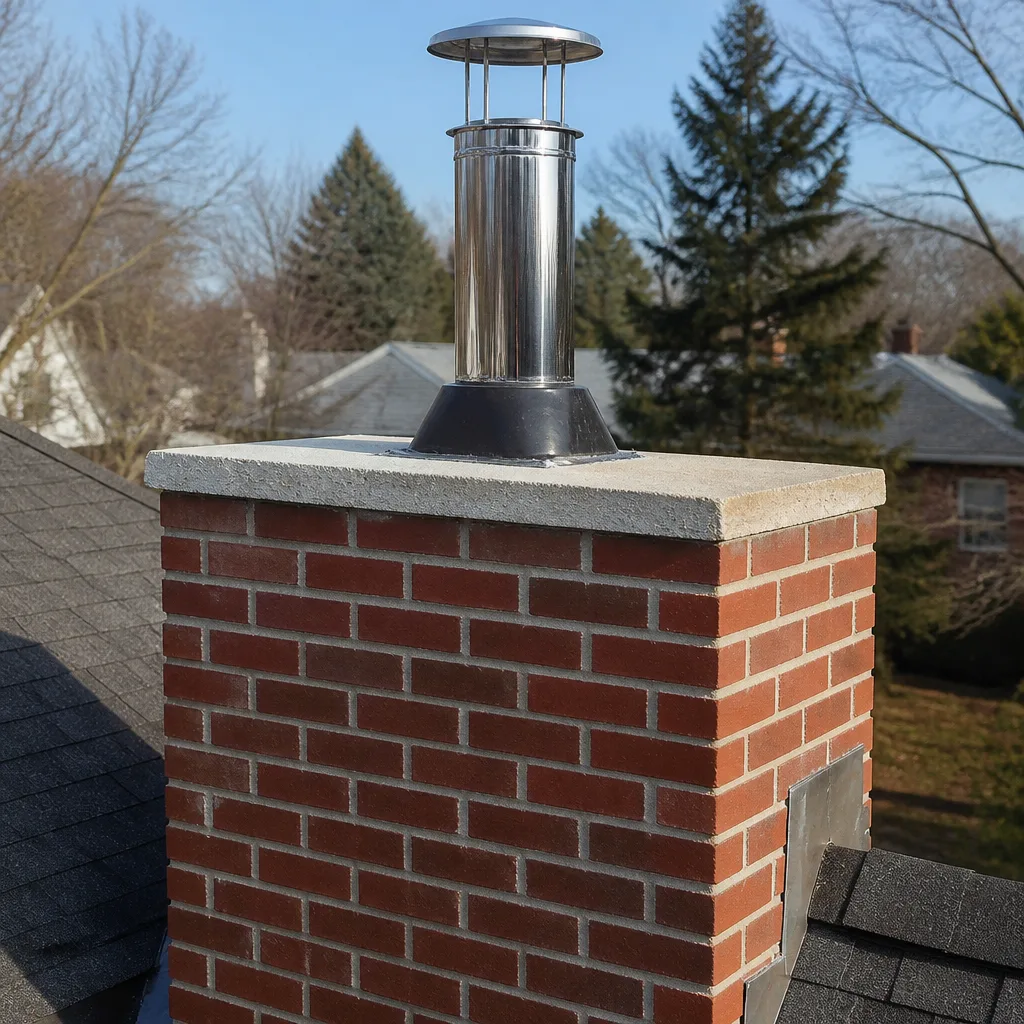 Flue relining
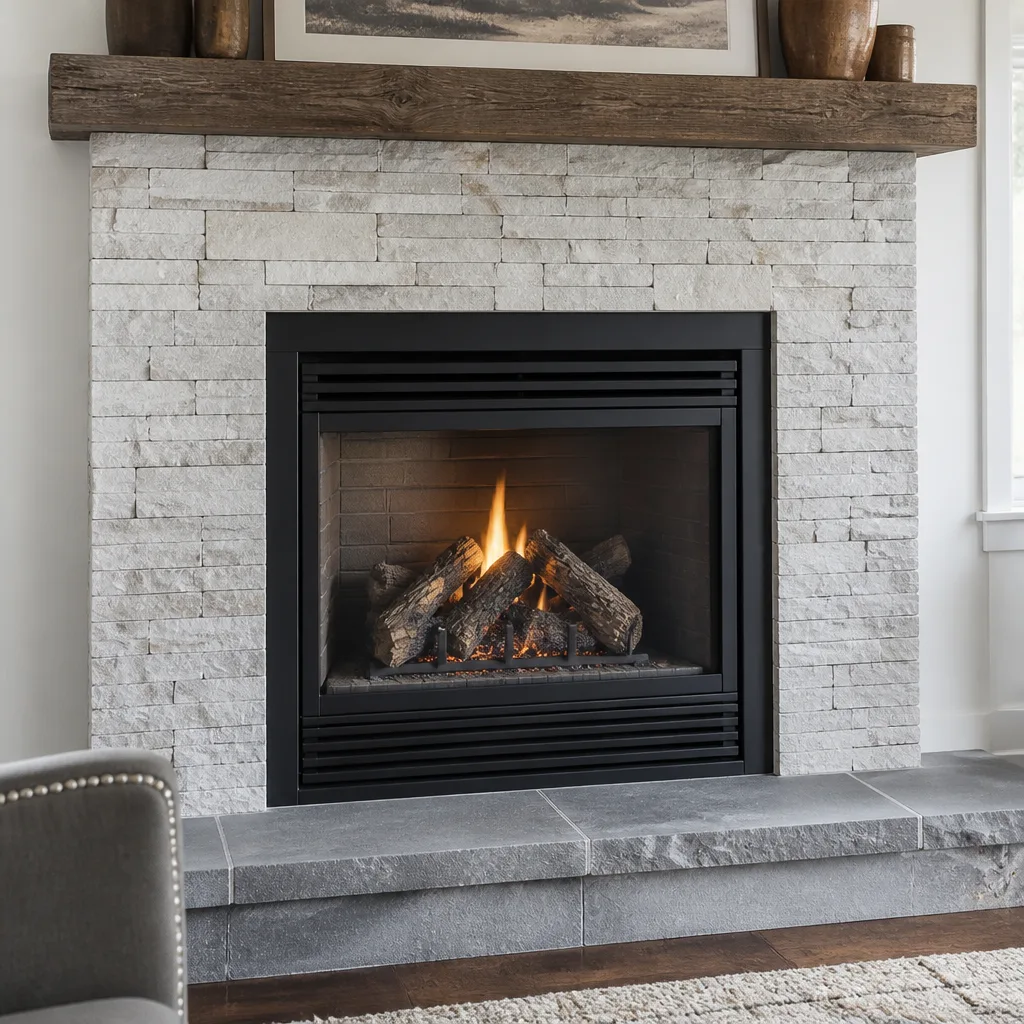 Gas fireplace service
Level 1 sweep and inspection to the NFPA 211 annual standard - flue, crown, cap, and flashing checked and photographed
Chimney sweep logs do not sweep chimneys. They loosen some creosote - which then falls where a brush and vacuum still have to collect it.
Trusted Chimney Repair for Pittsburgh Homeowners
Chimney repair in Pittsburgh starts with a real diagnosis, not a sales pitch. Our technicians have up to 14 years of experience, and we work on wood-burning fireplaces, wood stoves, and gas appliance venting across the city. We solve the problem most homeowners actually face: a chimney that’s been quietly deteriorating behind the brick, where mortar joints soften, flashing pulls away, and a missing cap lets water straight into the flue. We sweep, inspect, and repair under one roof with professional-grade materials, so the person who finds the problem is qualified to fix it. When a chimney issue threatens your home, call (844) 761-5636 and we’ll book your visit. We answer 24/7, with fast dispatch from 7am to 7pm, Sunday through Friday.
Chimney Cap Installation
Chimney Cap Installation is the fitting of a protective cover over the flue opening that keeps rain, animals, and debris out while letting smoke escape. You need one when the flue has been left open to the weather, when birds and squirrels find their way in, or when sparks from a wood fire need a screen barrier. In Pittsburgh’s wet, freeze-thaw climate, an uncapped flue takes on water year after year, and that moisture works on the mortar and damper. We install caps sized to your flue, using Famco and Gelco components we trust to hold up. Most cap installations fall in a modest range tied to flue count and cap style; the written estimate sets the final price after we’ve looked at the top of the chimney.
Why Caps Matter Between Visits
A cap is the single part that protects everything below it when we’re not there. Without one, rain runs down the flue, and in cold months that moisture freezes and expands inside the masonry. It’s a small component doing heavy work for the whole system.
Choosing the Right Cap
Caps come in different styles for different flues: single-flue, multi-flue, and screened designs for wood-burning systems. We match the cap to the appliance and the number of flues so the fit is right. A loose or undersized cap creates as many problems as no cap at all.
Styles & brands we work with
- Sweep & inspection
- Caps & crowns
- Flue relining
- Masonry repair
- Gas fireplace service
Chimney Cap Replacement
Chimney Cap Replacement is swapping out a cap that’s rusted, bent, cracked, or simply missing to restore that weather protection. You need it when the old cap has rusted through, when the screen is torn and no longer keeps animals out, or when a storm has knocked it loose. A failed cap often explains why water is showing up in the firebox. We pull the old unit, check the top of the flue, and fit a new cap from our professional supply lines. Replacement pricing depends on flue count and cap type, and we give you a written estimate before any work begins so there’s no surprise on the invoice.
Spotting a Failed Cap
Rust streaks down the outside of the chimney, a loose cap that shifts in the wind, or a torn screen are all signs it’s time. Water stains in the firebox after heavy rain usually point to the cap or flashing, and an inspection sorts out which.
Cap Fit and Flue Count
A chimney with two or three flues needs a cap designed to cover all of them together, not a single-flue cap sitting loose. Getting the coverage right is why we confirm flue count during inspection rather than guessing from the ground.
Chimney Liner Installation
Chimney Liner Installation is the fitting of a new flue liner to contain combustion gases and protect the surrounding masonry. You need one when the existing clay tile liner is cracked, spalling, or missing in sections, or when a new appliance requires a correctly sized flue. A damaged liner is a real hazard, because combustion gases can escape into the structure rather than up and out, so this is work for a trained professional and not a weekend project. We’re proficient with DuraFlex flexible liner systems for structural relining and with HeatShield ceramic resurfacing when the liner can be restored instead of replaced. Liner work is priced per job after inspection; the written estimate sets the final price.
Repair Before Replace
Not every liner needs full replacement. HeatShield ceramic resurfacing addresses deteriorating mortar joints and liner damage, and it’s a cost-effective alternative most sweep-only operators can’t offer. When restoration can do the job, we’ll say so.
DuraFlex Structural Relining
DuraFlex flexible liners handle structural failures, not just creosote buildup, which is what separates genuine relining from maintenance. This is technically demanding work. If your liner is failing, the safety stakes are high enough that it shouldn’t wait.
Chimney Flashing Repair
Chimney Flashing Repair is resealing the metal that joins the chimney to the roof, the seam where most leaks begin. You need it when water is coming in around the chimney base, when flashing has pulled away from the masonry, or when the sealant has dried and cracked. Pittsburgh’s freeze-thaw cycles work flashing loose over the seasons, and a gap there sends water down into the attic and ceiling. We reseal and refit flashing to shed water away from the joint, using materials that hold up to our weather. Flashing repair is typically one of the more affordable items on a chimney estimate; the written estimate confirms the price once we’ve seen the joint.
How Leaks Start Here
Flashing relies on a tight seal against both the roof and the masonry, and those are two different materials moving at different rates. When the seal fails, water follows the path of least resistance straight down. Catching it early keeps a small repair from becoming a ceiling repair.
Resealing the Joint
We clean the joint, refit or reseal the flashing, and check that water now runs off rather than in. The roof pitch and the shape of the chimney base both affect how the repair is done. It’s work best judged from up close.
Chimney Crown Repair
Chimney Crown Repair is fixing the concrete cap at the very top of the masonry, the sloped surface that sends water off the chimney instead of into it. You need it when the crown is cracked, crumbling, or holding water, which then freezes, expands, and damages the masonry below. A failing crown is one of the most common causes of water intrusion in Pittsburgh chimneys given the region’s hard winters. We repair or rebuild the crown so it slopes correctly and sheds water. Crown work is priced per job after inspection, and the written estimate sets the final price before we start.
Cracks and Spalling
Hairline cracks in the crown let water in, and once it freezes the damage accelerates. Spalling concrete at the top edge is a sign the crown is past its useful life. Both are straightforward to address before they reach the brick below.
Restoring the Slope
A crown needs the right pitch so water runs off, not pools in the middle. We restore that slope as part of the repair, because a flat crown just repeats the problem. Correct slope is what makes the repair last.
Chimney Repair Companies
Chimney Repair Companies vary widely in what they actually do, and that matters when you’re choosing one. Some are sweep-only crews who hand structural problems off to someone else; others cover the full scope of sweep, inspect, and repair. You need a company that can diagnose and fix, so you’re not stuck relaying findings between contractors with conflicting opinions. We cover all three CSIA-recognized service pillars, and our inspection-first workflow means every recommendation is evidence-based rather than upsold from a checklist. Repair pricing depends on the scope found during inspection; the written estimate sets the final price. If you’d rather start with a sweep, you can also look at Pittsburgh Chimney Cleaning for the broader service.
Why Scope Matters
A company that only sweeps can’t fix what it finds, so the job bounces to a second contractor and the diagnosis gets second-guessed. One accountable contractor from diagnosis through repair removes that gap. It also means the person recommending work is the one who has to stand behind it.
Reading the Estimate
A written estimate should name the exact repair, the materials, and the price, not a vague line item. Ask what evidence backs each recommendation. At our end, nothing is recommended without camera inspection footage you can see for yourself.
Chimney Masonry Repair
Chimney Masonry Repair is restoring the brick and mortar of the chimney structure itself, from repointing joints to rebuilding sections that have failed. You need it when mortar joints are soft and crumbling, when bricks are spalling or loose, or when freeze-thaw damage has opened the structure to water. Pittsburgh’s winters are hard on masonry, and a chimney left alone will keep losing material each season. We repair the masonry using materials matched to the existing structure, and we place caps and flashing with Copperfield and Famco components to protect the repair going forward. Masonry work is priced per job after inspection; the written estimate sets the final price. For more on structural fixes, see our chimney repair page.
Repointing Soft Joints
Repointing replaces deteriorated mortar before the brick itself starts to fail. Once joints recede, water gets behind the brick and the damage spreads. Repointing early is the difference between a targeted repair and a rebuild.
When a Rebuild Is Needed
If enough of the structure has failed, rebuilding the affected section is the honest answer rather than patching it again. We’ll tell you plainly when that’s the case. It’s a bigger job, but it’s the one that lasts.
Brands We Service
We work with a curated portfolio of professional-grade trade brands, the same materials specified by certified chimney contractors. That includes DuraFlex flexible liner systems, which we use for structural relining, and HeatShield ceramic resurfacing, which lets us restore a deteriorating liner instead of jumping straight to replacement. Both are materials we choose because they perform, not because they’re the cheapest option on the shelf.
For caps and flashing, we rely on Famco and Gelco components that protect the chimney system between service visits. Copperfield familiarity rounds out our parts and accessory knowledge across chimney types. We’re authorized to work with all of these, and we care about matching the right material to your specific flue and appliance. Whether you have Famco, Gelco, Copperfield, DuraFlex, HeatShield, or Olympia Chimney products, or any other make, we can help.
See the difference
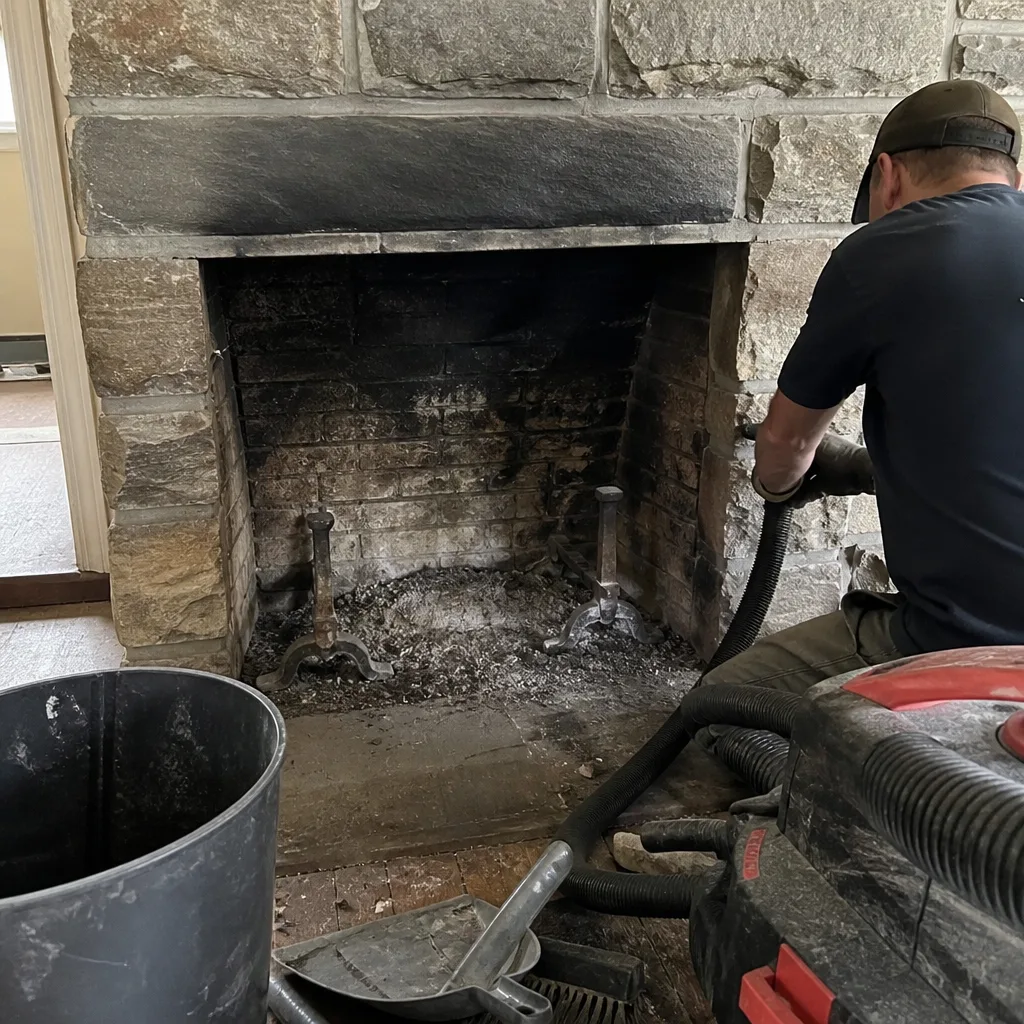 Before
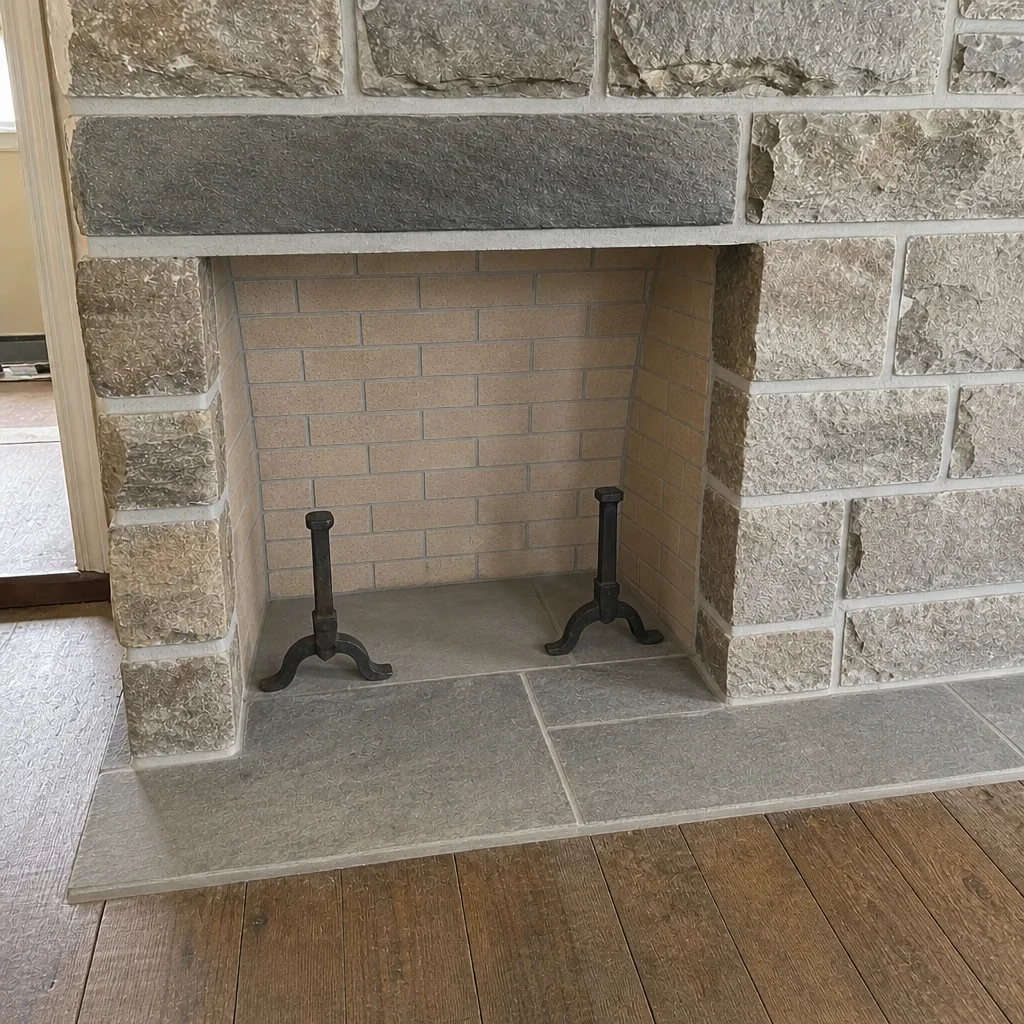 After
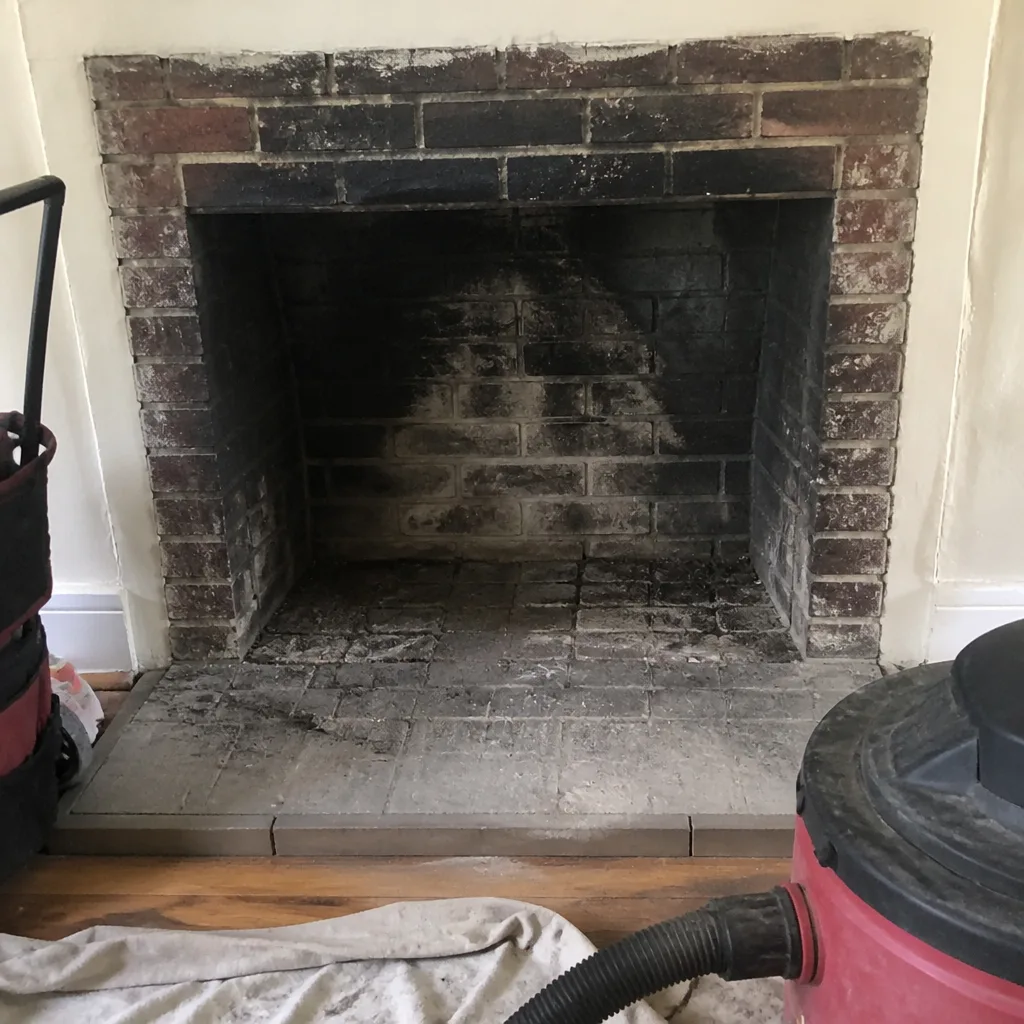 Before
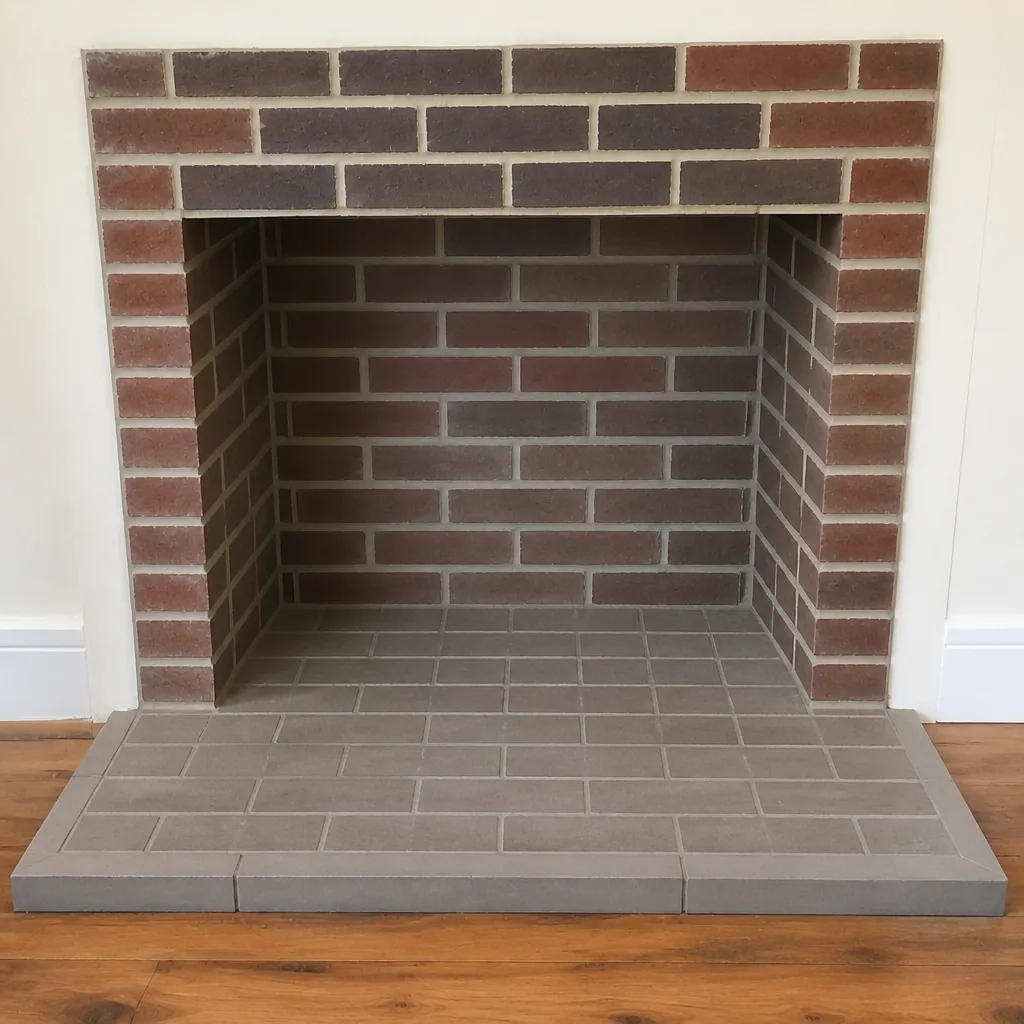 After
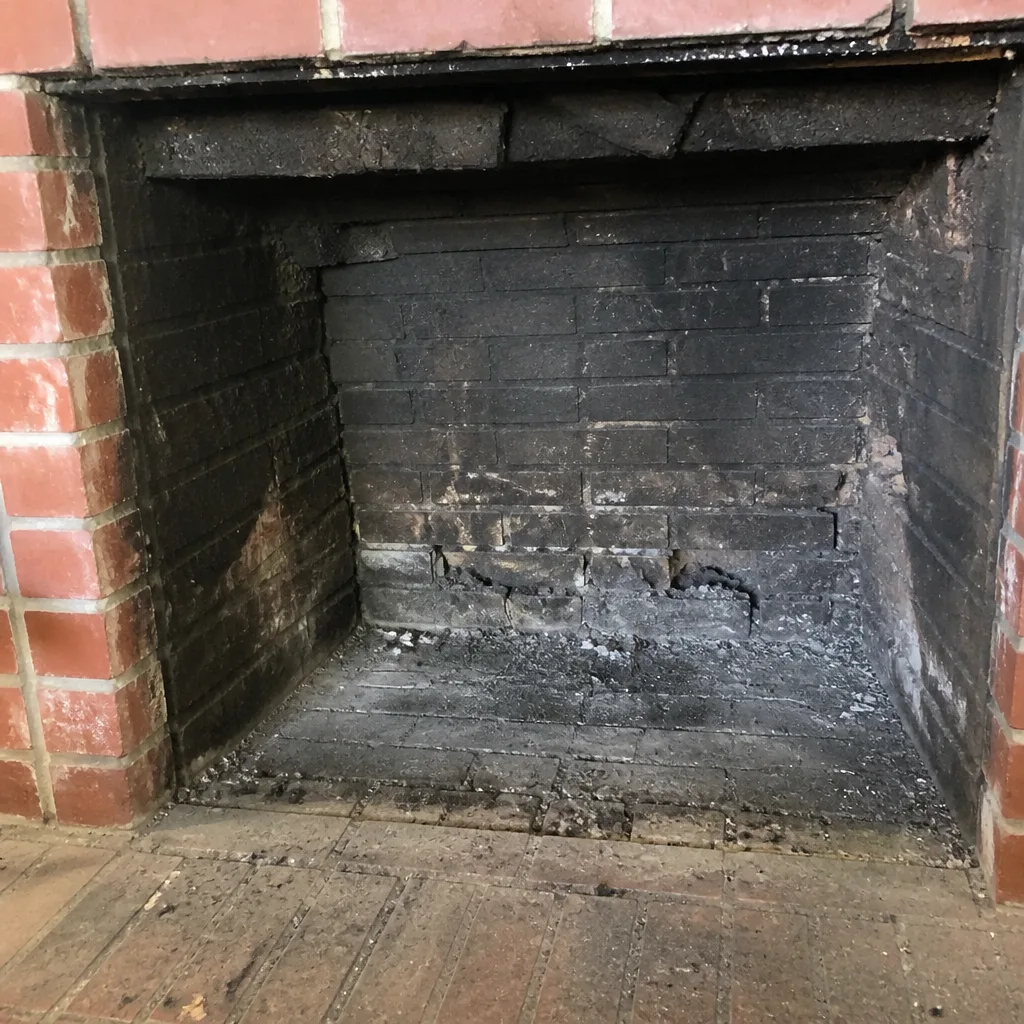 Before
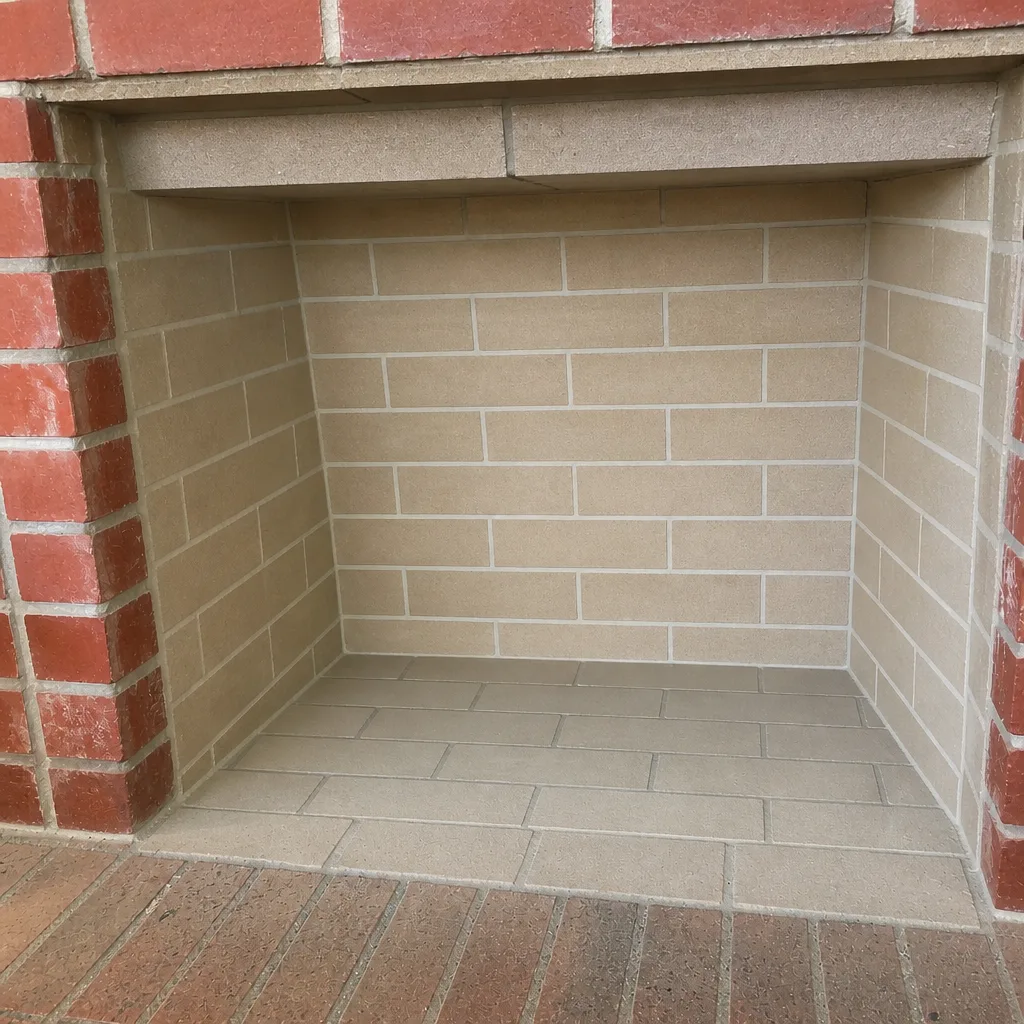 After
Signs You Need a Pro Right Now
- Water in the firebox after rain. This usually points to a failed cap, flashing, or crown letting water in. Left alone, that moisture reaches the masonry and starts the freeze-thaw cycle that cracks it apart.
- Crumbling mortar or loose bricks. When joints go soft and bricks shift, the structure is losing integrity. It’s a sign the masonry needs attention before a small repair turns into a rebuild.
- Strong smoky smell or draft problems. A blocked or damaged flue can push smoke back into the room instead of up the chimney. That’s a sign the flue needs a close look from someone trained to read it.
- Visible cracks in the liner. Cracks in a clay liner mean combustion gases may not be fully contained. This is a safety matter, and it’s why we inspect with a camera before recommending anything.
- Rust on the damper or firebox. Rust points to ongoing moisture getting in from above. It’s usually one of the earlier warnings that something at the top of the chimney has failed.
Our Process, Step by Step
- 1
Book and confirm. You call, we talk through what you’re seeing, and we book a visit that fits. We answer 24/7, and dispatch runs from 7am to 7pm, Sunday through Friday.
- 2
Sweep and inspect. We sweep the flue and run a camera inspection so we can see the actual condition of the liner and joints. You get a photo report so you’re seeing what we’re seeing.
- 3
Diagnose with evidence. We walk you through what the camera found and explain what needs fixing and what can safely wait. No upsell from a checklist, just what the footage shows.
- 4
Written estimate. You get a written estimate naming the exact repair, the materials, and the price before any work starts. Pricing is per job, and the estimate sets the final number.
- 5
Repair and follow up. We complete the repair with professional-grade materials matched to your system, then confirm it’s functioning before we leave. One contractor, start to finish.
How Much Does Chimney Repair Cost in Pittsburgh?
Chimney repair pricing in Pittsburgh depends entirely on what the inspection finds, so the honest answer is that it ranges widely. A small flashing reseal sits at the low end, while a full liner installation or masonry rebuild sits at the high end because of materials and labor. What we won’t do is quote a number before we’ve looked; that’s how homeowners end up paying for work they didn’t need.
- Flashing repair: typically a smaller line item, priced by the joint and roof access.
- Crown repair: priced by the size of the crown and how much rebuilding is needed.
- Caps and flashing components: priced by flue count and cap style.
- Liner installation or HeatShield resurfacing: the largest single item, priced per job by liner length and approach.
- Masonry repair: priced by the extent of repointing or rebuild.
What affects the price most is scope: how far the damage has spread, how many flues are involved, and which approach (restoration versus replacement) is right. To avoid overpaying, ask for a written estimate that names the exact repair and the materials, and ask to see the camera footage behind it. Our free estimate includes the camera inspection and photo report, so nothing is recommended on a guess. If work can safely wait, we’ll tell you that too. Call (844) 761-5636 for an exact quote – estimates are free.
Our Service Area Near Pittsburgh
We serve homeowners across Pittsburgh and the surrounding boroughs, including Mount Oliver, Millvale, Etna, Homestead, Green Tree, Sharpsburg, Ingram, Edgewood, Aspinwall, Avalon, and North Braddock. Response times depend on the day and the route, and we’ll confirm your booking window when you call. Homeowners in chimney repair territory and chimney repair neighborhoods near Millvale can book the same way as anywhere else in the city. Call (844) 761-5636 and we’ll get you on the schedule. We answer 24/7, with fast dispatch from 7am to 7pm, Sunday through Friday.
Serving Pittsburgh, PA – Our Local Coverage Area
We serve Pittsburgh and nearby communities. Use the map below to see the area we cover. If you’re nearby, we can almost certainly help.
Frequently Asked Questions About Chimney Repair in Pittsburgh
Chimney repair is fixing the structural and protective parts of the chimney: the liner, crown, flashing, cap, and masonry. It’s distinct from a sweep, which removes creosote, and from an inspection, which diagnoses condition. We cover all three, so the same contractor who finds a problem can fix it. Call (844) 761-5636 to book a visit.
Most chimney repairs take anywhere from part of a day to a few days depending on scope. A flashing reseal or cap replacement is usually quick, while a liner installation or masonry rebuild takes longer because of materials and cure time. We’ll give you a realistic timeline in the written estimate. Call (844) 761-5636 for an exact quote – estimates are free.
Chimney repair in Pittsburgh is priced per job, and the range depends on what the inspection finds. Small repairs like flashing or a cap sit at the low end; a full liner or masonry rebuild sits at the high end. We give a written estimate before any work, and the estimate sets the final price. Call (844) 761-5636 for an exact quote – estimates are free.
Yes. We’re authorized to work with DuraFlex and HeatShield, along with Famco, Gelco, Olympia Chimney, and Copperfield. DuraFlex flexible liners let us reline structurally failing flues, and HeatShield ceramic resurfacing lets us restore a liner instead of replacing it when that’s the right call. We’ll tell you which approach fits your system. Call (844) 761-5636 to talk it through.
Same-day service is often possible, and it depends on the day and the route. We answer 24/7, and fast dispatch runs from 7am to 7pm, Sunday through Friday. A call outside dispatch hours is booked into the next opening, Sunday through Friday, 7am to 7pm. Call (844) 761-5636 and we’ll book you in.
Warranty terms are set per job and spelled out in your written estimate, so you know exactly what’s covered before work begins. We don’t make blanket promises; the terms attach to the specific repair and materials used. Ask us to walk you through the terms when we’re out. Call (844) 761-5636 for details.
Clear access to the fireplace and the path to it, and move anything breakable away from the hearth. If we’ll be on the roof, let us know about any access limits or pets that need to be put away. That’s usually all it takes. Call (844) 761-5636 if you have questions before the visit.
Schedule Your Chimney Repair Service in Pittsburgh Today
If your chimney has been showing warning signs, the next step is a real diagnosis. Our team sweeps, inspects, and repairs under one roof, with professional-grade materials and a written estimate before any work begins. Call (844) 761-5636 for a no-obligation estimate. We answer 24/7, with fast dispatch from 7am to 7pm, Sunday through Friday. One contractor from first look to final repair.
Written by the team at Pittsburgh Chimney Cleaning.