
Last updated November 15, 2026
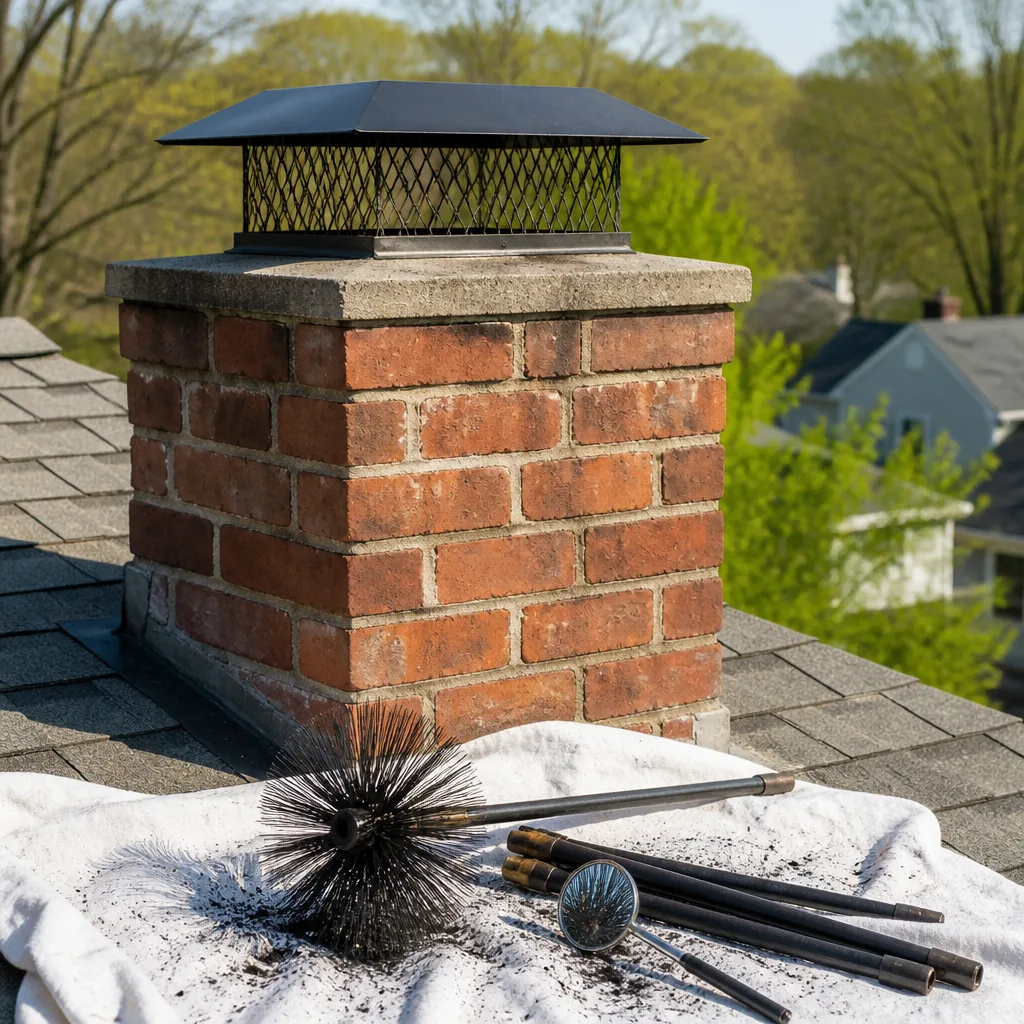 Sweep & inspection
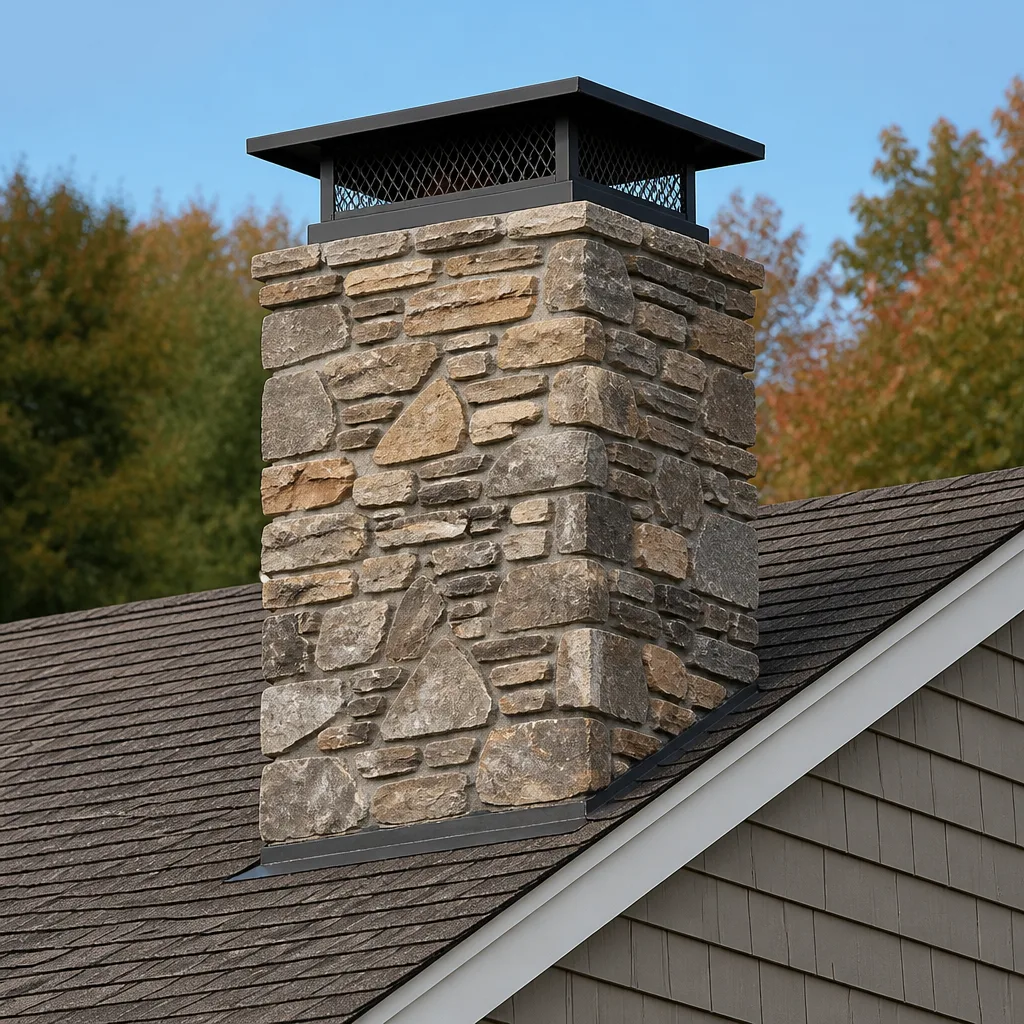 Caps & crowns
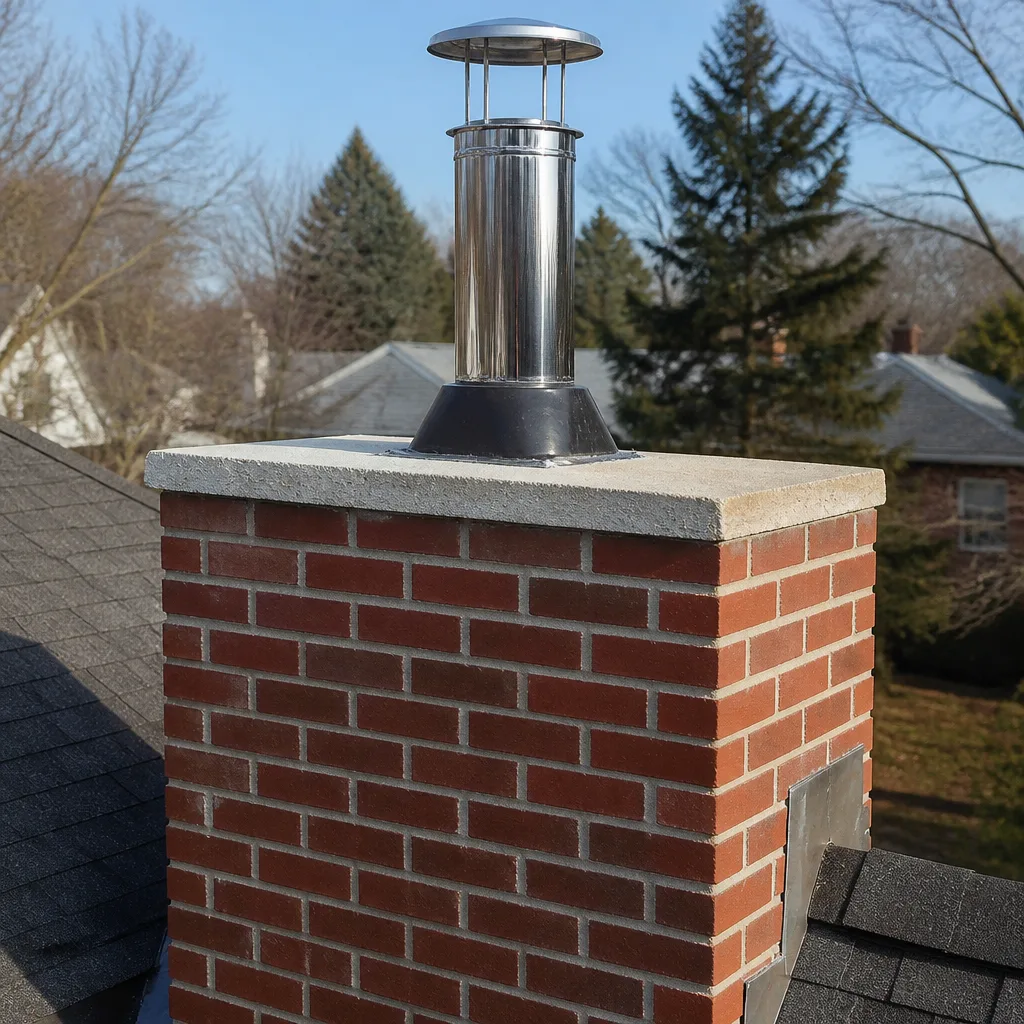 Flue relining
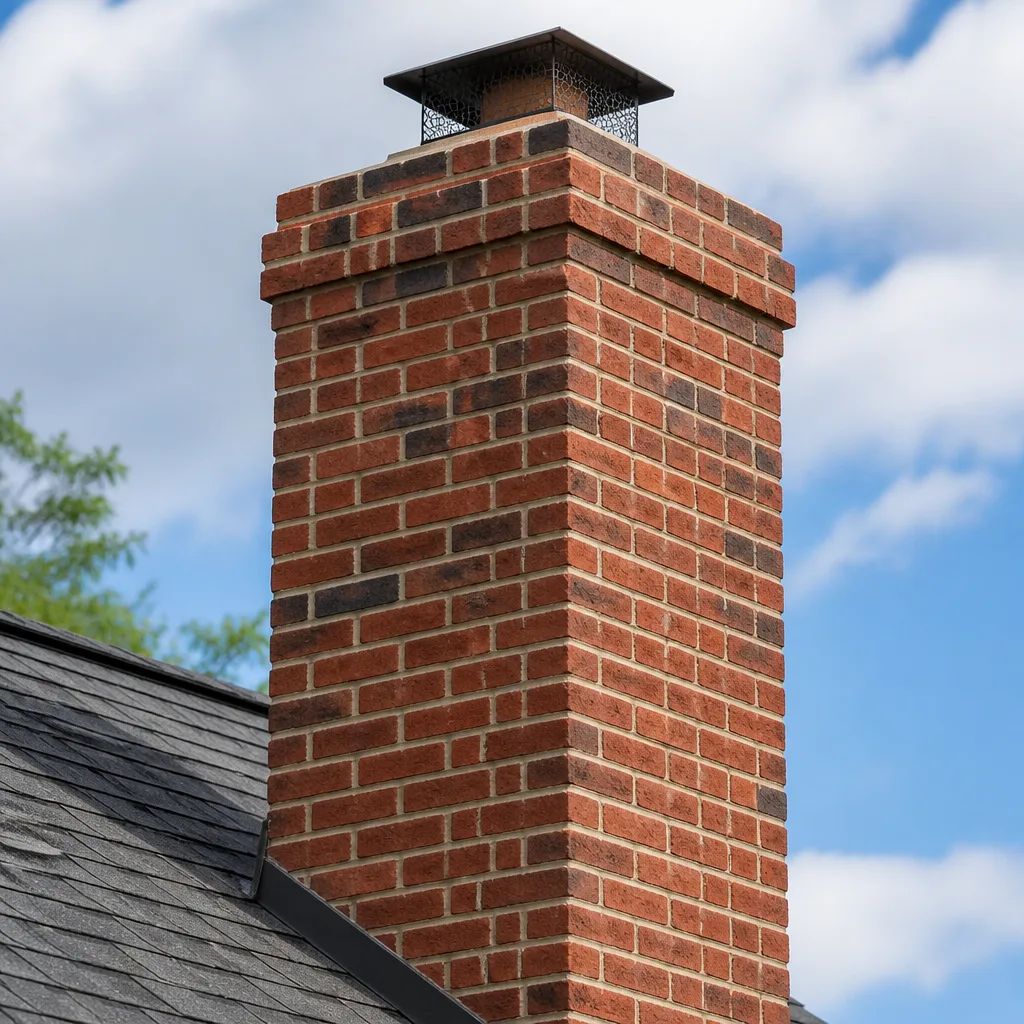 Masonry repair
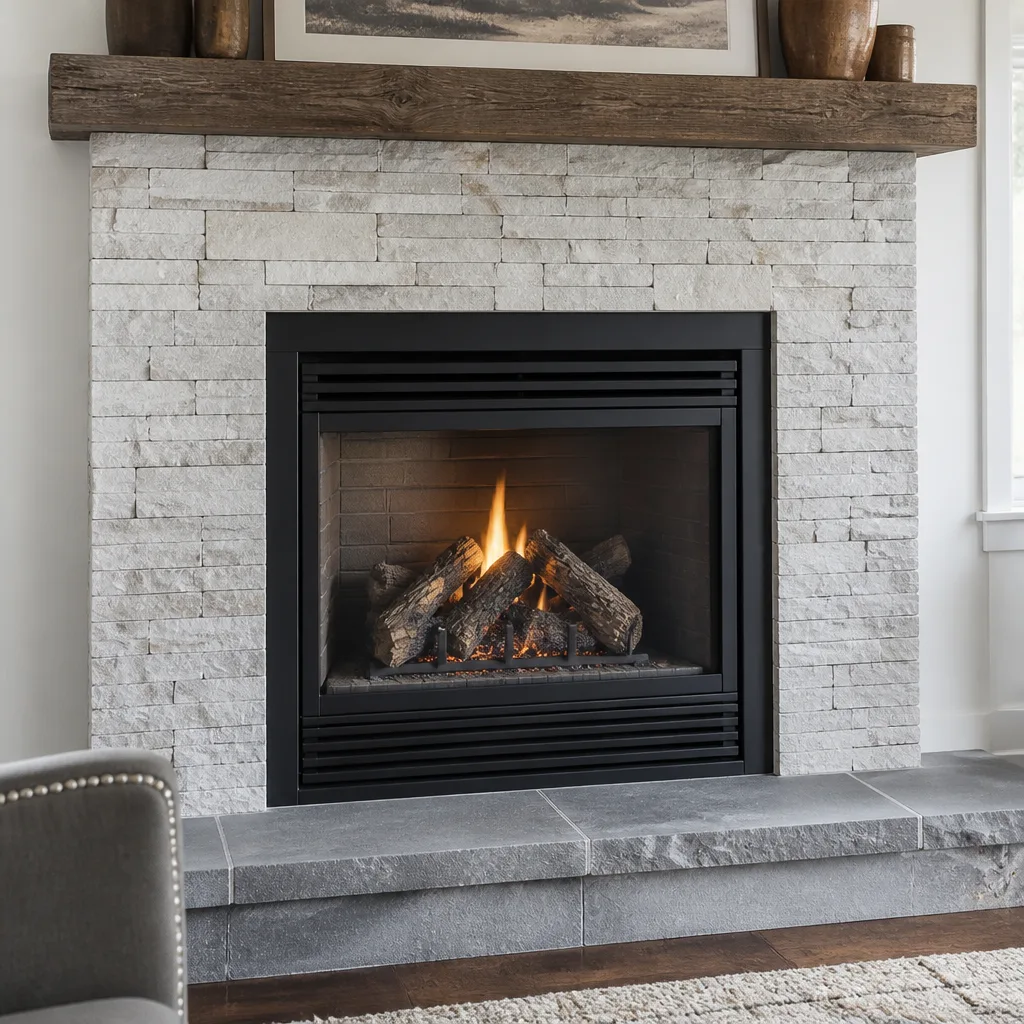 Gas fireplace service
Level 1 sweep and inspection to the NFPA 211 annual standard - flue, crown, cap, and flashing checked and photographed
Chimney sweep logs do not sweep chimneys. They loosen some creosote - which then falls where a brush and vacuum still have to collect it.
Chimney Sweep Maintenance Schedule: What to Do and When
Most homeowners treat a chimney sweep like a once-a-year oil change, a box to tick and forget. That’s the wrong model. Gas fireplace owners are the biggest offenders: they assume that because they see no smoke and smell no wood, there’s nothing to maintain. But gas appliances still vent combustion byproducts, and the acidic moisture those byproducts carry can quietly degrade a liner over time with no visible warning. In this guide we lay out a real maintenance calendar for Pittsburgh homes, one built around fuel type, how much you burn, and what your liner is made of. You’ll learn what to do each season, when a mid-season sweep is actually justified, and what triggers a higher-level inspection. Consider it your framework for the year, not a vague reminder to call someone.
Quick Answer
The core of a chimney maintenance schedule is one annual inspection and sweep, timed for after the heating season ends, plus a check of the cap, crown, and flashing before winter returns. Wood-burning appliances need sweeping based on how much you actually burn, not a fixed date, while gas appliances still need an annual inspection even though they produce no creosote. Much of the work in Pittsburgh is seasonal: the post-winter inspection catches freeze-thaw damage, and the pre-season check confirms the system is ready before the first cold snap.
Styles & brands we work with
- Sweep & inspection
- Caps & crowns
- Flue relining
- Masonry repair
- Gas fireplace service
Table of Contents
- Why a Schedule Beats a Single Annual Sweep
- Separate Tracks for Wood, Gas, and Oil Appliances
- The Post-Winter Inspection Checklist for Pittsburgh Homes
- How Often Should Your Chimney Be Swept?
- When a Mid-Season Sweep Is Warranted (and When It Isn’t)
- How to Log Your Usage So Recommendations Are Data-Driven
- What a Level 2 Inspection Means in Practice
- The Pre-Season Readiness Check
Why a Schedule Beats a Single Annual Sweep
A yearly sweep is the floor, not the whole plan. The reason is that your system doesn’t fail on a schedule. It fails from specific causes: creosote accumulation inside the flue, moisture working into mortar joints, a cracked crown letting water behind the masonry, or a liner degrading under the chemistry of your specific fuel. Each of those has a different timeline and a different trigger. A schedule that maps tasks to those triggers keeps you ahead of the problems; a single annual reminder keeps you behind them.
In Pittsburgh, the seasonal swing makes this more important than in milder climates. Winters are cold enough to stress masonry through repeated freeze-thaw cycles, and the long burning season means more creosote. A chimney that lives through a Pittsburgh winter and then sits untouched until the following fall gives moisture months to work into cracks before anyone looks at it. That’s why the schedule below front-loads an inspection after winter ends, when damage is fresh and repair work can be planned calmly rather than in a rush before the next heating season.
There’s a second reason a schedule beats a reminder: accountability. When you know what to check and when, a recommendation from your sweep lands against a real baseline. You know how much you burned. You know whether the cap is intact. That context turns a routine visit into a genuine assessment, and it keeps any recommendation tied to something you can see and verify.
Separate Tracks for Wood, Gas, and Oil Appliances
Different fuels produce different byproducts, and those byproducts attack different components. Running one generic schedule across all of them is where a lot of maintenance goes wrong. Here’s how the three tracks differ.
Wood-burning fireplaces and stoves produce creosote and soot. Creosote is the residue that accumulates on flue walls and is the primary fuel source in a chimney fire. It builds based on burn volume and burn quality; a hot, well-aerated fire leaves less behind than a slow, smoldering one. Wood is the track that needs the most frequent physical sweeping.
Gas fireplaces and gas appliances produce little visible residue but do release water vapor and acidic combustion byproducts. Those can degrade a metal liner or attack masonry over time without a puff of smoke to warn you. The scan-the-flue assumption doesn’t apply here, so gas owners need at least an annual inspection to catch liner deterioration. This is where we see the most deferred maintenance, because nothing looks wrong.
Oil appliances produce soot along with their own combustion residue, and require attention to both the vent condition and the appliance connections. Oil systems need an annual inspection just like the others, but the condition being watched is soot accumulation and vent integrity rather than creosote.
The lesson is simple: match the maintenance to what the fuel does. A schedule built only around creosote leaves gas and oil owners uncovered.
The Post-Winter Inspection Checklist for Pittsburgh Homes
Late winter and early spring are the best window to inspect a chimney in this region, because the worst of the freeze-thaw cycle has already happened. Water gets into small cracks, freezes, expands, and widens them over the winter. A spring inspection finds that damage while it’s small and while you have months to plan the fix. Here’s what the inspection should cover.
- Crown condition. The concrete crown at the top of the chimney sheds water away from the masonry. Look for cracks, spalling, or a crown that’s pulling away from the flue.
- Mortar joints. Joints between bricks erode from moisture and repeated freezing. Crumbling or receding mortar allows water deeper into the structure.
- Chimney cap and screen. A missing or damaged cap lets rain and animals in. A securely fitted cap with a spark screen protects the flue between visits.
- Flashing. The metal seal where the chimney meets the roof is a common leak point. Lifted or deteriorated flashing sends water along the masonry.
- Liner condition. A visual check from the top and, where needed, a camera scan down the flue. This is where gas appliance deterioration typically shows.
- Creosote level. The degree of buildup tells your sweep how urgent the next cleaning is.
Pittsburgh’s hillside neighborhoods, with their rooftops tucked against trees and steep grades, put extra stress on caps and flashing. For components like caps and flashing, our technicians work with durable options from brands such as Famco and Gelco, because those parts are what stand between the masonry and the weather all year.
How Often Should Your Chimney Be Swept?
Most wood-burning chimneys need sweeping once a year when they’re used through a full heating season, and more often when burn volume is high. The right interval tracks how much fuel actually goes through the firebox, not the calendar. A home that lights the fireplace a few evenings a month is a very different case from one that runs a wood stove as primary heat. For the routine physical cleaning itself, you can arrange a chimney sweep and let your sweep match the interval to your documented usage.
The threshold that matters is how much you burn, measured in the wood you consume. Light use across a season generally holds to the annual sweep. Heavier use means creosote accumulates faster than once-a-year cleaning can counter, and the schedule should reflect that. What we avoid is the opposite mistake: defaulting to the same annual advice regardless of your habits. Your usage should drive the answer.
A practical way to think about it:
- Light use (a few fires a week in the cold months): annual sweep, with the post-winter inspection you’d do anyway.
- Regular use (steady burning through the season): annual sweep, and watch creosote level closely at each visit.
- Heavy use (wood as a primary heat source): plan on more than one cleaning, since the volume of fuel going through the stove leaves more residue faster.
There’s also a quality dimension. Burning dry, well-seasoned wood at a good air setting leaves less creosote than burning damp wood in a slow, smoldering fire. Good burn habits extend the useful life of each sweep and make a mid-season cleaning less likely.
When a Mid-Season Sweep Is Warranted (and When It Isn’t)
A mid-season sweep is warranted when your burn volume crosses into heavy territory or when the creosote layer is visibly thick at the buildup points, such as the smoke chamber. It’s overselling when a homeowner burns lightly and a cleaning is being recommended on a calendar basis rather than on evidence. That’s the heart of this section: the difference between a sweep based on what’s in the flue and one based on habit.
In our experience, the clearest correct case for a mid-season cleaning is a wood stove or fireplace insert running continuously as the main heat source. Burn a serious volume of cord wood, and the creosote layer can build to a thickness that warrants attention before the season ends, especially if your burning tends toward slow, damp fires. The clearer case for skipping it is a fireplace used for occasional ambiance, where a well-done cleaning at the start of the season holds through it.
How do you tell the difference? Look for the signals rather than guessing at a date:
- A visible, thickening layer of creosote when the flue is examined.
- Noticeably reduced draft compared to earlier in the season.
- More smoke spilling into the room when you start a fire.
- A strong creosote odor that’s stronger than a mild campfire smell.
If several of those line up with heavy usage, a mid-season cleaning is justified. If your burn volume is light and none of the signals are present, the annual schedule is enough. Our approach is to recommend nothing without camera evidence you can see for yourself, and to say plainly when a cleaning can safely wait.
How to Log Your Usage So Recommendations Are Data-Driven
Log your usage and your sweep can give you a real recommendation instead of the same annual advice everyone gets. The log doesn’t need to be elaborate. What matters is that it gives your sweep a factual picture of how your chimney is actually used across the season. Here’s a simple format.
- Record each fire date and roughly how long it burned.
- Note how much wood you bought and when it ran out. That tells your sweep the fuel volume that passed through the firebox.
- Note the wood’s condition. Whether it was well-seasoned or damp changes creosote buildup.
- Write down anything unusual – smoke spillage, weak draft, a louder smell than usual.
- Bring the log to your appointment so your sweep can compare it against the flue condition.
A log of two across the season turns a guess into a diagnosis. It’s the difference between “we clean it once a year because that’s standard” and “your volume was high, so a mid-season cleaning next year makes sense.” If you have a gas appliance, the log is simpler: record the ignition and usage habits, and note when you last had the flue inspected, since deterioration occurs quietly. If you’ve deferred maintenance, this is the most useful place to start. For inspecting and repairing a system that’s been sitting, a chimney repair team that also inspects can assess it in one visit.
What a Level 2 Inspection Means in Practice
A Level 2 inspection is a more thorough look that covers the flue with a camera scan and examines accessible areas of the chimney, not just the parts visible from the firebox and the roof. It goes beyond the routine check you’d have with an annual sweep. You don’t need one every year; you need one when a triggering event changes what’s at stake, and getting one at the right time matters more than having one by default.
The events that call for a Level 2 inspection:
- A home sale or transfer. A buyer wants a documented assessment of the system they’re inheriting.
- A flue fire or suspected chimney fire. Any event that may have damaged the liner warrants a closer look than a routine inspection.
- A new appliance installation or a change to how the chimney is vented.
- A change in fuel type or a change to the system that alters what it vents.
In practice, the camera scan is what separates a Level 2 from a visual inspection: it shows the inside of the flue along its length and reveals liner defects, gaps, and unexpected buildup that a top-down glance misses. Our approach to inspection is evidence-first. If the camera shows the liner is sound, we say so. If it shows a localized problem where a ceramic resurfacing product like HeatShield can restore the joint or surface, we say that too, because restoration before replacement is genuinely on the table when the failure is confined and the flue surface can be addressed. When the liner is structurally compromised, a full reline is the honest answer, and a flexible liner system such as DuraFlex is one of the professional-grade materials we work with for that.
The Pre-Season Readiness Check
Before the heating season starts, a readiness check confirms you’re about to use a system that’s ready to be used. This isn’t a full inspection; it’s the quick set of things that should be in order before the first fire, so you’re not discovering a problem from behind a fire you already lit.
- Confirm the post-winter repairs were made. The crown and flashing that were flagged in spring should be addressed before weather returns.
- Verify the cap is secure. A storm or animal activity over the summer can leave a cap loose or a screen missing.
- Check the cap and flashing materials are intact – caps and flashing are the system’s first line of defense, and quality components matter.
- Have the flue swept if it hasn’t been done since last season. Fresh creosote from last year shouldn’t carry into this one.
- Confirm the firebox and damper operate correctly. A sticky damper is a symptom worth checking.
This is also when a gas appliance owner should schedule the annual inspection, even if the fireplace was never used the prior winter. Gas appliances deteriorate without signs of use, so a quiet year doesn’t mean the flue is healthy. If you want a single point of accountability from the sweep through any repair that turns up, using a full-service contractor covers the sweep and the inspection requirements, and if something needs repair, a team familiar with the whole system handles it without a handoff. The Pittsburgh Chimney Cleaning approach is built around that, and it’s why maintenance works better as a schedule than as a single call.
Common Mistakes to Avoid
- Assuming a gas fireplace needs no schedule. Gas appliances omit no maintenance just because they produce no creosote; acidic moisture degrades liners quietly. Owners who skip annual inspections discover deterioration without warning.
- Sweeping on the calendar instead of the evidence. A cleaning based on habit rather than creosote level wastes effort on light users and misses the heavy users who need more.
- Skipping the post-winter look. Pittsburgh’s freeze-thaw cycle widens cracks all winter; skipping the spring inspection lets moisture damage grow unnoticed until fall.
- Ignoring the cap and flashing. A loose cap or deteriorated flashing lets water and animals in, and that’s how small problems become structural. Protect those parts between visits.
- Not logging usage. A sweep working without your burn data defaults to the same advice regardless of your habits, which is how the wrong interval gets recommended.
- Waiting for a trigger to get a Level 2. A home sale, a flue fire, or a new appliance install should prompt the closer look rather than be treated as optional.
- Treating a recommendation as an upsell. Any repair worth doing should come with camera evidence you can verify; if it doesn’t, ask for it.
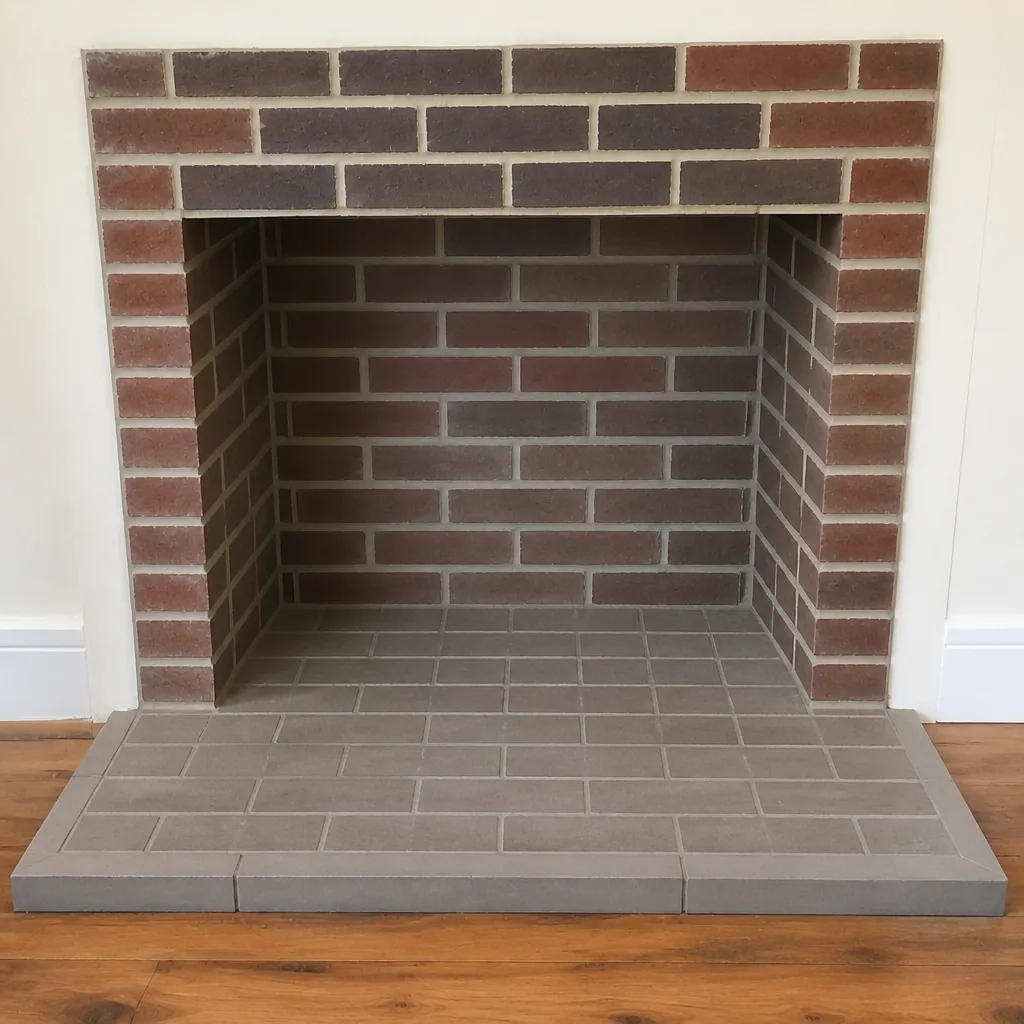
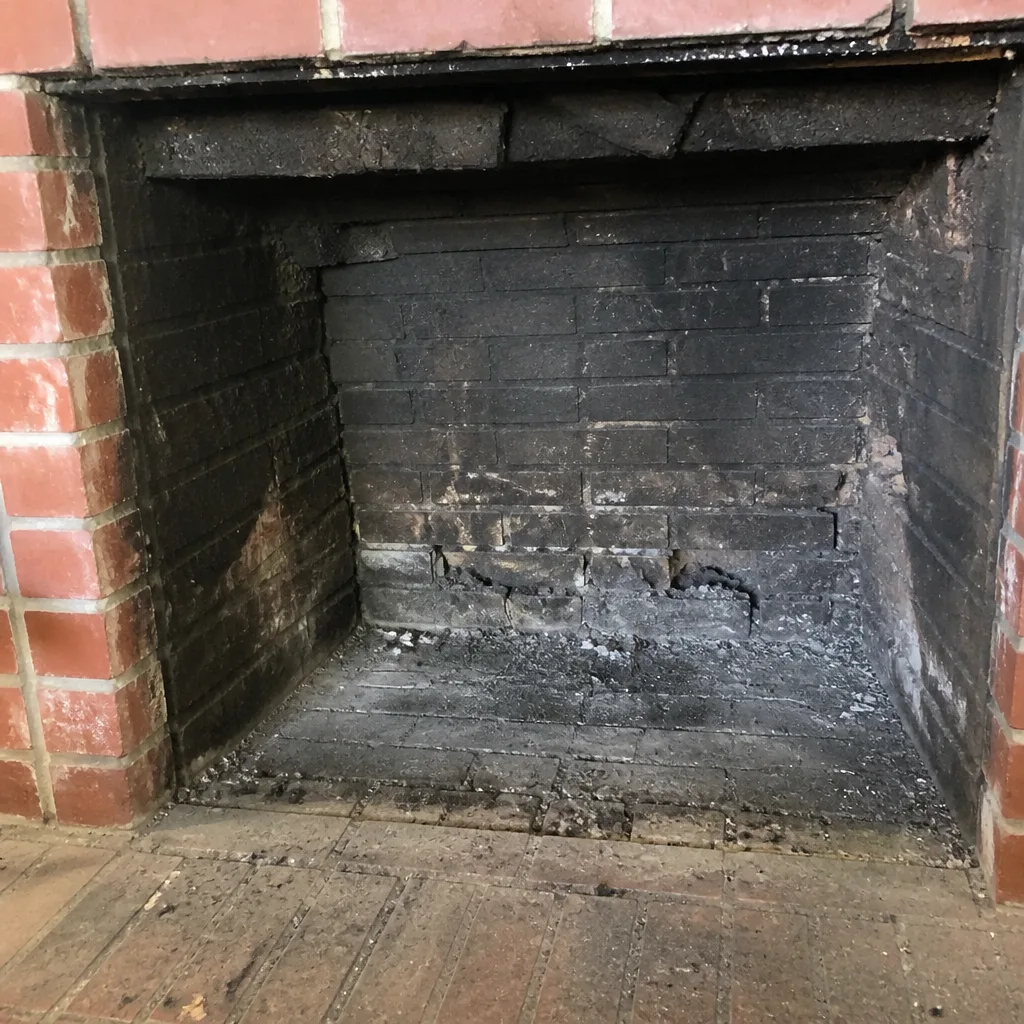
See the difference
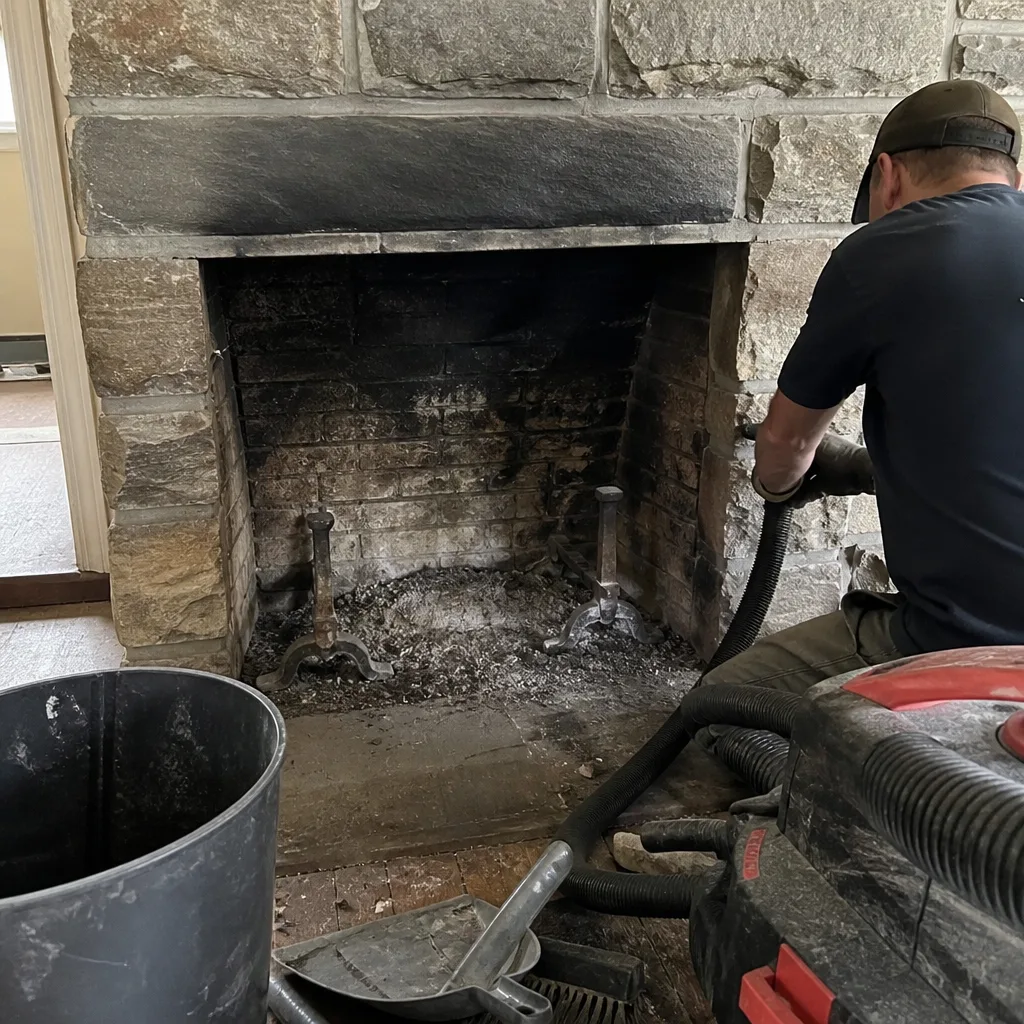 Before
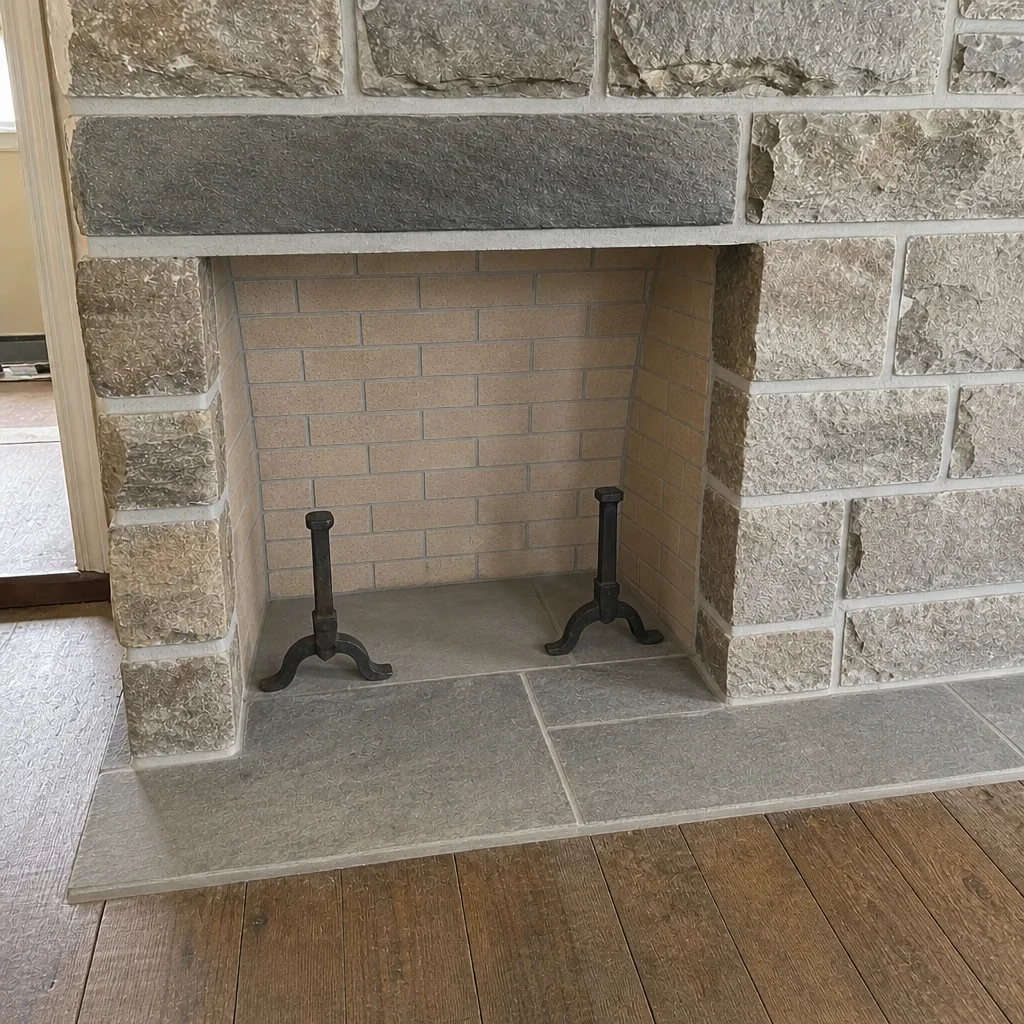 After
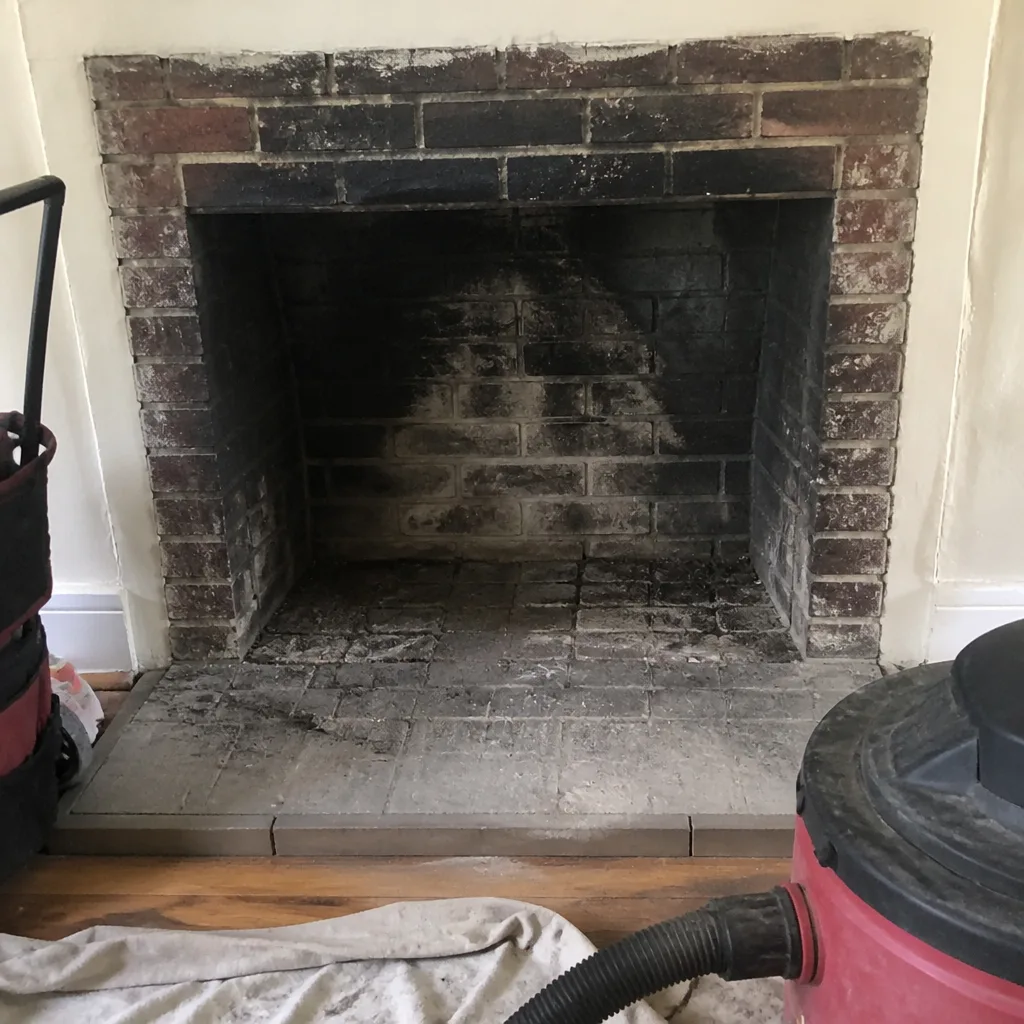 Before
 After
 Before
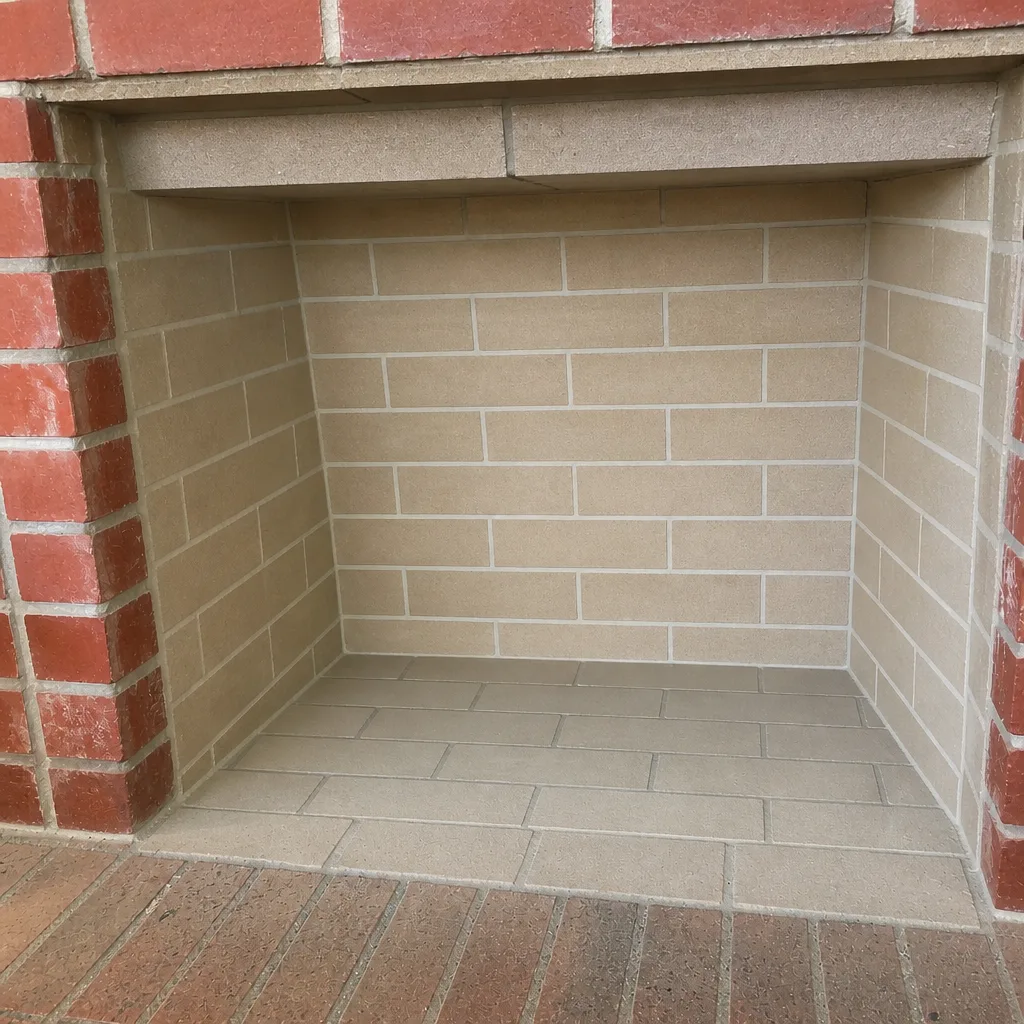 After
When to Call a Professional
Call a professional when the flue shows signs of a problem you can’t verify from the outside, when the post-winter check turns up damaged masonry, or when a triggering event calls for a Level 2 inspection. If your gas appliance hasn’t been inspected in a year, that alone is a reason to call. The same goes for a flue fire, a new appliance, or a home sale in progress. Working on the flue or the liner yourself isn’t worth the risk, and the inspection is what tells you whether the system is safe to use this season. Pittsburgh Chimney Cleaning offers free estimates in Pittsburgh. Call (844) 761-5636. We answer 24/7. Fast dispatch from 7am to 7pm, Sunday through Friday. Estimates are free and the price is set per job by the written estimate, with camera inspection and a photo report included.
Frequently Asked Questions
Most wood-burning chimneys need sweeping once a year when used through a full heating season, and more often with heavy burn volume. Gas appliances still need an annual inspection even though they produce no creosote. Call (844) 761-5636 for an exact quote – estimates are free.
Yes. Gas appliances produce acidic combustion byproducts that can degrade a metal liner over time without any visible warning. The lack of smoke and creosote is exactly why the inspection matters: nothing looks wrong while the liner quietly deteriorates.
A Level 2 inspection is a camera-based assessment of the flue and accessible areas, more thorough than the routine check at a sweep. You need one after a home sale, a flue fire, a new appliance installation, or any change that alters what the chimney vents.
Only partly. Exterior signs like a cracked crown or a damaged cap are visible, but liner and creosote conditions live inside the flue and need a camera to assess. That’s why we base recommendations on camera evidence you can see for yourself.
Creosote keeps accumulating in wood-burning flues, which raises chimney fire risk, and moisture works into masonry through freeze-thaw cycles all winter. On gas systems, a deteriorating liner can become a carbon monoxide concern. None of these show up on their own without an inspection.
Heavy burn volume in a wood stove or insert, a visibly thick creosote layer, and noticeably reduced draft all point to a mid-season cleaning. Light usage with none of those signals is fine on the annual schedule. Call (844) 761-5636 to talk it through with a technician.
The Bottom Line
A single annual sweep is the minimum, not the whole plan. The real schedule depends on your fuel type, how much you burn, and what your liner is made of. Wood-burning appliances need sweeping tied to usage volume, gas appliances need annual inspection because deterioration is silent, and oil systems need soot and vent integrity checked each year. In Pittsburgh, the post-winter inspection catches freeze-thaw damage while it’s still small, and the pre-season check confirms the system is ready before you light the first fire. Log your usage so recommendations are data-driven. Get a Level 2 inspection on a home sale, a flue fire, or a new appliance install. And when a repair is suggested, ask to see the camera evidence. For a system that has been deferred, that’s where honest guidance starts.
If you’re ready to get on a schedule, Pittsburgh Chimney Cleaning covers sweep, inspection, and repair with one contractor from diagnosis through resolution. Call (844) 761-5636. We answer 24/7. Fast dispatch from 7am to 7pm, Sunday through Friday. Our technicians have up to 14 years of experience, and estimates are free.
Written by the team at Pittsburgh Chimney Cleaning.