
Last updated November 15, 2026
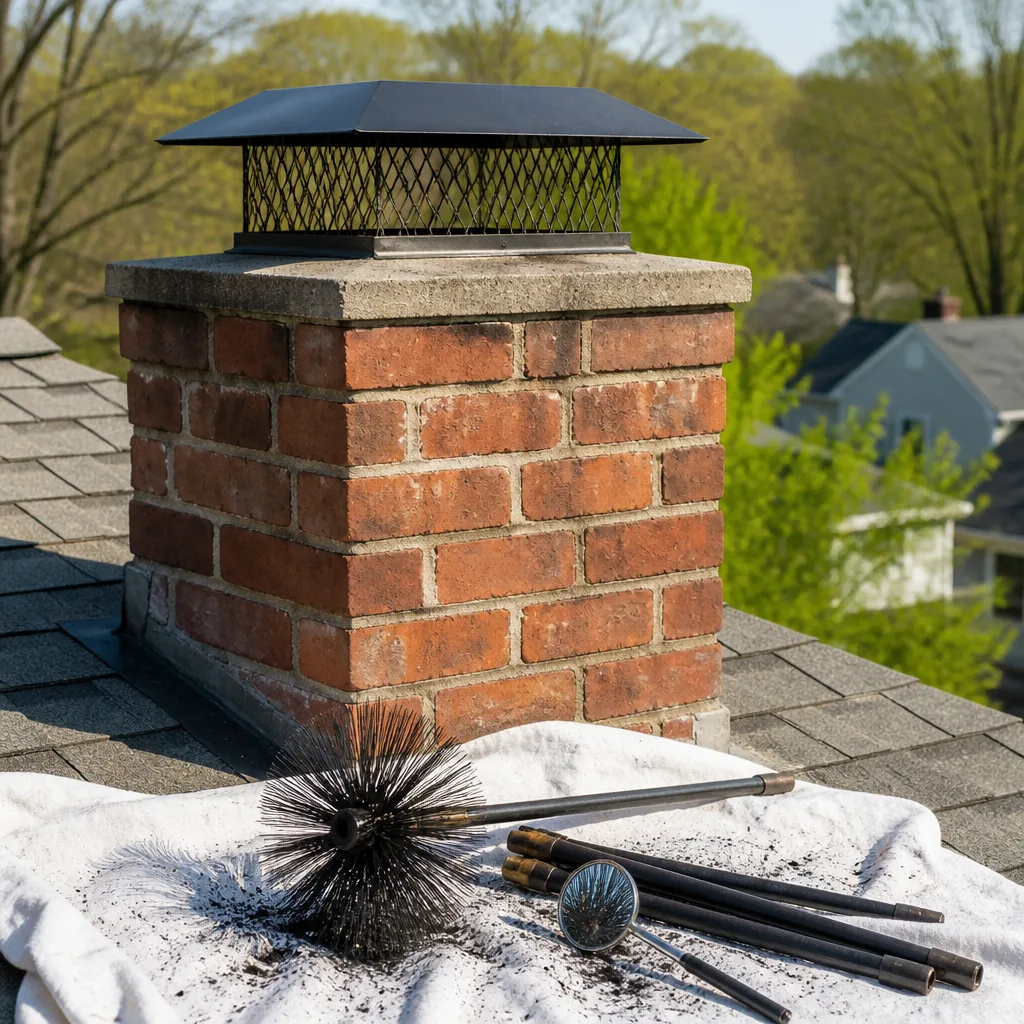 Sweep & inspection
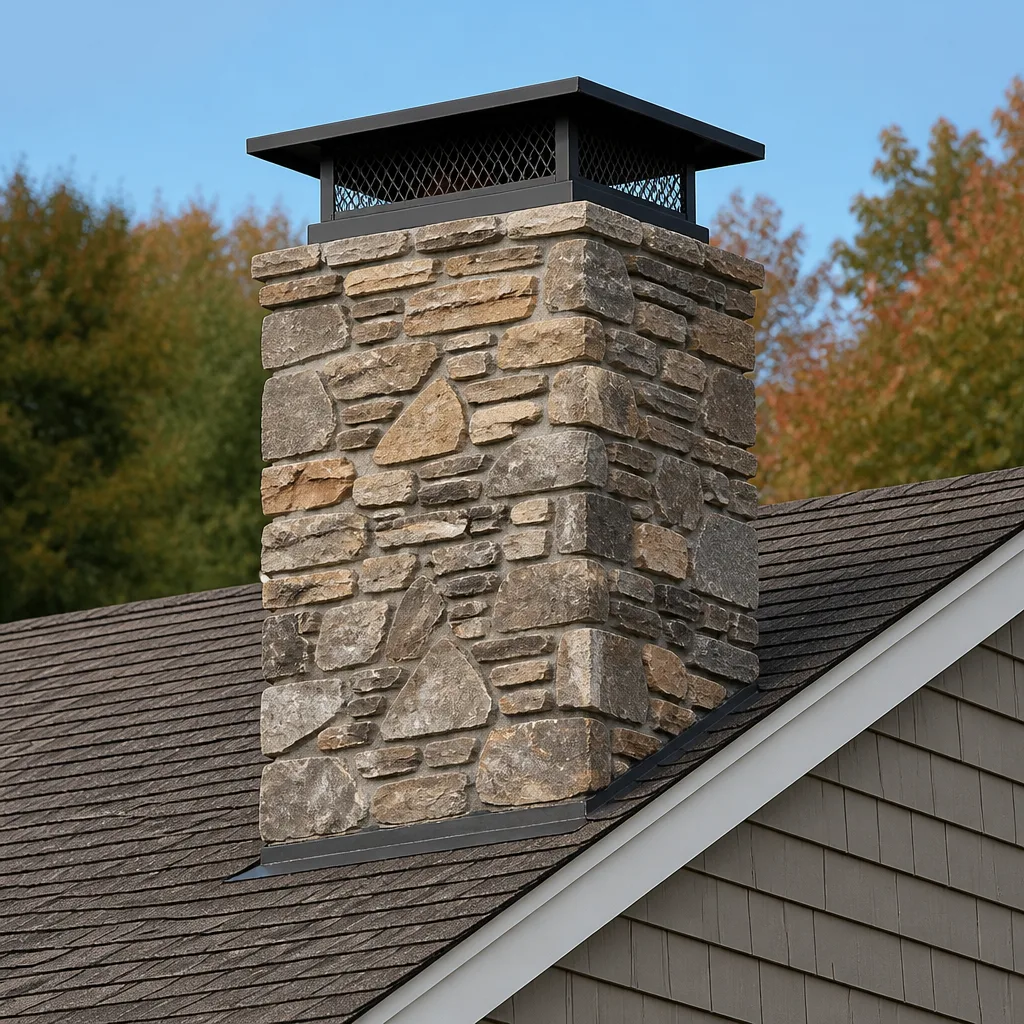 Caps & crowns
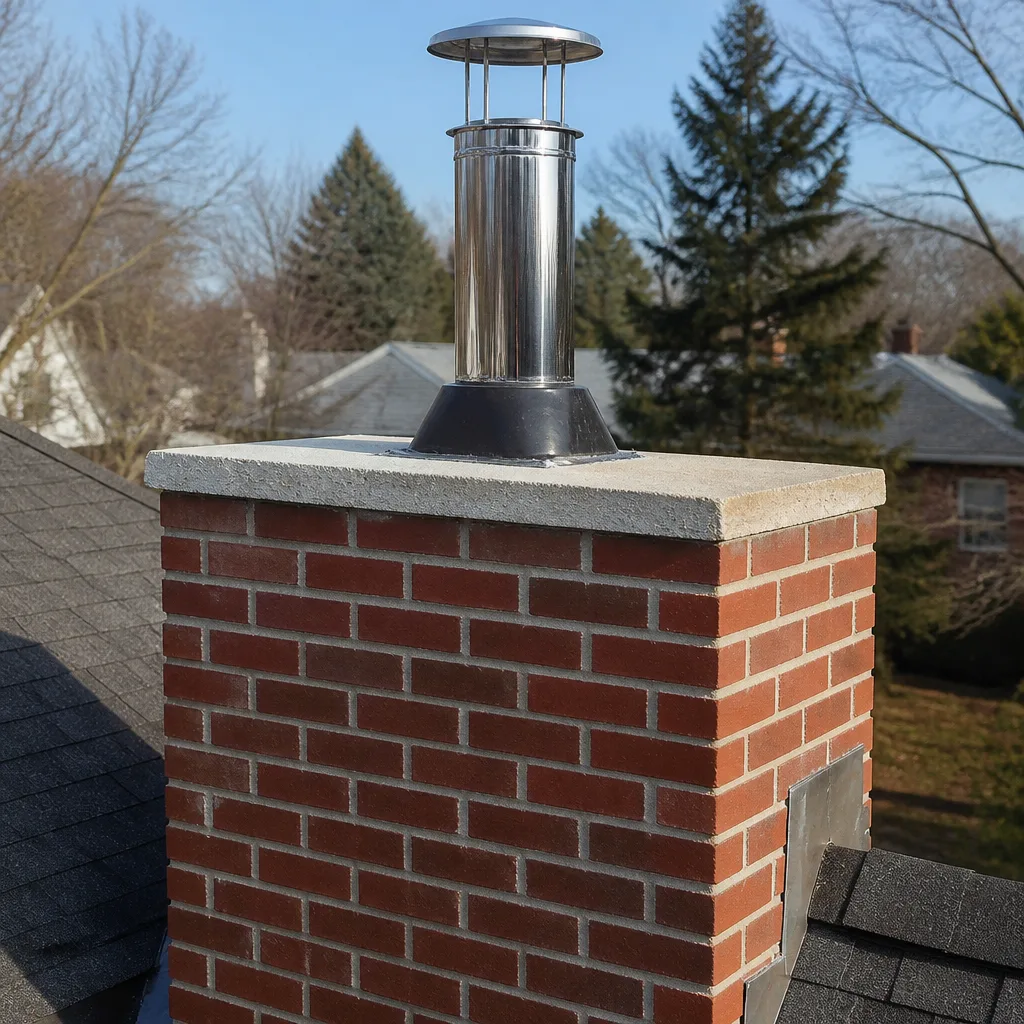 Flue relining
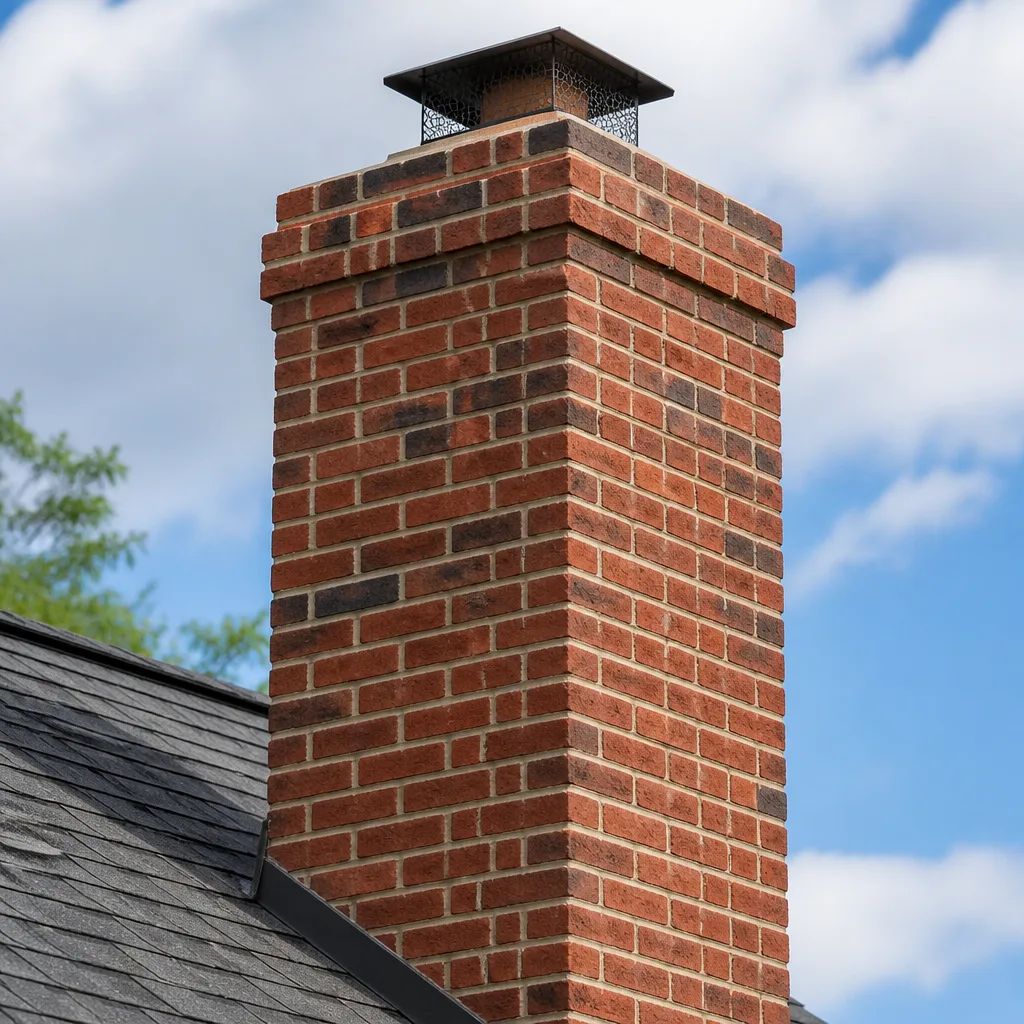 Masonry repair
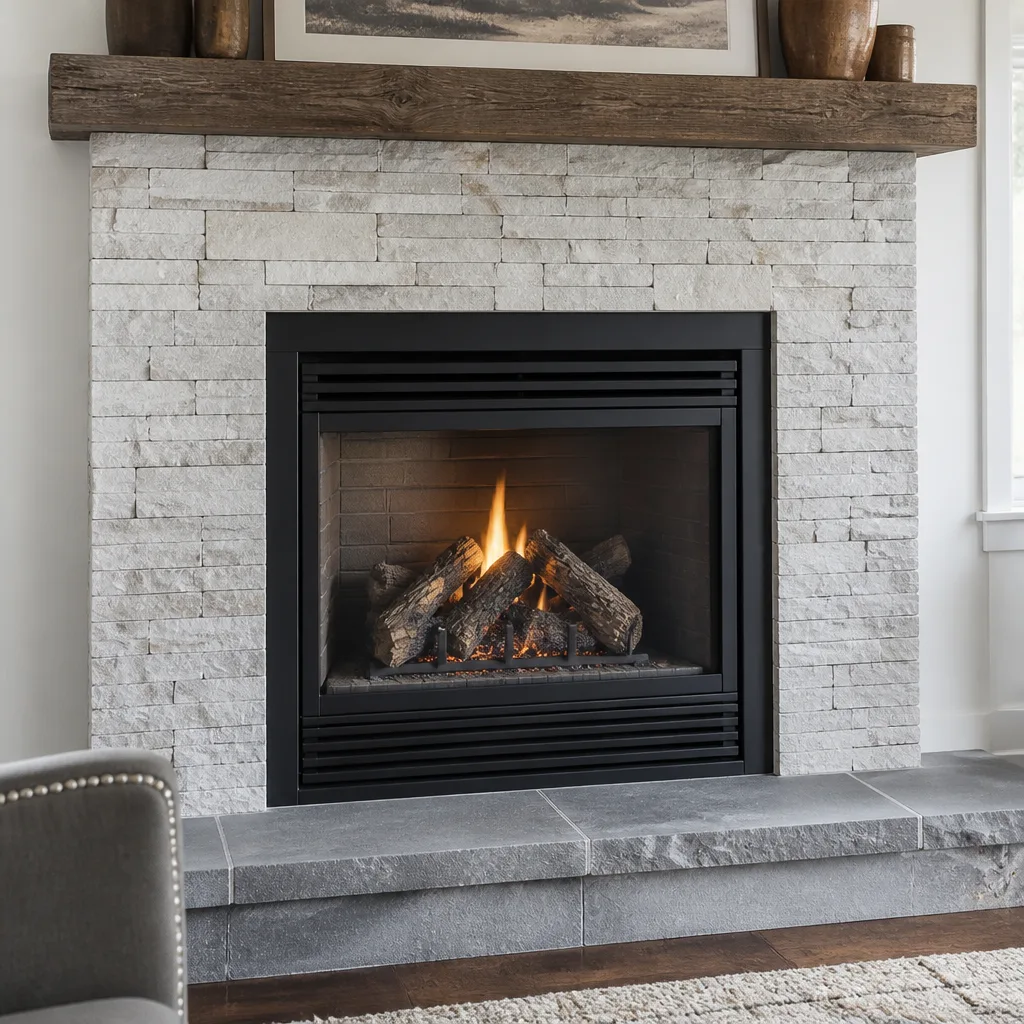 Gas fireplace service
Level 1 sweep and inspection to the NFPA 211 annual standard - flue, crown, cap, and flashing checked and photographed
Chimney sweep logs do not sweep chimneys. They loosen some creosote - which then falls where a brush and vacuum still have to collect it.
The Complete Guide to Chimney Cleaning in Pittsburgh
Most Pittsburgh homes were built when coal was the primary fuel. If your chimney was later converted to gas or wood without a liner evaluation, it was almost certainly undersized for its new job, and nobody may have told you. That single fact explains more chimney problems in this city than any other: flues built for coal smoke handling a fuel they were never sized for. Add Pittsburgh’s freeze-thaw winters and humid summers, and you get masonry and creosote conditions that generic chimney advice doesn’t touch. This guide treats Pittsburgh chimneys as the specific mechanical systems they are. By the end, you’ll know what a real inspection involves, how to read the report, what creosote stages mean for your flue, and when repair actually beats replacement.
Quick Answer
Chimney cleaning in Pittsburgh means sweeping creosote from the flue, then inspecting the full system to catch the liner and masonry problems that freeze-thaw winters accelerate here. A proper service pairs sweeping with at least a Level 2 inspection so you know the condition of your liner, not just the inside of the firebox. Most wood-burning flues need sweeping once a year or after roughly a cord of wood, and gas-converted chimneys need an inspection even though they produce little visible soot.
Styles & brands we work with
- Sweep & inspection
- Caps & crowns
- Flue relining
- Masonry repair
- Gas fireplace service
Table of Contents
- Why Pittsburgh’s Climate Is Hard on Chimneys
- The Coal-to-Gas Conversion Problem
- Creosote Stages 1, 2, and 3: What Pittsburgh Homeowners Should Know
- What a Level 2 Inspection Actually Involves
- How to Read a Chimney Inspection Report
- What a Professional Sweep Involves, Step by Step
- Repair Options: When Restoration Beats Replacement
- How Often Should You Schedule Cleaning in Pittsburgh?
Why Pittsburgh’s Climate Is Hard on Chimneys
Pittsburgh’s freeze-thaw cycle is the quiet engine behind most masonry failure here. Through an average winter, the region cycles above and below freezing more than 40 times. Every one of those cycles pulls moisture into the mortar joints around your chimney’s brickwork and then freezes it, expanding and cracking the joint a little more each time. Chimneys in drier climates age far more slowly because their mortar doesn’t get that repeated freeze-expansion stress.
The humid summers compound it. Brick and mortar absorb moisture from humid air, and when the first hard freeze arrives, that moisture is already inside the masonry. By the time a homeowner notices spalling brick or crumbling mortar at the crown, several winters of damage have already accumulated.
What this means practically for Pittsburgh chimney owners:
- Mortar joints fail faster here than in most of the country, so annual inspection catches erosion before a crown rebuild becomes necessary.
- The chimney crown and flashing are the first line of defense. A cracked crown lets water straight into the flue. Famco and Copperfield caps and flashing components protect the system between service visits.
- Spring is the smart time to inspect. Freeze damage from the winter shows clearly, and repairs can be scheduled before the next heating season.
- Chimneys on older Pittsburgh homes in neighborhoods like Dormont, Brookline, and Mount Washington often have decades of accumulated mortar erosion that a single inspection will map out.
The point isn’t that every old chimney needs work. It’s that Pittsburgh’s climate gives masonry a workout most chimney guides ignore, so the inspection needs to actually look at the joints and crown, not just the flue interior.
The Coal-to-Gas Conversion Problem
If your home was built before the mid-twentieth century, its chimney was designed for coal. Many Pittsburgh homes later switched to gas heat or wood-burning inserts, and here’s the problem: a flue sized for coal rarely suits the new fuel. Coal-fired chimneys were built as large, tall flues that could handle the high volume of coal smoke and combustion byproducts. Gas appliances produce far less exhaust, and a flue that’s oversized for the appliance cools that exhaust before it exits the top, which can allow acidic condensation to form on the liner and can allow exhaust to spill back rather than draft up and out.
Wood-burning inserts create a different mismatch. A large old flue lets a wood fire run cold and draft poorly, which is a creosote factory. Many conversions were done without any liner evaluation at all.
For Pittsburgh homeowners, that means any of these situations deserves a professional inspection before the flue is used:
- A gas furnace, water heater, or boiler vented into a chimney originally built for coal.
- A wood stove or insert installed into an oversized coal-era flue with no liner sized for the appliance.
- A fireplace that has never been inspected since the house changed fuels.
- Any chimney where the appliance was replaced but the flue wasn’t reviewed.
A properly sized, correctly connected liner is the fix in most cases, and a professional supply brand like DuraFlex flexible liner systems is designed for exactly this retooling. Carbon monoxide risk is highest in an improperly vented gas conversion, which is why an inspection of the full venting path matters more than a quick flue sweep.
Creosote Stages 1, 2, and 3: What Pittsburgh Homeowners Should Know
Creosote is the residue left behind when wood smoke cools on the flue walls, and it comes in three stages. Stage 1 is a loose, flaky soot that brushes off easily. Stage 2 is a hard, shiny, glazed deposit that’s bonded to the flue wall and doesn’t come off with a standard brush. Stage 3 is a thick, concentrated, puffy glaze that’s the most dangerous to burn. In most wood-burning Pittsburgh homes, stage 2 is the most common and the most underestimated, because it looks like a clean flue surface until a professional inspects it closely.
Why stage 2 matters so much here: Pittsburgh winters encourage long, smoldering fires in cold chimney runs, and cool flue walls from oversized or unlined flues let smoke deposit as glaze rather than pass harmlessly up and out. Stage 2 creosote is the deposit most likely to ignite. It’s also the stage homeowners misread because it doesn’t look like soot.
What to know for each stage:
- Stage 1 is what routine sweeping handles quickly. Annual sweeping keeps this from progressing.
- Stage 2 usually needs specialized sweeping and, depending on the extent, a chemical or rotary treatment to break down the glaze before it can be removed.
- Stage 3 is a serious issue that calls for a chimney professional before any more fires. It signals a flue that has gotten too hot or run too cold for too long, and it’s a real fire risk.
Most Pittsburgh wood-burning flues land somewhere in stage 2 territory if they’ve gone more than a heating season without service. That’s why a one-time sweep the first year and an honest assessment of the liner go together.
What a Level 2 Inspection Actually Involves
A Level 2 inspection is the standard most chimney professionals recommend for a home sale, a chimney change, or a system that’s never been fully assessed. Most sweep-only crews offer a visual check of the firebox and flue from the bottom. A Level 2 inspection goes further: it includes a camera crawl of the flue from top to bottom, an examination of accessible portions of the chimney exterior and interior, and a look at the attic, crawl spaces, and adjoining spaces where the chimney passes through.
In our experience, that camera crawl is where the real information comes from. A visual check from the bottom can’t see a cracked flue tile halfway up, a liner that’s cracked behind brick, or a terra cotta tile that’s shifted out of alignment. A Level 2 inspection can.
What a Level 2 inspection covers:
- Flue interior scanned with a chimney camera, top to bottom.
- Chimney exterior, including crown, flashing, mortar joints, and any visible brick condition.
- Firebox, damper, smoke chamber, and smoke shelf.
- Accessible portions of the chimney in the attic and any space where it passes through the building envelope.
- Venting connections and appliance tie-ins for gas and wood systems.
- A written report documenting findings.
If you’ve deferred maintenance for years or moved into a home whose chimney history is unknown, this is the inspection to ask for. It’s the difference between “the flue is clear” and “here’s the actual condition of the whole system.”
You can schedule this alongside a standard chimney sweep, which handles the cleaning side of the visit.
How to Read a Chimney Inspection Report
An inspection report is only useful if you can understand it without the contractor standing next to you. The good ones follow a simple structure: condition of each component, a severity rating, and a recommended action with a priority level. If your report doesn’t separate “this needs attention now” from “this should be watched,” ask for it to be redone.
Read a report in this order:
- Photographic evidence first. A real inspection report includes photos of what the camera found. If a recommendation of thousands of dollars in liner or masonry work comes without photos, ask to see the evidence before you agree to anything.
- The severity rating on each item. “Monitor” means it’s holding for now and should be re-checked. “Repair” means it’s at the point where waiting risks bigger damage. “Safety issue” means don’t burn until it’s addressed.
- Whether the recommendation matches the photo. A cracked flue tile photo should be followed by a repair option, not automatically a full reline.
- The recommended action and the alternative. A fair report offers the restoration option and the replacement option with the reasoning for each.
Good practice in our book is to recommend nothing without camera evidence you can see for yourself, and to say plainly when work can safely wait. If your report reads like a list of everything that’s wrong with a big price tag at the bottom, that’s a signal, not a service. Honest inspection-first work answers the real question: what’s actually wrong, what should be watched, and what can wait.
What a Professional Sweep Involves, Step by Step
A professional sweep is more involved than running a brush up the flue. In Pittsburgh, the process typically follows a defined sequence, and knowing what to expect helps you tell a thorough visit from a quick one.
- Setup and protection. Drop cloths and a sealed work area keep soot out of your living space.
- Firebox and damper check. The damper is tested and the firebox and smoke chamber are examined before sweeping.
- Flue sweeping. The flue is swept from the top or bottom depending on the chimney’s construction, with the brush sized for the flue.
- Debris removal. The soot and creosote are bagged and removed, not left in the firebox.
- Creosote assessment. The sweep identifies which creosote stage is present and whether the residue came off completely.
- Post-sweep check. The flue and damper are checked again, and the technician records what was found.
In a proper visit, sweeping pairs with inspection. That combination is the core of what a full-service chimney repair relationship should look like, because the same contractor who finds a problem can fix it instead of handing off to someone else. Liner issues, mortar joint erosion, and crown damage all show up during a sweep, and a company with repair capabilities can address them in one engagement instead of two.
Repair Options: When Restoration Beats Replacement
Liner wall damage doesn’t always mean a full reline. When the flue tiles are intact but the mortar joints between them have eroded, ceramic resurfacing can restore the joint instead of replacing the whole liner. HeatShield is the ceramic resurfacing material specified for this kind of work, and it addresses deteriorating mortar joints and liner damage without mandating full liner replacement. That’s a meaningfully more cost-effective option than a full reline, and it’s not something a sweep-only crew can offer.
When the liner itself is cracked, shifted, or missing, though, structural relining is the right step, and DuraFlex flexible liner systems are built for that scope. The key is the distinction:
- Restoration works when the flue tiles are sound and the joints are the problem.
- Replacement is necessary when the tiles themselves are cracked, displaced, or gone.
- Either way, the decision follows the inspection evidence, not a default “you need a liner” response.
Mortar on the chimney exterior is another repair category, and it pays to address it before freeze-thaw damage has more to attack. Copperfield and Famco components handle caps and flashing so the chimney system stays protected between service visits. Working with professional supply brands, not big-box substitutes, matters for liner and restoration materials because these are the components that will be sealing your flue for the next twenty years or more.
If you’ve got a report in hand and you’re not sure whether you’re looking at restoration or replacement, bring it to us and we’ll look at the same photos with you.
How Often Should You Schedule Cleaning in Pittsburgh?
For most wood-burning Pittsburgh households, one sweep per year or after every cord of wood, whichever comes first, is the working rule. That’s the frequency most industry guidance settles on, and it fits Pittsburgh’s long heating season. Gas appliance venting needs an inspection at least annually even though soot output is low, because the risks are condensation and improper drafting rather than creosote.
Situations that call for more frequent checks:
- You burn a lot of wood. More than a cord a season pushes you toward a mid-season check.
- Your fire burns cold or the draft is poor. That’s a sign of an oversized flue and rapid stage 2 build-up.
- You’ve moved into an unknown chimney. A Level 2 inspection comes first, then a regular schedule.
- You’ve made any change to the appliance, such as adding an insert or switching fuels.
There’s no substitute for a professional eye on the flue each year, and the seasonal urgency here is about burning season rather than a rush call. Book the sweep before the first cold stretch of the year in Pittsburgh, or before the spring thaw so any freeze damage surfaces while repairs can be scheduled.
Common Mistakes to Avoid
- Relying on a bottom-only visual check. A firebox glance says nothing about a cracked tile halfway up the flue. Nearly every hidden liner problem in a Pittsburgh chimney is above the bottom’s line of sight.
- Burning through stage 2 creosote without a professional assessment. Stage 2 glaze doesn’t look dangerous, which makes it easy to ignore. It’s the stage most likely to ignite.
- Assuming an oversized flue is fine because it drafts. A large coal-era flue can draw just enough to function while steadily producing creosote from cool smoke.
- Skipping the inspection because the flue looks clean after a sweep. Sweeping removes residue; it doesn’t assess the liner’s structural condition. The inspection is where safety answers live.
- Accepting a full-reline recommendation without seeing photos. Ceramic resurfacing exists specifically for sound-tile, damaged-joint cases. A report that skips straight to replacement should offer evidence.
- Letting a chipped crown or cracked mortar go a second winter. Pittsburgh’s freeze-thaw cycles take a small opening and widen it every freezing night.
- Trusting a converted gas vent to a coal-sized flue without a liner evaluation. This is the most common silent venting mismatch in older homes across the city.
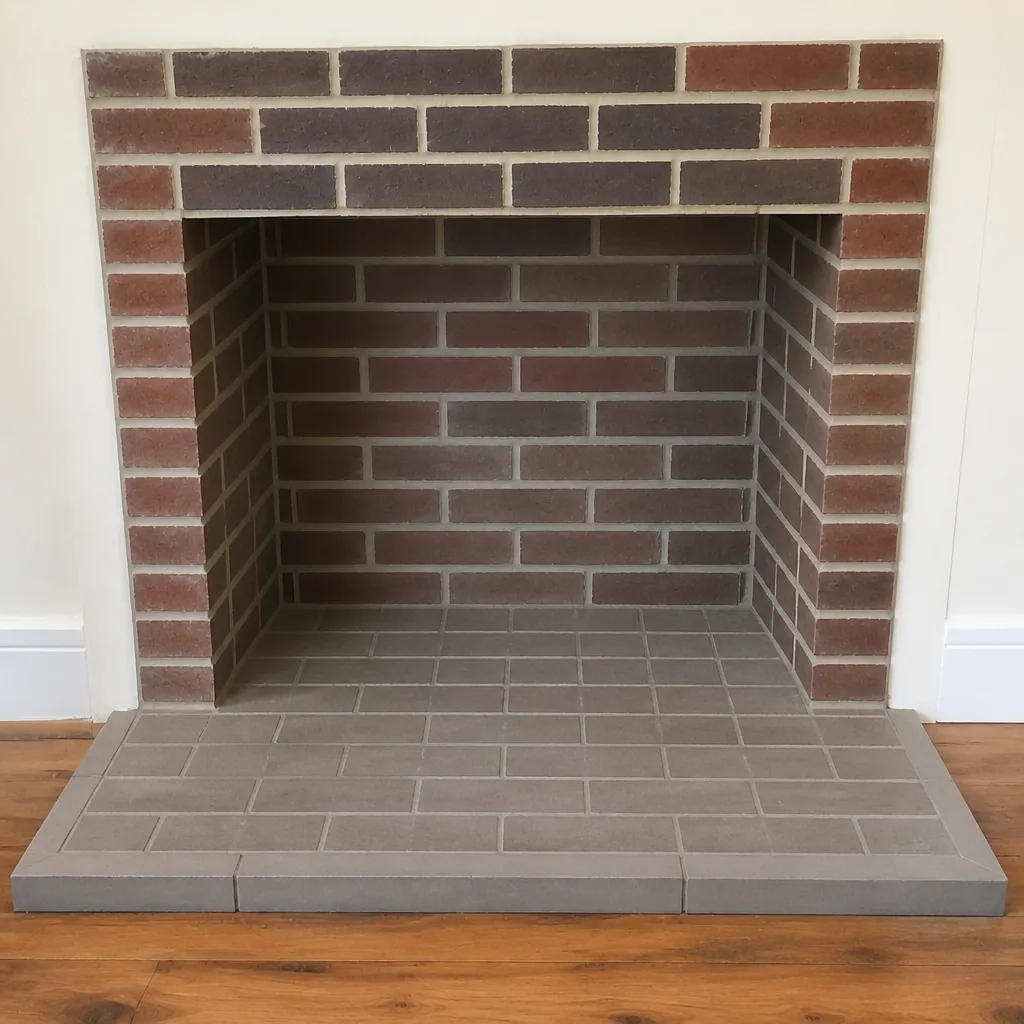
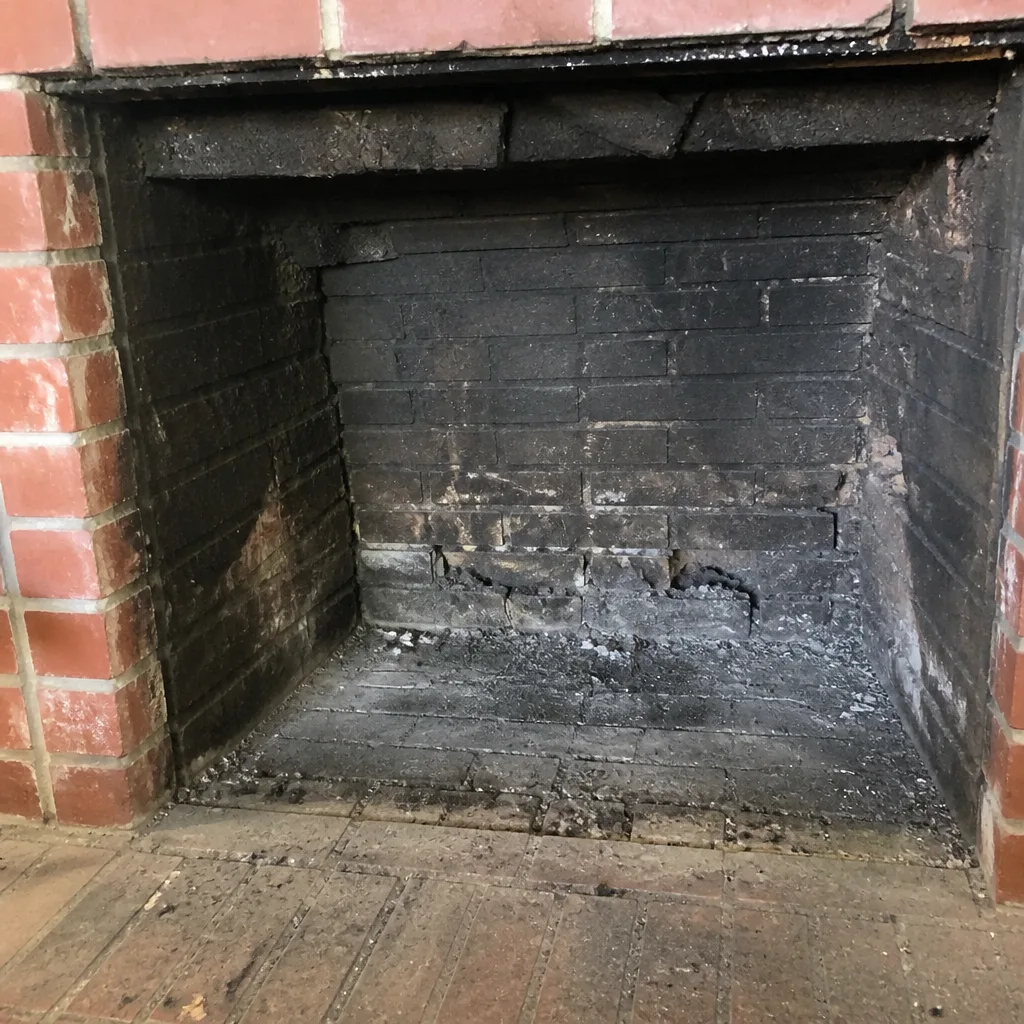
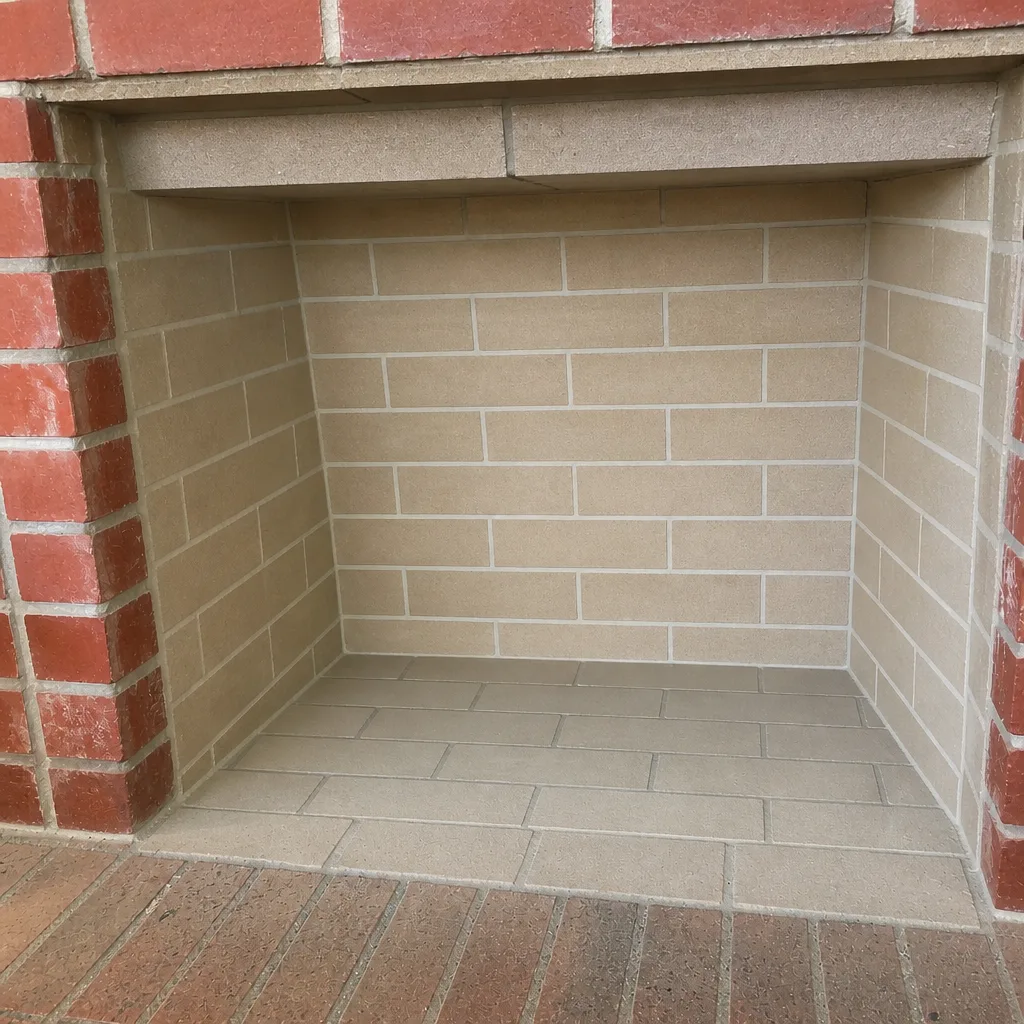
See the difference
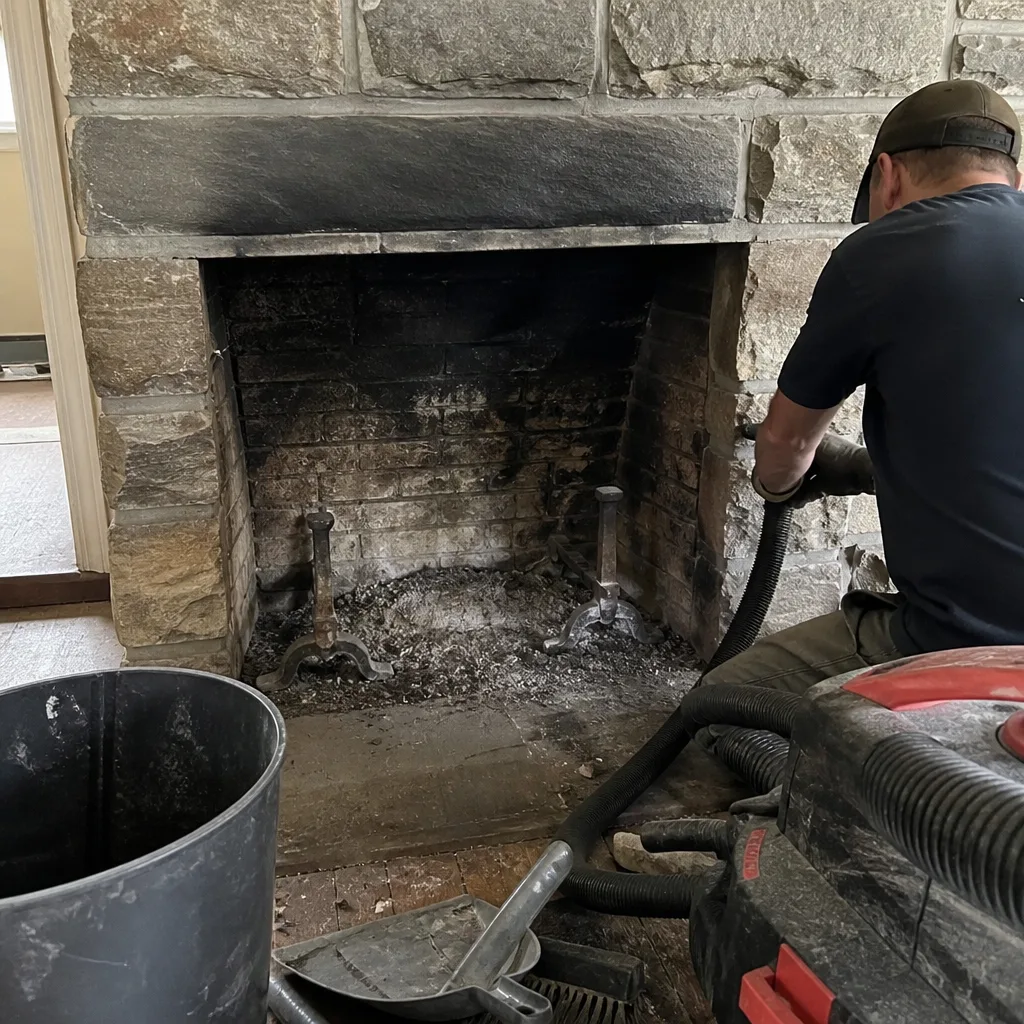 Before
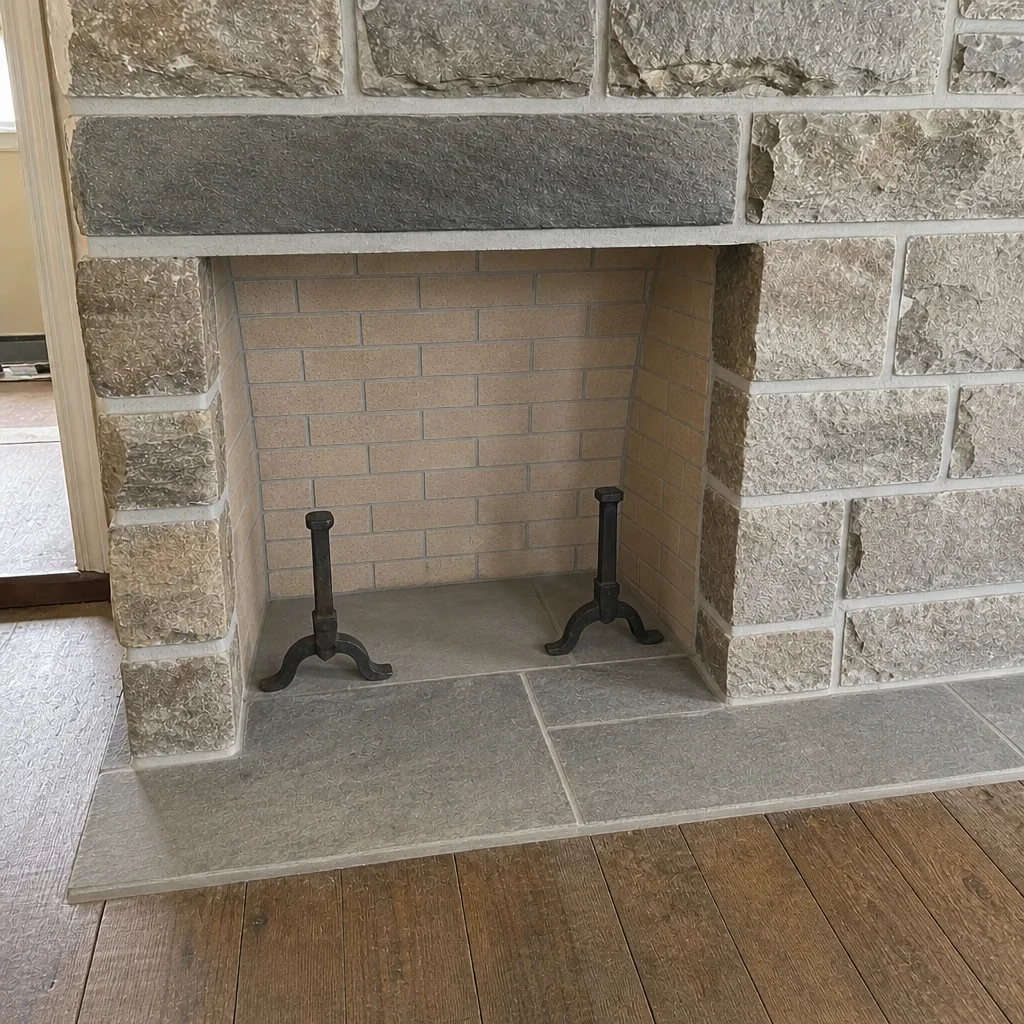 After
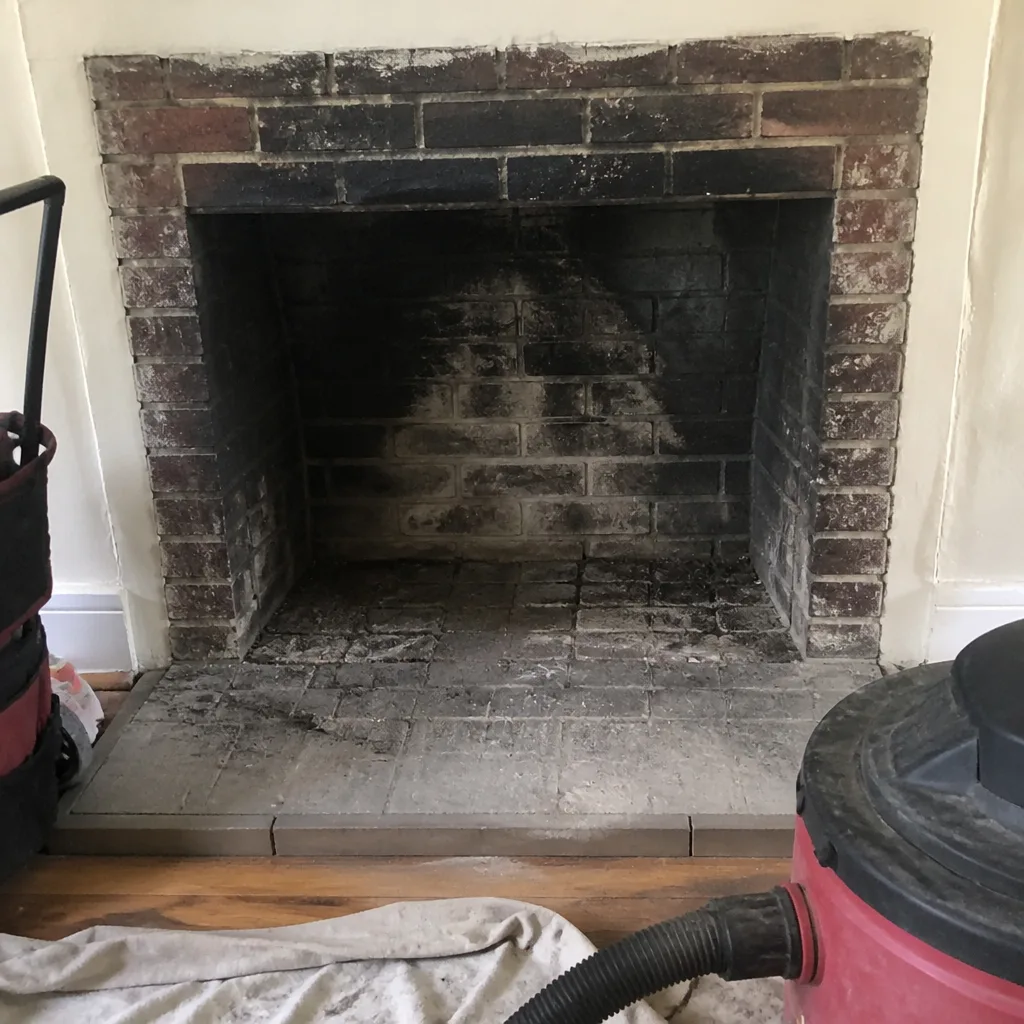 Before
 After
 Before
 After
When to Call a Professional
Call a chimney professional when you’ve never inspected the flue since moving in, when the chimney has changed fuels without a liner review, when a fire smokes into the room or drafts poorly, when you can see glazed creosote on the flue wall, or when you hear a roaring chimney fire. Also call when a chipped crown, crumbling mortar, or cracked brick shows up on the exterior, and before you buy a home with a wood-burning system that hasn’t been inspected. These are the moments where an inspection-first relationship saves you money later. Pittsburgh Chimney Cleaning offers free estimates in Pittsburgh. Call (844) 761-5636.
Frequently Asked Questions
Most chimney sweeps in Pittsburgh charge a flat-price sweep agreed before booking, and it’s typically bundled with a basic inspection. The written estimate sets the final price, so there are no surprises after the work. Call (844) 761-5636 for an exact quote; estimates are free.
Once a year or after every cord of wood, whichever comes first, for most wood-burning homes in Pittsburgh. Gas appliance venting needs an annual inspection even with minimal soot. If the draft is poor or the fire burns cold, check more often. Call (844) 761-5636 to book a sweep and get a clear picture of your flue’s actual condition.
Not always. If the flue tiles are sound and the damage is at the mortar joints, ceramic resurfacing can restore the joint without full replacement. A liner is the right call when the tiles themselves are cracked or displaced. Nothing should be recommended without camera evidence you can see for yourself, so ask to see the photos. Call (844) 761-5636 and we’ll walk through the report with you, and estimates are free.
Creosote builds up in stages, and the hard stage 2 glaze that accumulates in cool, oversized, or unlined flues is the deposit most likely to ignite. Carbon monoxide risk also rises in gas-converted chimneys whose flue wasn’t sized for the appliance. The safe move is an inspection to see what’s actually there. Call (844) 761-5636 for a free estimate.
Sweeping removes soot and creosote from the flue; inspection assesses the liner, masonry, crown, and venting for structural condition. A Level 2 inspection includes a camera crawl of the full flue and checks of accessible interior spaces. We pair the two in a single visit so you get both cleaning and answers.
You can keep the firebox clean, but you shouldn’t judge the liner’s safety without a professional inspection. A camera cannot see behind a firebox or up a flue on its own, and stage 2 creosote doesn’t come off with a homeowner-grade brush. A professional sweep in Pittsburgh is the safer, more reliable route.
The Bottom Line
A Pittsburgh chimney is a mechanical system shaped by climate, fuel history, and how the house was heated long before you moved in. Freeze-thaw winters erode masonry here faster than in drier places, coal-era flues were sized for a fuel most homes no longer burn, and stage 2 creosote is the quiet resident in most wood-burning flues that have gone more than a season without service. The answer to all three is the same: start with an inspection, understand what the camera actually shows, and fix only what needs fixing. Restoration before replacement when the tiles allow it. One contractor from sweep through repair, so nothing gets misdiagnosed on a handoff. Pittsburgh Chimney Cleaning offers free estimates in Pittsburgh, and you can reach us at (844) 761-5636. We answer 24/7. Fast dispatch from 7am to 7pm, Sunday through Friday. For the full range of what we do, start with Pittsburgh Chimney Cleaning.
Written by the team at Pittsburgh Chimney Cleaning.