
Last updated November 15, 2026
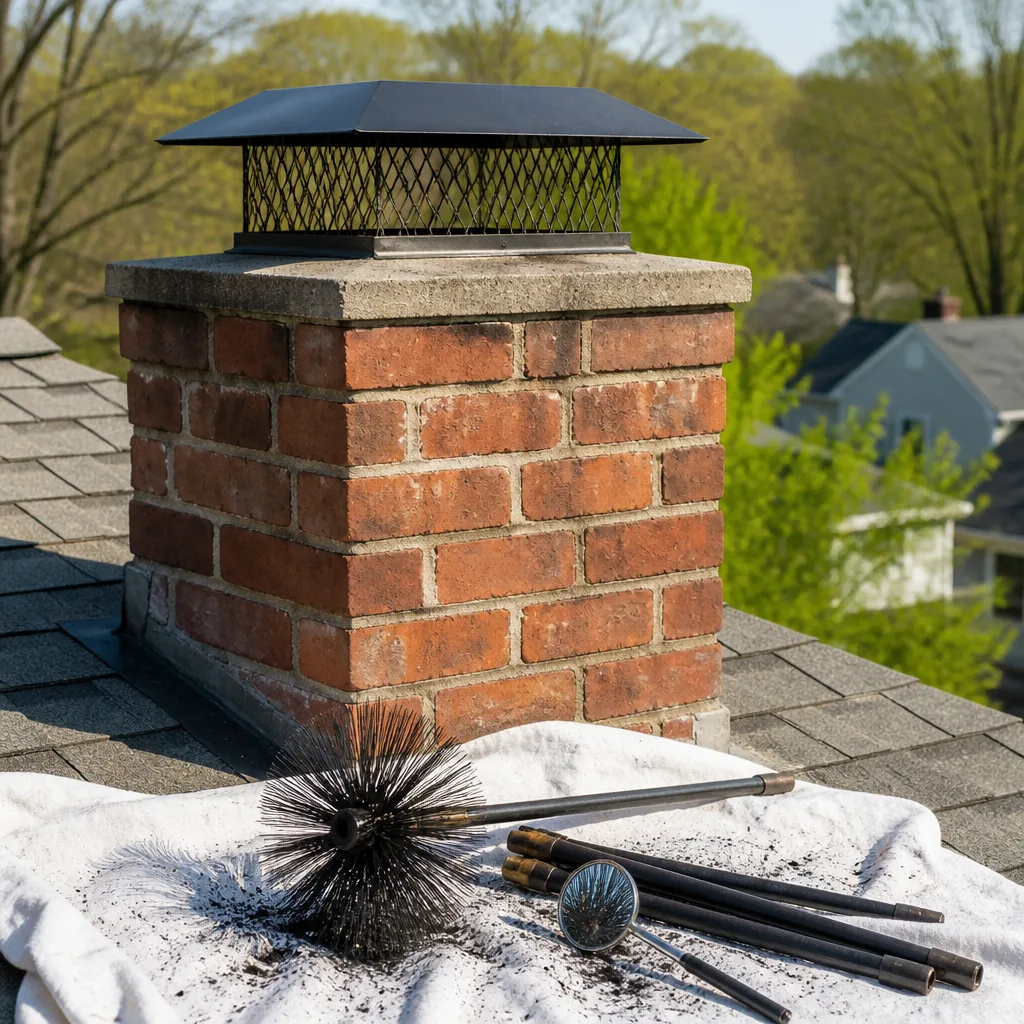 Sweep & inspection
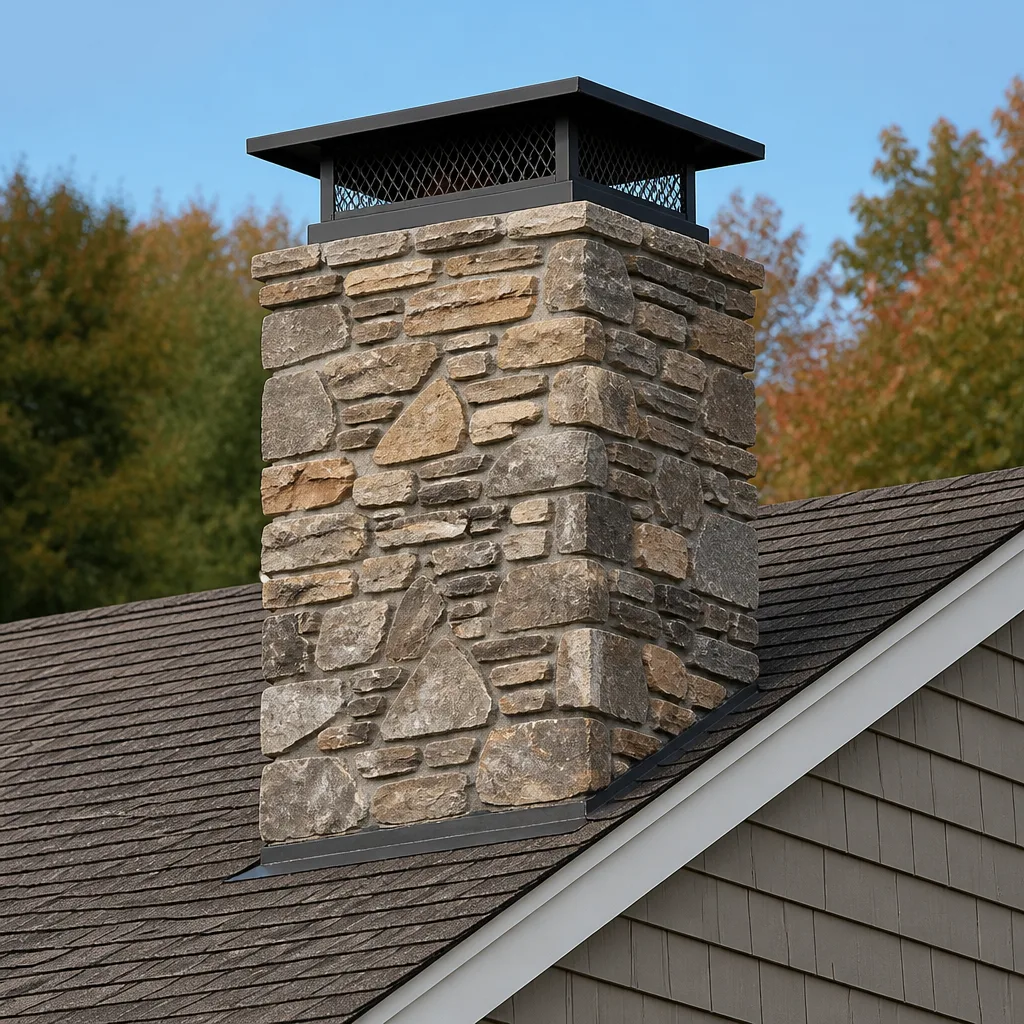 Caps & crowns
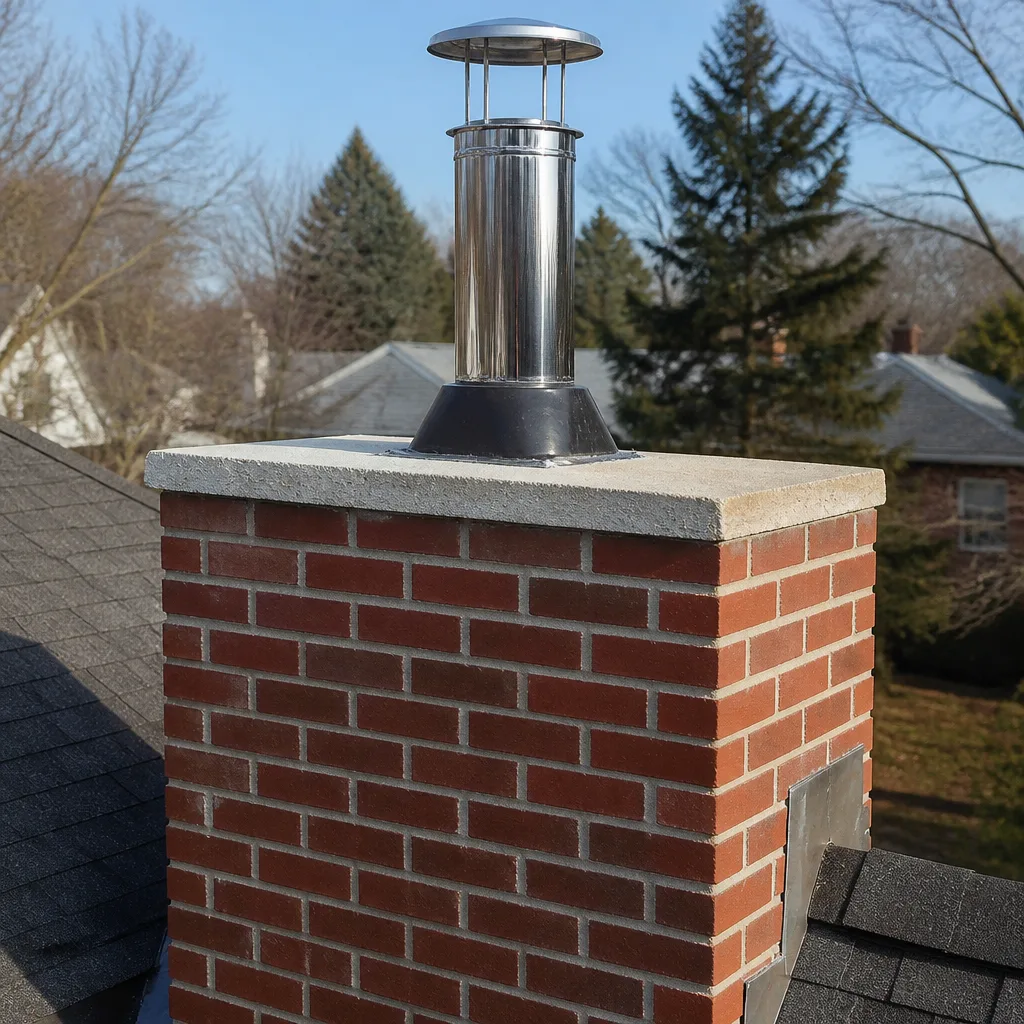 Flue relining
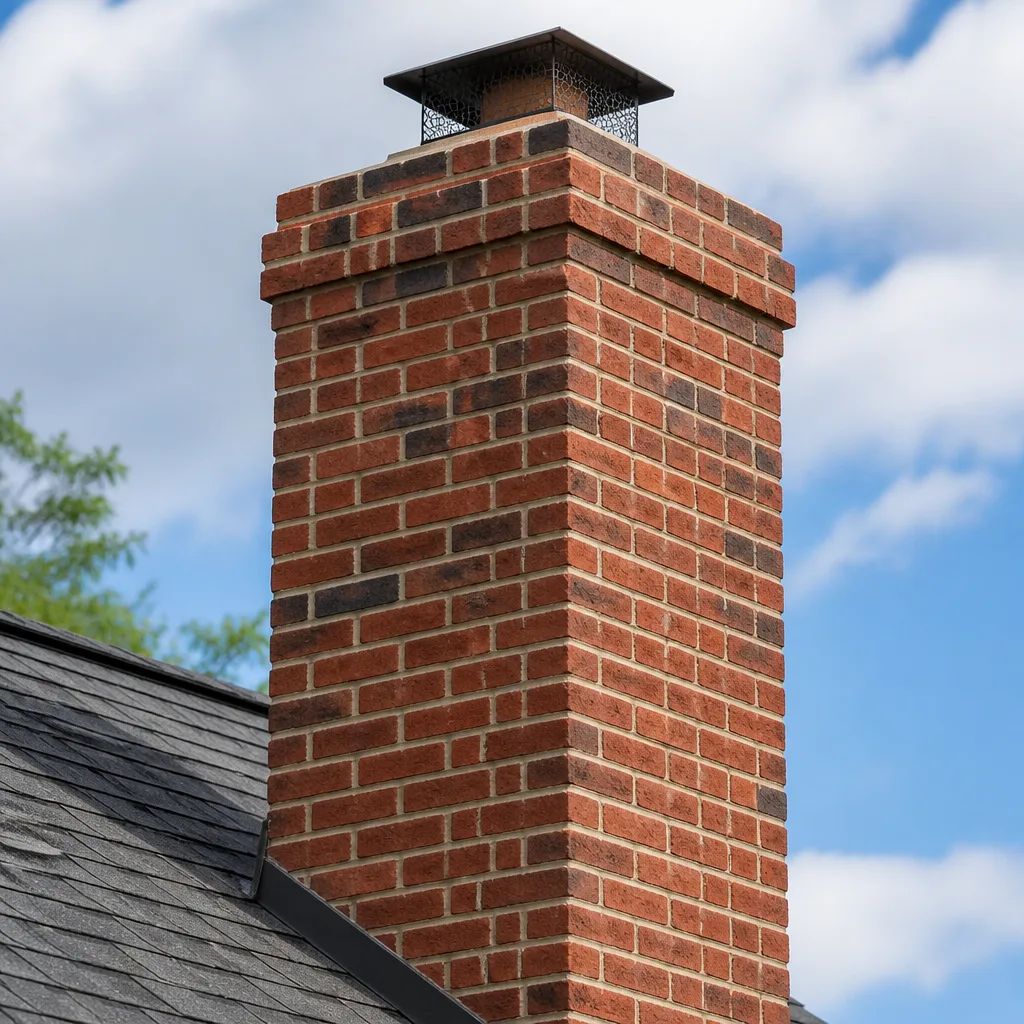 Masonry repair
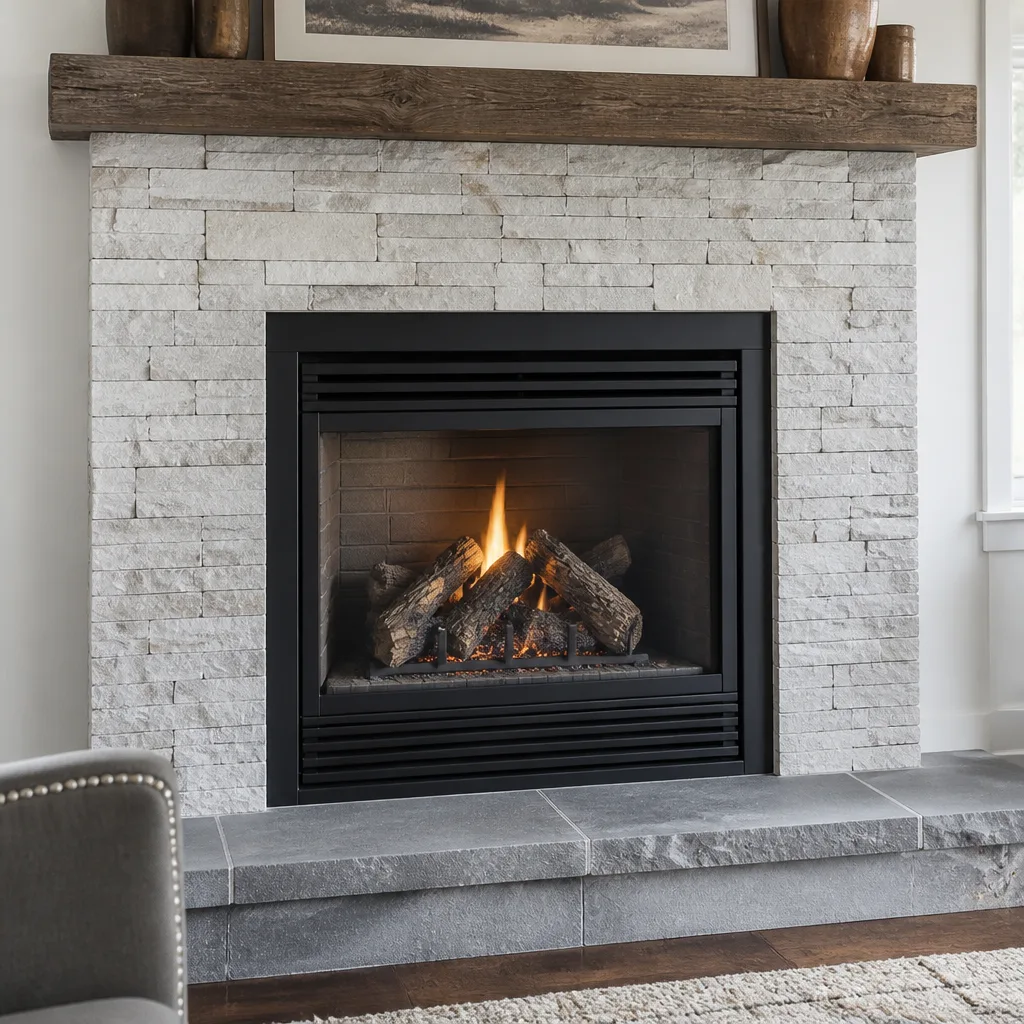 Gas fireplace service
Level 1 sweep and inspection to the NFPA 211 annual standard - flue, crown, cap, and flashing checked and photographed
Chimney sweep logs do not sweep chimneys. They loosen some creosote - which then falls where a brush and vacuum still have to collect it.
DIY vs Professional Chimney Cleaning: The Pittsburgh Homeowner’s Decision Guide
Chimney brush kits sit on hardware store shelves because sweeping removes soot, and soot is the part you can see. What those kits don’t tell you is that the tile liner section hidden behind the smoke chamber can delaminate, and that failing tile, not the soot, is often the actual fire risk in houses built before 1980. That category covers most of Pittsburgh. This guide lays out exactly what a homeowner can safely do, what a rotary brush cannot detect, and how to decide which parts of chimney care belong to you and which belong to a professional. By the end you’ll understand Pittsburgh’s building stock, the tools that separate cleaning from inspection, and your real liability in Pennsylvania.
Quick Answer
A homeowner can physically brush soot from a flue, but DIY chimney cleaning cannot assess liner integrity, draft performance, or hidden creosote glazing, which is where most chimney fire risk actually lives in Pittsburgh’s older housing stock. Professional cleaning combines brushing with camera inspection and a written report, so cleaning and evaluation happen in the same visit. For a pre-1960 Pittsburgh home with original clay tile, that diagnostic piece matters more than the sweep itself.
Styles & brands we work with
- Sweep & inspection
- Caps & crowns
- Flue relining
- Masonry repair
- Gas fireplace service
Table of Contents
- What a Brush Removes vs. What It Can’t Detect
- Why Pittsburgh’s Building Stock Changes the Equation
- The Tools Professionals Use That You Don’t Have
- Pennsylvania Liability: Insurance and Documentation
- The One Task You Can Legitimately Do Yourself
- Cost Comparison: DIY vs Professional
- A Step-by-Step Decision Framework
- Common Mistakes to Avoid
What a Brush Removes vs. What It Can’t Detect
A rotary brush scours the flue walls and lifts soot and loose creosote. That’s a real job, and it matters. What a brush cannot do is evaluate the surface it just cleaned. A stiff rotary head passes over delaminated tile, cracked mortar joints, and glazed third-degree creosote without registering any of them. The flue looks and even smells cleaner. The structural problem underneath is untouched.
The distinction matters because cleaning and inspection are separate services in the industry, and the Chimney Safety Institute of America recognizes them that way, alongside repair, as the three pillars of chimney care. A brush is a cleaning tool. An inspection requires eyes on the flue interior and a trained judgment about what those eyes find.
Here’s a partial list of what a brush passes by:
- Spalled tile faces where the clay has flaked and started to shed, which exposes the mortar behind it.
- Glazed creosote that has hardened into a shell a rotary head can’t remove without chemical treatment or mechanical rotary cleaning with specific heads.
- Offset flues and smoke chamber geometry where draft stalls and the brush can’t reach cleanly.
- Gaps at the flue collar where the liner meets the appliance, a common spot for carbon monoxide migration.
- Crown cracks and cap damage that let water into the masonry, which is a much bigger problem in a freeze-thaw climate than in a mild one.
In our experience, the sweep itself is the easy part. The judgment about what the sweep revealed is where the value sits, and it’s the piece a homeowner can’t perform on their own flue because you can’t look up a chimney while you’re working a rod from below. If you want that judgment in one visit, our chimney sweep includes the inspection and a report you can keep.
Why Pittsburgh’s Building Stock Changes the Equation
Pittsburgh’s residential neighborhoods were largely built out before 1960, and a large share of those homes still carry their original clay tile liners. That date matters. Tile liners installed in mid-century construction are now past the typical service window their mortar joints were designed for, and mortar weakens with every heating season. A 1950s brick foursquare in Squirrel Hill, a rowhouse in Lawrenceville, a frame house in Brookline: each may have a tile liner that looks intact from the firebox and has begun to fail two-thirds of the way up.
Contrast that with a home built after 1980, which likely has a factory-built metal chimney with a stainless liner and tested clearances. Or a home where a previous owner installed a modern relining system. Those systems fail differently and less often. The risk profile isn’t the same, and neither is the inspection priority.
Add the climate. Pittsburgh’s freeze-thaw cycles are punishing on masonry. Water seeps into a hairline crown crack, freezes, expands, and widens the crack. Repeated across a decade of winters, a small breach becomes a path for water into the flue structure. That’s a slow process a homeowner can’t see from the ground and can’t halt with a brush. A chimney repair evaluation catches it early, often before the damage requires anything structural.
Creosote behaves differently here too. Wood stoves and fireplaces run hard during Pittsburgh’s long heating season, and cool flue temperatures at startup deposit creosote faster than steady burning does. A flue that gets swept every year still accumulates glazed creosote in a home where the burner cycles on and off through a damp autumn. That’s an inspection finding, not a sweeping one.
The Tools Professionals Use That You Don’t Have
Three tools separate a professional chimney inspection from a cleaning visit, and none of them are available at retail in a form a homeowner can use safely or read correctly.
Closed-Circuit Chimney Cameras
A camera on a rod or cable travels the full flue and returns live video of the liner surface, the smoke chamber, and the flue collar. The technician sees spalling, gaps, and joint failures the brush didn’t touch. That footage is also the evidence behind any recommendation you receive. Nothing gets recommended without a picture you can look at yourself, which is the single best defense against a contractor inventing work.
Draft Gauges
Draft is the pressure difference that pulls smoke up and out. A draft gauge measures it. A flue with adequate draft on paper can still spill smoke into a living space because of a geometry problem, a negative-pressure issue in the house, or a partially blocked flue. A gauge confirms the flue is drawing correctly after cleaning, which is a test you can’t approximate from the firebox.
Combustion Analyzers
For gas appliance venting and wood stoves, a combustion analyzer reads the exhaust. It finds carbon monoxide levels that a visual inspection would miss entirely. Carbon monoxide is odorless and colorless, and a venting problem that lets it back into a home is not a risk you can detect by smell or by feel.
These tools don’t make a professional better at brushing. They make cleaning part of an actual assessment. That’s why we treat the sweep, the inspection, and the repair decision as one accountable job rather than three handoffs. One contractor from sweep through repair means no conflicting opinions and no gap in the record. If you’re arranging your first service, start with Pittsburgh Chimney Cleaning and ask for the inspection to come with the sweep.
Pennsylvania Liability: Insurance and Documentation
A chimney fire that follows a documented professional inspection is a different insurance situation than one that follows years of self-cleaning with no records. Pennsylvania doesn’t require a homeowner to hire a sweep, but insurance carriers increasingly ask for proof of maintenance when a claim involves a chimney fire or a carbon monoxide event. That proof is a written inspection report, and it’s the document a DIY approach can’t produce.
Consider what happens if a fire does occur after a homeowner brushed the flue themselves. The insurer will ask when the chimney was last inspected, by whom, and what was found. Without a professional record, the honest answer is that no one qualified looked. In some cases that gap affects whether the claim is paid as expected, or how coverage is applied. We don’t tell homeowners how their specific policy will respond, because that’s a question for their carrier. But we can tell you the record is what carries the weight, and a professional inspection is how you build it.
Here’s what a defensible chimney record includes:
- A dated inspection report describing the liner, smoke chamber, crown, cap, flashing, and appliance connection.
- Photographs of the flue interior taken during the camera inspection.
- A written recommendation for any repair, with the evidence behind it.
- Sweep records showing the maintenance schedule and the condition found at each visit.
Keep these together. If you ever need to file a claim, having the file ready answers the carrier’s questions before they’re asked. Our technician experience runs up to 14 years, and the documentation standard we use is built so a homeowner has something to hand an adjuster. If you’re uncertain about your own records, a Pittsburgh inspection visit establishes a baseline you can maintain from there.
The One Task You Can Legitimately Do Yourself
There is exactly one part of chimney care a homeowner can safely perform, and it’s the exterior walk-around. You’re not climbing the roof or reaching into the firebox. You’re standing at ground level with binoculars and a phone camera, looking at the parts of the chimney exposed to weather.
Here’s how to do it and document what you find:
- Look at the cap and the crown. The cap sits over the flue opening to keep water and animals out. The crown is the sloped concrete or mortar surface that sheds water off the top of the chimney. Check for cracks, chips, and gaps.
- Check the flashing. Flashing is the metal that seals the chimney to the roof. Look for lifted edges, rust, or visible gaps where water can get behind it.
- Note the masonry joints. Missing or crumbling mortar around the brick is a sign water is getting in.
- Photograph each area from multiple angles and keep the images dated. Note anything that looks like a change from the last check.
- Compare year to year. A crack that was a hairline last year and is now a visible gap is a change worth reporting to a professional.
What you do with those photos matters. Don’t try to patch a crown or repoint mortar yourself. Document what you saw, and if anything looks off, get an inspection. The point of the walk-around is to catch a problem before it becomes structural, not to repair it. A small crown crack caught at ground-level inspection is a much smaller repair than a water-damaged smoke chamber found two winters later. For cap and crown components, Famco and Copperfield make the professional-grade parts we use when a repair is warranted.
Cost Comparison: DIY vs Professional
The honest comparison isn’t a brush kit versus a sweep. It’s a brush kit plus the risk of an undetected problem versus a professional visit that cleans and inspects in one trip. A DIY kit costs less up front. What it can’t tell you is whether your liner is failing, and that’s the question that determines whether your next expense is a repair or a fire claim.
Here’s what each path actually delivers:
- DIY brush kit: Soot removal from the flue walls. No assessment of liner integrity, no draft test, no combustion reading, no documentation, no insurance record.
- Professional sweep: Soot and creosote removal with the correct rotary heads, plus a full inspection with camera, draft gauge, and combustion analyzer as needed, plus a written photo report.
- Professional inspection alone: Camera and testing only, when you want an assessment without a full cleaning.
- Professional repair: Liner restoration or replacement, crown and flashing work, cap installation using professional-grade materials such as the DuraFlex flexible liner system when a full reline is the right call.
Pricing in Pittsburgh’s market varies by the size of the flue, the condition of what’s inside, and the access to the chimney. We price per job by written estimate, so you know the number before we start. The estimate is free. That’s the real comparison: a DIY brush saves the cleaning cost but leaves you with the same uncertainty about your liner you had before you started.
There’s a second cost hidden in DIY that doesn’t show on a receipt. A homeowner who cleans their own flue typically doesn’t know when the liner started to fail. That means the repair, when it does get made, is often larger than it would have been if caught at the first inspection. Restoration before replacement is always the goal, and it’s possible only if the failure is found early. HeatShield ceramic resurfacing can restore a deteriorating liner and its mortar joints without mandating a full replacement, but it works best when the damage is caught before it spreads through the masonry. The earlier the inspection, the wider your options.
A Step-by-Step Decision Framework
Here’s how to decide, in order, whether to clean your own flue or book a professional:
- Check the age of your home. If it was built before 1960 and still has its original clay tile liner, the inspection matters more than the sweep. Book a professional.
- Review your burning habits. If you burn often through the heating season, especially with cool or damp starts and cycles, assume glazed creosote is likely. A professional sweep with mechanical rotary heads handles what a brush can’t.
- Do the exterior walk-around. Photograph the cap, crown, flashing, and masonry joints. Note anything that’s changed since last year.
- Ask about your fire history. If you’ve ever heard a rumble or a roar from the flue, or seen puffs of smoke back into the room, get an inspection. Those are symptoms, not quirks.
- Check your documentation. If you don’t have a chimney report from the last few years, that’s the gap to close. Call and book an inspection.
- If you smell smoke indoors or have any carbon monoxide concern, stop using the appliance and call. Carbon monoxide risk is not something to investigate yourself. Leave ventilation and venting diagnostics to a trained technician.
Notice that step three is the only one a homeowner does alone. Everything else points toward a professional visit, because the underlying question, “is my liner safe,” requires eyes and tools you don’t have at home.
Common Mistakes to Avoid
- Assuming a clean flue is a safe flue. A brush can leave the firebox spotless while a delaminated tile behind the smoke chamber goes unnoticed. Cleanliness and integrity are two different questions.
- Climbing onto the roof to inspect or clean. Pittsburgh’s older homes often have steep, slate, or moss-covered roofs with uncertain footing. A fall is a serious injury. Stay on the ground and use binoculars.
- Using a chemical creosote remover without knowing what’s in the flue. Some products are designed for specific creosote types; applying the wrong one to glazed creosote can do little or cause problems. Have the flue assessed first.
- Skipping the exterior check. The crown and cap are the weather-facing parts of the chimney. In Pittsburgh’s freeze-thaw winters, a cracked crown is how water gets into the masonry. Photograph it every year.
- Relying on homeowner’s insurance without documentation. A carrier reviewing a chimney fire claim will ask for inspection records. A DIY schedule leaves that file empty.
- Treating a gas appliance vent like a wood flue. Gas venting has its own safety profile and carbon monoxide risk. Combustion analyzers exist for a reason; get that system checked by a professional.
- Putting off the first inspection because nothing seems wrong. Most liner failures don’t announce themselves. The first inspection is how you learn where you actually stand.
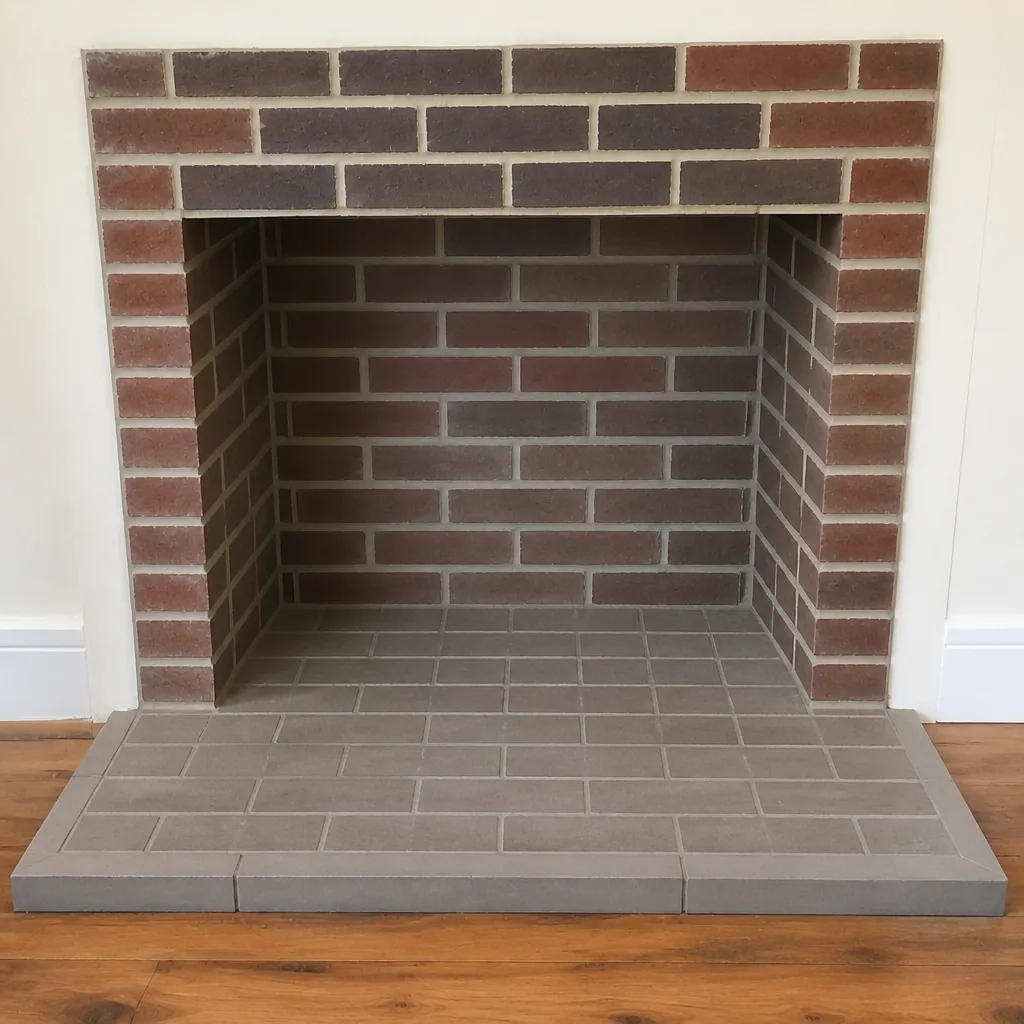
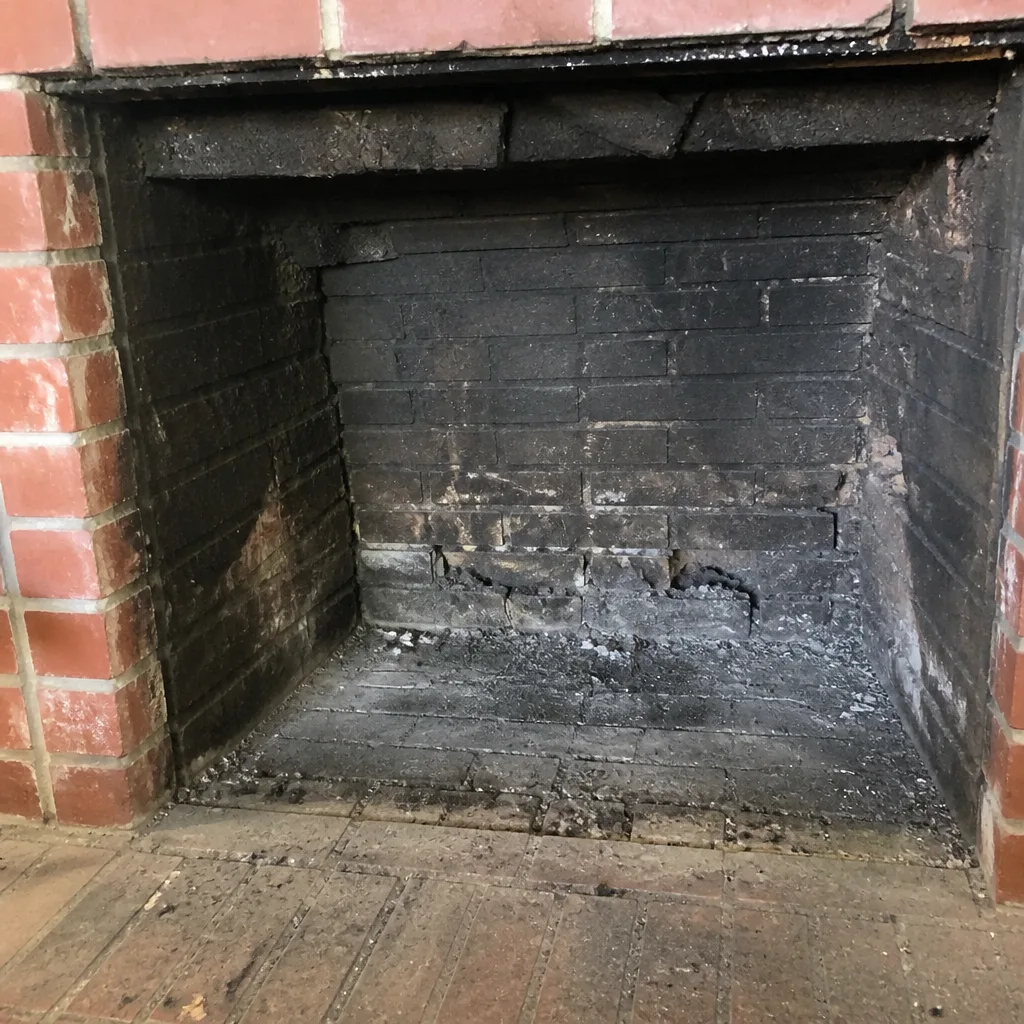
See the difference
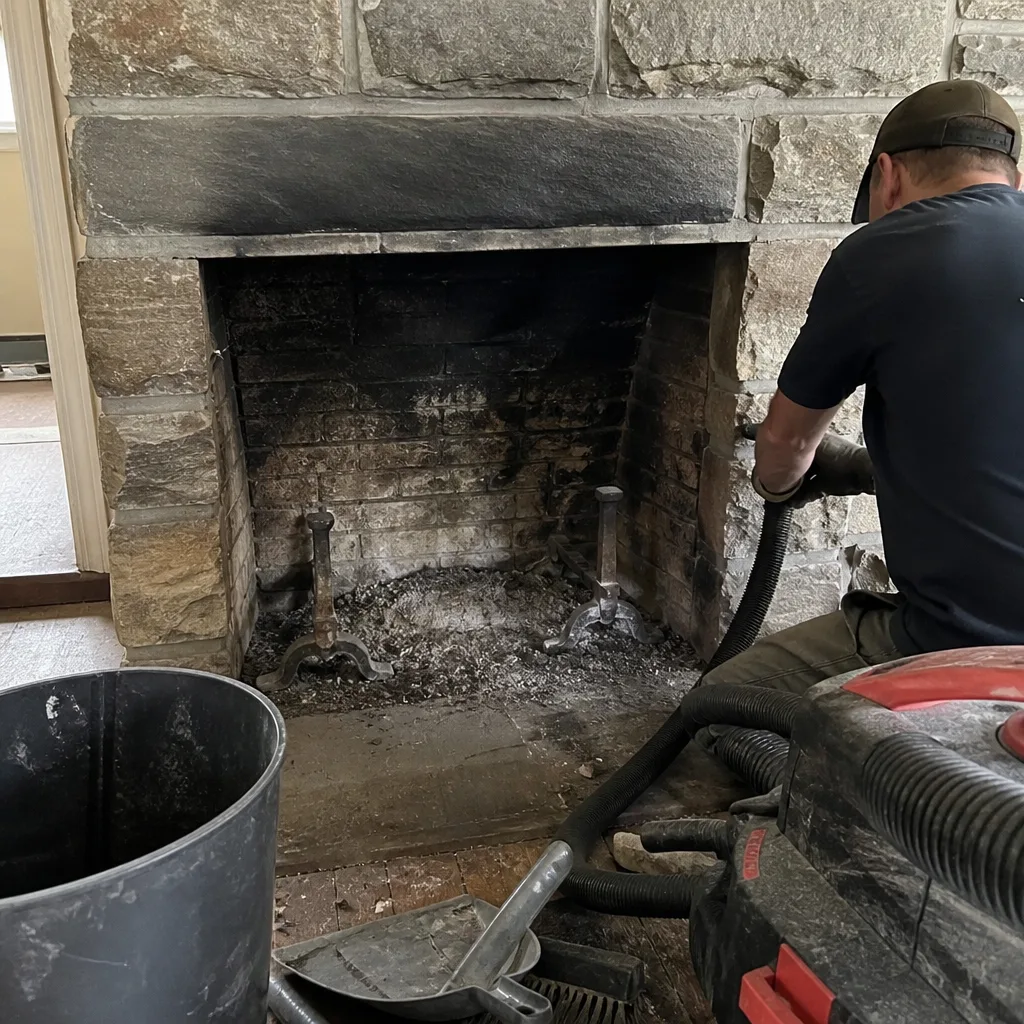 Before
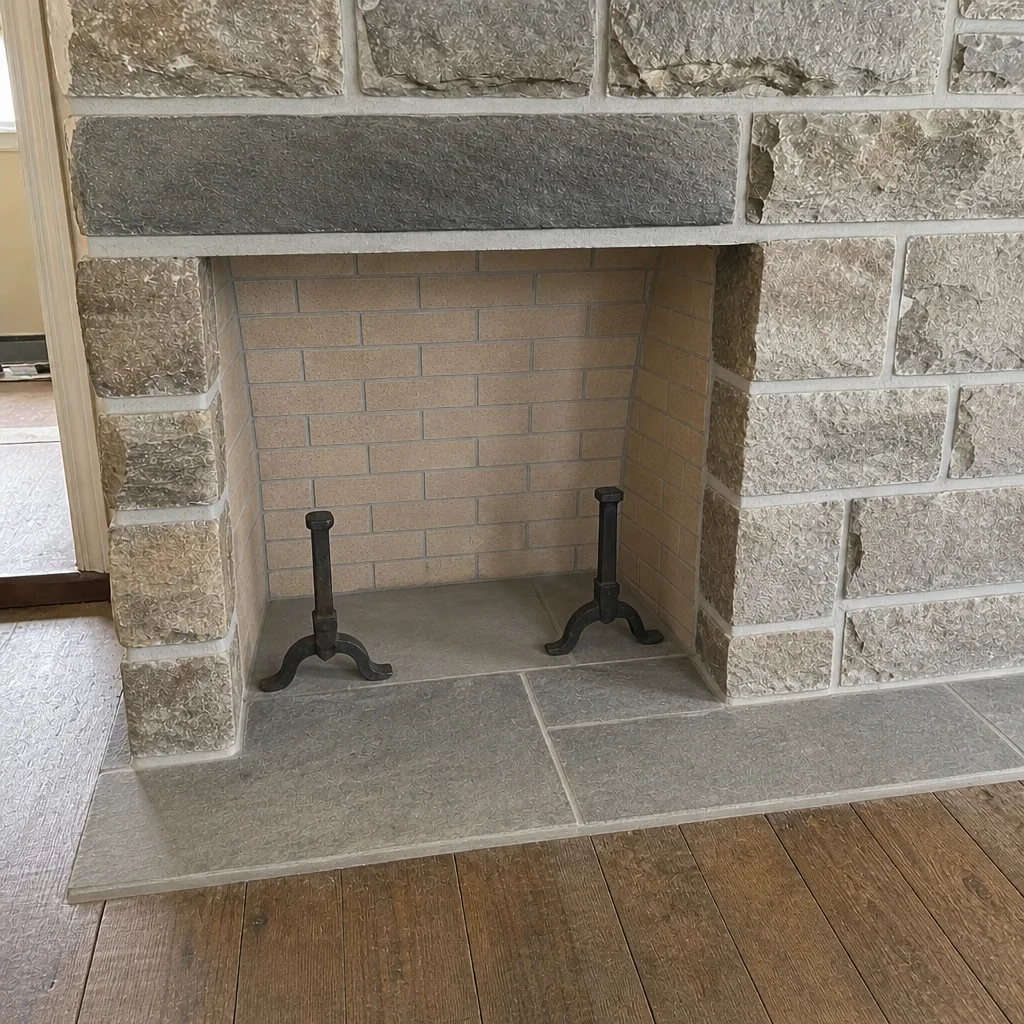 After
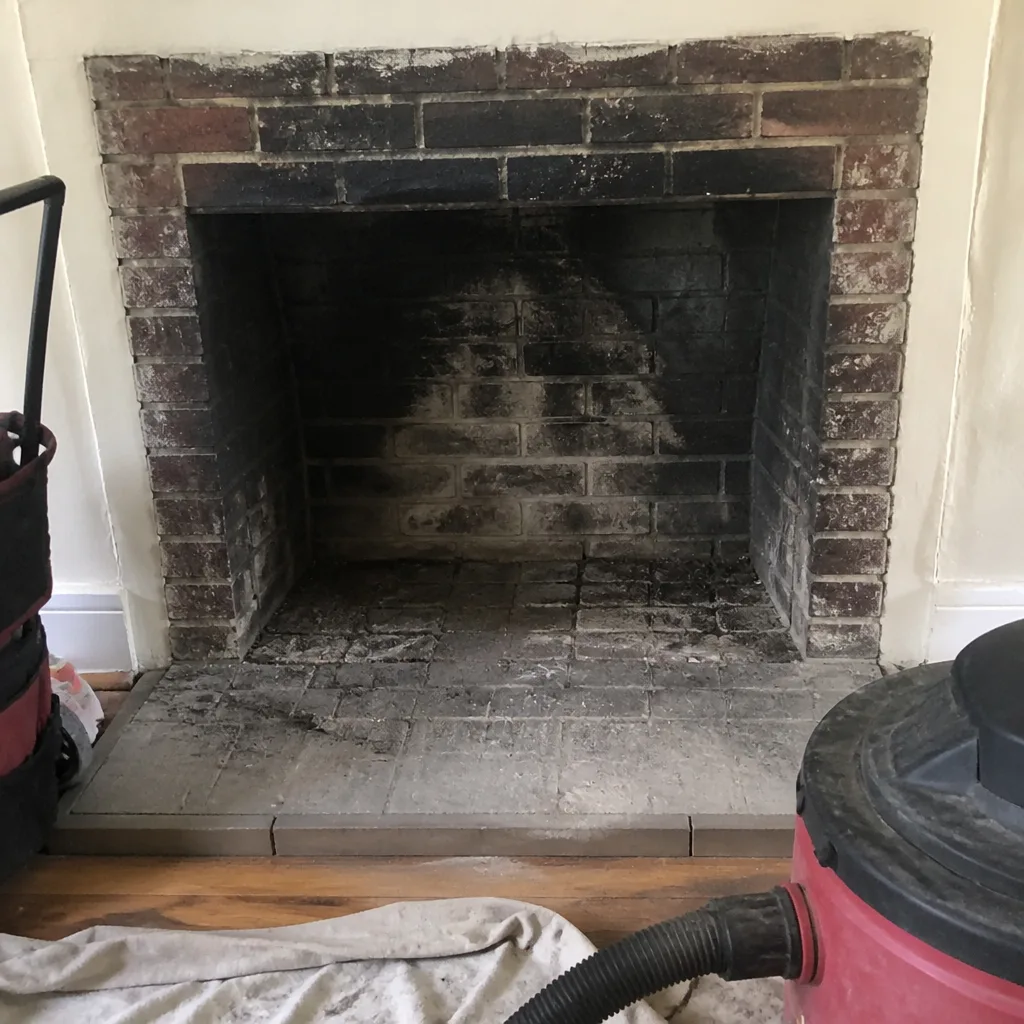 Before
 After
 Before
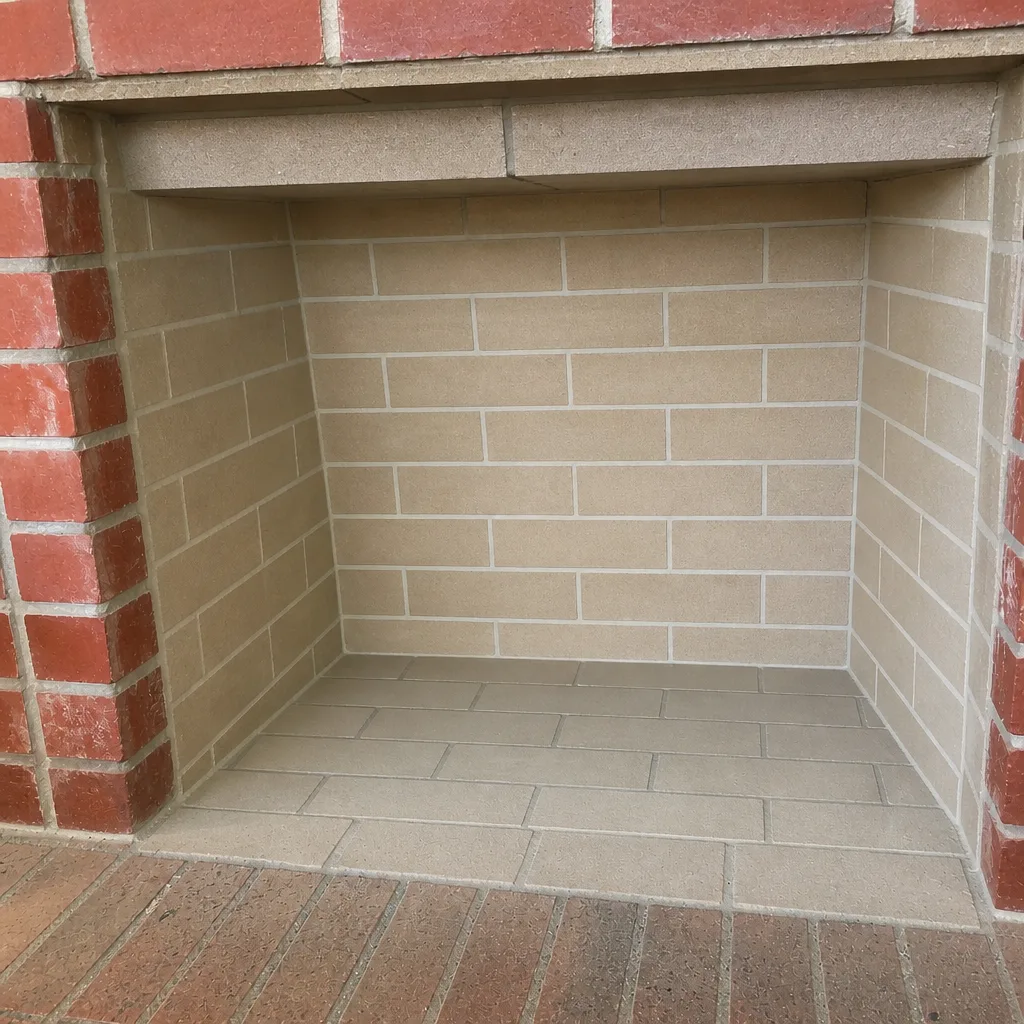 After
When to Call a Professional
Call a professional if your home was built before 1960 with an original tile liner, if you burn wood regularly through the heating season, if you’ve never had a documented inspection, or if you’ve smelled smoke indoors or noticed any sign of a venting problem. Call immediately if you have a carbon monoxide concern or hear the rumble that suggests a chimney fire has occurred. And call before your scheduled sweep if you spot a crown crack or flashing gap during your exterior walk-around, because water intrusion in a freeze-thaw climate gets worse with every winter. Pittsburgh Chimney Cleaning offers free estimates in Pittsburgh. Call (844) 761-5636. We answer 24/7. Fast dispatch from 7am to 7pm, Sunday through Friday.
Frequently Asked Questions
Most wood-burning chimneys benefit from a sweep and inspection once a year, timed before the heating season. Pittsburgh’s long burn season and cool flue temperatures at startup deposit creosote faster than steady burning does, so if you burn hard, don’t stretch the interval. Call (844) 761-5636 for an exact quote on your flue size and condition. Estimates are free.
You can physically brush soot from a flue, but a brush kit can’t assess liner integrity, draft, or glazed creosote. In a pre-1960 Pittsburgh home with original clay tile, that’s where the actual fire risk sits. Cleaning and inspection belong together, and only a professional can perform the inspection half.
It may, if a chimney fire claim comes up and you can’t produce an inspection record. Carriers increasingly ask for proof of maintenance. A written inspection report with photos is what answers that question. We recommend asking your own carrier about your specific policy and keeping a dated inspection file.
Cleaning removes soot and creosote. Inspection evaluates the liner, smoke chamber, crown, cap, flashing, and appliance connection using a camera, draft gauge, and combustion analyzer as needed. In our workflow they happen on the same visit so the cleaning and the assessment happen under one accountable contractor, with a photo report as the evidence.
Sometimes yes, and sometimes no. HeatShield ceramic resurfacing can restore a deteriorating liner and mortar joints without a full replacement, and the DuraFlex flexible liner system handles structural failures that resurfacing can’t. Nothing should be recommended without camera evidence you can see. Call (844) 761-5636 for an exact quote. Estimates are free.
Two risks grow quietly. Creosote accumulates and becomes flammable, and the liner weakens without anyone noticing. Both can lead to chimney fire or carbon monoxide migration. We never recommend work that can safely wait, but a flue that hasn’t been inspected in years is not in a wait-and-see condition. Call (844) 761-5636 to schedule an inspection.
The Bottom Line
The DIY question isn’t really about skill. A homeowner can brush a flue. The question is what the brush can’t see, and in Pittsburgh’s pre-1960 housing stock, what you can’t see is exactly what causes fires. Clean the flue if you want, but don’t skip the inspection. Budget for a professional sweep and inspection once a year, keep the written report and photos for your insurance file, and do only the exterior walk-around yourself. When the inspection turns up a real problem, restoration may be an option before replacement. Certifications are the answer to “how do I know.” For us, the answer is working with DuraFlex, HeatShield, Gelco, Olympia Chimney, Famco, and Copperfield, the professional-grade brands specified by certified chimney contractors. Start with an inspection, then you know exactly what you’re dealing with. Call (844) 761-5636 for a free estimate. We answer 24/7. Fast dispatch from 7am to 7pm, Sunday through Friday.
Written by the team at Pittsburgh Chimney Cleaning.