
Last updated November 15, 2026
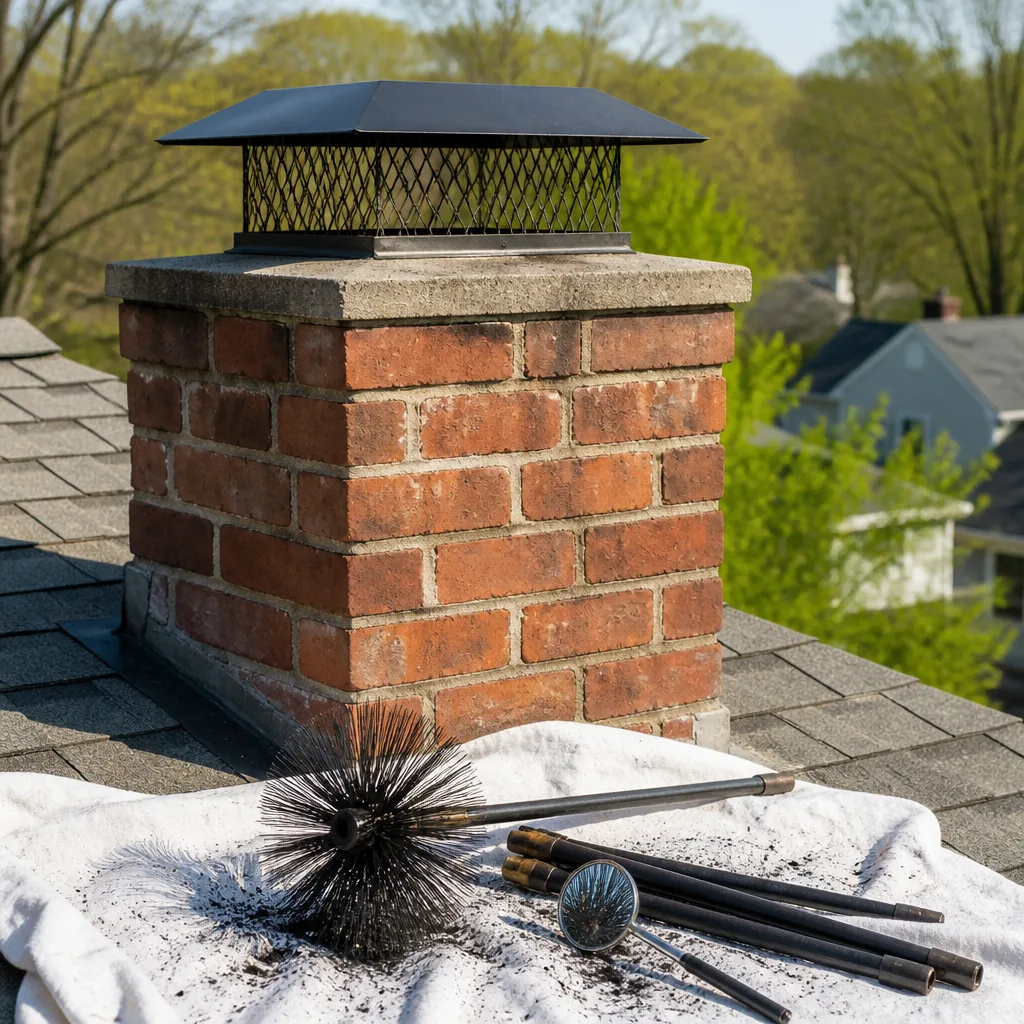 Sweep & inspection
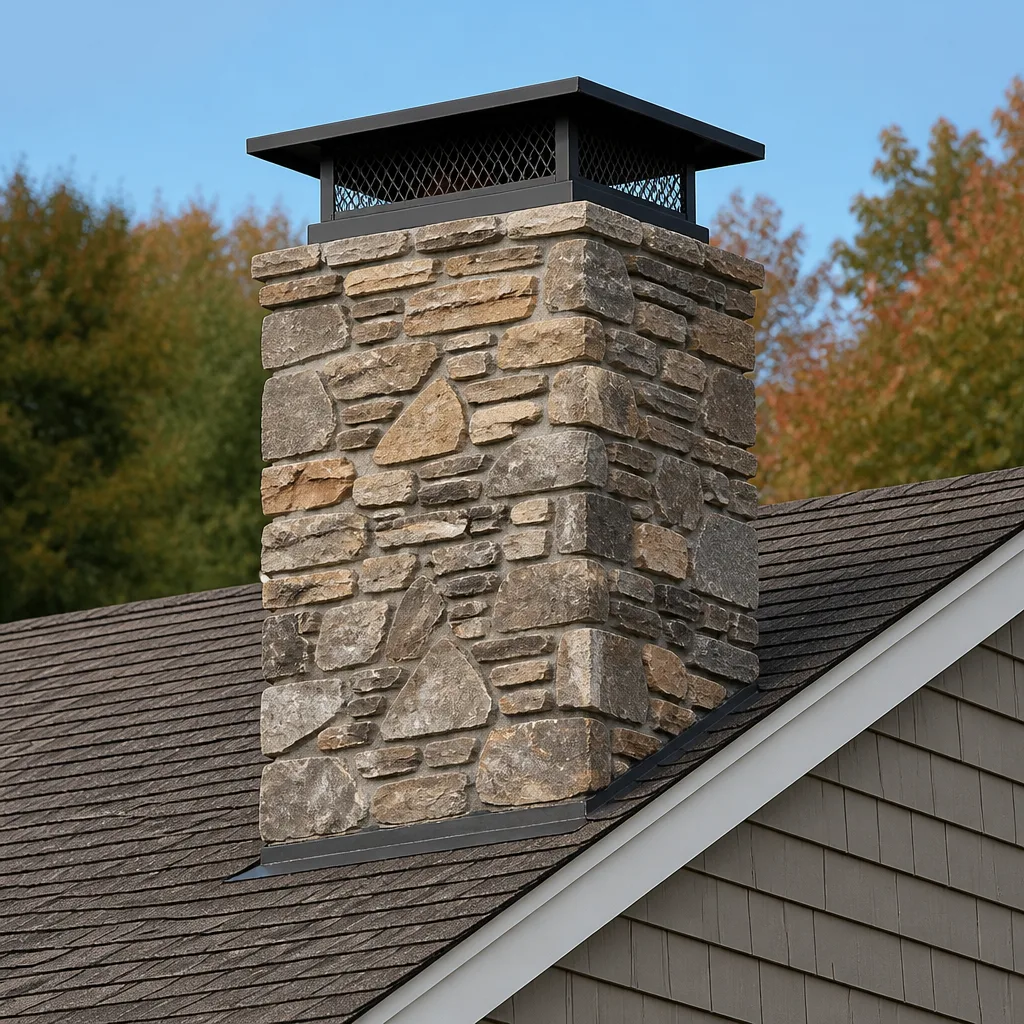 Caps & crowns
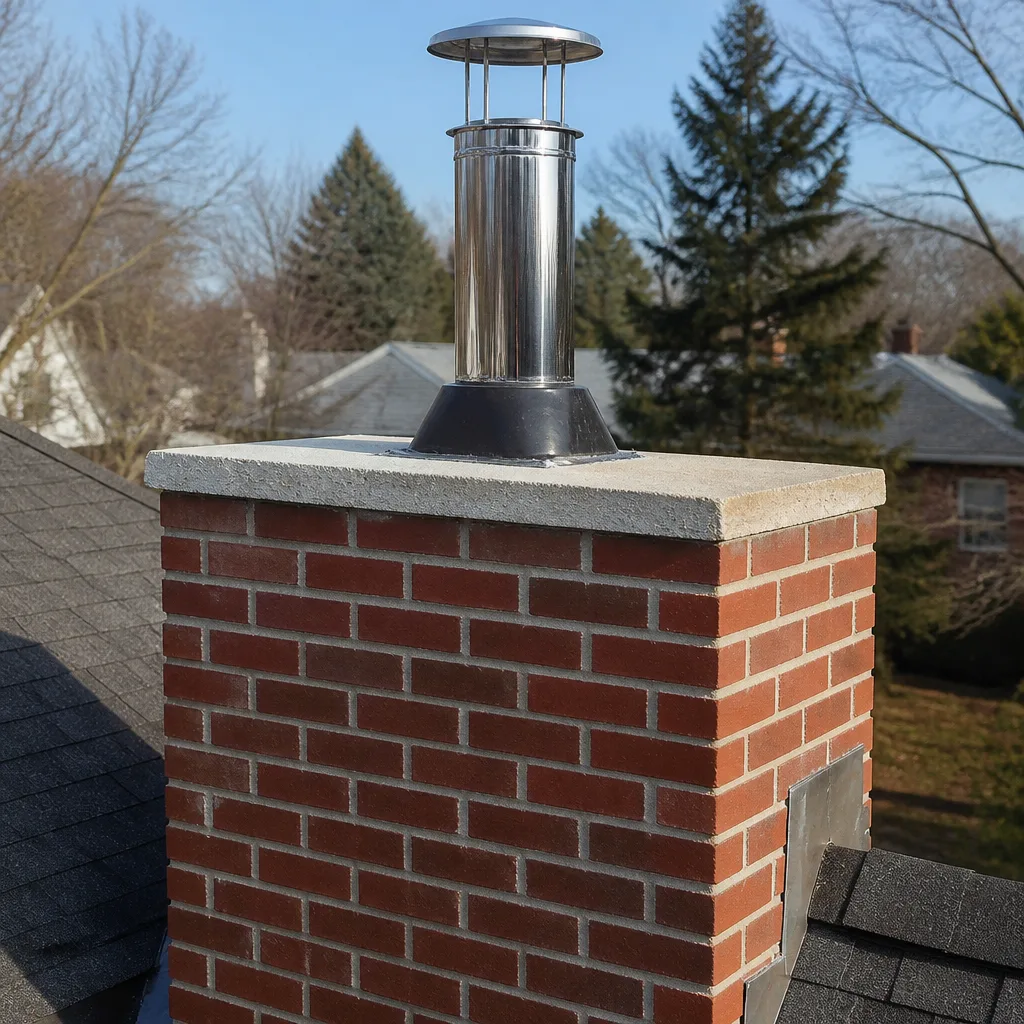 Flue relining
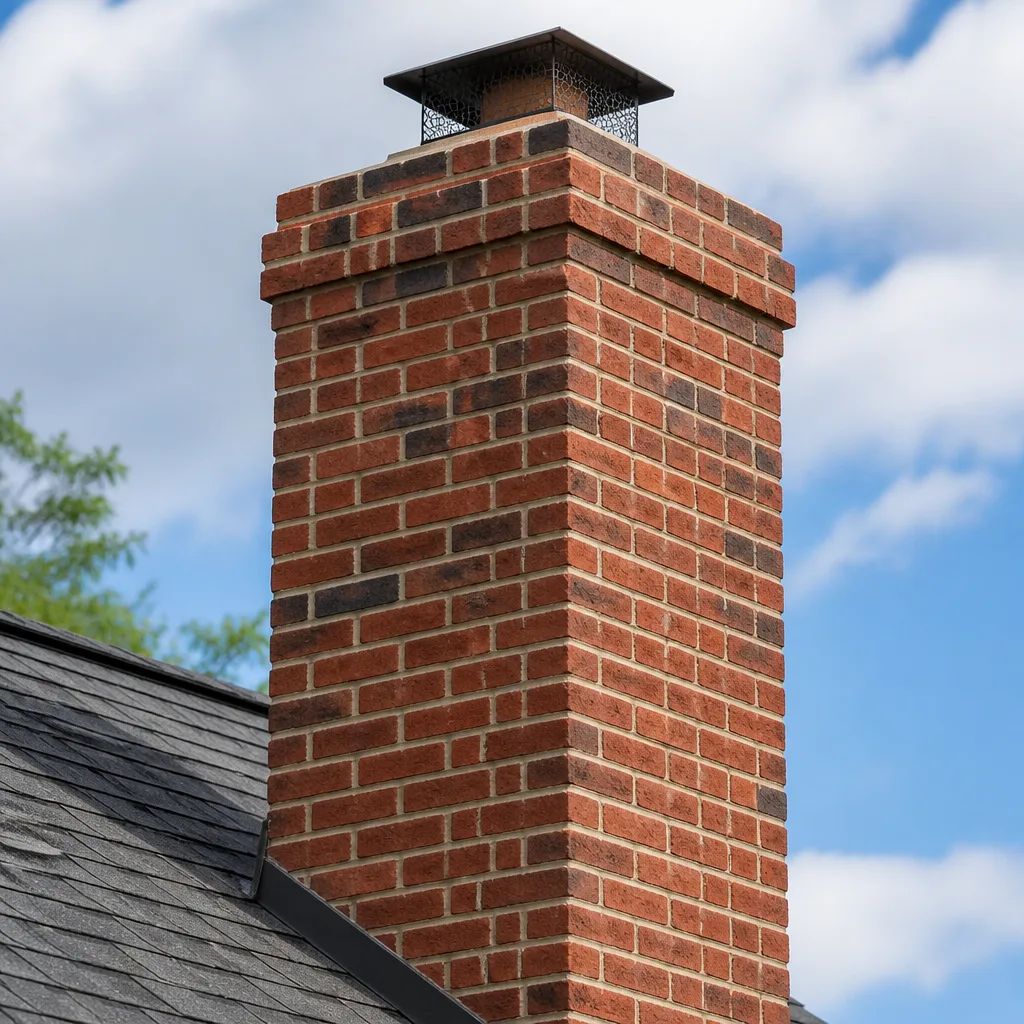 Masonry repair
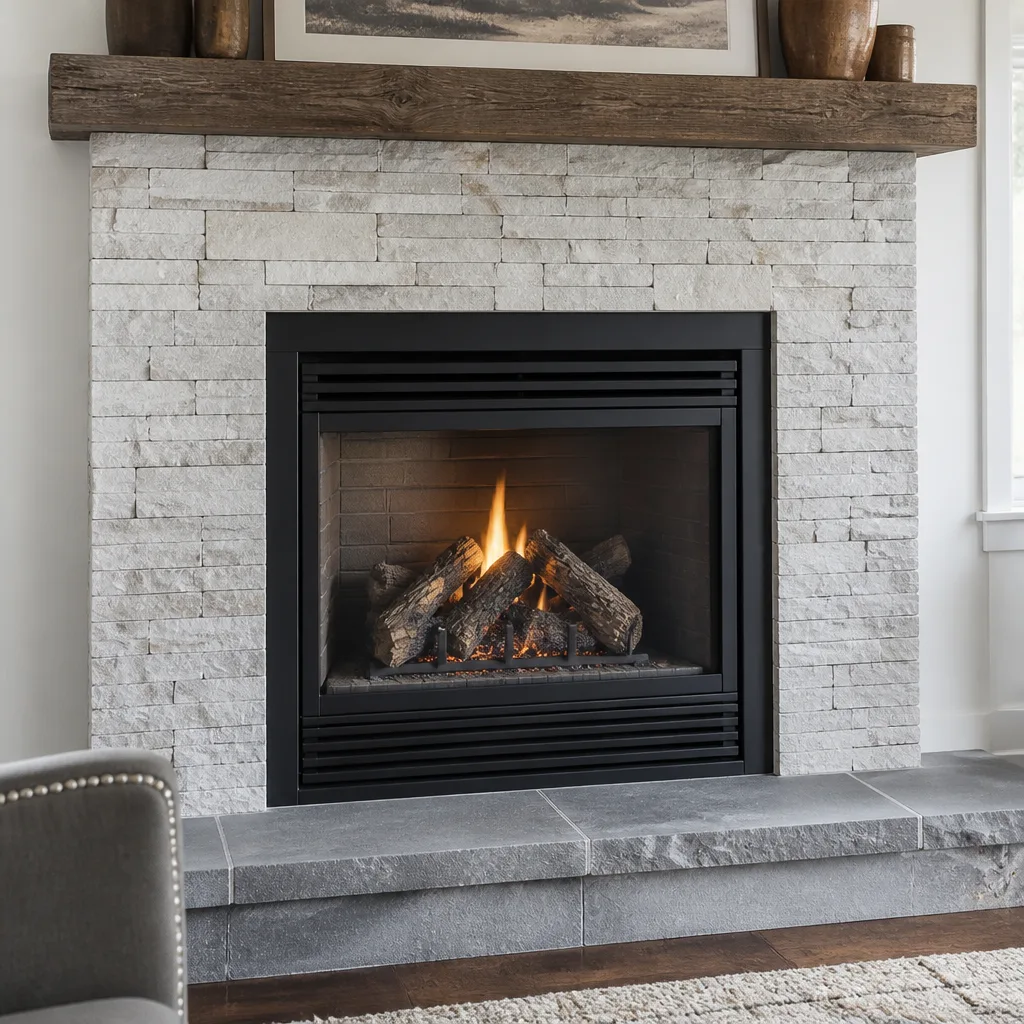 Gas fireplace service
Level 1 sweep and inspection to the NFPA 211 annual standard - flue, crown, cap, and flashing checked and photographed
Chimney sweep logs do not sweep chimneys. They loosen some creosote - which then falls where a brush and vacuum still have to collect it.
Chimney Cleaning Cost Breakdown: The Pittsburgh Homeowner’s Reference for 2026
A sweep quote of $99 covers exactly one thing: sweeping. That’s it. If the technician who arrives is a sweep-only operator and finds a cracked liner tile or stage 2 creosote, you’re looking at a second appointment with somebody else, a second fee, and a second opinion that may or may not match the first. You pay for the same diagnostic work twice. That’s the quiet reason Pittsburgh chimney costs swing so wide – not gouging, but scope. A flue that’s been swept yearly on a clean-burning stove looks nothing like a flue that hasn’t been touched since a house changed hands. This guide breaks down what each line item on a 2026 Pittsburgh chimney bill actually represents, from basic sweeping through relining, so you can read a quote and know what you’re paying for.
Quick Answer
Chimney cleaning in Pittsburgh for 2026 typically runs $175 to $350 for a standard sweep with a Level 1 inspection, $250 to $500 for a Level 2 inspection with camera, and $2,500 to $7,000 for a full reline depending on height and liner type. Repair work – crown replacement, flashing, mortar joints – usually falls between $400 and $2,000. The written estimate sets the final price, and the scope of work in that estimate is what actually drives the number.
Styles & brands we work with
- Sweep & inspection
- Caps & crowns
- Flue relining
- Masonry repair
- Gas fireplace service
Table of Contents
- What Actually Drives the Cost of Chimney Cleaning in Pittsburgh?
- 2026 Pittsburgh Price Ranges by Service Type
- How Flue Height and Hillside Access Affect Labor Cost
- Why Gas Fireplace Cleaning Has a Different Cost Structure
- Bundled Versus Unbundled Pricing: Which Protects You?
- Repair Benchmarks: Is That Quote Proportionate?
- The Three Inspection Levels and What Each Costs
- How to Evaluate a Pittsburgh Chimney Quote
What Actually Drives the Cost of Chimney Cleaning in Pittsburgh?
Four variables set the price of any chimney job, and none of them is the hourly rate. The first is flue type: a straight clay-tile flue on a wood-burning insert is straightforward work, while an offset flue from a mid-century conversion may need special rods and more time on the roof. The second is liner condition. A flue in good shape sweeps clean in under an hour. A flue with cracked mortar joints or spalling tile means the sweep is the start of the conversation, not the end.
The third variable is how long it’s been. Chicago brick chimneys that sat through decades of Pittsburgh winters with a capped-off fireplace accumulate creosote in layers, and stage 3 glazed creosote doesn’t brush out – it needs chemical treatment or mechanical rotary cleaning. The fourth is access. A chimney on a steep Squirrel Hill roofline above a three-story house takes longer to set up safely than one on a one-story ranch.
Here’s what that looks like in practice:
- Simple sweep: under an hour of flue work, standard roof access, no complications discovered.
- Sweep plus minor repair: two to four hours, includes a cap reseat, flashing check, or damper adjustment.
- Sweep plus liner assessment: camera run, photo documentation, and a written report of what the sweep couldn’t see.
- Repair or reline: a separate scheduled job, quoted from the inspection findings.
When we quote a chimney sweep in Pittsburgh, the number reflects the flue as we find it, not a flat rate that ignores the condition. That’s the honest way to price it.
Our technicians have up to 14 years of experience, and that tenure matters most on the flues that look simple from the ground and aren’t once you’re up there. An unlined flue from a pre-war house, a flue shared by two appliances, a flue with a tile spall that’s blocking the brush – these get missed by a flat-quote operation. We don’t quote blind.
2026 Pittsburgh Price Ranges by Service Type
These are estimated ranges for the Pittsburgh market in 2026, not fixed prices. Every job is quoted per job by a written estimate that reflects what the chimney actually needs. Use these as a reality check.
- Basic chimney sweep (wood-burning, standard access): $175 – $350
- Level 1 inspection (visual, accessible portions): $75 – $175, often bundled with a sweep
- Level 2 inspection (camera, full interior and exterior review): $250 – $500
- Level 3 inspection (diagnostic, may involve opening a wall or chase): $750 – $2,000+
- Gas fireplace flue cleaning: $150 – $300
- Creosote removal (stage 3 / glazed): $400 – $900
- Crown replacement: $700 – $1,800
- Mortar joint repair / tuckpointing (limited area): $400 – $900
- Flashing repair: $350 – $800
- HeatShield ceramic resurfacing (flue lining restoration): $1,200 – $2,800
- Full reline (DuraFlex flexible system, standard single-story): $2,500 – $5,000
- Full reline (multi-story, complex access): $5,000 – $7,000
A chimney cap installed or replaced using Famco or Copperfield components usually lands between $250 and $600 depending on flue configuration and material. A cap protects the flue between service visits – it’s the cheapest line item on this list and the one that prevents the most expensive ones.
Pittsburgh’s housing stock is a specific challenge here. Neighborhoods like Squirrel Hill, Shadyside, and the South Side are full of century-old homes where the original chimney has been modified – a gas appliance added, a wood stove inserted, an oil furnace removed – and the flue configuration no longer matches what the house originally had. Those conversions are where price ranges that look standard on paper start to stretch. A quote higher than the ranges above isn’t automatically wrong, but the difference needs to be explained by the scope, not just the technician’s mood.
What you should never see is a quote that treats the inspection finding and the repair work as if they came from different contractors. That’s the handoff problem the trade has struggled with, and it’s why the diagnostic work gets duplicated. A chimney quote should read like a single diagnostic document.
How Flue Height and Hillside Access Affect Labor Cost
Pittsburgh’s terrain changes the setup cost of a chimney job before anyone touches the flue. Consider a house on a Mt. Washington slope with a chimney at the downhill roofline: the roofline may be thirty feet above the ground on the street side and ten feet on the uphill side. Setting a safe ladder and roof staging takes longer on that house than on a flat-lot ranch in the North Hills. That’s real time and it goes into the estimate.
Flue height itself matters for two reasons. Professional chimney brushes and rods work in sections, and taller flues need more of them, plus more passes to reach the firebox. And on a multi-story Federal-style home in the East End, the roofline access point may be four stories up with no adjacent flat surface for staging – that’s more hardware and more careful sequencing.
What usually affects the labor line:
- Roofline pitch: steeper roofs mean slower setup and more safety equipment.
- Chimney position: a chimney at the ridge or at the edge, and where the nearest ladder access falls.
- Flue length: taller flues take longer to sweep and to inspect with a camera.
- Hillside offset: stair-stepped terrain that requires repositioning the ladder and staging.
If a quote is higher than the ranges above and the only explanation is “steep roof,” ask for the number of setup hours and the number of flue rods. A good estimate will show both.
Why Gas Fireplace Cleaning Has a Different Cost Structure
Gas fireplaces and gas appliance flues need cleaning too, and most homeowners don’t realize it until a carbon monoxide alarm goes off or an inspector flags it. Gas flames burn cleaner than wood, so there’s no creosote buildup – but there’s still condensate, soot, dust byproduct, and debris from the appliance, and in an older Pittsburgh rowhouse, a gas water heater or furnace vented through the same chimney can deposit corrosion products inside the flue.
The cost structure is different for two reasons:
- No creosote, so the sweep itself is faster. A gas flue cleaning typically runs $150 – $300 versus $175 – $350 for a wood-burning sweep, and neither requires chemical creosote treatment.
- Venting inspection is the real work. Gas appliance flues are checked for proper draft, spillage, and clear venting – failures here are a carbon monoxide risk, not just a mess. The inspection findings drive the cost more than the cleaning does.
Here’s the thing: many gas fireplace owners skip cleaning entirely. They see a clean burn, no ash, no smoke, and assume the flue is self-maintaining. It isn’t. A gas flue that vents poorly pushes exhaust back into the room, and a gas appliance sharing a chimney with a wood insert in a converted Pittsburgh house can lose draft once the wood side is capped off. This is one of the most common calls we get in older neighborhoods. When we work with Pittsburgh Chimney Cleaning customers who’ve never had a gas flue inspected, we always start with a camera inspection – you can’t diagnose draft problems from the firebox.
Bundled Versus Unbundled Pricing: Which Protects You?
Bundled pricing means one number for sweep plus inspection plus a set of defined checks. Unbundled means each is billed separately. Neither is inherently better – but the difference in what’s actually covered is where homeowners get caught.
A $99 sweep quote is not a bundle. It’s sweeping, and the price reflects that the technician has to make their money somewhere else. If the sweep reveals a cracked liner, the technician hands you off to a repair contractor – and the repair contractor will re-inspect the flue before quoting, because they don’t have the original inspection findings. Now you’ve paid for two inspections.
A properly bundled estimate covers:
- The sweep itself, performed with professional brushes and rods.
- A Level 1 visual inspection at minimum, looking at accessible portions of the flue, the firebox, the damper, the cap, and the exterior crown.
- A written summary of what was found, with photos of anything that needs attention.
- A clear statement of what was not assessed and why (e.g., “liner interior not visible without camera”).
The homeowner-facing value of a bundle is one visit, one diagnosis, and a repair contractor who already knows the flue when the estimate goes out. In our experience, that’s the difference between a $99 quote that costs $700 and a $300 estimate that costs $300.
Ask any contractor: “Is the inspection findings report included, and does the same contractor do the repair?” If the answer is no on either count, the bundle you’re getting is smaller than it looks.
Repair Benchmarks: Is That Quote Proportionate?
This is the question that haunts every homeowner who gets a chimney repair quote. A cracked liner finding is not free license to reline. Before you sign, compare the finding to the intervention.
Proportionate repair benchmarks for the most common findings:
– Cracked or spalled tile, limited: repair via HeatShield ceramic resurfacing at $1,200 – $2,800. A full reline is not required for a limited crack in an otherwise sound flue.
– Multiple tile cracks or joint separation throughout: reline with a DuraFlex flexible liner at $2,500 – $5,000 for standard single-story access.
– Failed crown (top of chimney separating or cracked): crown replacement at $700 – $1,800. A sealing of the crown is NOT a crown replacement – ask which one the quote describes.
– Failed flashing at the roofline (leak at the chimney base): flashing repair at $350 – $800.
– Deteriorated mortar joints in the smoke chamber: HeatShield is designed for this – $1,200 – $2,800.
If the quote recommends a full reline and the inspection finding is “limited crack,” ask why restoration isn’t an option. Sometimes it isn’t – a liner with multiple failed joints or structural displacement needs replacement, and HeatShield won’t fix that. But the quote should explain which condition applies.
A warning sign: a quote that describes “deterioration” without a photo or a stated location. A good inspection report shows you the crack, the crown separation, or the spalling tile. You should be able to see the problem yourself, on the camera footage or the photos. If you can’t, the finding is not verified.
If the quote says “you need a new liner” and puts the number over $6,000 for a standard single-story flue, ask for the flue length and the liner type in writing. The price should be traceable to those two variables. When HeatShield can do the job, we’ll say so, because restoration first is cheaper for the homeowner and does the same job when the liner is sound enough to resurface.
The Three Inspection Levels and What Each Costs
Chimney inspections are categorized into three levels based on what’s assessed and how much access is required. The level you need changes the price, and choosing the wrong level wastes money.
- Level 1 – standard visual inspection. Covers accessible portions of the chimney from the firebox and from the roof. Good for an annual check on a flue in known-good condition. Cost: $75 – $175, often bundled with the sweep.
- Level 2 – camera inspection. Adds a video camera run inside the flue, full assessment of the interior liner, and review of connected appliances. Required any time there’s a chimney fire, a change in the appliance (new insert, new furnace), or a home sale. Cost: $250 – $500.
- Level 3 – diagnostic inspection. Used when Level 2 findings suggest a hidden problem and access requires opening a wall or chase to visually inspect non-accessible sections. Cost: $750 – $2,000+, quoted per job.
Pushback we give homeowners occasionally: a Level 3 is rarely the right first call. If a Level 2 shows a concerning finding, the Level 3 confirms it with access. But a Level 1 on a flue that hasn’t been serviced in fifteen years is not enough to answer the liner question.
For a chimney repair recommendation, the Level 2 findings report is the document that makes the repair estimate verifiable. Ask for it in writing.
If you want a sense of how the condition of the surrounding neighborhood’s housing stock factors into inspection findings – older conversion properties, chimneys shared by multiple appliances, deferred maintenance – the Pittsburgh market has enough of all three to make a Level 2 the sensible default for any home without a documented recent inspection.
How to Evaluate a Pittsburgh Chimney Quote
Here’s the sequence we recommend to any Pittsburgh homeowner comparing estimates:
- Require a written findings report before any repair quote. The findings report states what was found, where, and how it was observed – photo evidence from the camera run. A repair quote without a corresponding findings report is an estimate, not a diagnosis.
- Ask whether the same contractor will do the repair. If the sweep hands off to someone else, they’ll re-inspect and re-diagnose, and you’ll pay for both. A single contractor from sweep through repair eliminates the duplication.
- Compare the quote’s scope to the fix. If the finding is a failed crown, the quote should be a crown replacement – not a crown sealing. If the finding is a limited liner crack, the quote should be HeatShield restoration, not a full reline.
- Look for materials specified by brand in the estimate. A written estimate that names HeatShield or DuraFlex tells you the contractor has chosen the right product for the system rather than a generic sealant.
- Ask what can safely wait. A good contractor can tell you which findings are urgent and which can wait a season. If everything on the list is urgent, that’s a red flag.
The single most useful skill in reading a chimney quote is recognizing the crossover. A $200 sweep plus a $1,500 HeatShield restoration is a different conversation than a $5,000 reline, and the two may address the same finding. That distinction is the difference between an estimate that’s proportionate and one that isn’t.
Common Mistakes to Avoid
- Accepting a $99 sweep without asking what happens next. A low sweep price usually means the inspection isn’t included and the findings report doesn’t exist. You’ll pay for both somewhere else.
- Skipping inspection because the flue “looks fine.” Most liner failures start inside the flue where you can’t see them from the firebox or the roof. The visual inspection misses them by design.
- Assuming gas flues don’t need cleaning. Gas fireplaces and gas appliance venting need periodic inspection – draft failures in converted Pittsburgh chimneys are a common finding and a carbon monoxide concern.
- Treating “crown sealing” as a crown replacement. A sealant over a failed crown doesn’t repair it. Ask which service the quote describes.
- Comparing prices without comparing scope. A $400 quote for “liner repair” and a $2,500 quote for HeatShield restoration are both “liner repair” but address different findings. Compare findings to fixes, not totals.
- Calling a reline-only contractor for a sweep. A reline contractor has a reason to find a reline. A full-service contractor who also sweeps and inspects has less incentive to stretch the finding.
- Putting off the inspection because the fireplace isn’t in use. A capped-off or unused fireplace still needs its flue checked for animal nesting, moisture, and spalling tile – especially on Pittsburgh’s older rowhouses where the flue was modified long ago.
When to Call a Professional
Call a trained chimney professional when you notice any of these: a damper that won’t open smoothly or drops when it should hold, a firebox that smokes into the room on startup, a chimney cap that’s loose or missing, white staining or crumbling at the chimney crown, soot or debris at the firebox that wasn’t there before, a carbon monoxide alarm near a gas appliance, or any sign of water infiltration at the chimney base. Also call before using a fireplace that hasn’t been used in over a year – unused flues collect animal nests, moisture, and spalling tile that can’t be seen from below. And call if you’re preparing to sell a home: most buyers’ lenders expect a documented Level 2 inspection.
Pittsburgh Chimney Cleaning offers free estimates in Pittsburgh – call (844) 761-5636. We answer 24/7, and fast dispatch from 7am to 7pm leaves you with a written, photo-documented findings report before any repair is recommended. Our technicians have up to 14 years of experience, and we use professional-grade trade brands – HeatShield for ceramic resurfacing, DuraFlex for flexible liners, Famco and Copperfield for caps and flashing – not consumer-grade sealants.
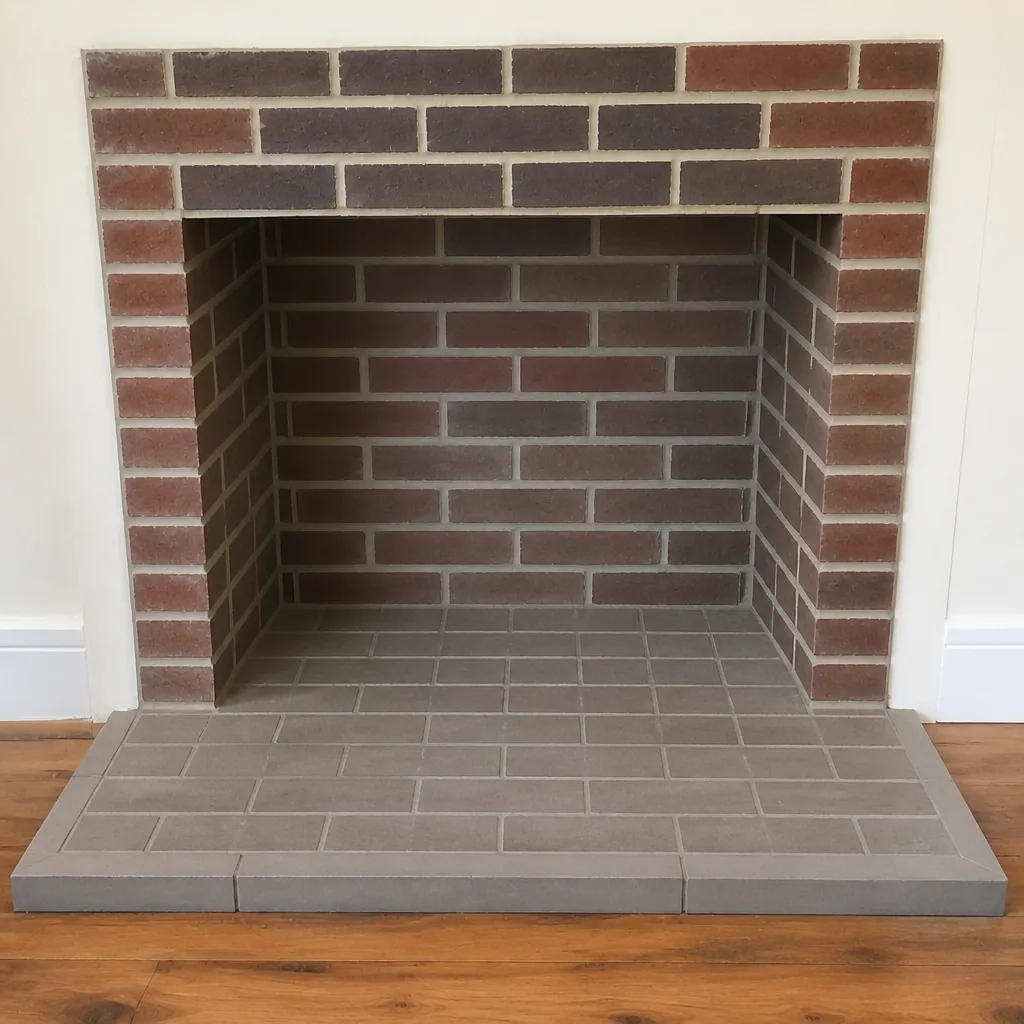
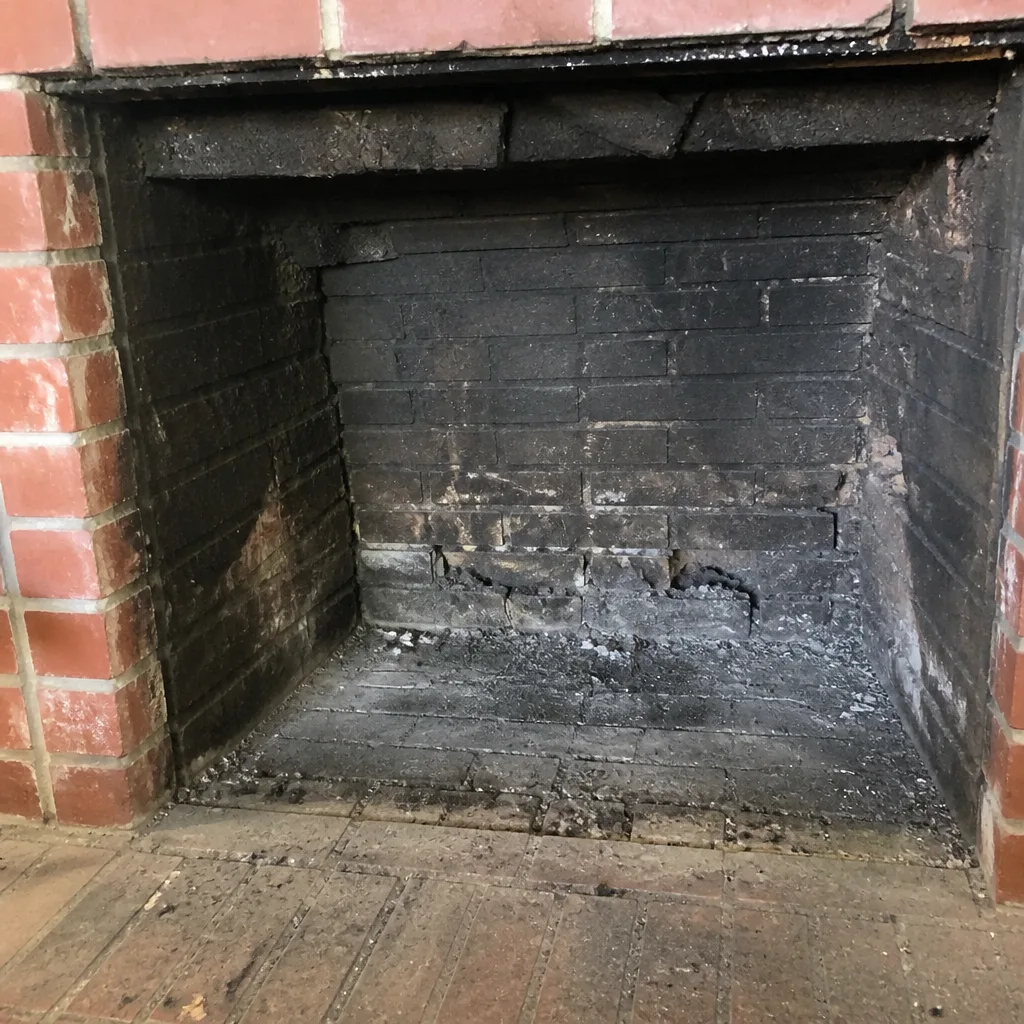
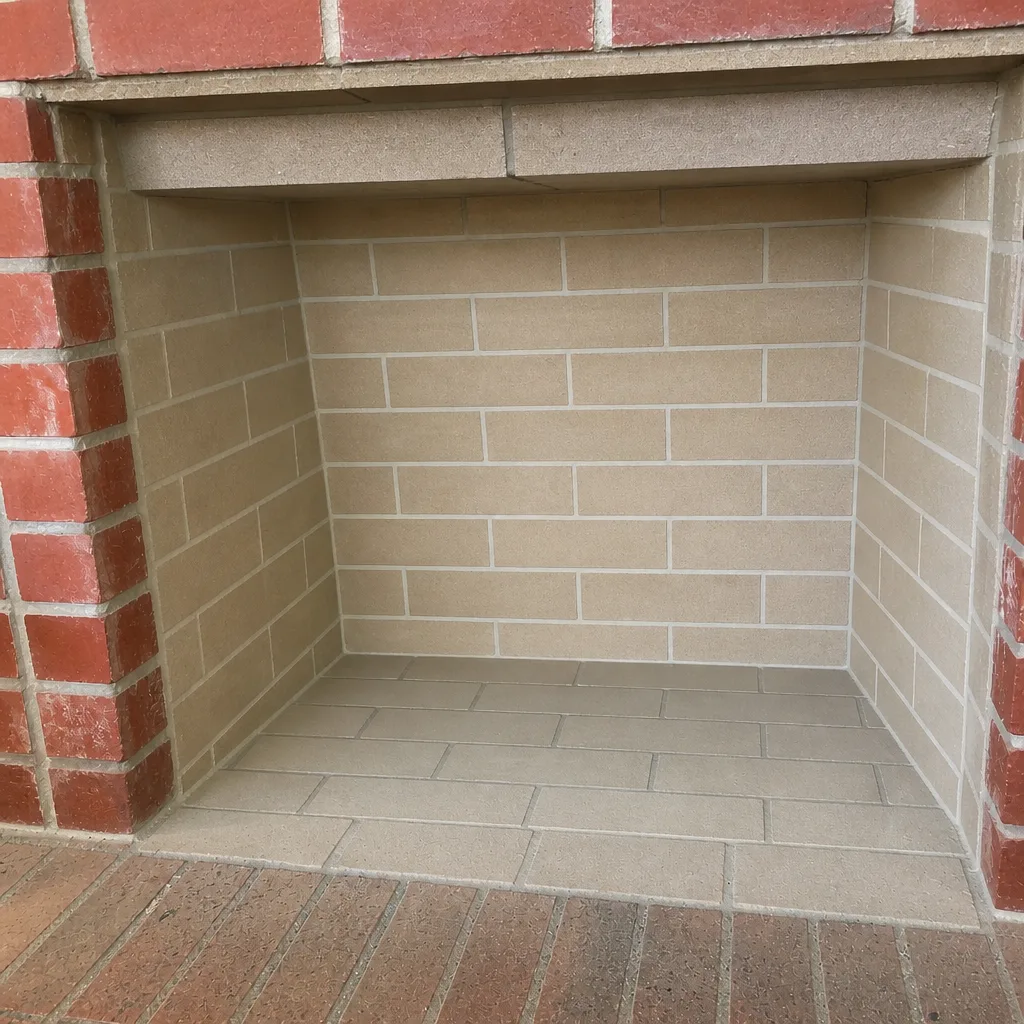
See the difference
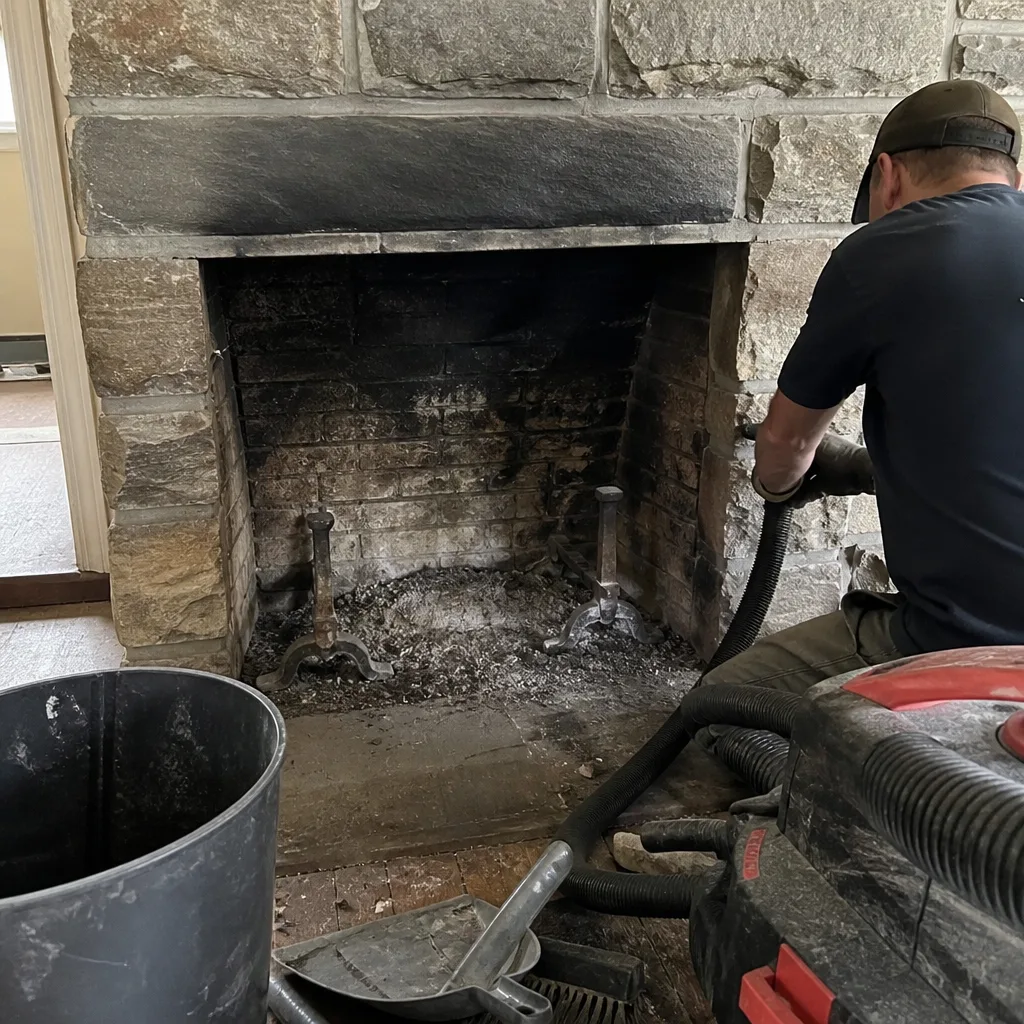 Before
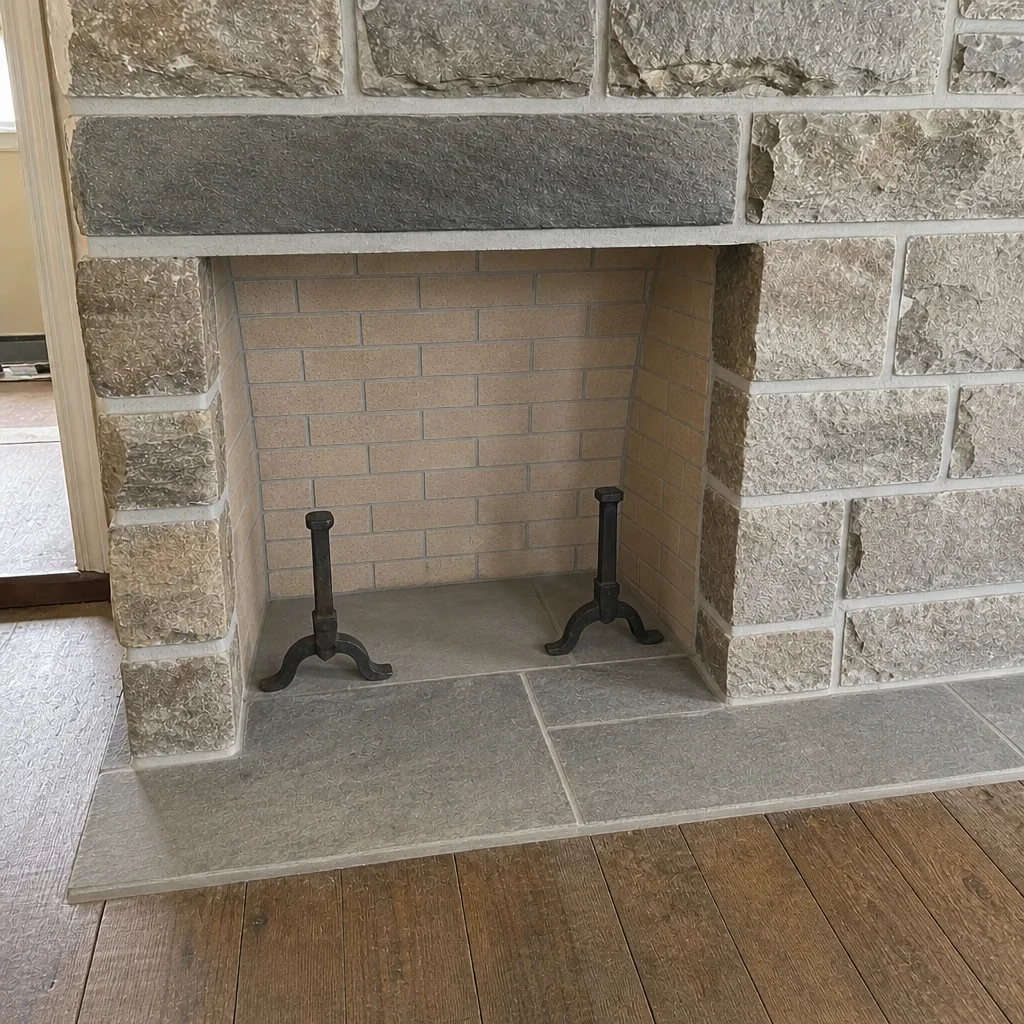 After
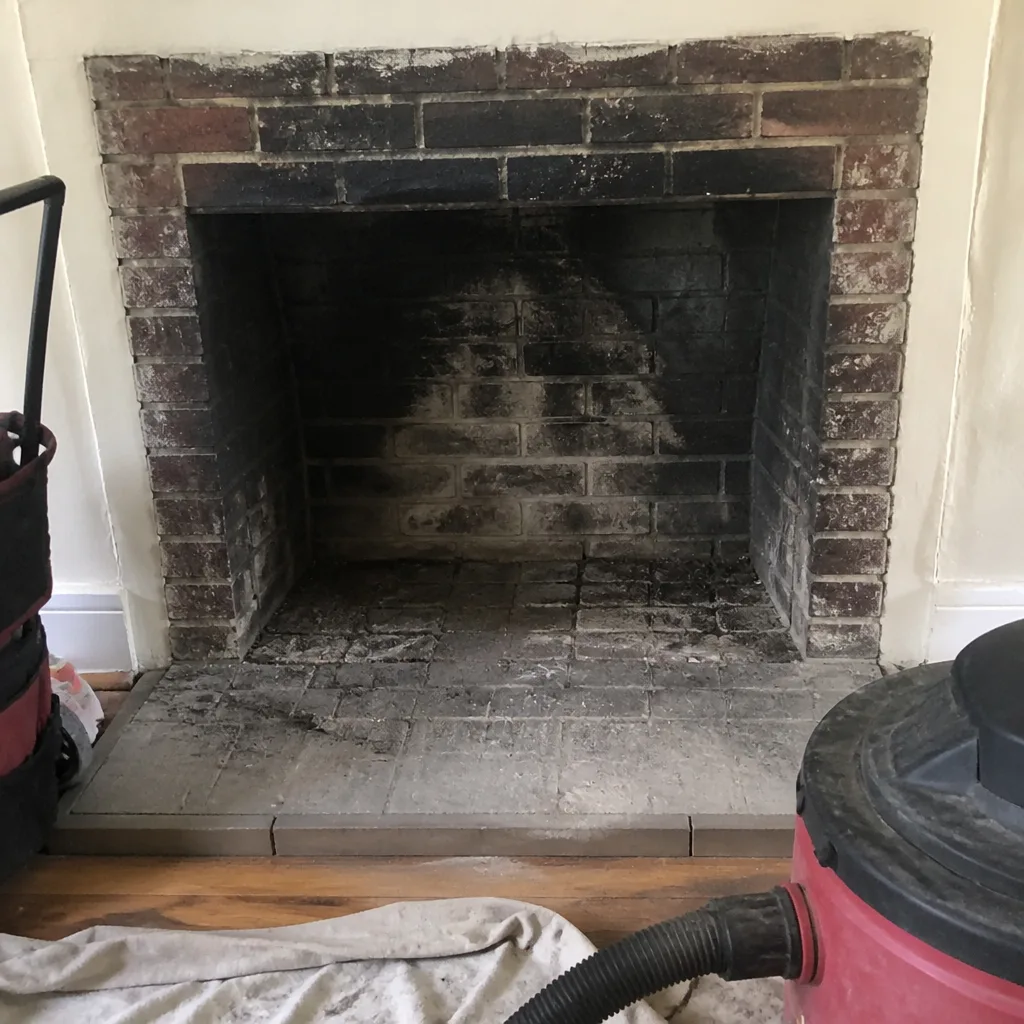 Before
 After
 Before
 After
Frequently Asked Questions
A standard chimney sweep in Pittsburgh typically runs $175 – $350 for 2026, with a Level 1 inspection usually bundled. If the flue has heavy creosote or the roof access is complex, expect the higher end. Call (844) 761-5636 for an exact quote – estimates are free.
Not always. A limited liner crack in an otherwise sound flue can often be addressed with HeatShield ceramic resurfacing, which costs less than a full reline. A reline is required when the liner has multiple failed joints or structural displacement. Ask the contractor to explain why restoration isn’t the fix before approving a reline. Call (844) 761-5636 for a free estimate on either restoration or reline.
Once a year for wood-burning fireplaces and wood stoves in active use is the general standard. A gas fireplace flue should be inspected annually and cleaned as the inspection findings warrant. Pittsburgh homes with heavy winter use and older, unlined flues may need inspection more often. Call (844) 761-5636 to book a sweep and inspection.
Creosote accumulates on the flue interior, and at stage 3 the deposit is glazed and highly combustible, raising chimney fire risk. The bigger safety concern in Pittsburgh’s aging housing stock is undetected liner damage – cracked tile that allows heat or exhaust into the surrounding structure. Skipping the inspection means neither problem gets found. Call (844) 761-5636 for a free estimate.
A gas flue has no creosote layer, so the cleaning itself is faster and the venting inspection is where the value sits. That’s why gas fireplace cleaning runs $150 – $300 while wood-burning sweeps run higher. Call (844) 761-5636 for a free estimate.
Bundled pricing is better when it includes the inspection, a written findings report, and the option for the same contractor to do the repair. Unbundled line-item billing is better when you want to compare scope transparently. What matters is that both compare the same work. Call (844) 761-5636 and we’ll walk you through exactly what our estimate covers.
The Bottom Line
Pittsburgh chimney costs swing wide because scope swings wide, not because pricing is arbitrary. A $99 sweep covers sweeping – if that’s what your flue needs and nothing more, it’s an honest deal. If it needs a liner restored, a crown replaced, or a gas appliance flue restored, the cost is real and the cost of a second opinion on top of it is where the money goes to waste. The fix is simple: ask for the findings report before the repair quote, compare the quote to the finding, and pick a contractor who does both. Our technicians have up to 14 years of experience, and every estimate starts with an inspection you can see for yourself. When restoration can do the job, we’ll say so.
Call (844) 761-5636 for a free estimate. We answer 24/7. Fast dispatch from 7am to 7pm, Sunday through Friday. Estimates are free, the written estimate sets the price, and nothing is recommended without camera evidence you can see.
Written by the team at Pittsburgh Chimney Cleaning.