
Last updated November 15, 2026
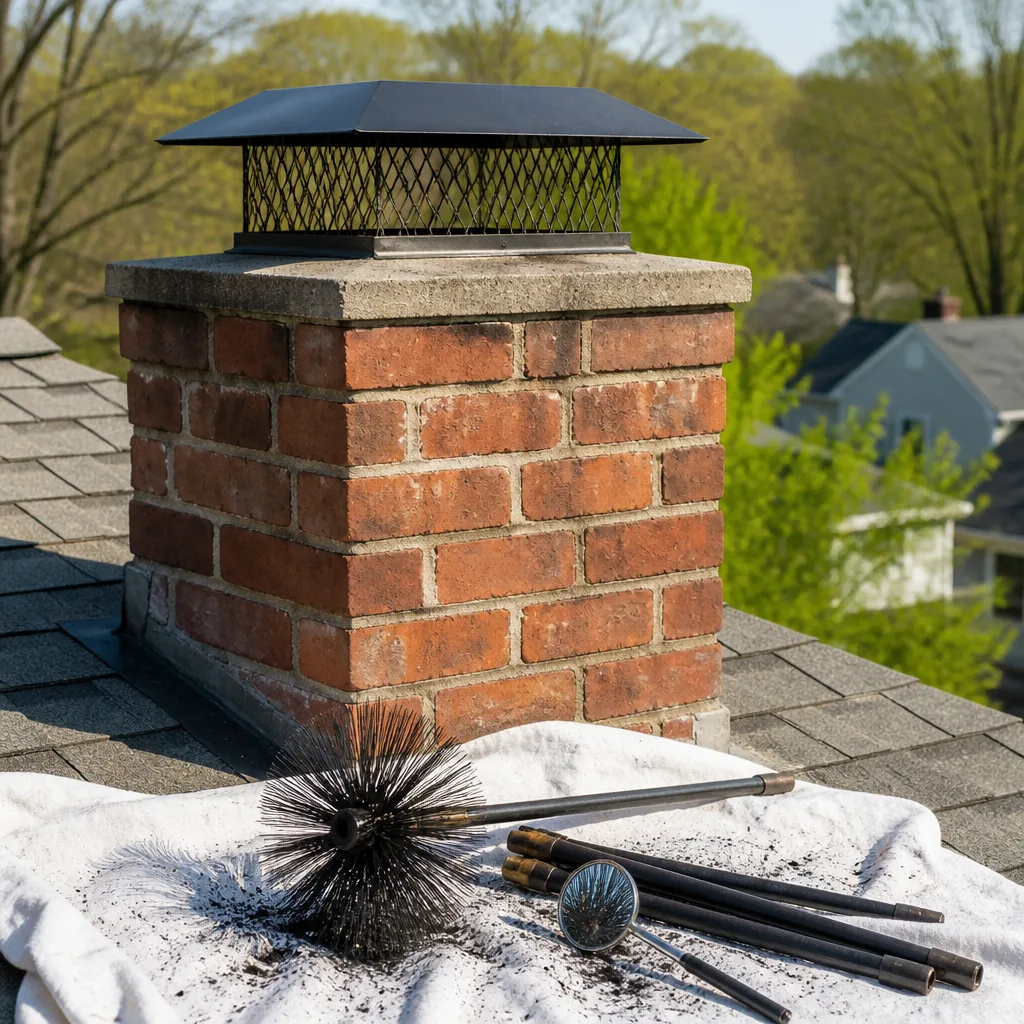 Sweep & inspection
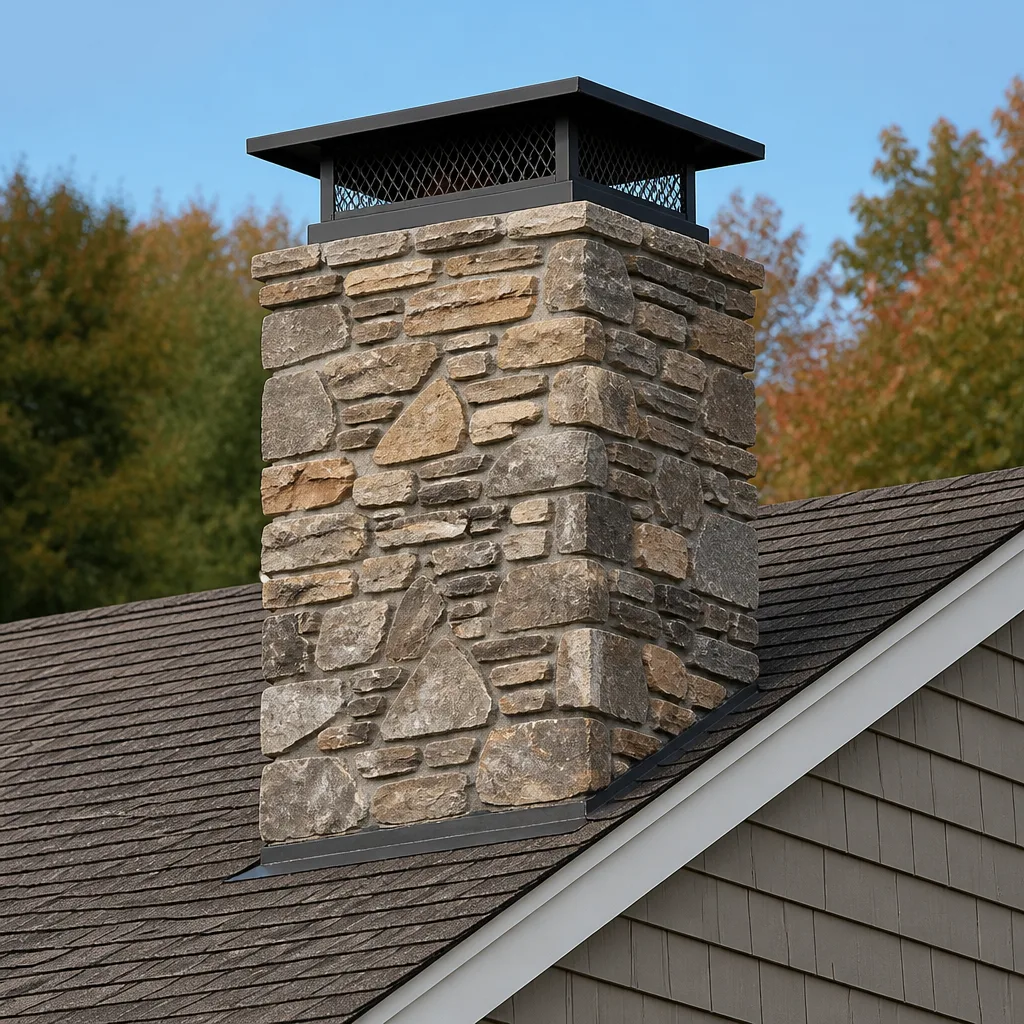 Caps & crowns
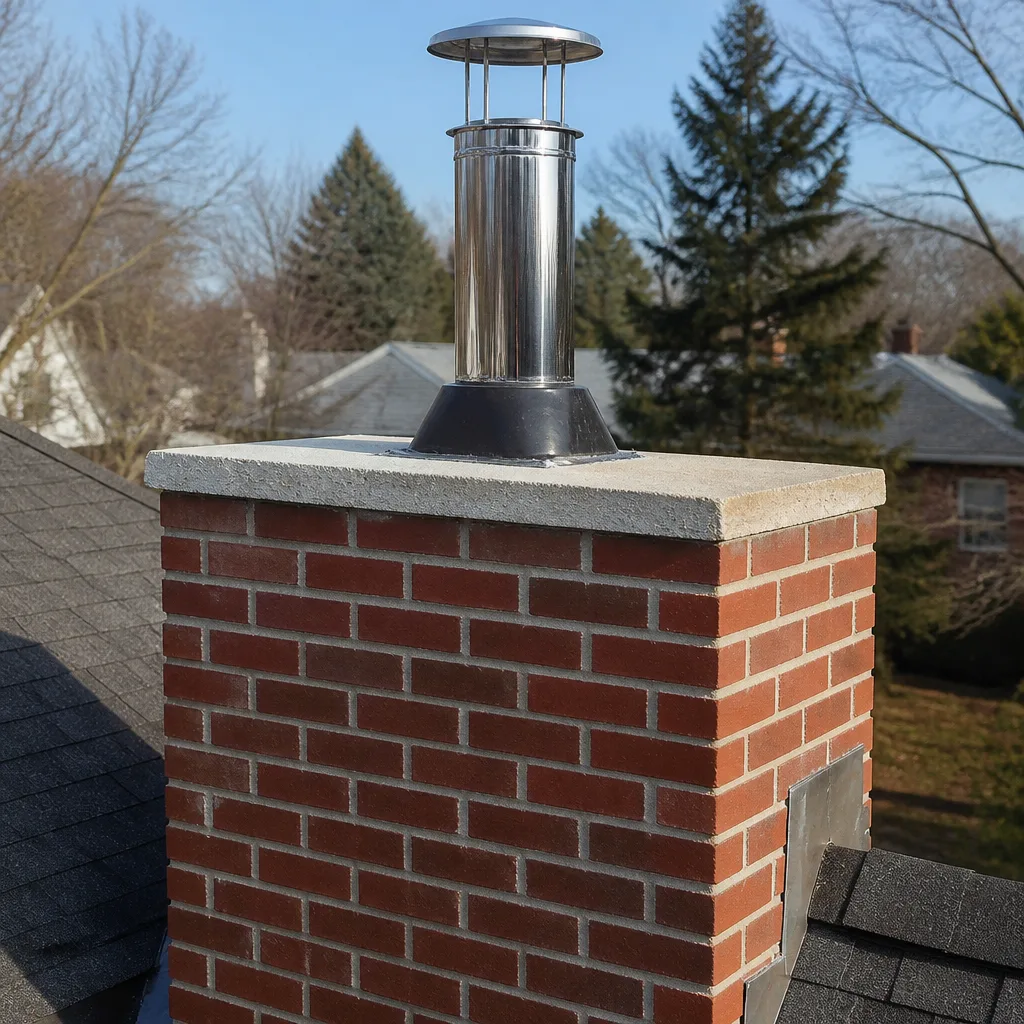 Flue relining
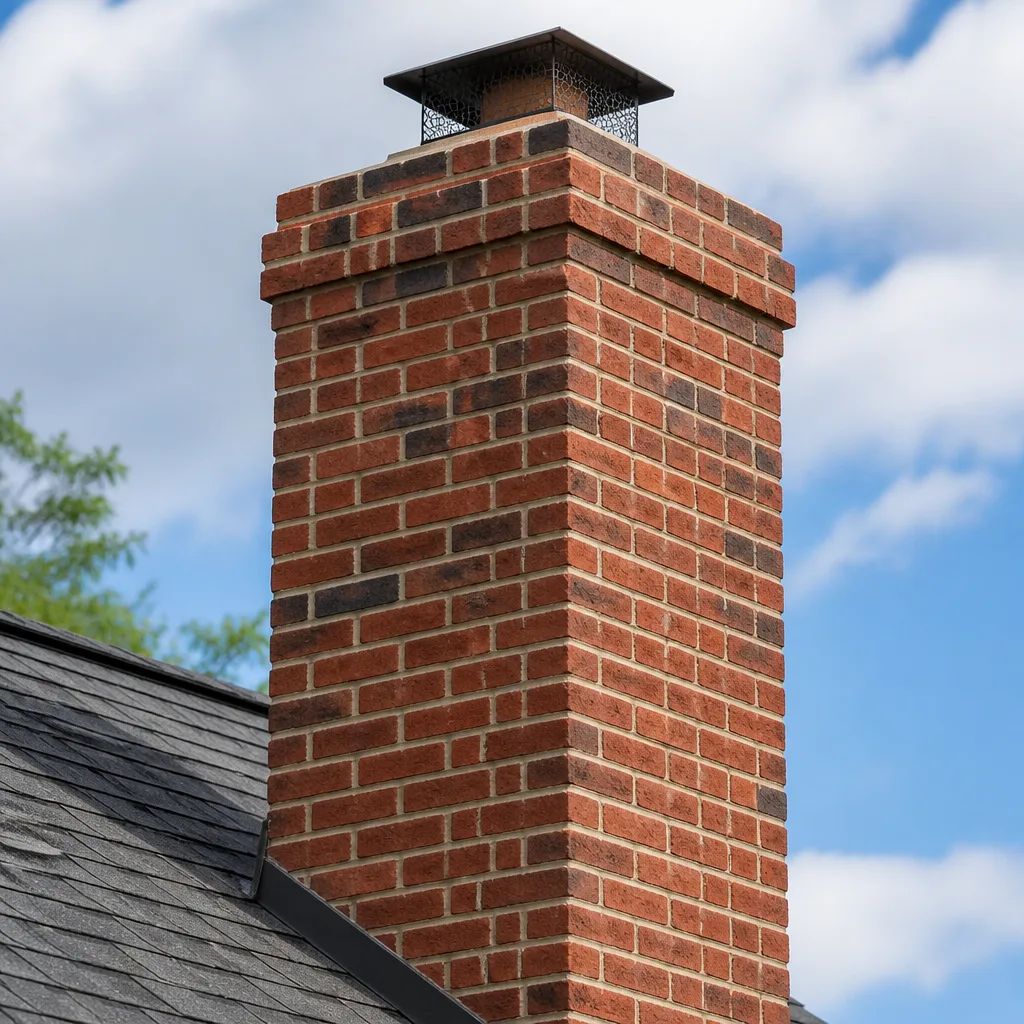 Masonry repair
 Gas fireplace service
Level 1 sweep and inspection to the NFPA 211 annual standard - flue, crown, cap, and flashing checked and photographed
Chimney sweep logs do not sweep chimneys. They loosen some creosote - which then falls where a brush and vacuum still have to collect it.
Chimney Cleaning Permits, Codes & Inspections in Pittsburgh, PA: What You Need to Know
Most homeowners assume the only paperwork a chimney job generates is an invoice. That assumption is where trouble starts. A relining job done without a permit isn’t just a code violation – it becomes an undisclosed material defect the moment you list the house, and a buyer’s inspector will find it. In our experience across Pittsburgh, the questions we field most aren’t about creosote. They’re about permits, inspections, and what happens when a previous owner skipped both. This guide walks through which chimney services in Allegheny County need a permit, how the PA Uniform Construction Code interacts with City of Pittsburgh requirements, what a Level 2 inspection is legally tied to, and how to pull a property’s chimney permit history before you buy.
Quick Answer
In Pittsburgh and across Allegheny County, routine chimney sweeping generally does not require a permit, while structural work – relining, rebuilding a chimney above the roofline, installing or replacing a wood stove, and most repairs that alter the flue system – typically does. A Level 2 inspection is legally required under the International Residential Code for home sales and after chimney fires. Permit history for a property can be requested through Allegheny County and City of Pittsburgh records before closing. The written estimate sets the final price on any repair work, and a compliant contractor should hand you documentation at job completion for your insurance file.
Styles & brands we work with
- Sweep & inspection
- Caps & crowns
- Flue relining
- Masonry repair
- Gas fireplace service
Table of Contents
- Which Chimney Services in Allegheny County Require a Permit?
- How the PA Uniform Construction Code Interacts With Pittsburgh Rules
- What a Level 2 Inspection Is Legally Required For
- How to Request Chimney Permit History Before Buying a Home
- What Documentation a Compliant Contractor Should Give You
- Why Pittsburgh’s Climate and Housing Stock Change the Rules in Practice
- How Unpermitted Work Affects Insurance Claims and Home Sales
- What Chimney Work Typically Costs in Pittsburgh
Which Chimney Services in Allegheny County Require a Permit?
The short answer: cleaning, inspection, and minor component swaps are generally permit-exempt, while anything that changes the flue system or the chimney structure usually needs one. Here’s how that breaks down for the work Pittsburgh homeowners actually book.
Usually no permit required:
- Chimney sweeping and creosote removal
- Level 1, Level 2, and Level 3 inspections
- Replacing a chimney cap, crown coating, or flashing at the same location
- Minor mortar repair at joints above the roofline that doesn’t alter the structure
- Installing a top-sealing damper in an existing flue
Usually requires a permit:
- Relining a flue with a new flexible or rigid liner, including a DuraFlex or Olympia Chimney system
- Rebuilding a chimney above the roofline, or removing and reconstructing a chimney chase
- Installing a new wood stove, insert, or gas appliance and its venting
- Converting a fireplace from wood-burning to gas venting
- Any repair that changes the flue’s interior dimensions or the chimney’s structural footprint
The line isn’t always obvious. Ceramic resurfacing with HeatShield, for example, restores failing mortar joints without replacing the liner – it’s a repair, not a structural change, and whether it triggers a permit can depend on the scope and the local code official’s read. That’s why we tell Pittsburgh homeowners to start with an inspection rather than a guess. When the scope is clear, the permit question usually answers itself.
The one reliable rule: if the work touches the flue’s dimensions, the chimney’s external structure, or a fuel-burning appliance’s connection, call Pittsburgh’s Department of Permits, Licenses, and Inspections before anyone swings a hammer. If the job is cleaning and inspection only, you can book a chimney sweep without a permit conversation at all.
How the PA Uniform Construction Code Interacts With Pittsburgh Rules
Pennsylvania adopted the Uniform Construction Code (UCC) in 2004, and it takes the International Code Council’s model codes – including the International Residential Code – as its base. Every municipality in the state starts there. What varies is how each one amends and administers the code, and Pittsburgh has its own layer on top.
Broadly, the UCC sets the technical floor. It establishes that chimney construction, clearances, and venting must follow the IRC, and it gives municipalities the authority to adopt their own amendments for local conditions. Allegheny County municipalities vary in how they administer this – some run their own code office, others defer to the county or the state for certain inspections. The City of Pittsburgh runs its own permitting through the Department of Permits, Licenses, and Inspections, and its local amendments can create stricter standards than the state baseline in specific areas.
What this means for you in practice:
- The state sets the technical requirements. IRC clearances, flue sizing, and venting rules apply everywhere in Pennsylvania.
- Your municipality sets the process. Where you get the permit, how inspections are scheduled, and what documentation is required depends on whether you’re inside Pittsburgh city limits or in a surrounding borough or township.
- Local amendments can be stricter. A City of Pittsburgh requirement may go beyond what the UCC baseline demands for a given scope. The only way to know for certain is to check with the authority having jurisdiction for your address.
- The contractor is responsible for knowing the difference. If your contractor doesn’t know which code office governs your address, that’s a signal worth noticing before work begins.
We’ve found that the homeowners who run into trouble are rarely the ones who tried to dodge a permit. They’re the ones whose contractor assumed the state code applied everywhere and never checked locally. Our technicians have up to 14 years of experience working across Allegheny County, and a big part of that experience is knowing which municipality wants what.
What a Level 2 Inspection Is Legally Required For
The IRC requires a Level 2 inspection when a property changes hands and after any chimney fire, among other triggering events. That’s a legal requirement, not a recommendation from a sweep trying to upsell you.
The National Fire Protection Association defines the three inspection levels in NFPA 211, and the IRC references that standard. Here’s what each level actually covers:
- Level 1 – routine and annual. A visual check of the readily accessible parts of the chimney: firebox, damper, flue interior from the firebox and from the top, and the appliance connection. Appropriate when the chimney is in continued service and nothing has changed.
- Level 2 – technically exhaustive. Everything in a Level 1 plus accessible portions of the chimney exterior, attics, crawl spaces, and other accessible areas. Requires video scanning of the flue with a camera. Legally required for home sales, after a chimney fire, after an earthquake or other event that could damage the chimney, and when an appliance or fuel type changes.
- Level 3 – diagnostic. Everything in a Level 2 plus access to concealed areas, which may mean opening walls or removing parts of the chimney. Only performed when a Level 1 or Level 2 has identified a problem that requires it.
For Pittsburgh specifically, a Level 2 inspection is the one that matters most in real estate transactions. Buyers, sellers, and their agents need a camera-verified picture of the flue, and a Level 1 won’t get there. Same for any chimney fire, even a small one that seemed to burn itself out. The damage from a chimney fire is often invisible from the firebox – cracked tiles, warped liners, and displaced mortar only show up on camera. We’ve seen plenty of Pittsburgh homes where a fire happened years before and the current owners never knew.
If you’re selling a home in Pittsburgh and the buyer’s agent is asking for documentation, a Level 2 with a photo report is what they want. Anything less invites a second inspection and, potentially, a renegotiation.
How to Request Chimney Permit History Before Buying a Home
You can request permit history on a Pittsburgh property through the City’s Department of Permits, Licenses, and Inspections, either by online records search or by written request. For properties outside the city, the governing municipality or Allegheny County records are the source. Here’s the process that works.
- Start with the address, not the owner name. Permit records are indexed by property address and parcel. Start there and work forward.
- Search the City of Pittsburgh online permit portal first. If the property is inside city limits, the portal captures most permits issued since the system was implemented.
- For older records, request them in writing. Pre-portal permits may live in paper archives. A written records request to the permitting office is the way in.
- For surrounding municipalities, call the code office directly. Boroughs and townships that administer their own code will have their own records. Some defer to Allegheny County or the state.
- Ask specifically for chimney-related permits. A name search on “chimney” or a scope review of building permits from the property’s history is more useful than a general dump of every permit on file.
- Compare the permit dates to the contractor’s claimed dates. If a prior owner tells you the chimney was relined in a given year, there should be a permit around that year. If there isn’t, ask why.
This step takes an afternoon. It has saved far more than that in negotiation leverage. If a relining job was done without a permit, that’s a red flag on two fronts: the work may not meet code, and the current owner may not be able to disclose it accurately. A Level 2 inspection, done before closing, is the companion step – it tells you what’s actually inside the flue rather than what the paperwork claims.
What Documentation a Compliant Contractor Should Give You
At job completion, a compliant chimney contractor should hand you a package that includes the permit paperwork, inspection documentation, and a written record of what was done. If you get an invoice and nothing else, ask.
Here’s what belongs in the file you keep:
- A copy of the permit and the final inspection sign-off. For any permitted work, the authority having jurisdiction will inspect and sign off. You should have that paperwork in your hands, not just in the contractor’s records.
- The Level 2 inspection report with photo or video documentation. If the job included an inspection, the report and its camera stills are the evidence base for everything recommended.
- A written description of the work performed. Materials, methods, and scope. For relining, the liner brand and system (DuraFlex, Olympia Chimney) should be named. For resurfacing, note that HeatShield was used and where.
- Before-and-after photos of any repair. Standard practice for any work above the roofline, especially crowns, flashing, and caps.
- The written estimate you approved. The final invoice should reconcile to it. If the scope changed after the inspection, you should have an updated written estimate.
- Product documentation for components installed. Caps and flashing from Famco or Gelco, for example, come with manufacturer documentation that supports any future warranty conversation.
Keep this file with your home records, alongside the deed and the disclosure documentation. If you sell the property, this package will be requested by the buyer’s agent, and having it ready shortens the transaction. If you file an insurance claim after a chimney fire, the documentation package is what supports the claim. Insurers are far more cooperative when they can see the inspection report and permit trail than when they have to reconstruct it from scratch.
Why Pittsburgh’s Climate and Housing Stock Change the Rules in Practice
Pittsburgh’s freeze-thaw cycles are hard on chimneys, and the city’s older housing stock means a lot of the chimneys we inspect are original to the house. Both factors change the code conversation.
Allegheny County sees repeated freezing and thawing through the winter. Water gets into mortar joints and masonry, freezes, expands, and opens the joint further. Over years, that’s how crowns crack, bricks spall, and mortar joints above the roofline wash out. The work that follows – crown repair, tuckpointing, rebuilding above the roofline – is exactly the kind of work a permit covers. A quick unpermitted patch in November may look fine in March and fail the next freeze. The building code requirements for masonry and flashing clearances exist because of this cycle, not in spite of it.
The housing stock matters too. A large share of Pittsburgh homes date to before 1950, and many have chimney systems that were built for coal or wood and later converted. In older neighborhoods like Polish Hill, Lawrenceville, the South Side, and Brookline, we regularly find clay tile flues sized for an original appliance that no longer matches what the current owner is burning. The flue may be structurally sound but the wrong size for the insert or furnace now connected to it. That’s a code issue, not a cleaning issue, and the fix is usually a reline with a properly sized flexible system – a permitted scope in most Allegheny County municipalities.
The point isn’t that Pittsburgh chimneys are worse than anywhere else. It’s that the interaction between the local climate and the local housing stock makes the code conversation more relevant here than it would be in a newer market. When we inspect a Pittsburgh chimney, we’re reading both the structure and the history.
How Unpermitted Work Affects Insurance Claims and Home Sales
Unpermitted chimney work can complicate an insurance claim after a fire, and it can kill a home sale when a buyer’s inspector flags it. Neither outcome is guaranteed, but both are common enough to plan around.
Insurers respond to fire claims by asking two questions: what caused the fire, and was the system that failed built and maintained to code. If a relining job was done without a permit, the second question becomes difficult to answer. A carrier may investigate whether the work itself caused or contributed to the loss, and the claim can be delayed or reduced while that’s resolved. That’s not a scare tactic – it’s the normal claims process applied to a non-standard paper trail. A permit and a final inspection sign-off answer the question cleanly.
On the sale side, the process is more predictable. A buyer’s inspector will note the chimney, and a Level 2 will reveal the flue’s condition. If the flue has an unpermitted liner, the buyer’s agent will ask for documentation the seller doesn’t have. At best, that’s a renegotiation. At worst, the deal stalls while the seller remediates, and the remediation includes pulling the retroactive permit and paying for an inspection that should have happened the first time. We’ve seen plenty of Pittsburgh listings where the chimney became the sticking point in the last week of the transaction.
The fix, for a homeowner, is to do the work correctly the first time. If you’re buying, request the permit history and commission a Level 2 before you close. If you’re selling, get the documentation package in order before you list. And if you’re the one who’s about to have the work done, an inspection-first conversation with the contractor heading into the job is worth more than a few saved points on the bid. The Pittsburgh Chimney Cleaning approach is to start with the inspection, then confirm the scope – and if the scope requires a permit, that’s part of the job, not a hurdle.
What Chimney Work Typically Costs in Pittsburgh
Chimney work in Pittsburgh is priced per job by the written estimate, and the ranges below are typical for the local market, not fixed quotes. The final price is set in writing before work begins.
- Chimney sweeping (Level 1 service): typically $150 to $250 for a standard flue. Included in most inspection visits.
- Level 2 inspection with camera: typically $250 to $400. Includes photo documentation you keep.
- Chimney cap replacement: typically $200 to $450 depending on cap type and fit. Famco and Gelco caps are common specifications.
- Crown repair or coating: typically $400 to $900 depending on size and extent of cracking.
- Tuckpointing above the roofline: typically $600 to $1,800 depending on linear footage and access.
- HeatShield ceramic resurfacing: typically $1,200 to $2,400 depending on flue length and condition. This is the alternative to relining when the structural liner is intact.
- Full flexible relining (DuraFlex, Olympia Chimney): typically $2,500 to $6,500 depending on flue height, liner size, and whether a top-sealing damper or cap is included.
- Chimney rebuild above the roofline: typically $6,000 to $15,000 depending on height, extent of reconstruction, and masonry work required.
Permit fees are set by the authority having jurisdiction and are typically paid as part of the job. If a contractor quotes you a liner replacement and doesn’t mention the permit, ask directly – for the scope that requires one, it’s not optional. Cheap relining bids usually leave it out, and the savings disappear at resale.
The inspection is the piece to focus on. If the inspection report shows the liner is intact and the mortar is sound, you may be looking at a sweep and a small repair rather than a reline. If it shows cracked tiles or displaced joints, the resurfacing option with HeatShield may restore the flue at a fraction of the reline cost. That’s what inspection-first means in practice: the recommendation follows the evidence, not the other way around.
Common Mistakes to Avoid
- Assuming all chimney work is permit-exempt. Sweeping and inspection generally are. Relining, rebuilding, and appliance installation usually aren’t. Mixing the two up is the most expensive mistake on this list.
- Skipping the Level 2 before buying a Pittsburgh home. A Level 1 doesn’t scan the flue. The problems that matter – cracked tiles, warped liners, old fire damage – only show up on camera, and the IRC expects a Level 2 for the sale.
- Accepting a reline bid without asking about the permit. If the contractor doesn’t mention it, ask. If they say it isn’t needed, ask which municipal code office they checked with. The answer tells you a lot.
- Not requesting the permit history through Allegheny County or City of Pittsburgh records. An afternoon of records work can reveal whether a prior owner’s claimed work actually happened. It also shows whether it was inspected.
- Losing the documentation after the job. The permit, the final sign-off, the inspection report, and the before-and-after photos go in your home file. They’re what your insurance carrier and a future buyer will want to see.
- Letting a contractor “verify” the liner with a flashlight through the firebox. A real Level 2 uses a camera. If you don’t have photos of the flue interior in the report, you don’t have a Level 2.
- Treating a small chimney fire as no big deal. The IRC requires a Level 2 after any chimney fire for a reason. The visible damage from the firebox rarely tells the full story, and the liner may be compromised in ways only a camera will find.
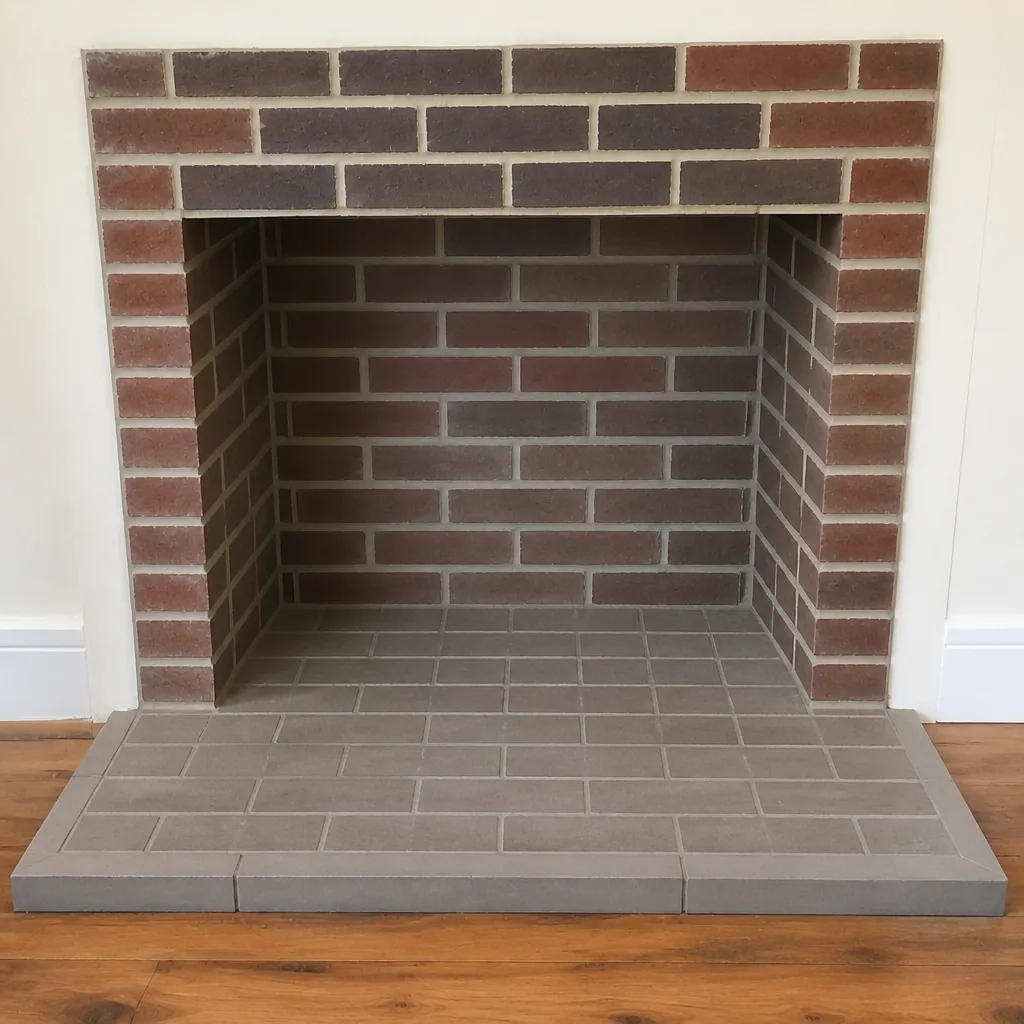
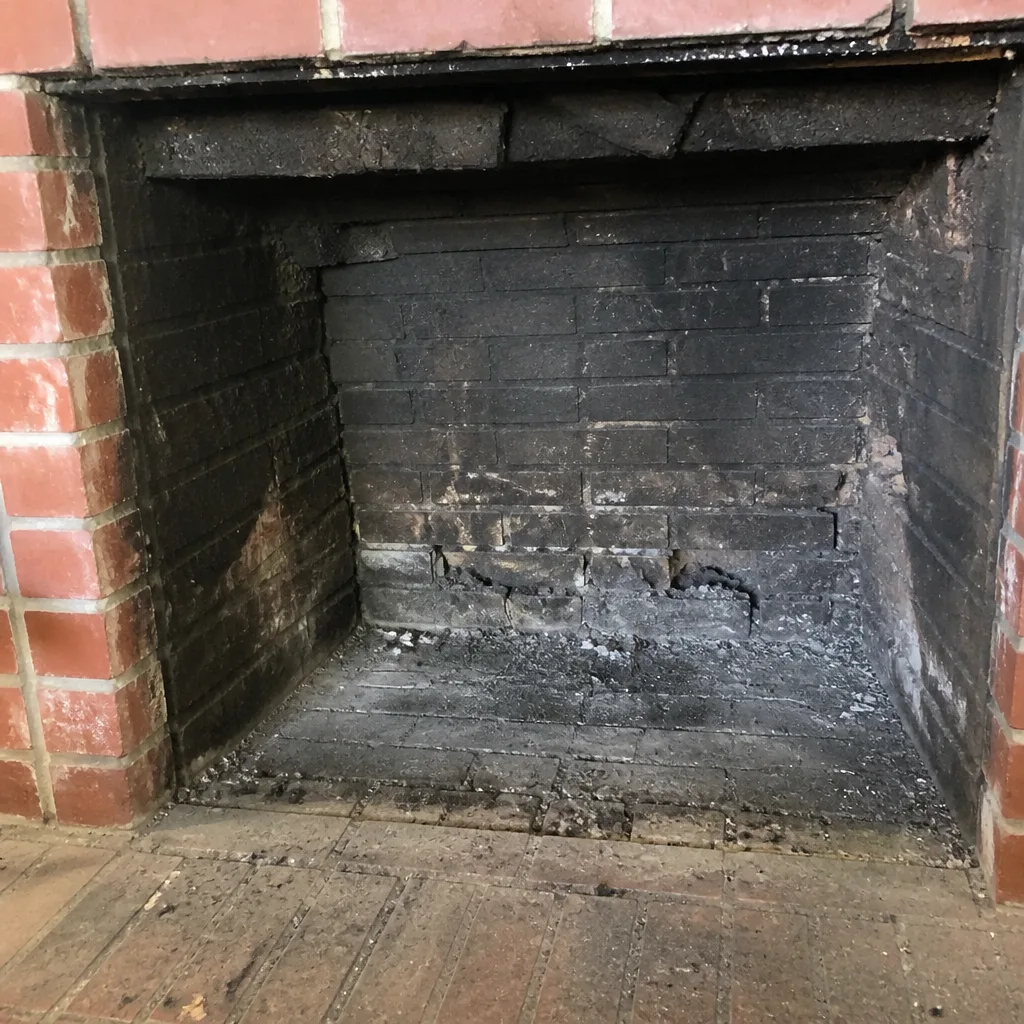
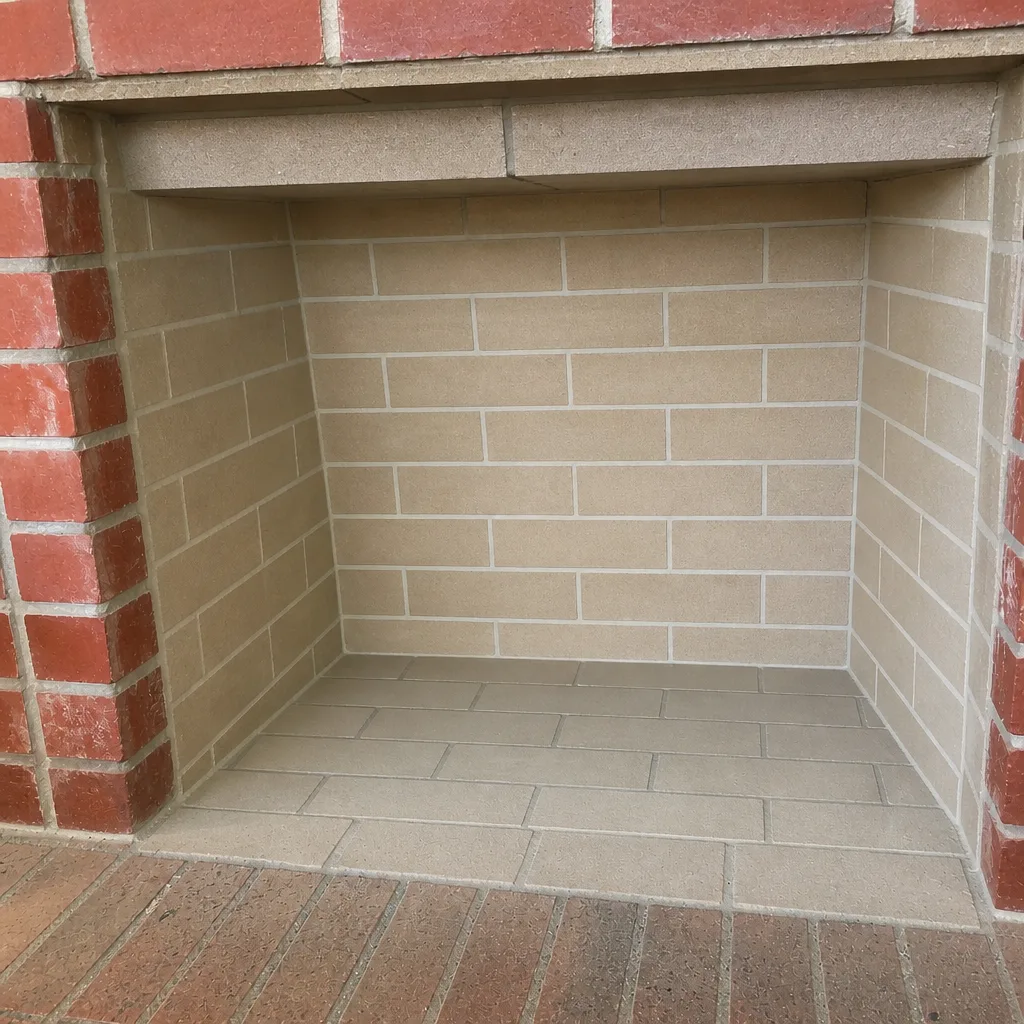
See the difference
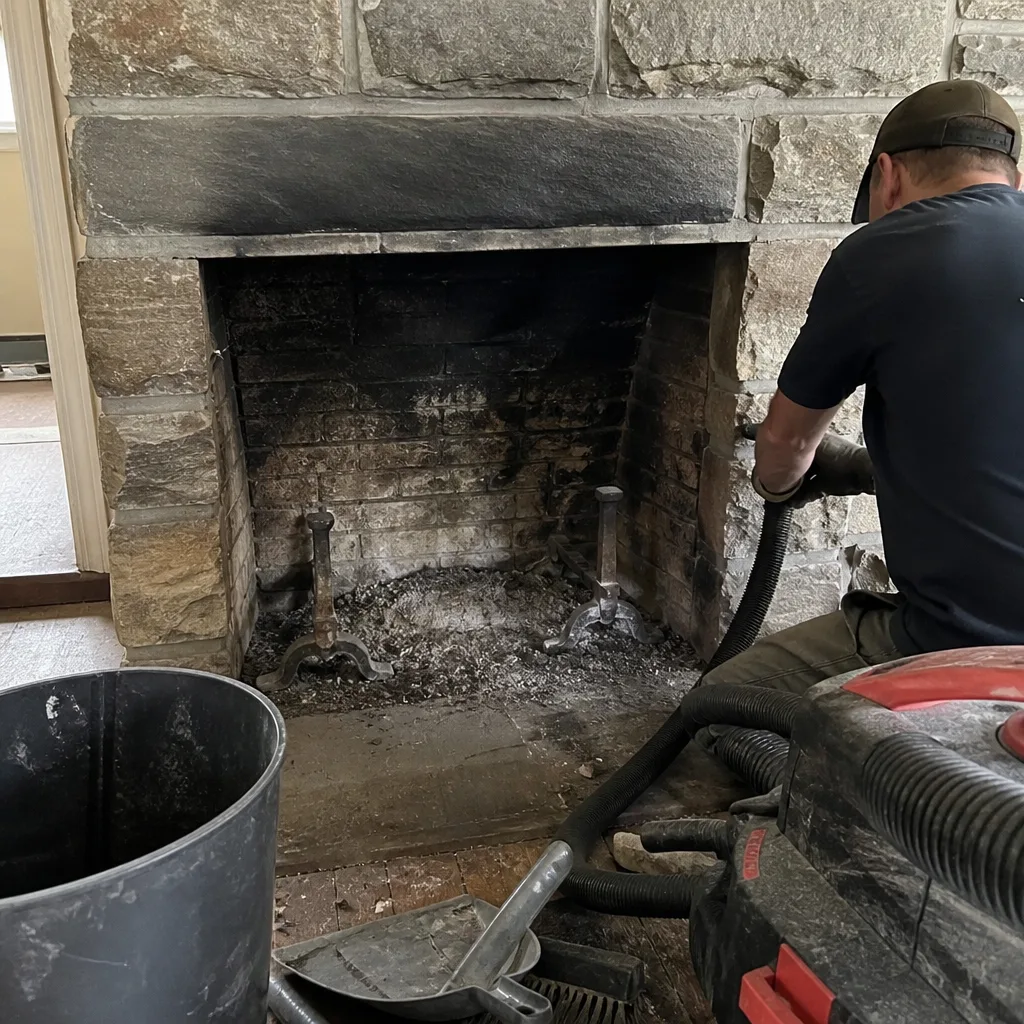 Before
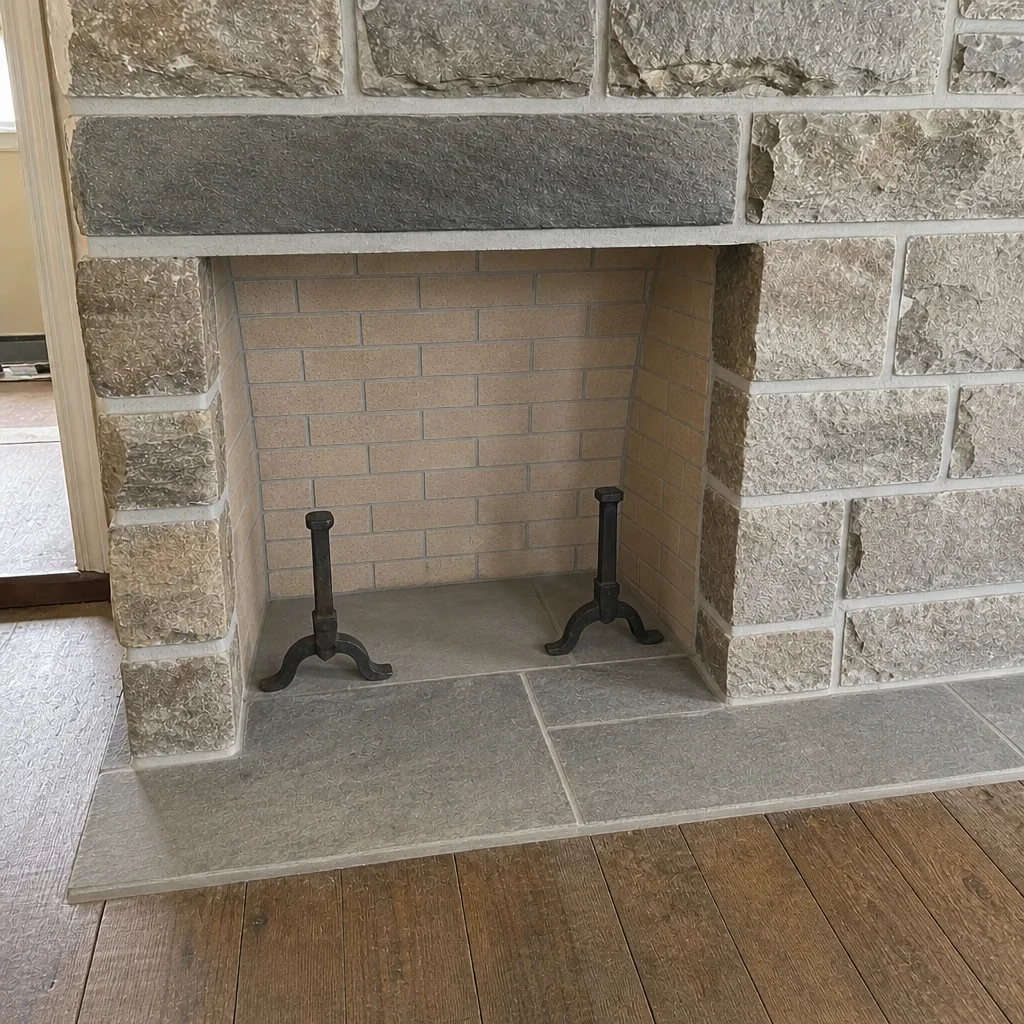 After
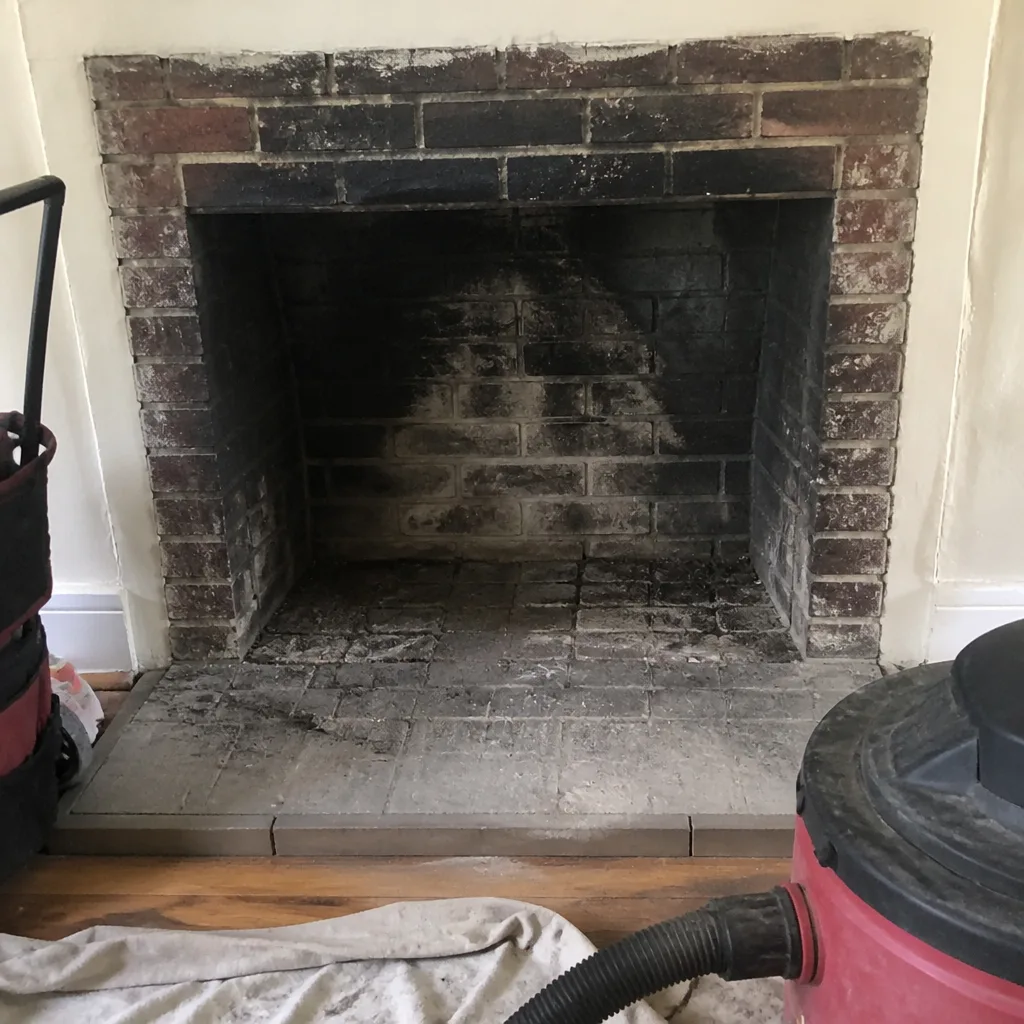 Before
 After
 Before
 After
When to Call a Professional
Call a professional when the work touches the flue system, the chimney structure, or a fuel-burning appliance connection – and when the inspection you’re relying on was done with a flashlight rather than a camera. Also call when you’re buying a home in Pittsburgh and the seller has no Level 2 on file, when you’re selling and want the documentation package in order, or when a prior chimney fire happened at any point in the property’s history and you don’t have inspection records. If the scope is clear and the permit question needs an answer, the inspection settles it. Pittsburgh Chimney Cleaning offers free estimates in Pittsburgh – call (844) 761-5636. We answer 24/7. Fast dispatch from 7am to 7pm, Sunday through Friday. The chimney repair conversation starts with the inspection, and the permit trail goes in your file.
Frequently Asked Questions
No. Routine chimney sweeping in Pittsburgh and across Allegheny County is generally permit-exempt. Sweeping removes creosote and debris without altering the flue system, and the PA Uniform Construction Code treats it as maintenance rather than construction. If the work being quoted also involves relining, appliance installation, or structural repair, that portion typically does require a permit – ask the contractor to separate the two scopes in the estimate. Call (844) 761-5636 for an exact quote – estimates are free.
Under the International Residential Code, which Pennsylvania adopts through the Uniform Construction Code, a Level 2 inspection is required upon the sale or transfer of a property. The IRC also requires it after a chimney fire and after an event likely to cause damage. In practice, most Pittsburgh real estate transactions request it through the buyer’s agent rather than as a legal check at closing. It’s camera-based, includes the accessible portions of the chimney system, and produces photo documentation the transaction can use. Call (844) 761-5636 for an exact quote – estimates are free.
Start with the City of Pittsburgh’s online permit portal if the property is inside city limits, searching by address and parcel. For older records that predate the portal, submit a written records request to the Department of Permits, Licenses, and Inspections. If the property is in a surrounding borough or township, contact that municipality’s code office directly – some administer their own records and some defer to Allegheny County or the state. Ask specifically for chimney-related permits and compare the dates to any work the seller has disclosed. Call (844) 761-5636 for an exact quote – estimates are free.
The work may still function, but it becomes an undisclosed defect from a documentation standpoint, and it can complicate an insurance claim after a fire and a home sale years later. Insurers responding to a fire claim may investigate whether unpermitted work contributed to the loss, and buyers rely on the permit trail to confirm the work was inspected. The fix is to get a Level 2 inspection, then correct the work and pull the permit retroactively through the governing municipality. It costs more than doing it right the first time. Call (844) 761-5636 for an exact quote – estimates are free.
It depends on what the camera shows. If the flue’s structural liner is intact but the mortar joints are deteriorating, HeatShield ceramic resurfacing can restore the interior without a full liner replacement – a repair rather than a structural change, and a cost-effective alternative most sweep-only operators can’t offer. If the tiles are cracked, displaced, or the liner is structurally compromised, a flexible reline with a DuraFlex or Olympia Chimney system is the right call. The inspection report is what tells you which case you’re in. Call (844) 761-5636 for an exact quote – estimates are free.
Annually, regardless of whether you’ve been burning wood every winter. The NFPA standard calls for an annual inspection, and Pittsburgh’s freeze-thaw cycles are reason enough to keep the schedule – mortar joints above the roofline take a beating every winter, and small cracks become real problems if they’re not caught. If the inspection turns up more than a sweep’s worth of cleaning, the report will say so with photos. If it doesn’t, you can wait on repairs without worrying. Call (844) 761-5636 for an exact quote – estimates are free.
The Bottom Line
Most chimney work in Pittsburgh is straightforward once the paperwork is understood. Sweeping and inspection generally don’t need a permit. Relining, rebuilding, and appliance installation usually do. A Level 2 inspection is legally tied to home sales and to chimney fires, and it’s the camera-based report your real estate transaction and your insurance carrier will both want. Permit history is available through City of Pittsburgh and Allegheny County records, and it takes an afternoon to pull before closing. Keep the documentation package from any job – permit, inspection sign-off, photo report, written estimate – alongside your home records. It’s the difference between a clean handle on your chimney and a problem someone inherits down the road.
Call (844) 761-5636 for a free estimate. We answer 24/7. Fast dispatch from 7am to 7pm, Sunday through Friday.
Written by the team at Pittsburgh Chimney Cleaning.