
Last updated November 15, 2026
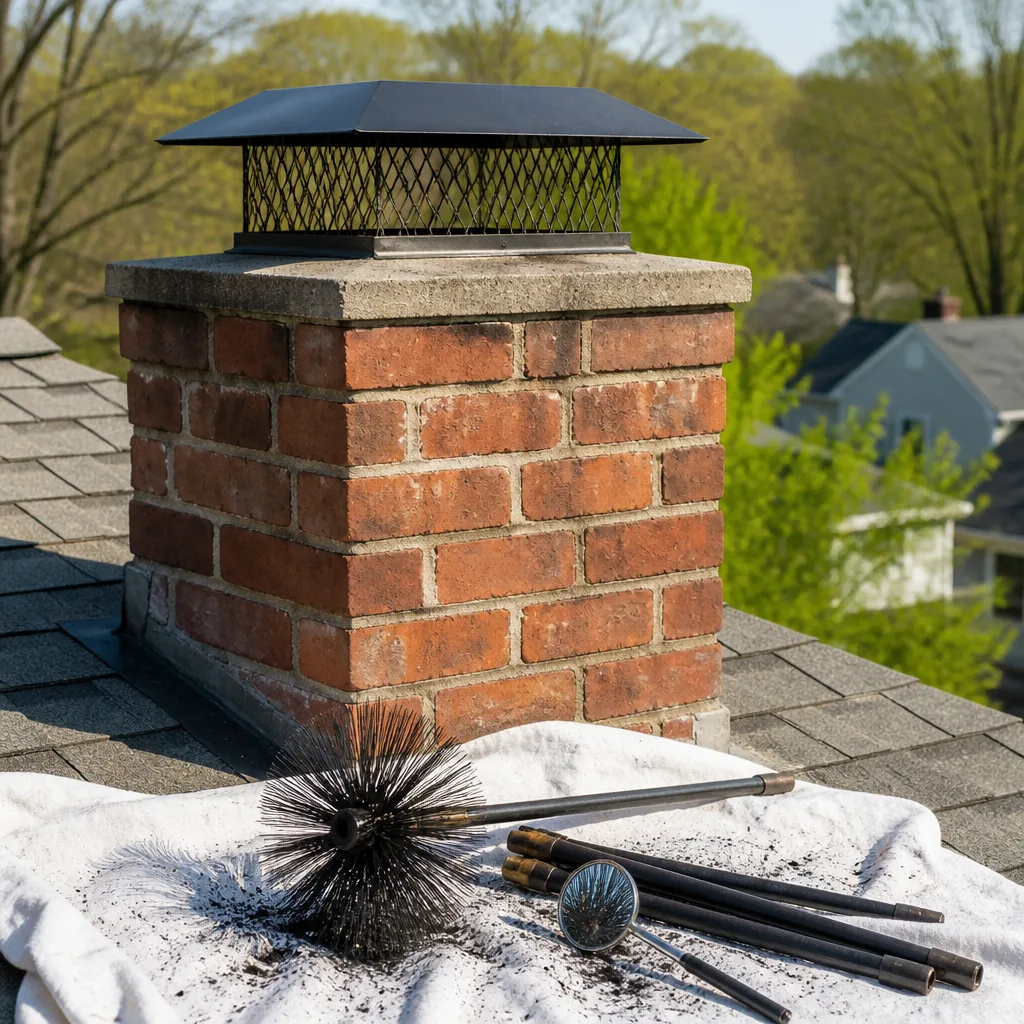 Sweep & inspection
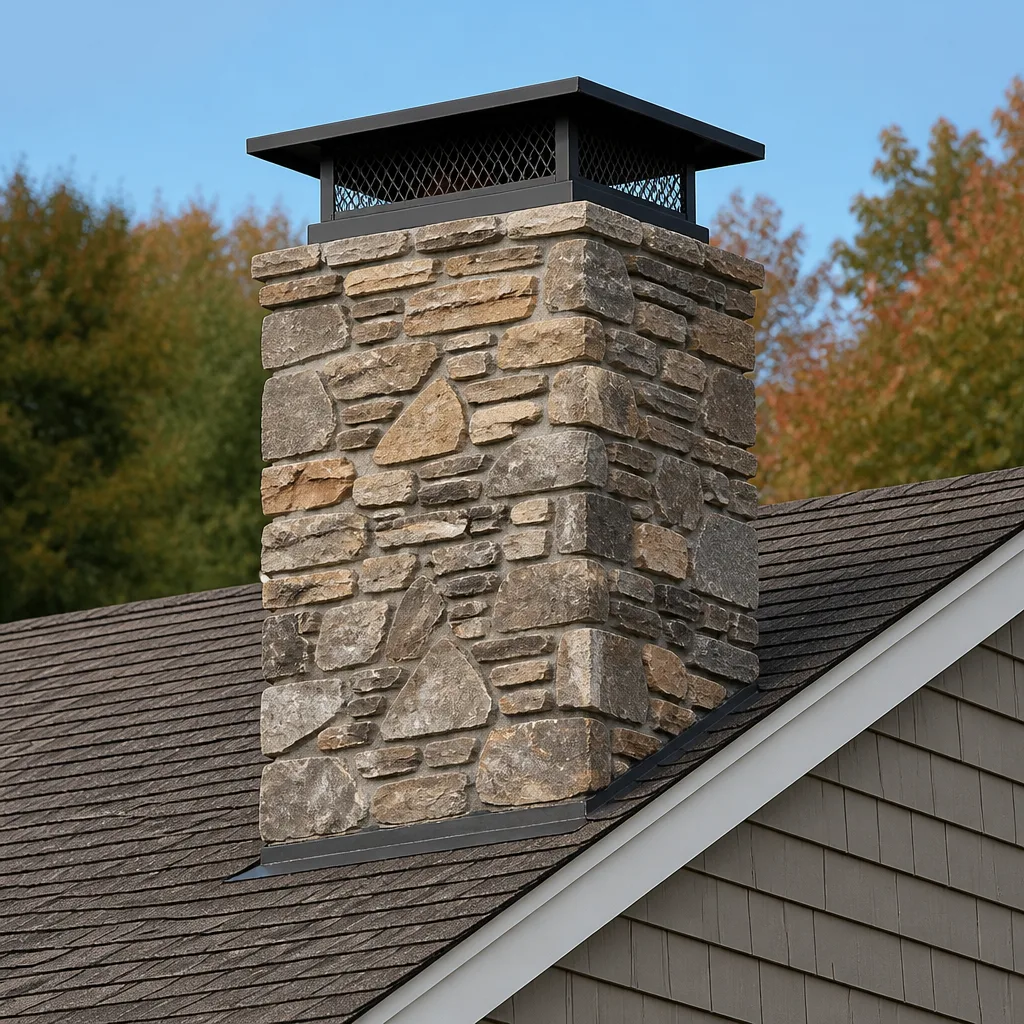 Caps & crowns
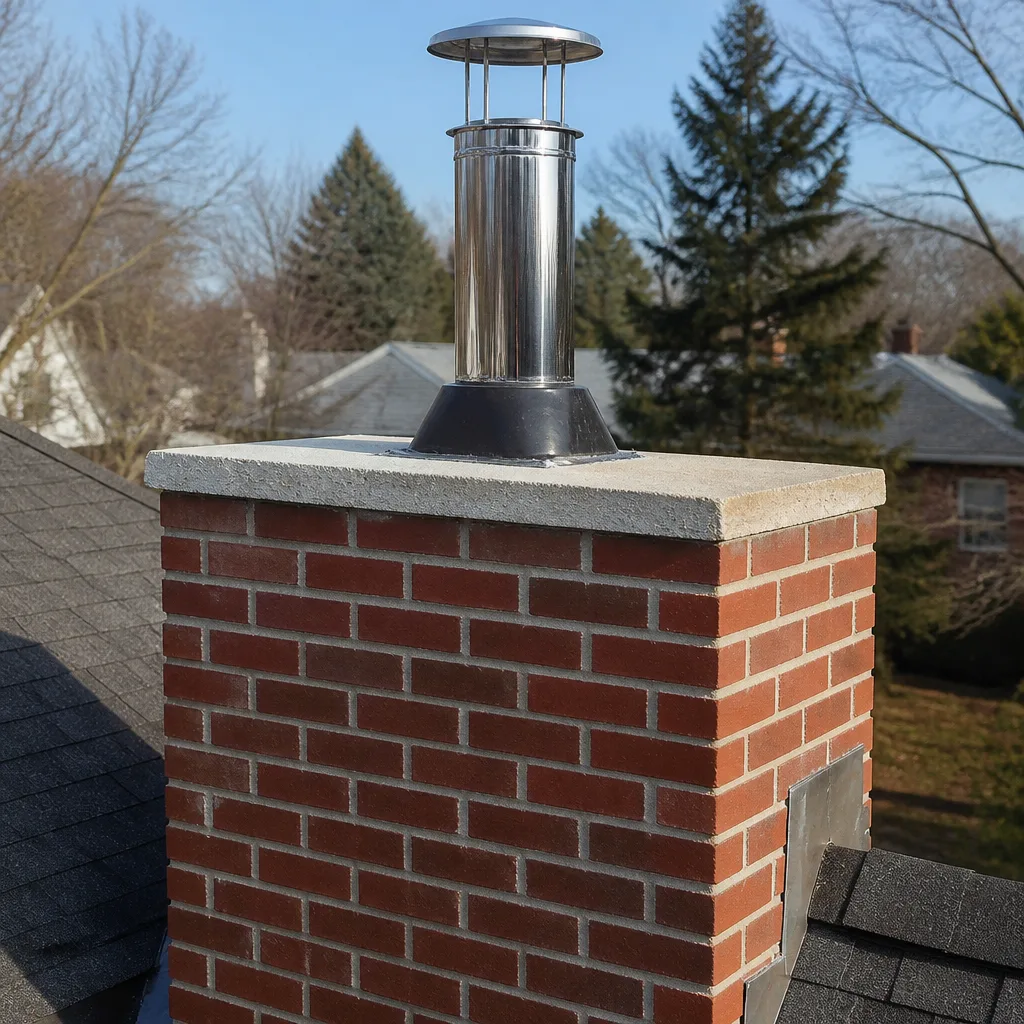 Flue relining
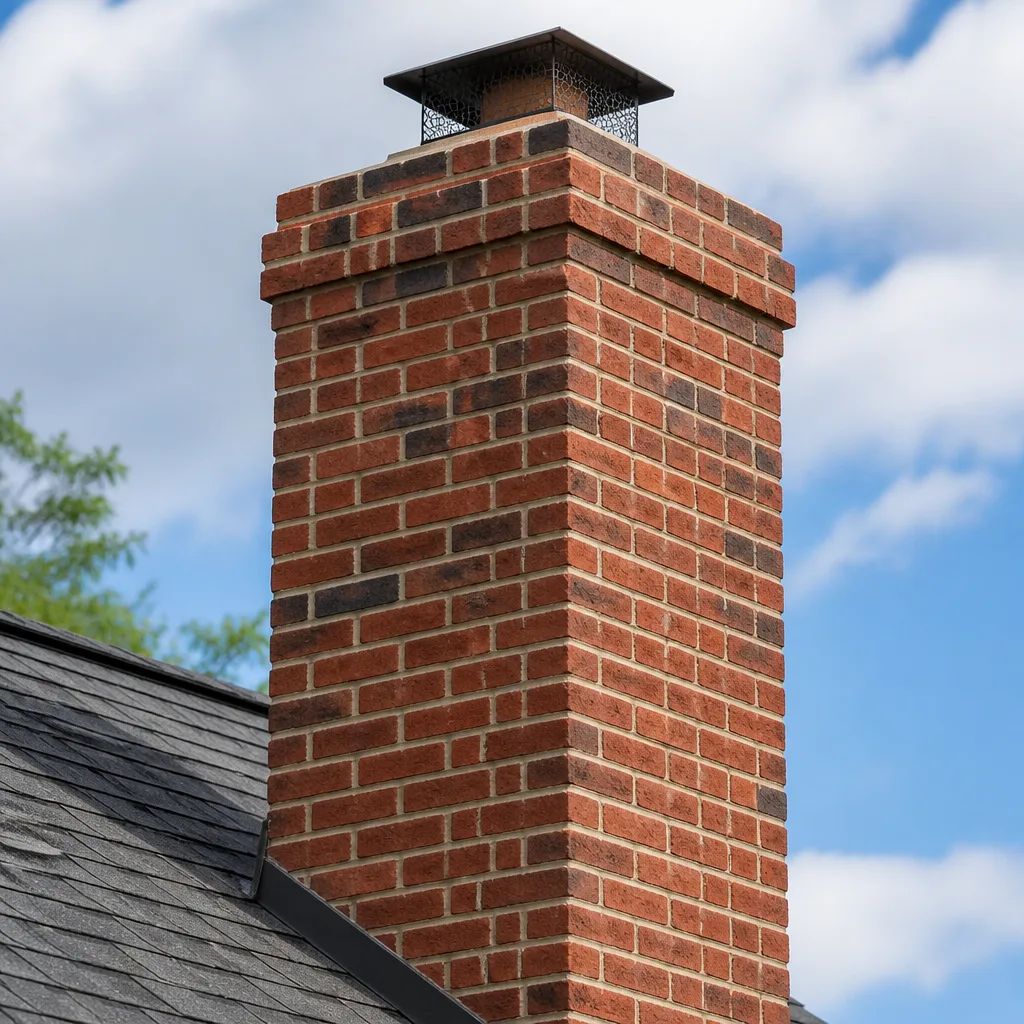 Masonry repair
 Gas fireplace service
Level 1 sweep and inspection to the NFPA 211 annual standard - flue, crown, cap, and flashing checked and photographed
Chimney sweep logs do not sweep chimneys. They loosen some creosote - which then falls where a brush and vacuum still have to collect it.
Chimney Cleaning Emergency Preparedness Guide for Pittsburgh Homes
A chimney fire doesn’t always sound like a roar. In a partially blocked or creosote-heavy flue, it can sound like a low rumble or nothing at all, and the first visible sign is often smoke coming from unexpected places in the ceiling or walls. That’s the part most homeowners aren’t ready for. Pittsburgh’s older housing stock, with its two-story layouts and mature neighborhoods, means chimney events here follow patterns worth knowing before they happen. This guide walks through what a real chimney emergency looks like, the first-ten-minutes response that keeps a contained event from becoming a structure fire, how to spot carbon monoxide risk, and what documentation you’ll need if you ever file a claim.
Quick Answer
If you suspect a chimney fire in Pittsburgh, get everyone out of the house, close the fireplace doors and the damper if you can do it safely, then call 911 – do not try to fight it with water from inside the living room. After any chimney fire, stop using the fireplace and get a Level 2 inspection before the next fire. The same applies to carbon monoxide alarms triggered near a chimney: treat it as a chimney problem until a professional proves otherwise.
Styles & brands we work with
- Sweep & inspection
- Caps & crowns
- Flue relining
- Masonry repair
- Gas fireplace service
Table of Contents
- The First Ten Minutes of a Chimney Fire
- Smoke Versus Carbon Monoxide: What Each Alarm Really Tells You
- Sudden Smoke Backdraft: The Three Pittsburgh Causes
- How to Safely Close Off a Fireplace After an Emergency
- Why a Level 2 Inspection Comes Before Any Fire After a Chimney Fire
- Documentation for Your Insurance Claim
- Preventing the Emergency in the First Place
- When to Call a Professional
The First Ten Minutes of a Chimney Fire
The first ten minutes decide whether a chimney fire stays a chimney problem or becomes a structure fire. What you do, in what order, and what you don’t do all matter. In our experience, most homeowners know they should call 911 – but they don’t know what to do in the minute before the truck arrives, and that’s where the damage usually gets worse.
The steps below are the sequence we walk through with every homeowner after a fire event, and the same sequence we’d recommend before one happens.
- Get everyone out first. Adults, children, pets. No exceptions, no detours for a coat or a phone charger.
- Close the fireplace doors. If your fireplace has glass doors, close them. If it doesn’t, close the screen and step back. Closing the doors reduces oxygen feeding the fire.
- Close the damper – only if you can reach it safely. A closed damper starves the fire of draft. But if the firebox is too hot to approach, don’t try. Close glass doors and evacuate instead.
- Call 911. Say “chimney fire” – not “smoke smell.” Pittsburgh Fire Bureau crews understand the difference and bring the right equipment. A chimney fire can burn at temperatures high enough to ignite nearby framing inside the wall without any visible flame in the living room.
- Do not spray water into the firebox. Water on a fire hot enough to crack masonry can cause an explosive steam flash and can shatter a flue tile. Save the water for the fire department.
- Wait outside. Don’t re-enter until the fire department says it’s clear.
After the fire department leaves, call a chimney professional – not the same day, but before you use the fireplace again. The fire might be out, but the flue may not be structurally sound. Skilled tradespeople in Pittsburgh will run a Level 2 inspection and tell you what the fire actually did to the chimney; that inspection is the next section.
Smoke Versus Carbon Monoxide: What Each Alarm Really Tells You
Smoke and carbon monoxide are not the same hazard, and they don’t come from the same failure mode. A smoke alarm near a fireplace is reacting to visible combustion byproducts. A carbon monoxide alarm is reacting to a colorless, odorless gas that can kill you while the living room looks completely normal. In a chimney context, CO is harder to detect precisely because the things you’d look for – smoke, smell, visible soot – may be absent.
The most common chimney-related CO source is a blocked or partially blocked flue, or a chimney that’s drafting weakly enough to pull exhaust back into the house instead of up and out. In Pittsburgh’s older two-story homes, this gets worse in two specific conditions:
- Cold-start drafts. When the flue is cold and the house is well-sealed, a chimney can struggle to establish upward draft on the first fire of the season. Downdrafting pulls exhaust into the room before the flue warms enough to pull it up.
- Pressure imbalances on upper floors. Second-story bedrooms can sit in a pressure zone that pulls air down the chimney instead of up it, particularly when a bath fan, kitchen exhaust fan, or furnace is running. That’s how CO ends up in a bedroom rather than a living room.
CO alarm placement matters more than most people realize. Put a CO alarm on every level of the house, and specifically in hallways outside sleeping areas on upper floors – not just in the basement near the furnace. In Pittsburgh’s older two-story layouts, basements and upper bedrooms are exactly the rooms where a CO event can concentrate without anyone noticing until morning.
If a CO alarm goes off and you have a wood-burning fireplace or wood stove, get out, call 911, and treat the chimney as the suspected source until a professional rules it out. That’s a Level 2 inspection call, not a wait-and-see.
Sudden Smoke Backdraft: The Three Pittsburgh Causes
When smoke suddenly rolls into the living space instead of going up the chimney, a Pittsburgh house is usually expressing one of three things: pressure differential, blocked flue, or failed damper. Each one looks similar in the moment – the room fills with smoke – but each is a different problem and each needs a different response.
1. Pressure differential
Modern air sealing and exhaust fans can pull air out of a house faster than it can be replaced, so the chimney “pulls” backward, down into the room instead of up and out. This is common in older homes that have been weatherized without anyone thinking about the make-up air side of the equation. It feels like the chimney is broken, but the chimney may be fine – it’s the pressure balance that’s off.
2. Blocked flue
A partial blockage – a degraded mortar joint, a broken tile flung loose, a bird or squirrel nest, a buildup of creosote that narrowed the flue opening – can force smoke out the firebox instead of up. Pittsburgh’s tree canopy and older masonry chimneys make this a real risk here. A blocked flue is also the most dangerous backdraft cause, because a blockage that stops smoke can also stop CO from venting.
3. Failed damper
A damper that won’t open fully, opens raggedly, or has rusted into a partially closed position restricts flow and pushes smoke into the room. This one tends to show up gradually – the fireplace smokes more than it used to, then one night it really smokes.
If smoke comes into the room, the immediate steps are the same as for a chimney fire: open a nearby window to relieve pressure, get out if the smoke is heavy, and call 911 if there’s any sign of fire beyond the firebox. Then get it inspected. Our chimney sweep team starts every visit with an inspection – the video scope tells you which of these three causes you’re actually dealing with, rather than guessing.
How to Safely Close Off a Fireplace After an Emergency
After a chimney emergency, the fireplace needs to be taken out of service until it’s been inspected and cleared. The safe way to do that is to close it off with materials that won’t create a secondary problem – and that last point is where many homeowners go wrong.
Do this:
- Remove all remaining ash and unburned wood once the firebox is completely cool, using a metal ash can with a lid. Never assume ash is dead after a few hours.
- Close the damper and the glass doors if the fireplace has them. This is your first line of defense against smells and backdrafts.
- Place a rigid barrier across the firebox opening – a piece of plywood cut to fit, or heavy cardboard – and tape the edges. The goal is a temporary physical block, not a permanent seal.
- Post a note on the fireplace or the wall above it stating that the chimney is out of service pending inspection. That note protects you if you have guests or contractors in the house.
What not to do: don’t stuff the opening with towels, blankets, or newspaper. Fabric catches fire, and in the humid Pittsburgh shoulder seasons, fabric stuffed tight against a masonry surface adds moisture to a space that can’t dry, which is a mold problem waiting to happen. Don’t put a plastic sheet directly against masonry either – condensation and trapped moisture are the issue. Don’t spray expanding foam into the firebox, and don’t seal with silicone caulk “until you can deal with it.” A chimney is a masonry assembly that needs to breathe; sealing it off for the wrong reason makes the eventual repair harder and more expensive.
The right closing-off period is measured in days, not months. Get the inspection booked now, and get the system back into known condition before the next burning season.
Why a Level 2 Inspection Comes Before Any Fire After a Chimney Fire
After any chimney fire, the next fire should not happen before a Level 2 inspection. This is not just our preference – it’s the standard the chimney trade follows, and the same standard recommended by municipal fire safety guidance across the country. A chimney fire can damage a flue liner in ways that aren’t visible from the ground: a cracked tile, a degraded mortar joint between tiles, or a warped stainless liner can all be present while the chimney appears intact from the driveway.
A Level 2 inspection is what you need because it includes a video scan of the flue interior – the only way to see what actually happened inside the chimney. The scope shows:
- Flue tile condition – cracks, spalling, gaps at the joints.
- Creosote levels and distribution – glazed creosote is a fire risk on the next burn.
- Liner integrity – masonry, clay tile, or a stainless liner system installed by a prior homeowner.
- Structural issues from the fire – damage to the crown, the smoke chamber, or the chimney’s exterior masonry.
- Obstructions – a piece of tile or mortar flung loose during the fire can sit in the flue waiting for the next fire to push it into the smoke path.
This is where a full-service chimney contractor matters. A sweep-only crew can hand you a report and recommend a repair contractor; we sweep, inspect, and repair under one roof, which means the same contractor who diagnoses the problem is qualified to fix it. If the tiles are cracked, we can evaluate whether chimney repair with a HeatShield ceramic resurfacing application is the right call – that’s a restoration option for deteriorating mortar joints and liner damage that avoids a full liner replacement in the right conditions. If the liner has actually failed, or the structure of the flue is compromised, we work with DuraFlex flexible liner systems, which are the same professional-grade materials specified by certified chimney contractors. We’ll tell you which category you’re in, and we’ll say so plainly if the work can safely wait.
Two things to remember about the inspection timeline. First, some masonry damage gets worse the longer it sits – a hairline crack in a crown becomes a water intrusion problem after a few winters. Second, some liners are actually fine after a light fire and don’t need to be replaced. You can’t know which one you have until the camera goes in.
Documentation for Your Insurance Claim
If you’re filing an insurance claim after a chimney fire or CO event, the post-event Level 2 inspection report is the document that does the heavy lifting. It’s what tells your adjuster, in technical terms, what happened to the chimney and what it will take to make it right.
Here’s what a post-event Level 2 report should contain, and what we put into ours:
- Date and property identification. Address, the condition of the chimney at the start of inspection, and the reason the inspection was ordered (in this case, a post-fire event).
- Video scan findings. Interior flue footage, described in plain language: where the damage is, what it looks like, how extensive. The video itself should be part of the report, not just described.
- Exterior and accessible interior inspection. Crown, cap, flashing, brick and mortar joints, smoke chamber, damper, firebox condition.
- Photos of any damage – crown cracks, tile cracks, firebox spalling, smoke staining, damaged components.
- Recommendations with a scope of work. What needs to be repaired, what needs to be replaced, and what can wait. The “what can wait” column matters; adjusters respond to a clearly prioritized report.
- Photographs of any fire department markings or on-scene conditions, if relevant to the claim.
Keep your fire department report or incident number too – most carriers will ask for it. If your fireplace has a chimney cap or flashing damaged by the event, we use Famco and Gelco components for caps and flashing, and those replacements show up on the report as line items your insurer can process. A well-documented report is the difference between a claim that gets approved quickly and one that goes back and forth for weeks.
If the adjuster wants to send their own inspector, that’s normal. Our report is written in the same technical language a claims inspector reads, which means the two reports usually line up – and when they don’t, you have the video to show exactly why.
Preventing the Emergency in the First Place
Chimney fires in Pittsburgh are, in a literal sense, predictable. They tend to happen in the same conditions, on the same kinds of systems, in the same part of the season. That’s good news for homeowners, because predictable means preventable.
The most common pattern is creosote. Creosote is the residue of incomplete combustion – it builds up in the flue faster when wood is wet, when the fire burns low and smolders, and when the flue is cool. A chimney with a heavy creosote load can ignite after a single hot fire, which is why the fire often happens on the first really cold night of the season, or after a homeowner has returned from a trip and built a fire to warm the house. The fire might burn just long enough to crack the flue liner and then extinguish itself – leaving no obvious sign anything happened.
The prevention list is short:
- Get a chimney sweep and inspection before the burning season starts, and after any event. A sweep removes the fuel load; an inspection finds the damage.
- Burn dry wood – properly seasoned, low moisture. Wet wood builds creosote faster than anything else.
- Don’t burn trash, wrapping paper, or treated wood. All three contribute chemicals and compounds that shorten a flue’s life.
- Make sure a chimney cap is fitted. Caps keep rain and animals out. Famco and Gelco caps and flashing are the ones we use because they hold up in Pittsburgh’s freeze-thaw winters.
- Check CO alarms and smoke alarms monthly and replace batteries on the same schedule every fall.
- Watch the draft. If the fireplace has started smoking back into the room, that’s the chimney asking for inspection. Fix it before the first cold night.
If you’ve deferred chimney maintenance for a few seasons, this is the year to catch up. A professional sweep visit is quick, and the inspection findings give you a real picture of where things stand. Start with an inspection – then you know exactly what you’re dealing with.
Common Mistakes to Avoid
- Fighting a chimney fire from inside. Water sprayed into a firebox at chimney-fire temperatures can flash to steam and injure you, and it can shatter flue tiles. Get out and call 911.
- Using the fireplace before the post-fire inspection. The chimney may look fine from the living room, but a cracked flue tile won’t be visible from the firebox. The next fire pushes CO and smoke into places it shouldn’t go.
- Sealing a closed-off firebox with towels or plastic. Fabric is a fire hazard and plastic traps moisture against masonry. In Pittsburgh’s humid springs, that turns a temporary problem into mold.
- Assuming a CO alarm near the furnace covers the chimney. It doesn’t. Upper floors and sleeping areas are where a downdrafting chimney sends CO, so alarms need to be there.
- Hiring a sweep who can’t perform the repair. A sweep-only crew will find the problem and hand you off. Choose a contractor with sweep, inspect, and repair under one roof so the diagnosis and the fix stay with the same accountable party.
- Waiting until winter to book the sweep. Pittsburgh’s first cold snap is when everyone wants a sweep on the same week. Book it in early fall, before the rush.
- Ignoring a smoking fireplace. Occasional smoke is a draft issue. Repeated smoke is a chimney asking for help, and it’s usually cheaper to address before it becomes a chimney fire.
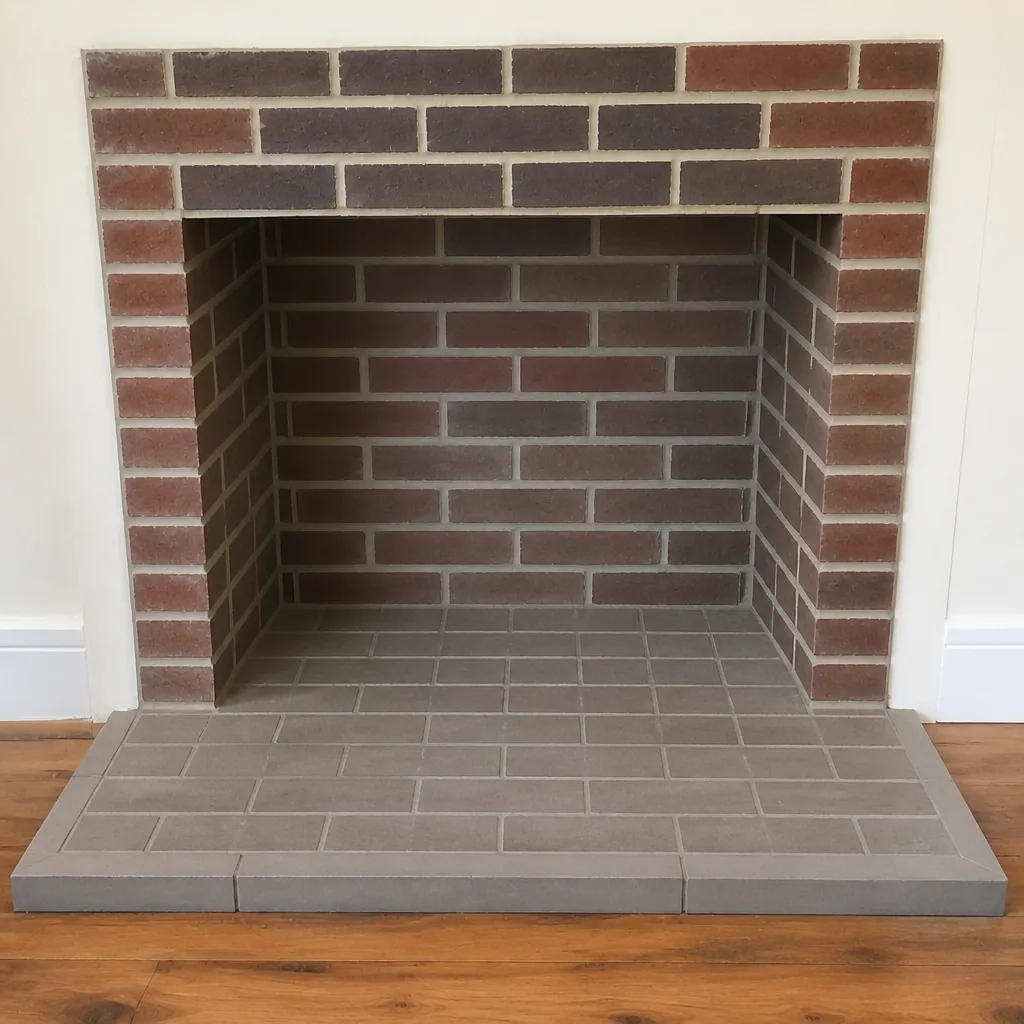
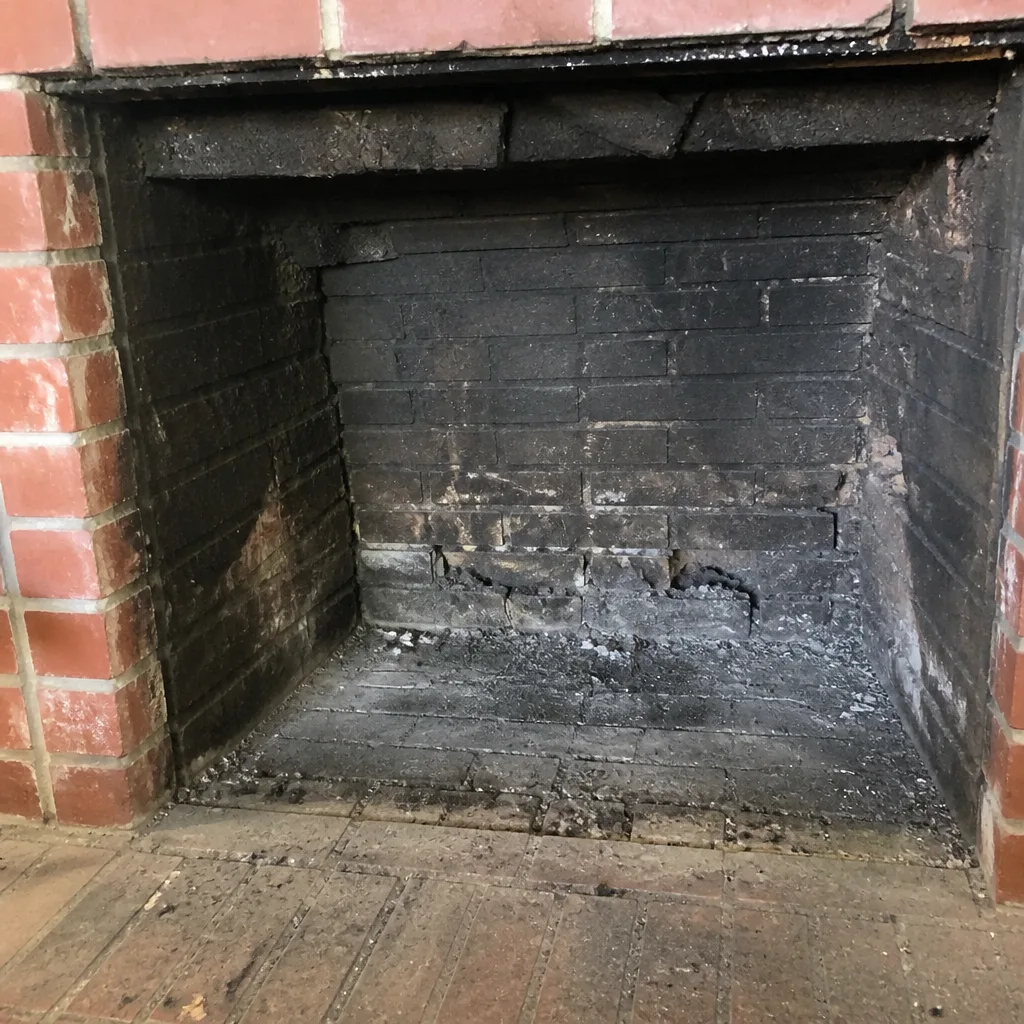
See the difference
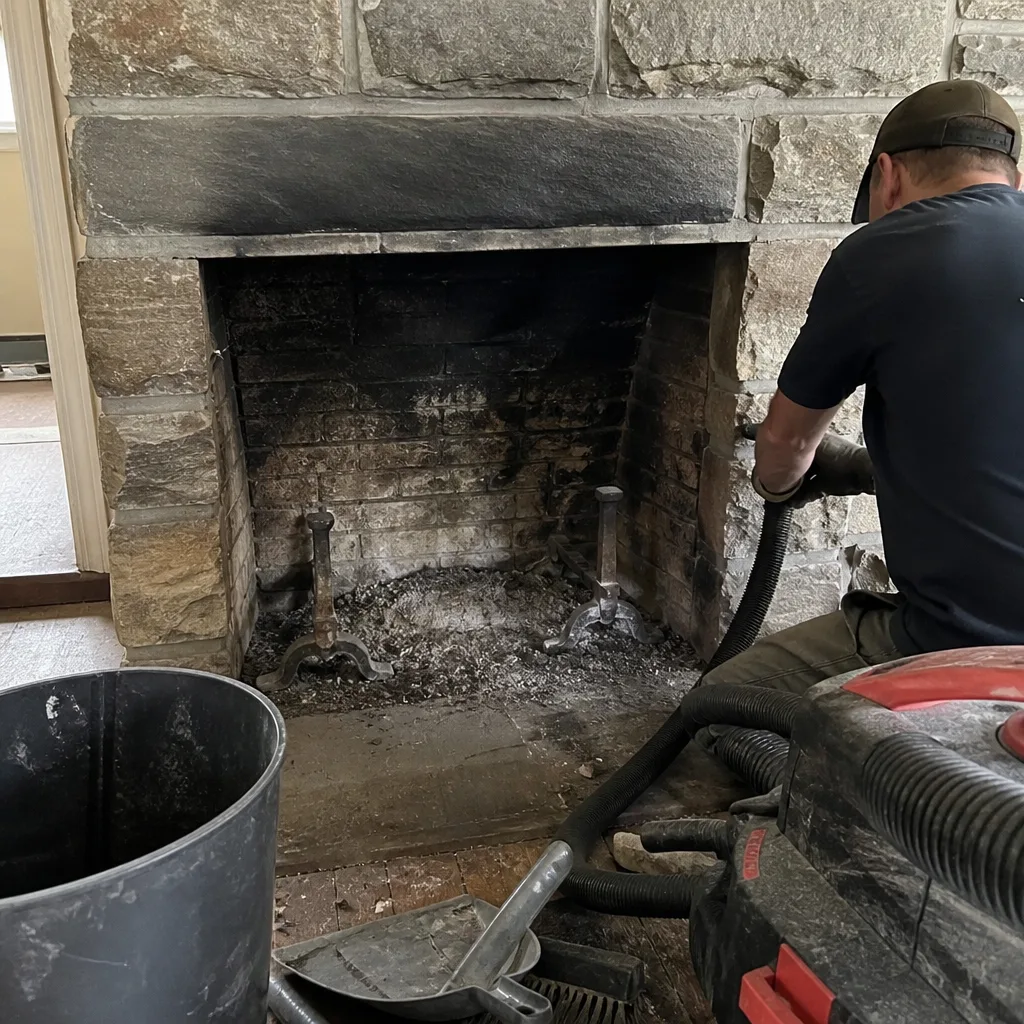 Before
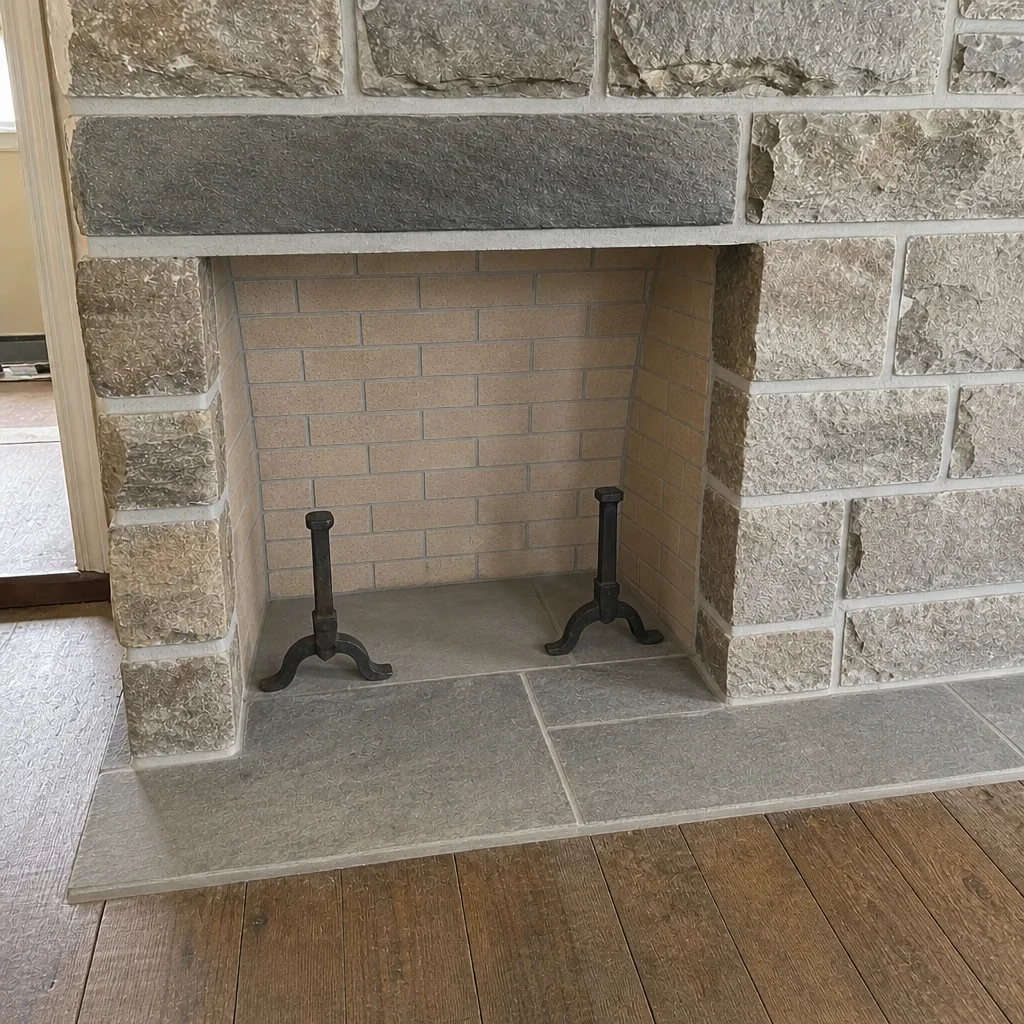 After
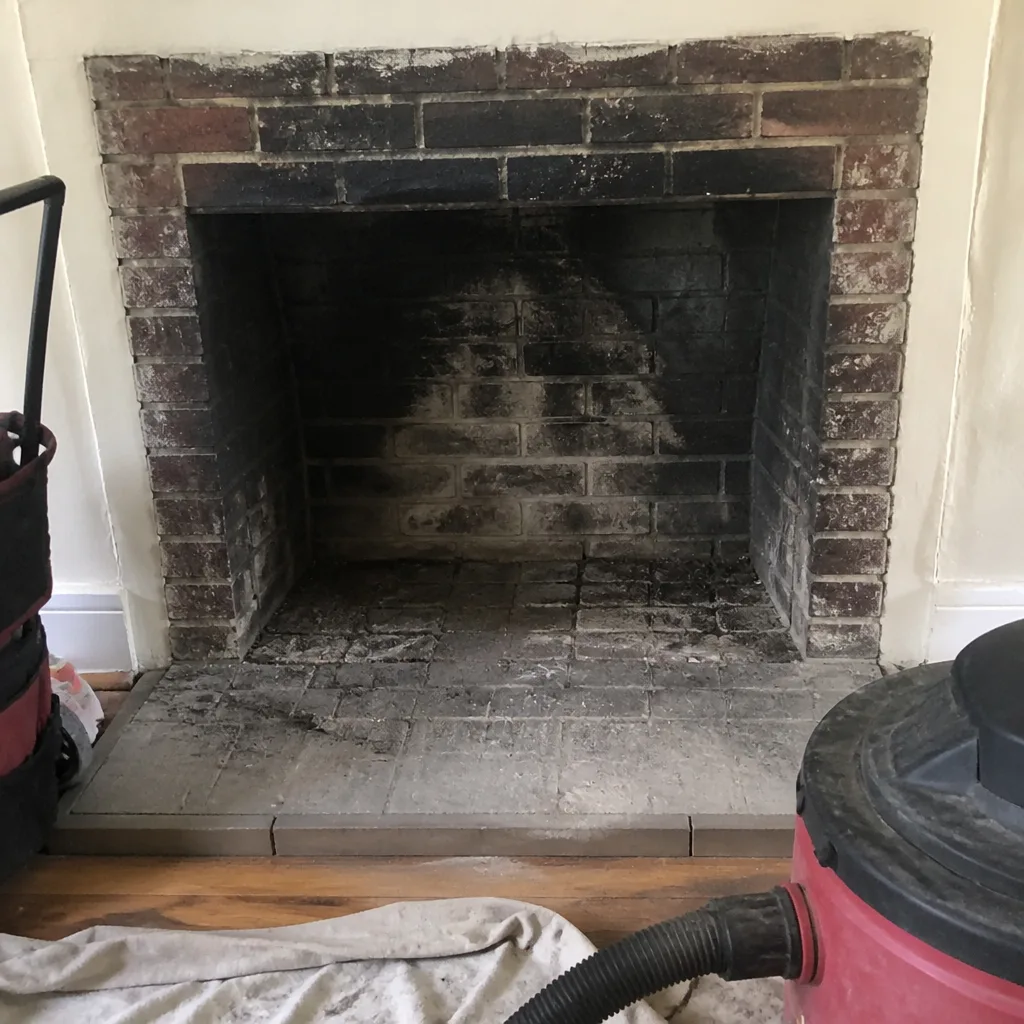 Before
 After
 Before
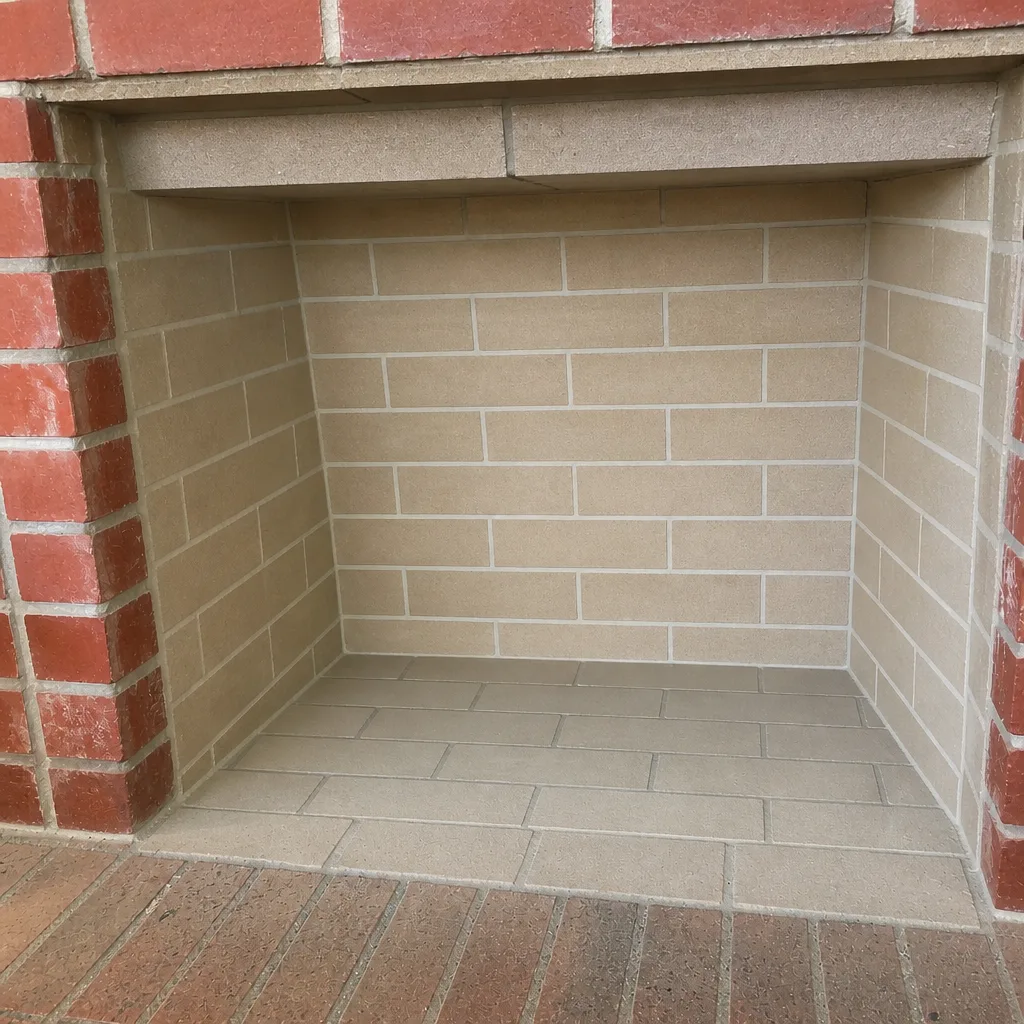 After
When to Call a Professional
Call a chimney professional after any chimney fire, after any CO alarm tied to a fireplace or wood stove, after any backdraft event that filled a room with smoke, or when a firebox shows new cracks, staining, or fallen debris. Call us when the fireplace has started smoking unpredictably, when the damper is hard to operate, or when you’ve moved into a house in Pittsburgh and don’t know its service history. And call after a chimney cap goes missing – an open flue is a creosote and wildlife problem in a city with Pittsburgh’s tree population. The team at Pittsburgh Chimney Cleaning offers free estimates in Pittsburgh – call (844) 761-5636. Our technicians have up to 14 years of experience and can start with a Level 2 inspection so you know exactly what you’re dealing with before anything gets recommended.
Frequently Asked Questions
A standard chimney sweep and basic inspection typically falls in the low hundreds of dollars for most Pittsburgh homes, and the written estimate sets the final price. Pricing depends on the flue type, liner configuration, and whether the job includes a Level 2 inspection with video. Call (844) 761-5636 for an exact quote – estimates are free.
Not always. A light fire in a sound flue may leave the liner fully intact, and the video scan is the only reliable way to know. If a HeatShield ceramic resurfacing application can restore deteriorating mortar joints without a full replacement, we’ll recommend that first. If the liner itself is cracked or compromised, a new liner system is the correct fix. Either way, the recommendation should come with camera evidence you can see for yourself.
Sweep wood-burning fireplaces and wood stoves once a year during the burning season, and after any chimney fire event regardless of timing. Gas appliance venting also needs annual inspection, even though it doesn’t build creosote the way wood does. Pittsburgh’s long burning season and older housing stock mean the “once a year” rule is a floor, not a ceiling.
Creosote accumulates in the flue and becomes the fuel for a chimney fire on the next hot fire – and a fire you don’t notice can still crack the liner. Skipping a sweep also means any small issue, like a hairline crown crack or a loosening tile joint, gets worse over the season. Neither of those is an emergency, but both catch up with you eventually. Call (844) 761-5636 to book a sweep – estimates are free.
No. A clear, unrestricted flue produces the classic roar most people picture. A partially blocked or heavily creosoted flue can produce a low rumble, or nothing audible from the living room. That’s why “no loud noise” is not the same as “no fire” – and why any smoke coming from unexpected places in the walls or ceiling should be treated as a suspected chimney fire.
Most homeowner policies cover chimney fire damage, but the post-event Level 2 inspection report is what your adjuster will base the decision on. The report should include interior video, photographs of damage, and a clearly prioritized scope of work. That documentation is part of what we deliver after a fire event.
A Level 1 inspection is a visual check of the readily accessible portions of the chimney during a routine sweep. A Level 2 inspection adds a video scan of the flue interior and is what’s needed after a chimney fire, after a change in the system, or before a home sale. The video scan is what catches the cracked tile a visual inspection misses.
The Bottom Line
Chimney emergencies in Pittsburgh follow patterns – the first cold night, a smoldering fire, a partially blocked flue. The first ten minutes matter most: get everyone out, close what you can safely reach, call 911, and don’t use water from inside the room. After any fire, any CO alarm, or any unexplained backdraft, get a Level 2 inspection before the next fire – and get the report written in a form your insurer can act on. Prevent the emergency the rest of the year with a sweep before the burning season, dry wood, a fitted chimney cap, and working CO alarms on every floor. If something feels off with a chimney you haven’t had looked at in a while, book the inspection now rather than in January.
Call (844) 761-5636 for a free estimate. We answer 24/7. Fast dispatch from 7am to 7pm, Sunday through Friday. We’re closed Saturday.
Written by the team at Pittsburgh Chimney Cleaning.