
Last updated November 15, 2026
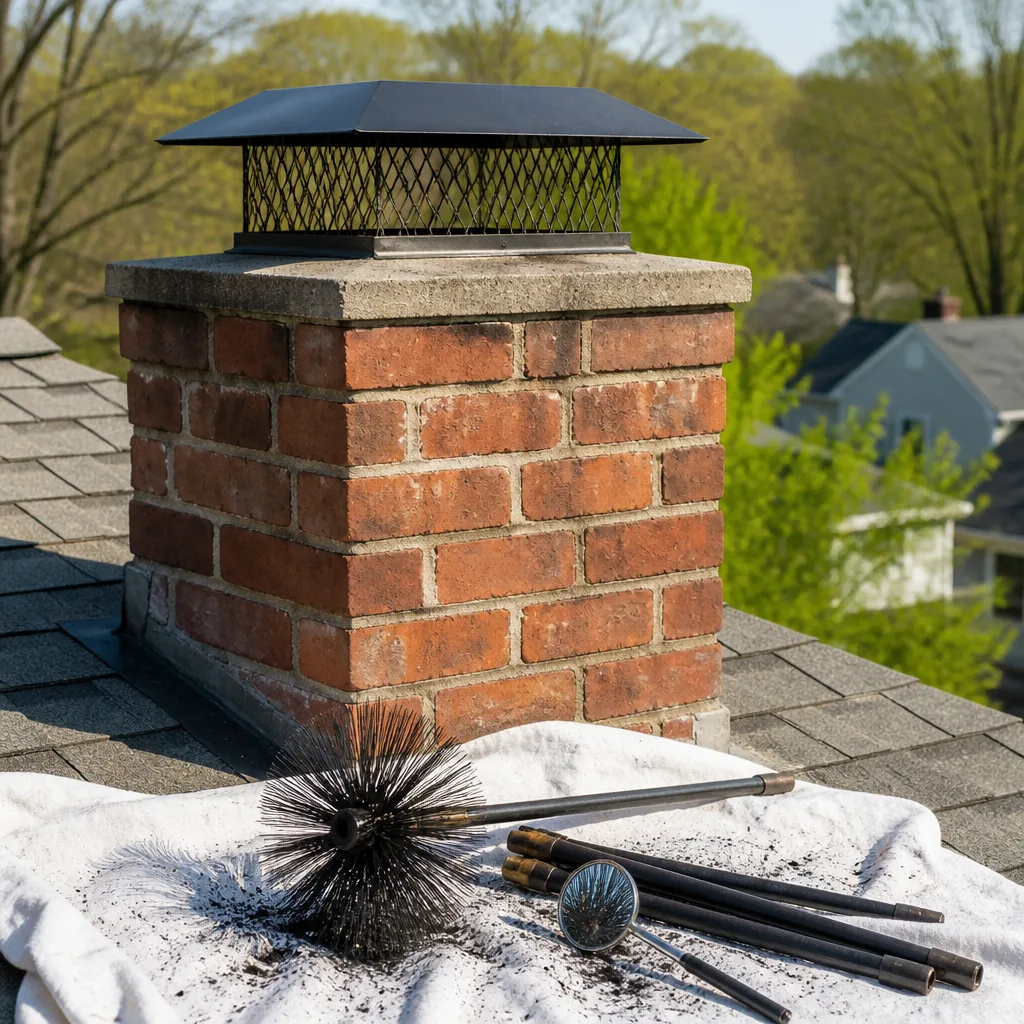 Sweep & inspection
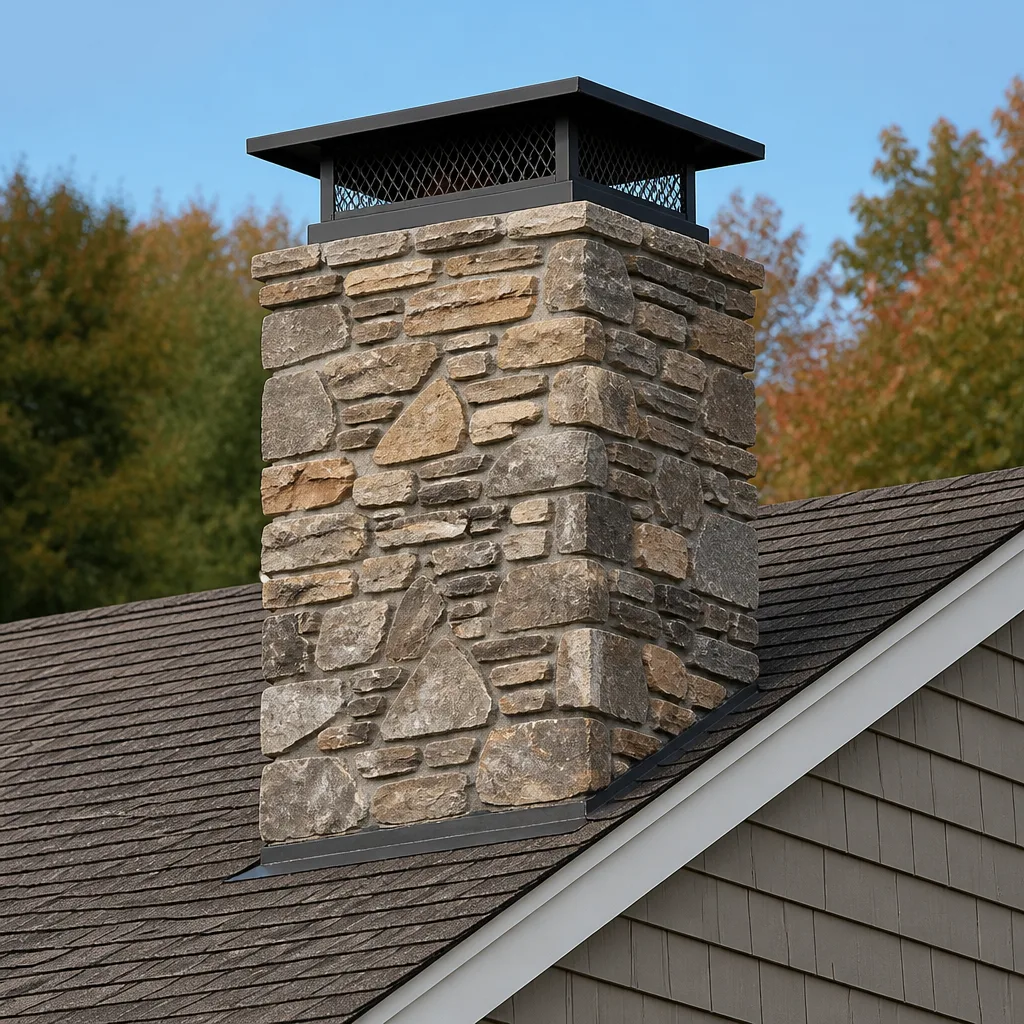 Caps & crowns
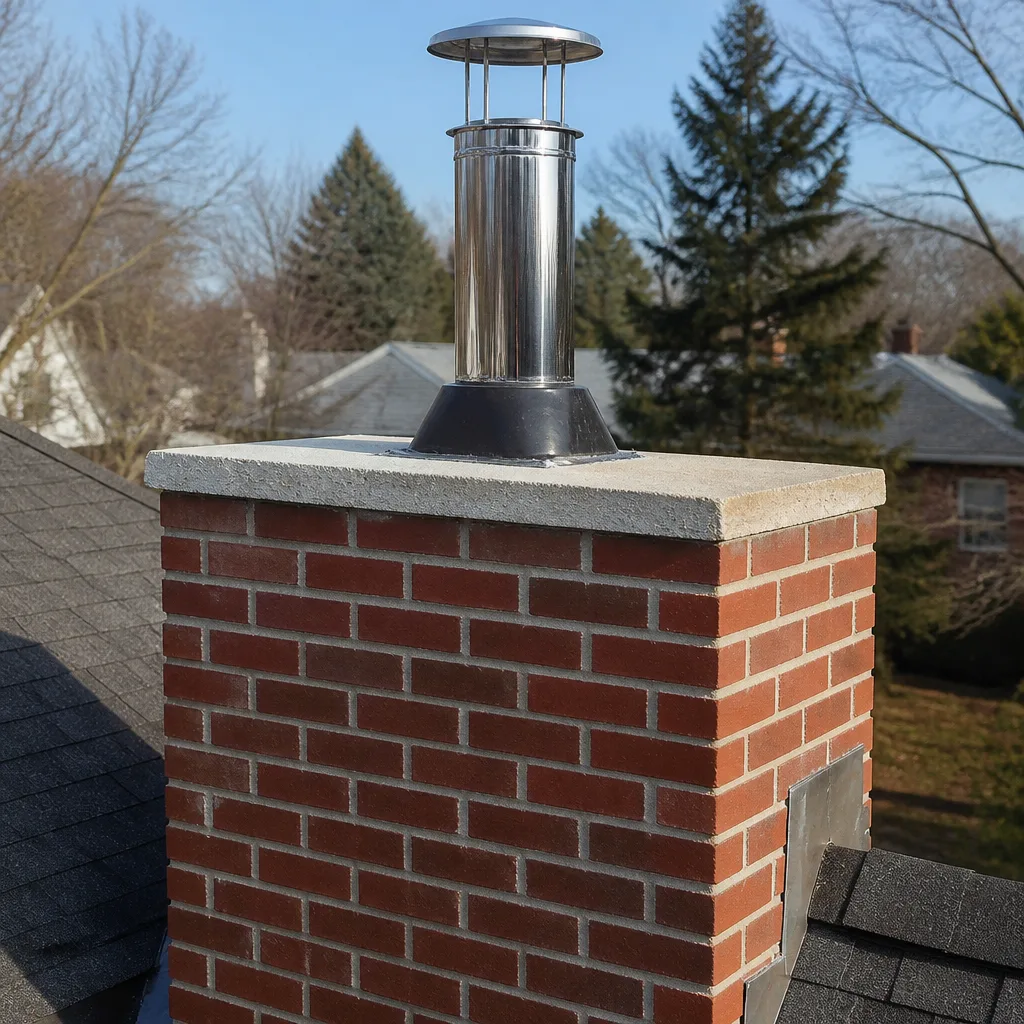 Flue relining
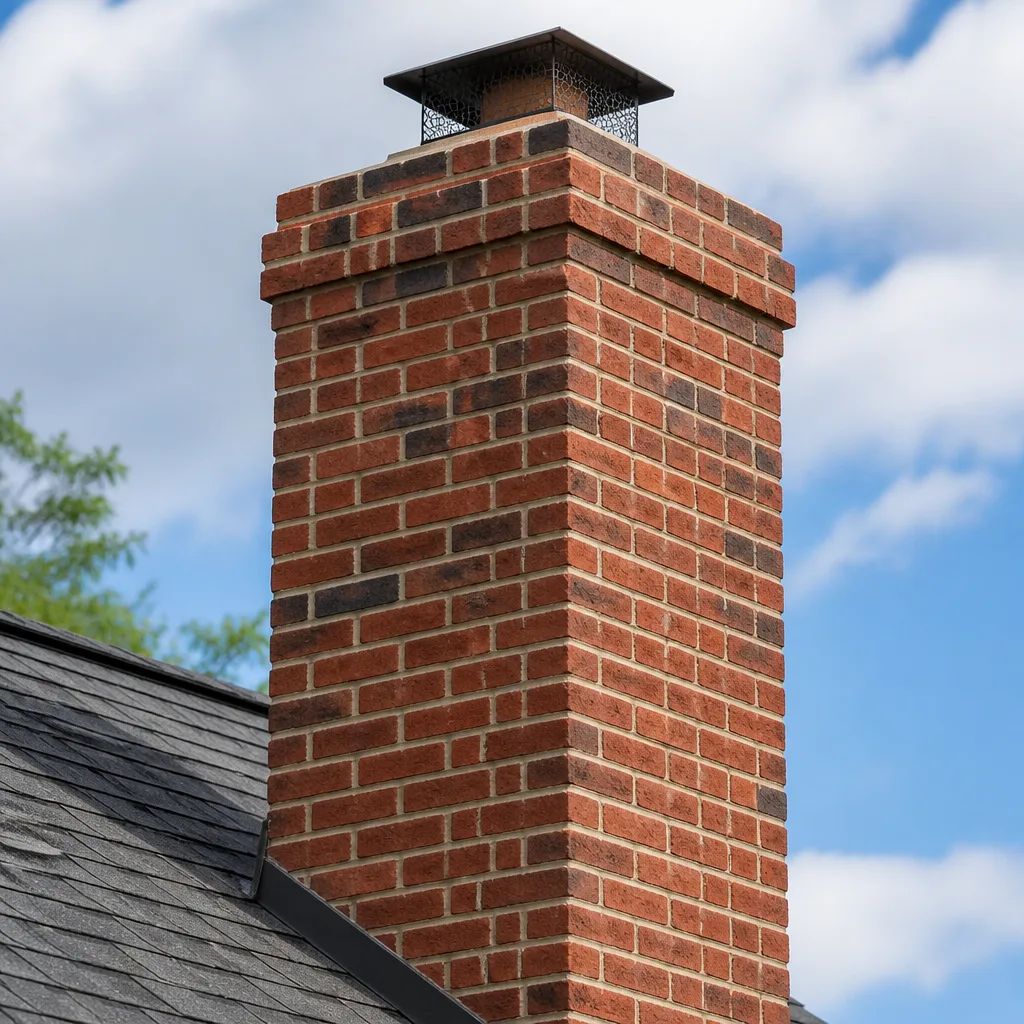 Masonry repair
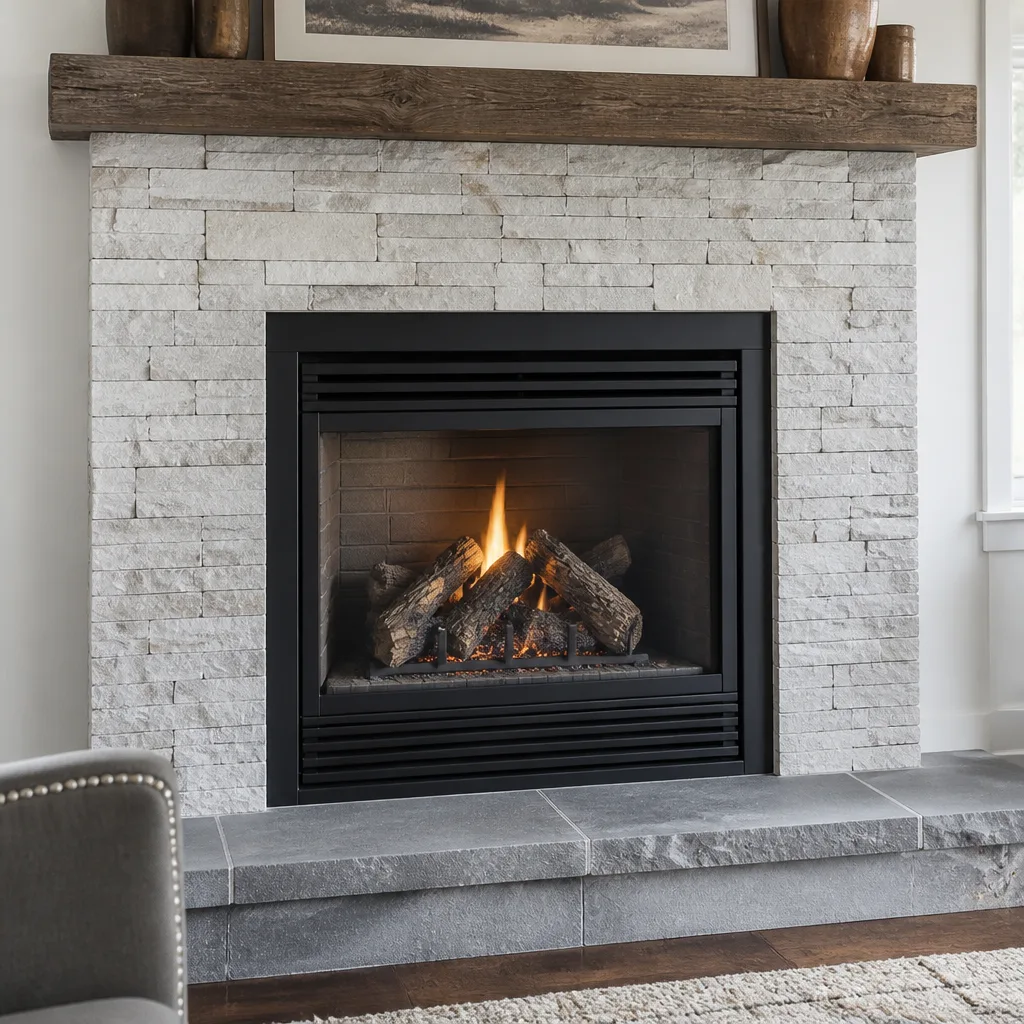 Gas fireplace service
Level 1 sweep and inspection to the NFPA 211 annual standard - flue, crown, cap, and flashing checked and photographed
Chimney sweep logs do not sweep chimneys. They loosen some creosote - which then falls where a brush and vacuum still have to collect it.
Seasonal Chimney Cleaning Care for Pittsburgh: Year-Round Homeowner’s Guide
Most Pittsburgh homeowners treat chimney care as an October task. The first cold snap hits, the phone calls flood in, and everyone wants their flue swept before the first fire. That timing is backwards. By October, the creosote from last winter has been sitting in the flue through a humid summer, and the animal that nested in your uncapped chimney in June has had four months to build. The better window is late spring, right after the burning season ends, when you can clear the flue before summer moisture gets to work on it. This guide walks through what each Pittsburgh season does to a chimney, what to check and when, and how to space service across the year so work stays effective and small problems stay small. You’ll finish knowing which months matter for what, and where a Pittsburgh sweep and inspection fits into the calendar.
Styles & brands we work with
- Sweep & inspection
- Caps & crowns
- Flue relining
- Masonry repair
- Gas fireplace service
Quick Answer
In Pittsburgh, chimney care works best on a seasonal rhythm rather than a single annual sweep: inspect and sweep in late spring after the heating season, address caps and moisture before summer humidity, test the whole system in early fall before the first fire, and watch for warning signs through winter. Scheduling service in May instead of October means you’re not last in line, and any repair has the whole warm season to be finished properly before you need the fireplace again.
Table of Contents
- Why Pittsburgh Chimneys Need Seasonal Care, Not Just an Annual Sweep
- What Happens Inside a Pittsburgh Chimney During Summer
- Why Late Spring Is the Best Inspection Window in Pittsburgh
- Fall Preparation: Beyond Just Sweeping
- Late-Spring Freeze Events and Fresh Masonry Repairs
- Winter Warning Signs: When to Stop Using the Fireplace
- A Year-Round Chimney Care Calendar for Pittsburgh Homes
Why Pittsburgh Chimneys Need Seasonal Care, Not Just an Annual Sweep
A chimney is a working system that responds to weather all year, not a pipe that only matters when there’s a fire in it. The masonry, the flue liner, the cap, the flashing and the damper each see something different in a wet Pittsburgh spring, a humid summer, a cold snap and a thaw. Treating the chimney as an October checklist ignores three seasons of wear between sweeps.
Think about what a Pittsburgh flue actually goes through in a year. Through winter it carries hot, moisture-laden exhaust while the outside of the chimney sits at freezing or below. That temperature difference drives condensation inside the flue, and combined with the creosote from wood smoke, it sets up the conditions that eat at mortar joints and liner surfaces. Then spring arrives wet. Summer brings weeks of heat and humidity. Fall dries things out and drops leaves and debris. By the time you light the first fire, the chimney has been through a full weathering cycle since anyone looked at it.
The practical result is that seasonal timing changes what a sweep and inspection can catch and how much work a problem needs by the time it’s found. A cracked mortar joint spotted in spring, before summer moisture works into it, is a small repointing job. The same joint found in November, after a season of water and freeze-thaw, can mean a liner issue. That’s the case for spacing service across the year:
- Spring: sweep away the season’s creosote and inspect the flue before humidity sets in.
- Summer: protect the top of the system (cap, crown, flashing) so moisture and animals stay out.
- Fall: test the whole system (damper, draft, cap) before the first fire, not after.
- Winter: monitor for warning signs and know when to stop burning.
One contractor handling the sweep, the inspection and any repair means the person who finds a problem is the person qualified to fix it, with no handoff and no second opinion to reconcile. If you’re starting from scratch, our chimney sweep service is the natural first step, and the inspection that comes with it tells you where the rest of the year’s care should focus.
What Happens Inside a Pittsburgh Chimney During Summer
Summer is the quiet season for fires and the busy season for chimney damage. A chimney that sits unused from April to October is exposed to heat, humidity, rain and wildlife, and an uncapped flue is an open door to all of it. What happens in those months often determines what you find when you go to light the first fire.
Moisture infiltration
Pittsburgh summers are humid, and a flue that stays damp for weeks at a time is a flue that’s degrading. Water gets in through the open top of an uncapped chimney, through a failing crown, around worn flashing where the chimney meets the roof, and through cracked mortar. Once inside, it soaks into the masonry and the liner. Masonry that stays wet through the summer is weaker masonry. Then the first hard freeze of late fall expands that moisture, and the damage from a summer of infiltration shows up as spalling brick and crumbling joints.
Animal nesting
An uncapped chimney looks like a ready-made den to birds, squirrels and raccoons. They nest in the flue and the smoke shelf, and what they leave behind is debris that restricts the flue and a nest that’s a fire hazard the moment you light a fire. A cap is the simple fix, and a proper cap from a trade line like Gelco or Famco protects the system between service visits. If you don’t know whether your chimney is capped, that’s a good reason to have it looked at before summer.
Accelerated mortar decay from humidity cycling
Mortar joints expand and contract as they take on moisture and dry out. A Pittsburgh summer cycles them through that repeatedly. Add the freeze-thaw of the shoulder seasons and the joints at the top of the chimney, which see the most weather, start to fail first. This is slow, and it’s exactly the kind of thing a spring inspection catches while it’s still a repointing job.
If the inspection turns up liner or joint damage, the fix isn’t automatically a full replacement. HeatShield ceramic resurfacing can restore a deteriorating liner without pulling it, which is a real option a sweep-only crew can’t offer.
Why Late Spring Is the Best Inspection Window in Pittsburgh
Late spring, once the heating season is done, is the best time of year to inspect and sweep a Pittsburgh chimney. You get an accurate read on the creosote the winter left behind, you catch problems before summer moisture makes them worse, and any repair has the whole warm season to be scheduled and finished. It’s also the window when you’re not competing with everyone who called in October.
Here’s why the timing matters more than people expect.
- Post-season creosote assessment. The creosote in the flue at the end of the burning season is the most accurate picture you’ll get of how your fireplace actually ran. A sweep and inspection at that point tells you whether your burning habits are building up heavy, glazed creosote or light soot, so you can adjust before next winter instead of repeating the same pattern.
- Before summer moisture sets in. Finding a failed joint or a cracked crown in May means the repair happens before the humid season drives water into the damage. Wait until fall, and you’ve given it a whole summer to worsen.
- No line. The demand curve for chimney work peaks in October. In May, you’re booking into a calmer schedule, which means less waiting and a more thorough job.
- Time to repair. Structural repairs, relining, and a masonry repoint all need to cure and be finished before freezing weather. Starting in spring leaves room for that; starting in November doesn’t.
A proper inspection isn’t a glance up the flue. It’s a structured look at the firebox, the damper, the smoke chamber, the flue and the top of the chimney, with recommendations that come from what the inspection actually shows. Start with an inspection, then you know exactly what you’re dealing with, and there’s no guessing about what needs doing.
Fall Preparation: Beyond Just Sweeping
Sweeping gets all the attention in fall, but a swept flue with a stuck damper and a rusted-out cap still won’t serve you well. Fall is the season to test the whole system before the first fire, not just clean the flue. A chimney that worked fine last March has sat through a summer, and several parts need checking that a sweep alone won’t touch.
Damper function
The damper should open fully, close fully and seal reasonably well when shut. A damper that’s stuck open wastes heat up the flue all winter. One that’s stuck closed means smoke in the room. One that’s rusted or warped won’t do either job properly. Check it by hand before the first fire, and if it doesn’t move freely, that’s a repair item.
Cap condition
The cap is the chimney’s roof. It keeps rain, snow, animals and debris out of the flue. Cap screens rust and tear; cap tops crack. A damaged cap is a direct path for water into the chimney all winter. Since caps and flashing are common failure points, having them in good order before winter is one of the highest-value parts of fall prep.
Draft testing
Before you light the first fire of the season, confirm the chimney actually pulls. Light a small piece of paper near the open damper and watch whether the smoke goes up the flue or curls into the room. A weak or reversed draft can mean an obstruction, a closed damper, a house pressure problem or an issue in the flue that needs a professional look. Cold chimneys sometimes need a few minutes to establish draft, but a persistent problem isn’t a quirk to live with.
Water and flashing check
Look at the ceiling and framing around the chimney from inside the attic or the top floor after heavy rain. Staining or dampness means water is getting in around the flashing or through the masonry, and that’s a repair item before winter freeze-thaw gets hold of it. Fall is the moment to catch it, because winter makes it worse and harder to fix.
Late-Spring Freeze Events and Fresh Masonry Repairs
Pittsburgh’s late-spring freeze events, which can run from March into early April, create a specific scheduling problem for masonry work. Freshly repointed mortar and newly applied masonry coatings need to cure at moderate temperatures. A hard freeze in the middle of the curing window can crack or weaken work that would otherwise have been sound, and then you’re repointing the same joints a second time.
That reality shapes how a repoint or masonry repair should be timed in Pittsburgh. The frost is usually out of the ground by late April, and while nights can still dip near freezing into early April, the reliable stretch of steady temperatures tends to arrive later in spring and last through early fall. That’s the window for masonry that needs to cure properly.
The practical scheduling rule goes like this:
- Inspect in late spring, once the burning season ends. This is when you find out whether repointing is needed at all.
- Schedule masonry work for the stable stretch, not the freeze window. If a repair is planned, confirm the timing with the contractor so fresh mortar isn’t exposed to an overnight freeze.
- Don’t leave repointing until late fall. The window to cure closes as the temperature falls, and a repoint that can’t cure before winter is a repoint that hasn’t solved your problem.
A failed mortar joint isn’t cosmetic. It’s the stage before water reaches the liner, and in our experience that’s the point where a small repair turns into a lin
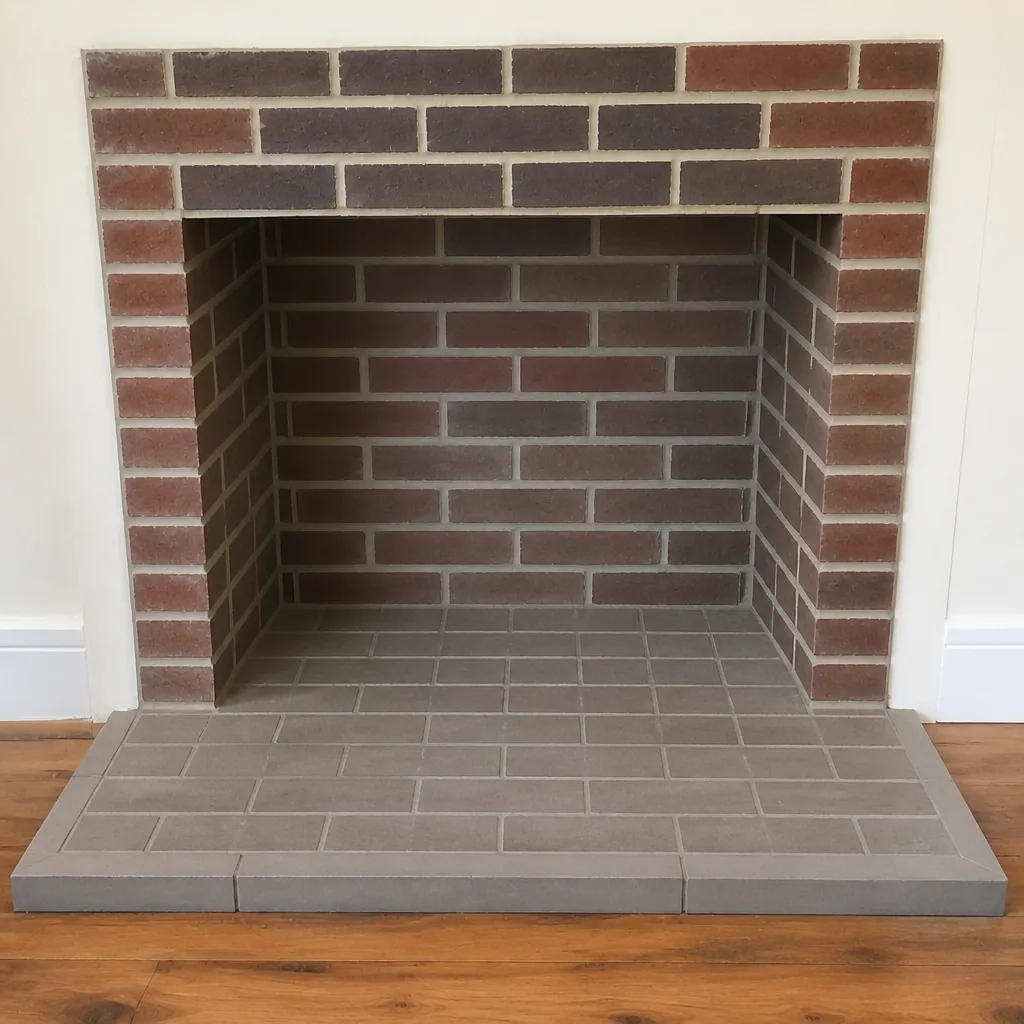
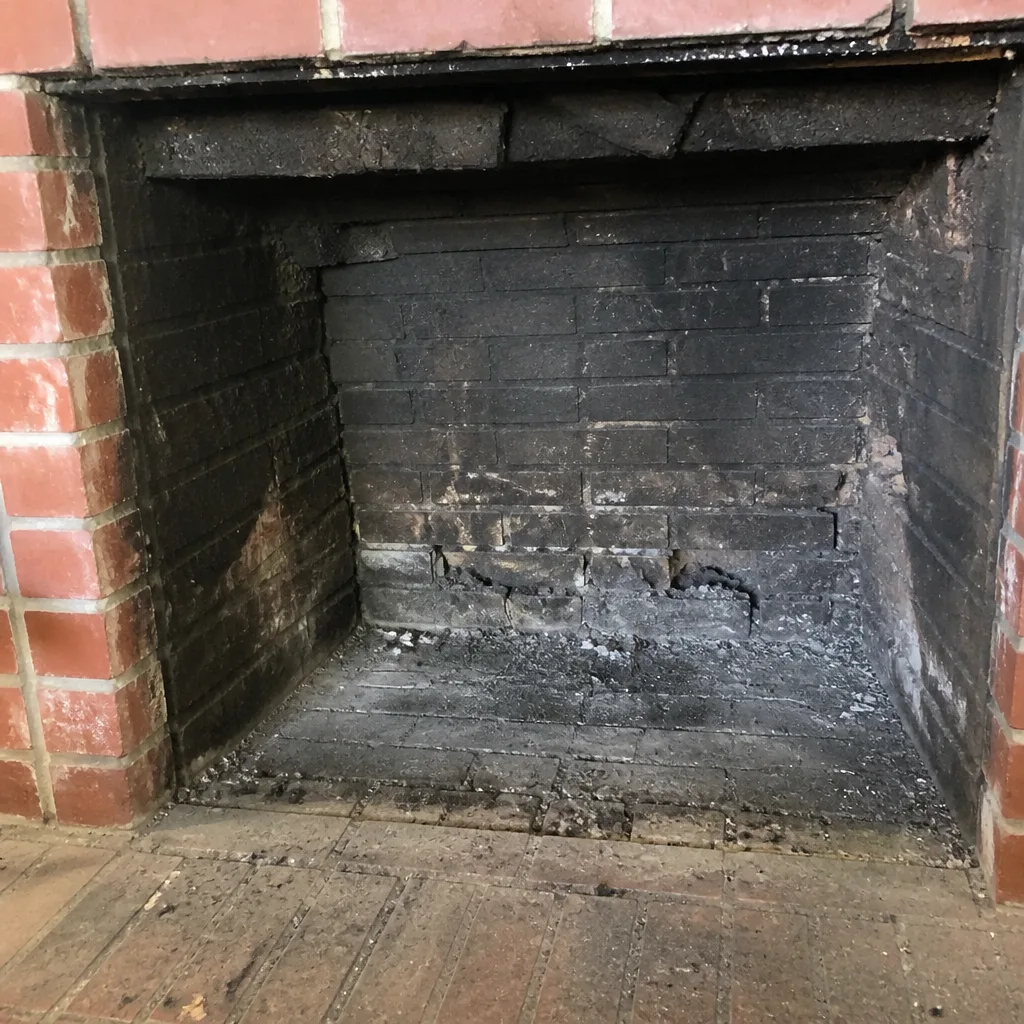
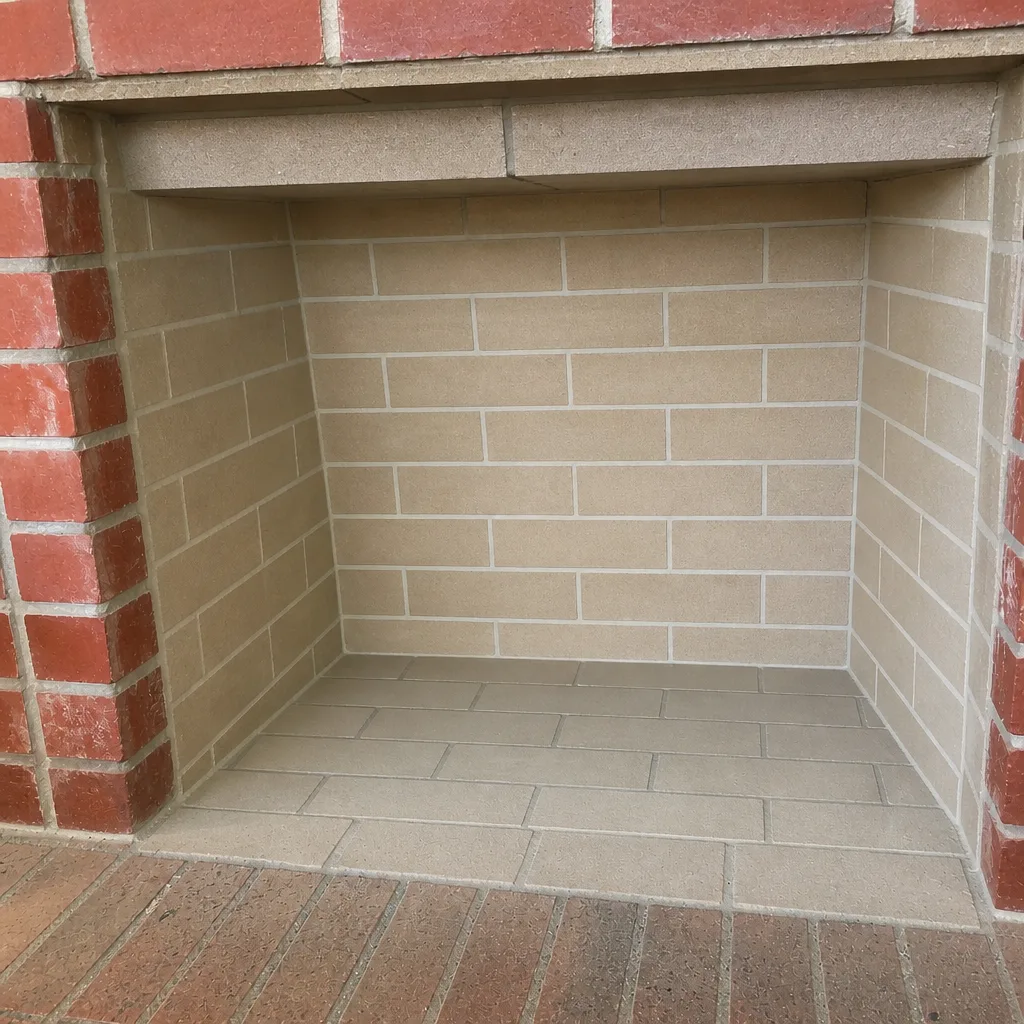
See the difference
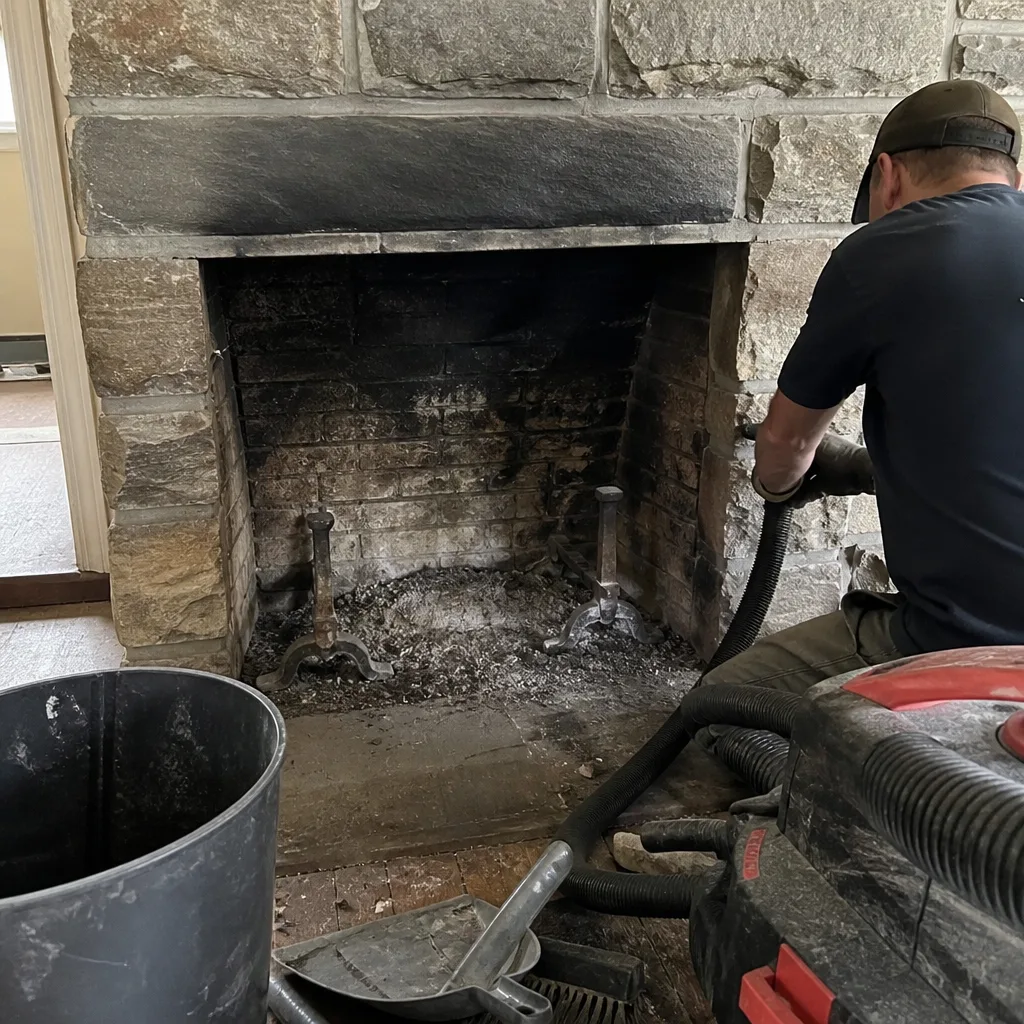 Before
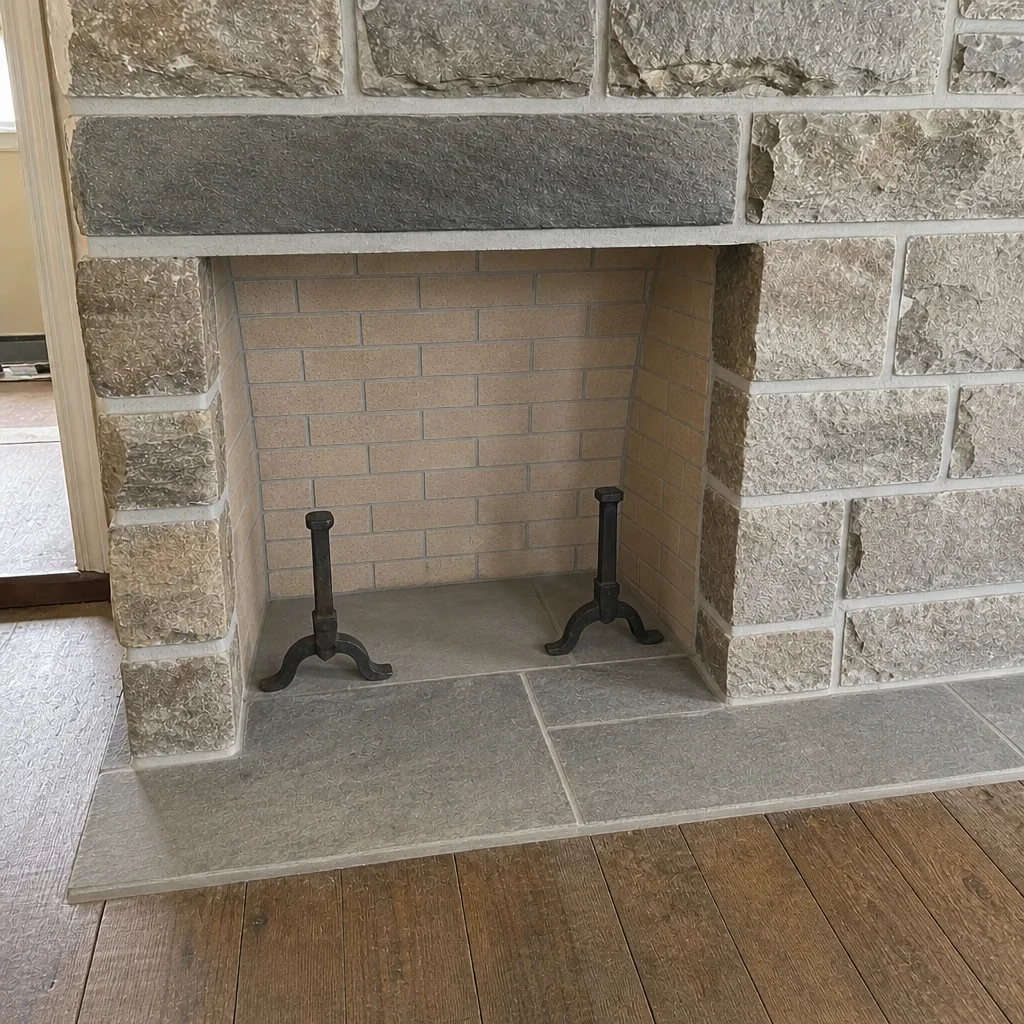 After
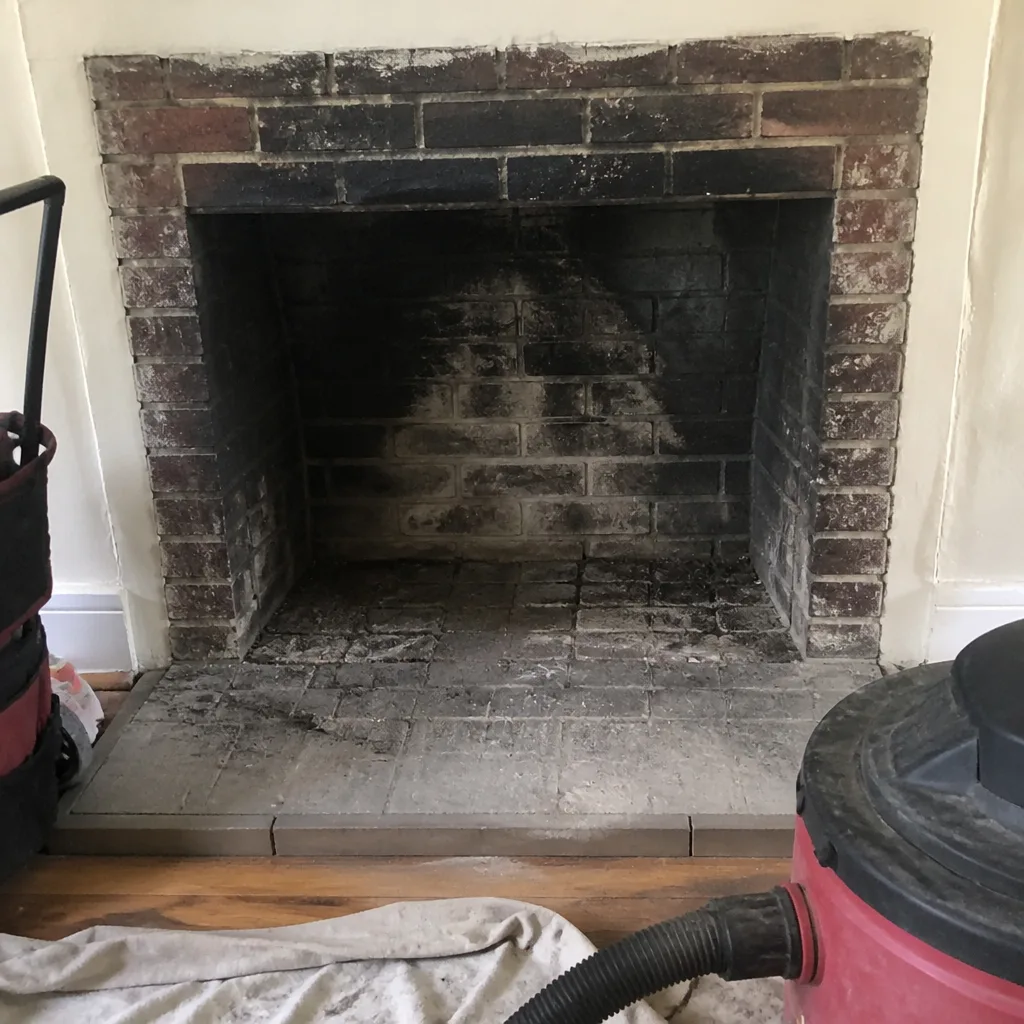 Before
 After
 Before
 After