
Last updated November 15, 2026
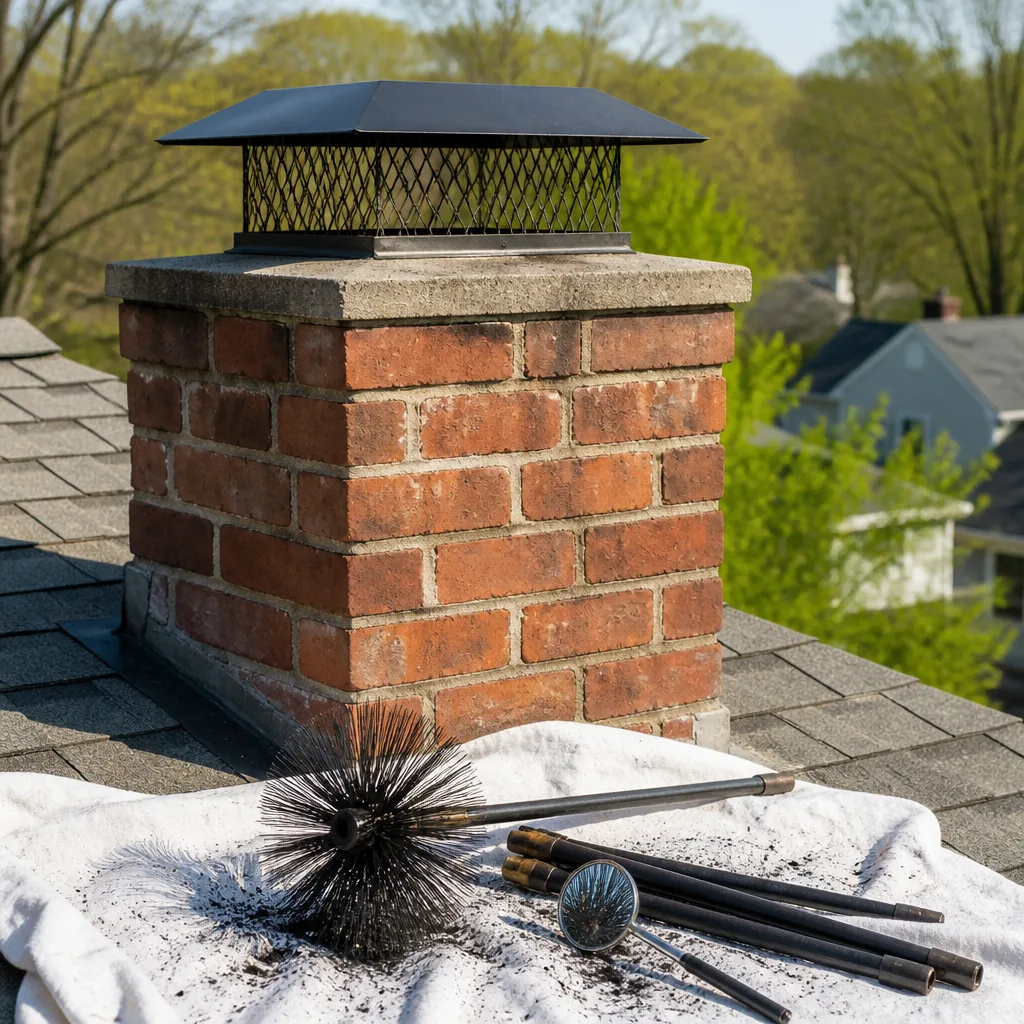 Sweep & inspection
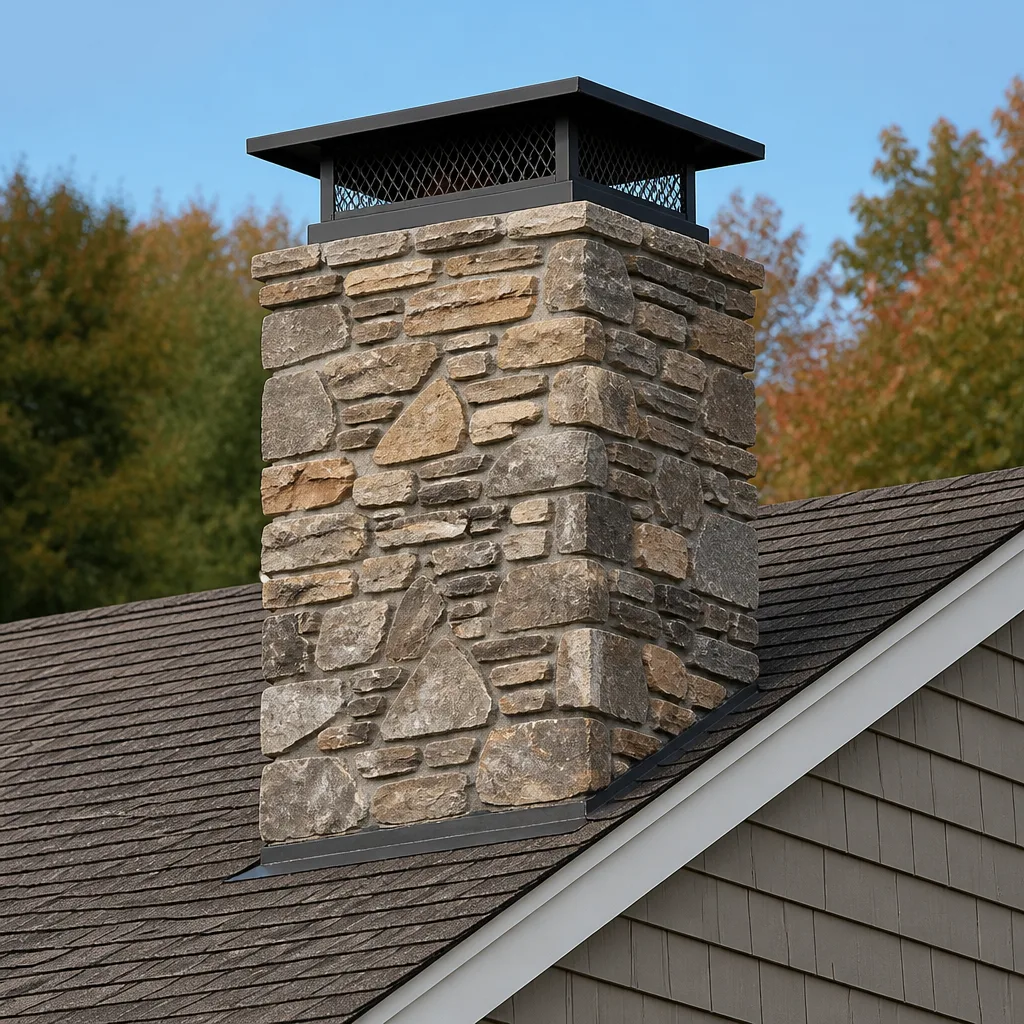 Caps & crowns
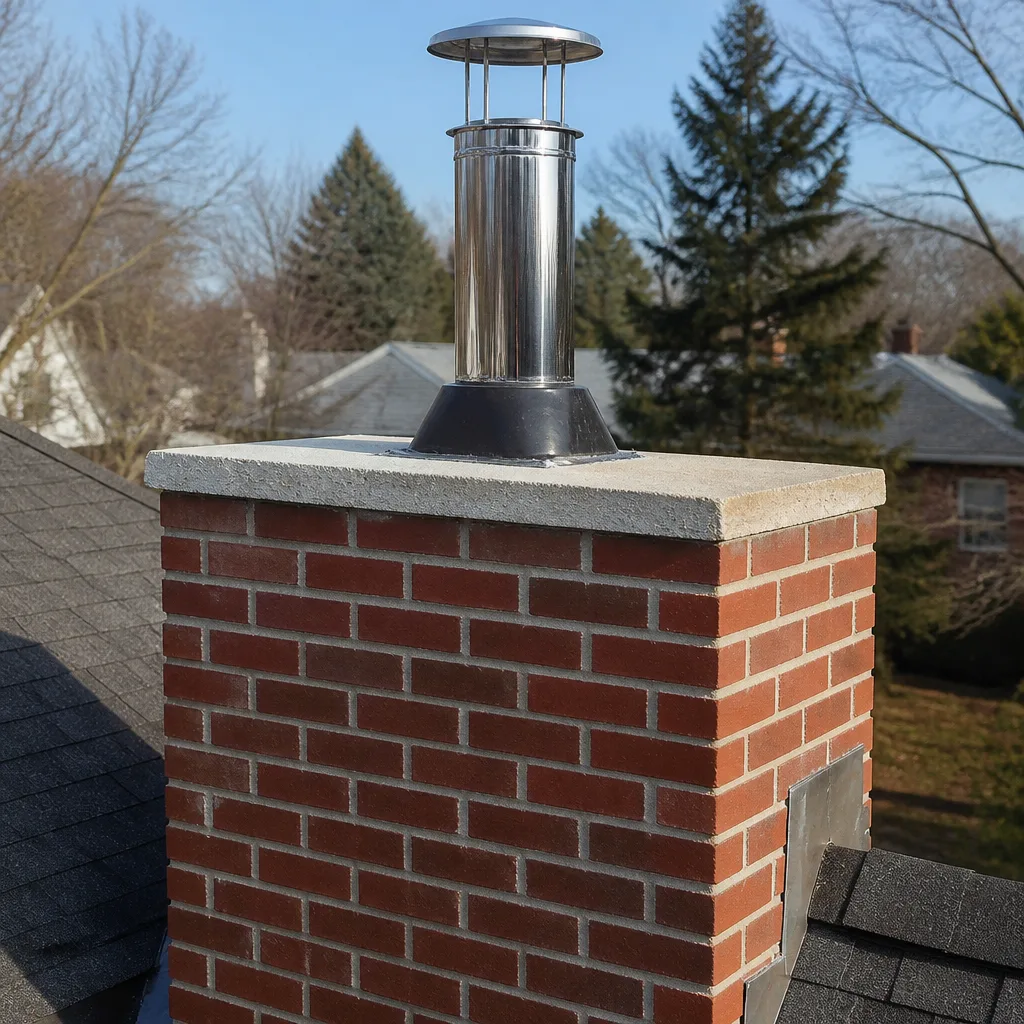 Flue relining
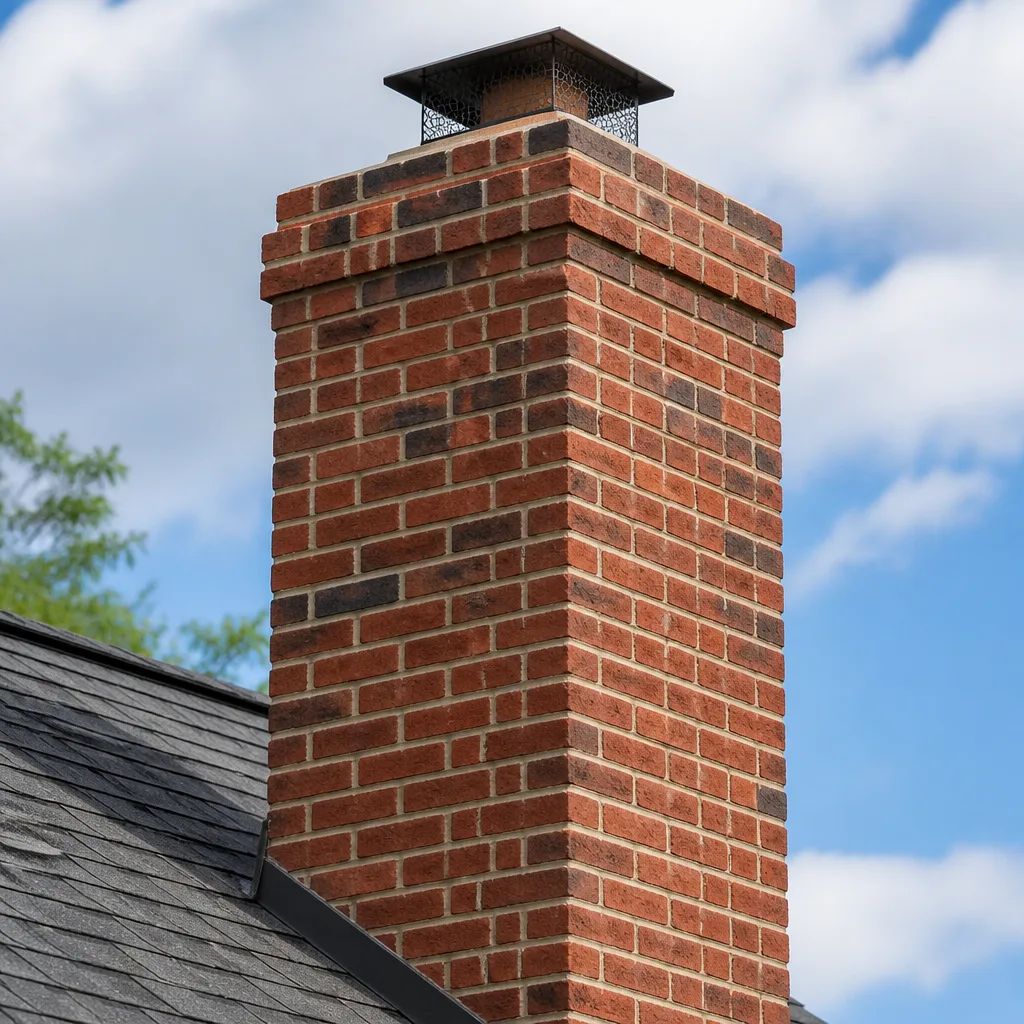 Masonry repair
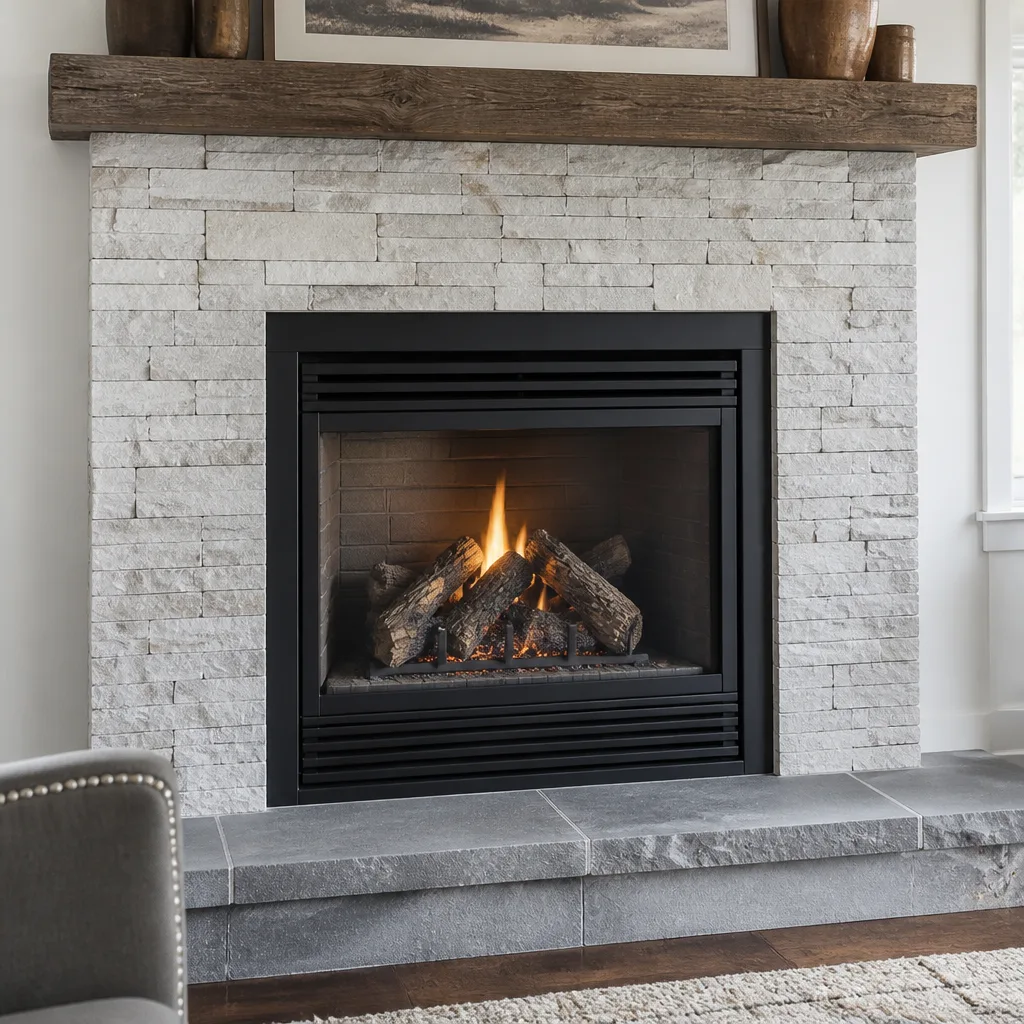 Gas fireplace service
Level 1 sweep and inspection to the NFPA 211 annual standard - flue, crown, cap, and flashing checked and photographed
Chimney sweep logs do not sweep chimneys. They loosen some creosote - which then falls where a brush and vacuum still have to collect it.
Choosing the Right Chimney Cleaning Brand: A Buyer’s Guide for Pittsburgh
Two contractors can hand you a quote that both read “stainless steel chimney liner” and mean completely different things. One is pricing a 304 alloy rated for wood-burning appliances. The other is pricing 316Ti, a grade built to handle coal-to-gas conversions and the sulfur-heavy flue gases that come with them. In Pittsburgh, where the housing stock spans decades of coal heat and a patchwork of later fuel conversions, that single distinction can decide whether a liner lasts the life of your home or starts corroding within a few seasons. The brand on the invoice rarely tells you which one you got. The material spec does. This guide walks through what “brand” actually means in chimney work, how to read material choices the way a contractor reads them, and what to ask before you sign.
Quick Answer
The right chimney brand in Pittsburgh isn’t a national name on a truck – it’s a contractor who works with professional-grade material systems (liner alloys, resurfacing compounds, sealant chemistry) sourced from chimney supply distributors, not big-box home centers. Choose a company that sweeps, inspects, and repairs under one roof and that can tell you exactly which liner alloy, sealant, and coating it plans to use on your system. Ask for those specs in writing before any work starts.
Styles & brands we work with
- Sweep & inspection
- Caps & crowns
- Flue relining
- Masonry repair
- Gas fireplace service
Table of Contents
- What “Brand” Actually Means in Chimney Work
- Liner Alloys: Why 304 and 316Ti Aren’t Interchangeable in Pittsburgh
- Resurfacing Systems: HeatShield and When Restoration Beats Replacement
- Sealant Chemistry: Siloxane, Silicone, and Pittsburgh’s Wet Climate
- How to Tell Where a Contractor Sources Materials
- National Franchise Brands vs. Independent Specialists
- Questions to Ask Before You Hire Anyone
- Common Mistakes to Avoid
What “Brand” Actually Means in Chimney Work
Most homeowners assume “chimney brand” means the company name. In practice, the brand that matters is the material system installed inside your flue. A sweeping crew does not have a brand problem in the sense a coffee chain does. It has a specification problem. The relevant “brands” are DuraFlex flexible liners, HeatShield resurfacing systems, Gelco and Famco caps and flashing, and Copperfield parts and accessories. These are trade brands – the same materials specified by certified chimney contractors across the country. You won’t find most of them on a retail shelf.
Why does that matter in Pittsburgh? Because Pittsburgh’s housing stock is unusually complex. Many homes here carry a coal-heat history layered over wood fireplaces, then a gas conversion, sometimes followed by a modern insert. Each fuel type leaves a different residue chemistry on the flue wall, and each pushes the liner and mortar in different ways. A contractor who works only with generic stainless coil from a home center is making a guess about which grade suits your system. A contractor who works with professional supply lines has the right alloy on hand for the flue he’s actually looking at.
In our experience, that material knowledge is the single most reliable indicator of whether a repair will last. Not the truck decal. Not the ad. The spec sheet attached to the estimate. When you can read the liner alloy, the sealant chemistry, and the crown coating on the estimate, you know exactly what you’re buying.
Before any of that, though, you need a proper inspection. Start with an inspection – then you know exactly what you’re dealing with. Without one, no material discussion is grounded in evidence.
Liner Alloys: Why 304 and 316Ti Aren’t Interchangeable in Pittsburgh
Stainless steel liners come in grades, and the two most common in residential chimney work are 304 and 316Ti. Both are stainless. Both are rated for chimney use. But they are not the same metal, and the difference is exactly the kind of thing a brand-name search will never surface.
- 304 alloy is a standard stainless grade, appropriate for straightforward wood-burning appliances operating at normal flue temperatures with typical creosote chemistry. It’s the workhorse grade for many wood fireplaces and stoves.
- 316Ti alloy adds titanium for stabilization and molybdenum for corrosion resistance. It is the grade to discuss when the flue has seen high-sulfur fuel or a conversion from coal to gas, because sulfur-heavy flue gases are exactly what attack a standard 304 over time. It is also the grade to discuss when the appliance is a high-efficiency gas unit that runs cooler and produces acidic condensate.
Here’s where Pittsburgh gets specific. If your home was originally coal-heated, was converted to gas at some point, and now hosts a wood insert, your flue has seen three distinct residue chemistries. In a flue like that, the choice between 304 and 316Ti is a service-life decision, not a cosmetic one. A contractor who defaults to 304 without asking about fuel history is skipping a question that matters.
How to ask about liner alloys
- Ask: “Which liner alloy are you quoting – 304 or 316Ti?”
- Ask: “Given my home’s fuel history, why did you choose that grade?”
- Ask: “Is the liner UL-listed, and will the listing appear on my written estimate?”
- Get the answer in writing. A verbal answer is easy. A written one is accountable.
DuraFlex flexible liner systems, which we work with, are specified in exactly this way – the alloy grade is a deliberate choice tied to the appliance and fuel history, not an interchangeable placeholder. If a quote is silent on the grade, ask.
Resurfacing Systems: HeatShield and When Restoration Beats Replacement
Not every liner problem means a full relining. That’s a message most sweep-only crews have no incentive to deliver, because they don’t carry resurfacing capability. When the mortar joints inside a masonry flue have deteriorated but the flue structure itself is intact, a ceramic resurfacing system like HeatShield can restore the flue wall in place without tearing out and relining. In the right conditions, it’s a lower-cost, lower-disruption option. In the wrong conditions, it’s wasted money.
The material-to-defect match is where contractors separate. Resurfacing suits:
- Deteriorated mortar joints with the masonry body still sound
- Minor spalling where the underlying brick hasn’t failed
- Flues where full replacement would be disproportionate to the damage
Resurfacing does not fix:
- Structural cracks running through the brick itself
- Displaced or missing bricks
- Flues already compromised by a prior liner that’s failed
- Systems where the flue has separated from the chimney body
HeatShield application capability is one of the clearest signals you’re dealing with a full-service contractor rather than a maintenance-only crew. It also means the person diagnosing the problem can actually solve it. Restoration before replacement – when HeatShield can do the job, we’ll say so. When it can’t, we say that too.
For more on the repair side of this, see our chimney repair overview, which covers where resurfacing sits relative to full relining.
Sealant Chemistry: Siloxane, Silicone, and Pittsburgh’s Wet Climate
Pittsburgh’s climate is a quiet test bench for sealant chemistry. Wet winters, humid summers, and freeze-thaw cycles through late fall and early spring punish masonry that’s sealed with the wrong product. Choose correctly and the crown, cap, and flashing keep water out for years. Choose wrong and the sealant fails within two seasons, sometimes sooner, and the water damage returns.
The three sealant chemistries you’ll encounter:
- Siloxane is a penetrating water repellent. It sinks into the masonry substrate and repels water at the pore level while still allowing vapor to escape. For most chimney masonry in this climate, siloxane is the right long-term choice.
- Silicone forms a surface film. It sheds water initially but tends to trap vapor beneath it, which on a chimney that runs warm and cold repeatedly can lead to spalling. Silicone has legitimate uses at flashing joints, but it’s not the right choice for a full masonry crown.
- Acrylic is essentially a decorative coating. It clogs vapor channels and weathers quickly in a freeze-thaw climate. It’s the most common choice at a home center and the most common cause of premature failure on a chimney.
When you ask a contractor what sealant they use, the right answer is specific: “siloxane penetrating repellent on the crown and the exposed masonry,” not “a good waterproofing product.” If they can’t name the chemistry, they’re not working from a confident material choice.
Gelco and Famco caps and flashing – components we work with – are chosen for the same reason. The right cap and properly installed flashing keep water off the crown and out of the roof junction, which is where most silent chimney damage starts. Protection between service visits is half the point of a good material system.
How to Tell Where a Contractor Sources Materials
Material sourcing is the quiet tell. A contractor who buys from a chimney supply distributor has access to the alloy grades, resurfacing systems, and sealant chemistries we’ve discussed. A contractor who buys from a big-box home center is working within whatever that store shelves. That’s a meaningful constraint on repair approach.
You can find out. Contractors will tell you if you ask directly. Here’s what to listen for:
- Do they name trade brands unprompted? A specialist will mention DuraFlex, HeatShield, Gelco, or Olympia Chimney by name because those are the materials they order.
- Do they distinguish alloy grades? If every quote is “stainless steel liner,” they’re probably not stocking multiple grades.
- Do they describe a distributor relationship? “We order our liners from a chimney supply house” is the right answer. “We get whatever the supply store has” is not.
- Can they show you material documentation? Listings, spec sheets, or product literature should be available.
You don’t need to investigate every supply chain. But asking once, directly, tells you a lot about whether the repair plan you’re getting is grounded in material knowledge or generic inventory. If you want a company that works with professional supply-grade materials, that’s the question to ask before you book a chimney sweep.
Copperfield product familiarity also matters, because chimneys aren’t all one type. A contractor who knows the Copperfield parts and accessory lines is more likely to have the right component on hand when your install needs a specific collar, plate, or adapter. That breadth keeps a repair from stalling on a missing part.
National Franchise Brands vs. Independent Specialists
National chimney franchise names have real value: recognizable branding, consistent training programs, and standardized customer experience. But for the specific question of “which brand should I choose in Pittsburgh,” the franchise model introduces three tradeoffs worth understanding.
Technician continuity. In a franchise model, the technician on your job is often tied to the territory. In any chimney business, staffing changes. What you want to know is whether the person diagnosing your system is the person accountable for the repair. Many franchise operators are set up around sales and dispatch; independent specialists usually keep the diagnosing technician on through the repair, because the same contractor carries the outcome. One contractor from sweep through repair – no handoffs, no conflicting opinions.
Local material knowledge. Pittsburgh’s fuel history isn’t unique to every city. A local contractor who’s worked on the housing stock here knows which neighborhoods carry coal-era masonry, which conversions were done to what standard, and which liner grades suit which flue. A franchise operator with a national playbook may have the same materials but less of the local reading.
Repair accountability. When a sweep-only crew finds a liner problem, they refer it to a repair company. Two contractors, two diagnoses, sometimes two opinions about what needs doing. When the same company sweeps, inspects, and repairs, the diagnosis is the same person’s responsibility as the resolution. That’s the difference between getting a recommendation and getting settled.
None of this means every franchise is bad or every independent is good. It means you should ask who diagnoses, who repairs, and whether the same contractor carries both.
Questions to Ask Before You Hire Anyone
These nine questions cover the material, structural, and accountability sides of the decision. Ask them before booking. A confident contractor answers without hedging.
- “Which liner alloy will you use on my system, and why that grade for my fuel history?”
- “Do you resurface liners with HeatShield or a similar ceramic system, and can you tell me when that’s appropriate?”
- “What sealant chemistry do you use on the crown and masonry?”
- “Which supply distributor do you order from?”
- “Do you sweep, inspect, and repair, or do you refer repairs out?”
- “Will I get a written report with photographs documenting what you found?”
- “Is the price set before work begins, or does it change once you’re inside?”
- “What happens if the repair fails within its normal service life?”
- “Can you outline what’s urgent versus what can safely wait?”
That last one is the most important. A trustworthy contractor tells you when a repair can wait. If every visit turns up thousands of dollars of urgent work, that’s a pattern worth questioning. Our technicians have up to 14 years of experience, and in that time the strongest signal of a good contractor has stayed the same: they tell you the truth even when the truth is “you can wait until next season.”
Common Mistakes to Avoid
- Choosing on brand recognition alone. The name on the truck doesn’t tell you which liner alloy is going into your flue. Ask about the material, not the marketing.
- Accepting “stainless steel” as a spec. “Stainless” covers 304 and 316Ti and half a dozen other grades. Without the alloy named on the quote, you don’t know what you’re buying.
- Letting a sweep-only crew talk you into a referral for liner work. Two diagnoses from two contractors is how homeowners end up paying for a relining they didn’t need – or skipping one they did. Ask for one accountable contractor.
- Skipping the inspection to save money. Without an inspection, every recommendation is a guess. An inspection-first workflow is the only way the material decisions are grounded in evidence.
- Choosing the cheapest sealant. Acrylic sealants fail within a couple of seasons here. The siloxane penetrating repellent runs slightly higher and lasts years. The cheap product is the expensive one.
- Assuming all resurfacing is the same. HeatShield and similar systems fix mortar-joint deterioration. They don’t fix structural brick failure. The match between defect and material is the whole game.
- Overlooking the cap and flashing. Water damage usually starts at the roof junction or the crown, not from inside. Caps and flashing sourced from Gelco or Famco protect between service visits. Skipping them leaves the chimney open to the same water intrusion that started the problem.
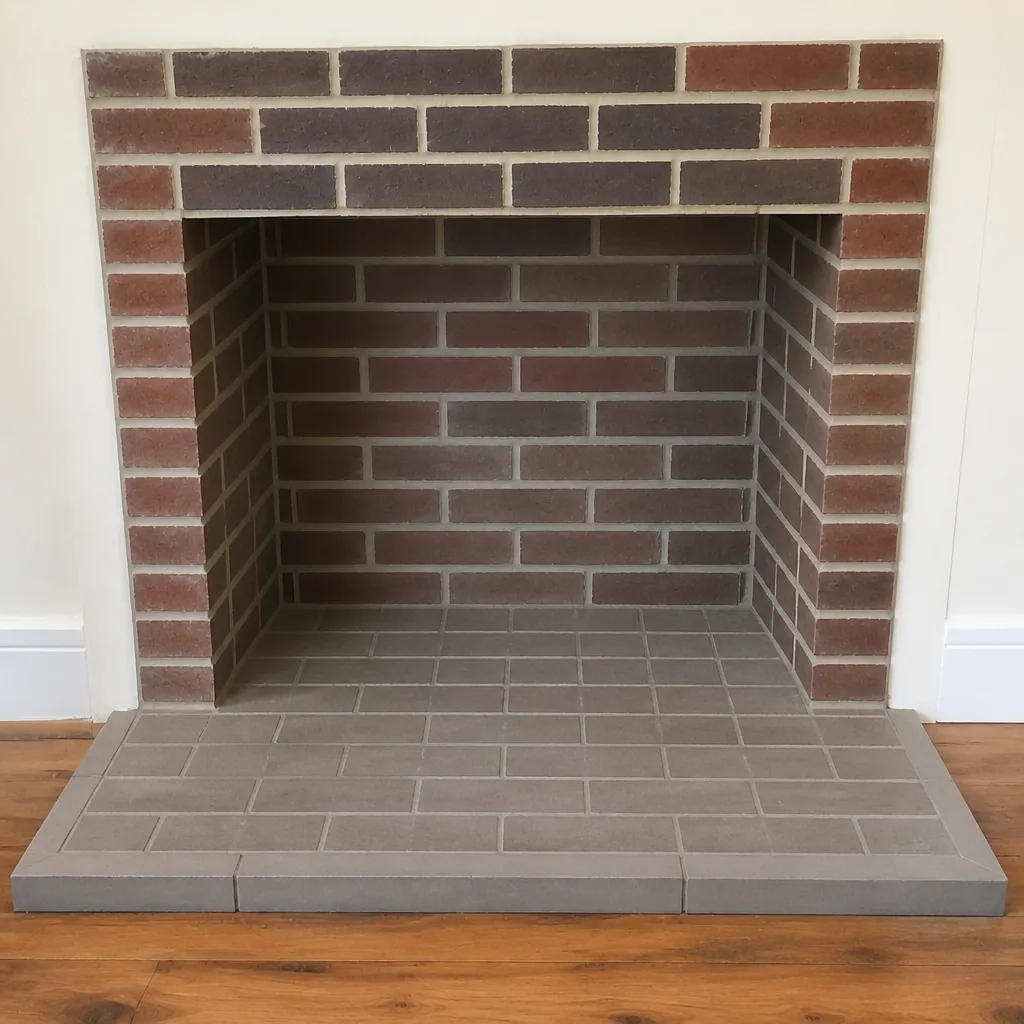
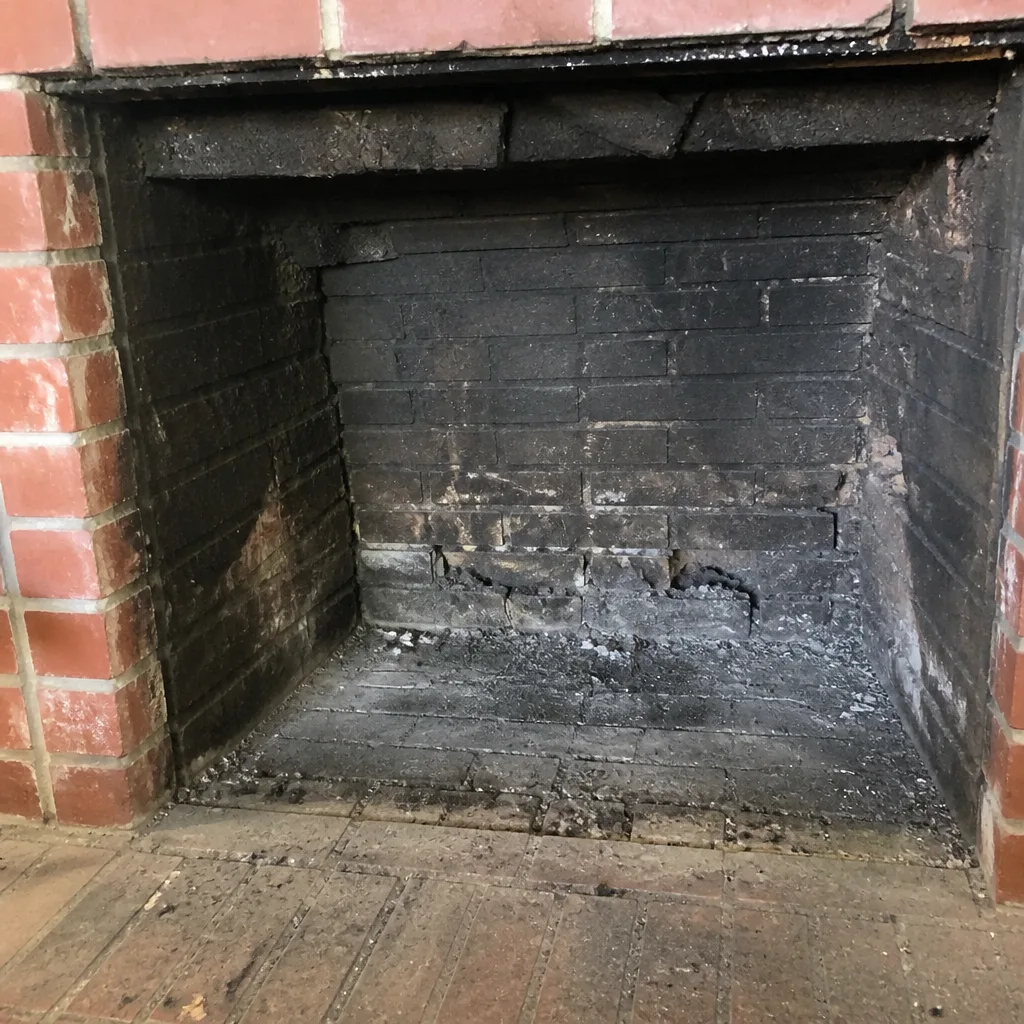
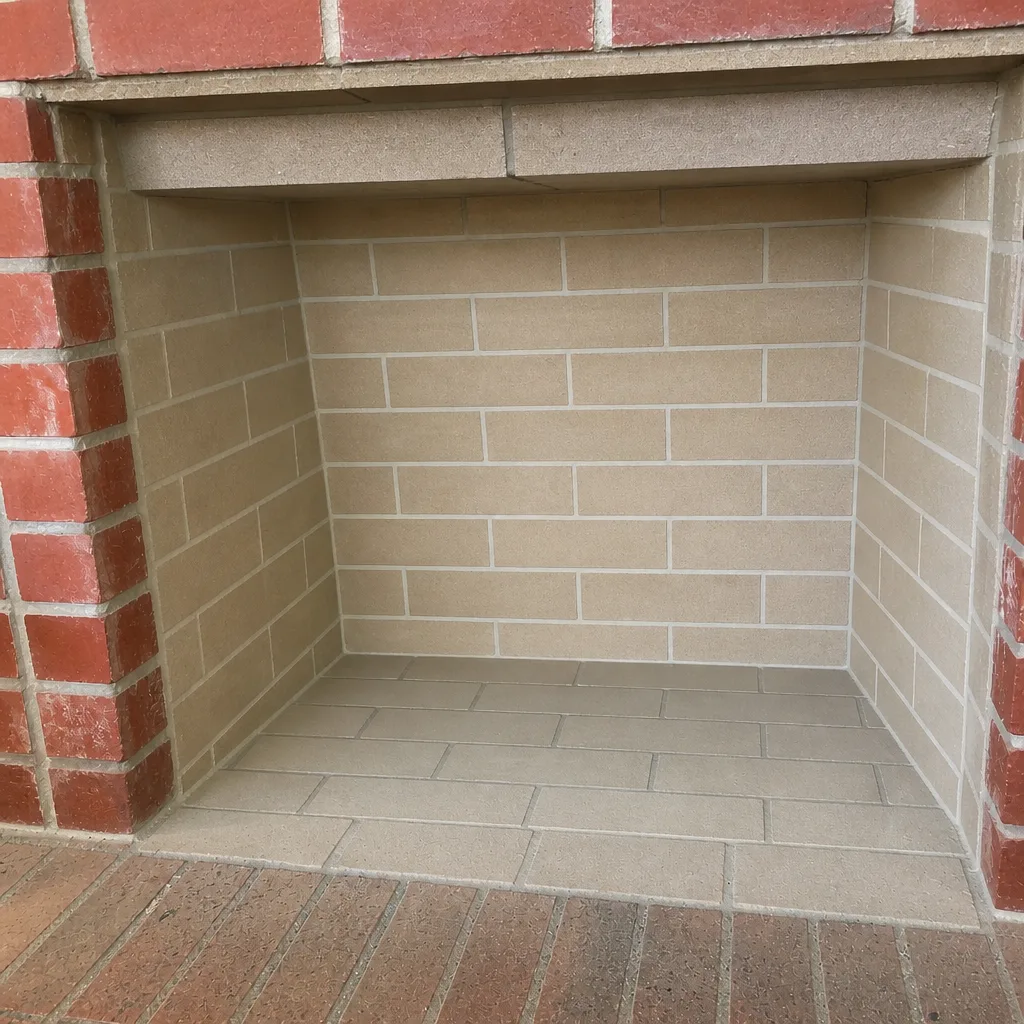
See the difference
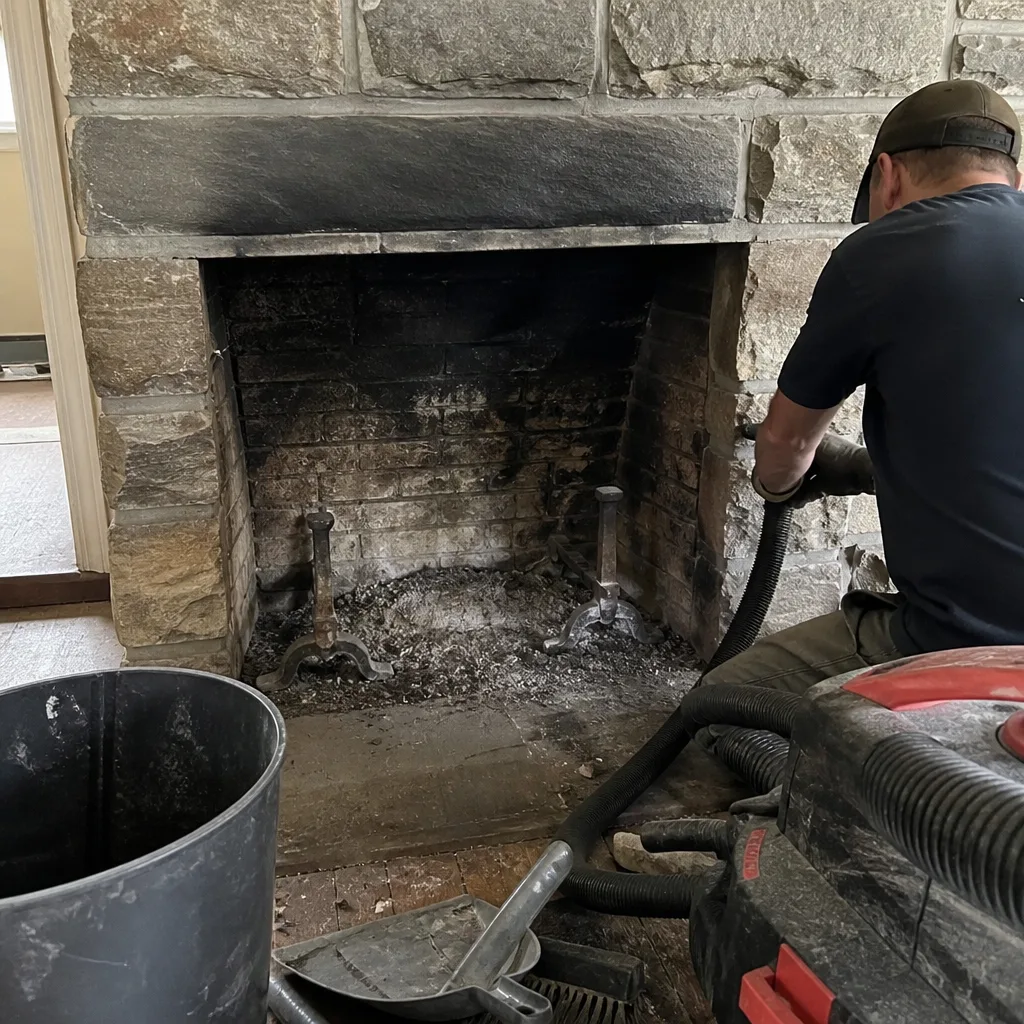 Before
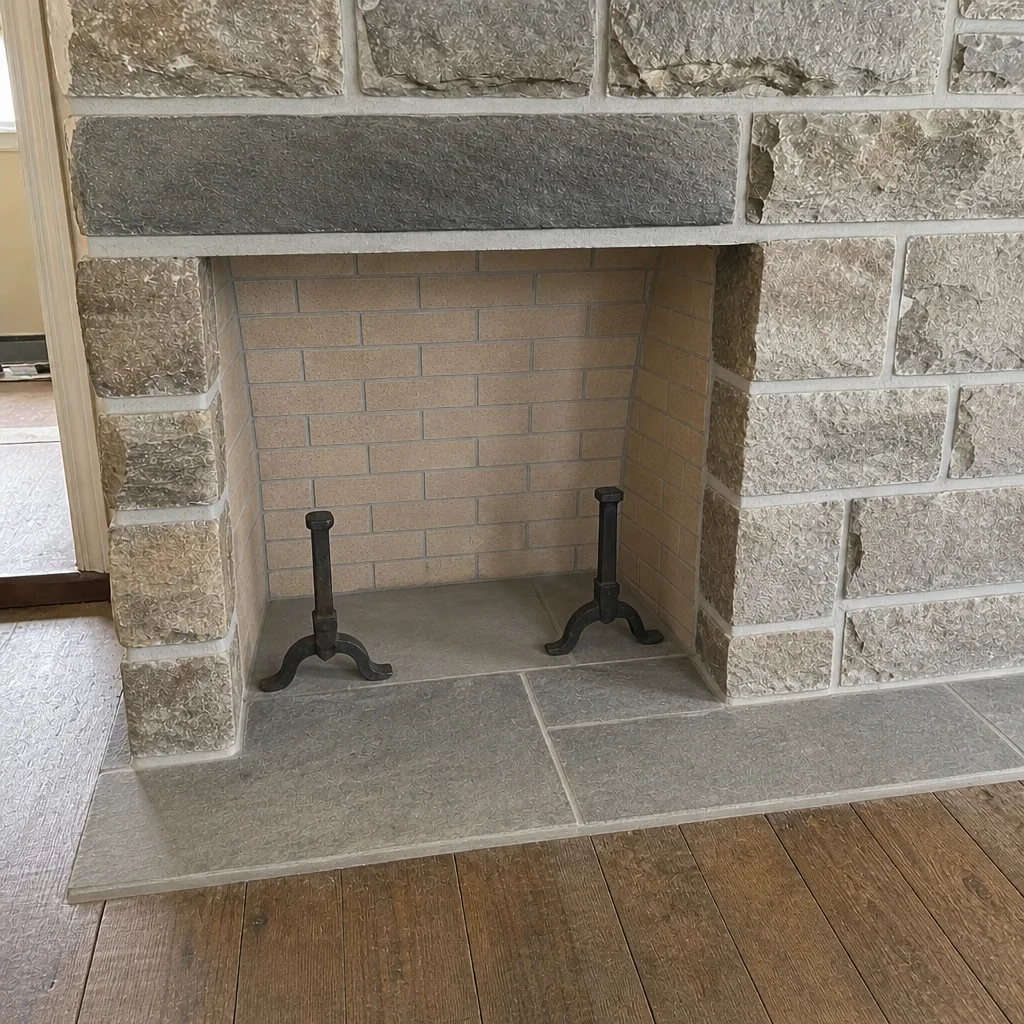 After
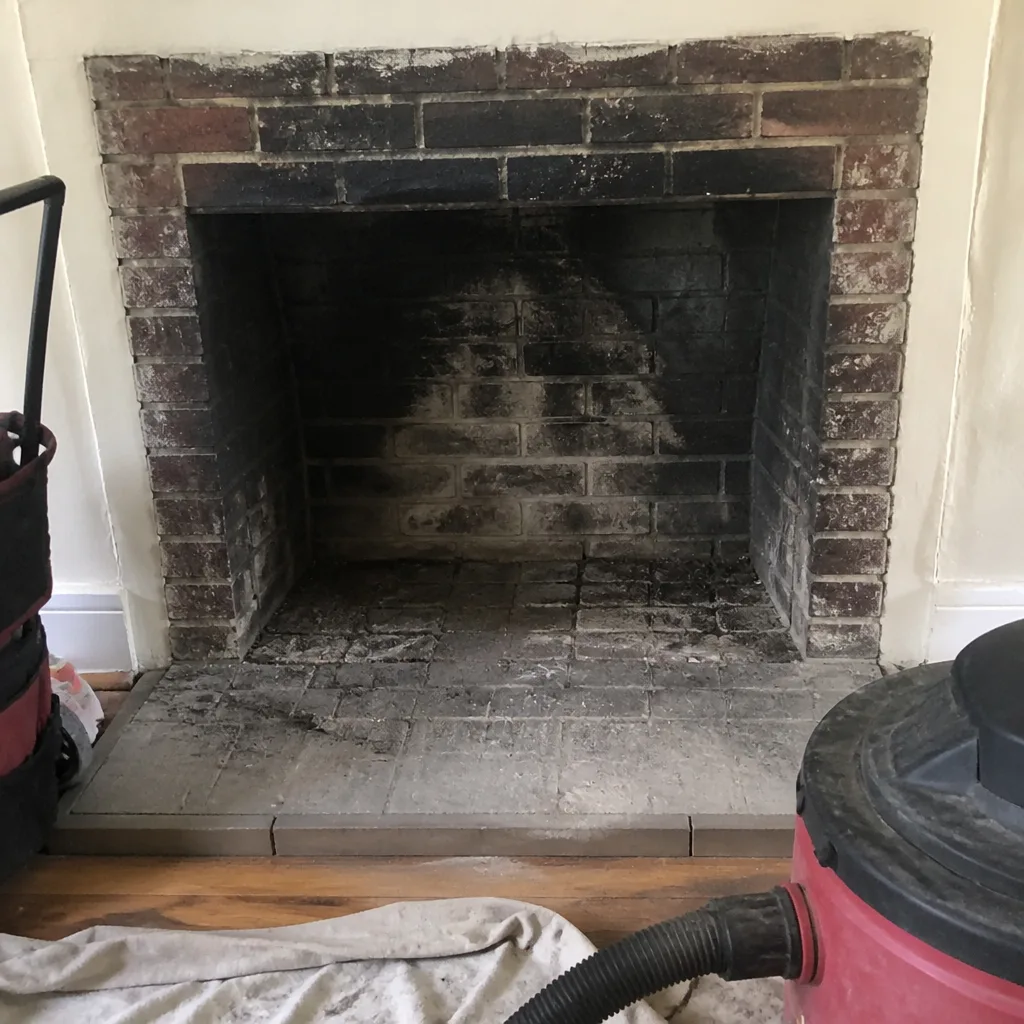 Before
 After
 Before
 After
When to Call a Professional
Some situations call for a professional immediately. Others can wait for the normal service cycle. The distinction matters.
Call us if you smell a strong creosote odor in the house, if your smoke backdrafts into the room when the fireplace is lit, if you notice staining or white efflorescence on the exterior chimney masonry, or if it’s been more than a season since your last sweep and you burn wood regularly. Call us if a chimney fire has occurred, even a small one – the flue needs to be inspected before it’s used again. Call us if you’re buying a home and the inspector flagged the chimney. Call us if you’ve deferred maintenance for years and honestly don’t know where things stand; the inspection is what turns “I don’t know” into a plan.
Pittsburgh Chimney Cleaning offers free estimates in Pittsburgh. Call (844) 761-5636. We answer 24/7. Fast dispatch from 7am to 7pm, Sunday through Friday. If a call comes outside dispatch hours, it’s booked into the next opening, Sunday through Friday, 7am to 7pm.
Frequently Asked Questions
A standard chimney sweep in Pittsburgh is typically a flat per-job price, set in writing before work begins, and the estimate is free. The exact figure depends on the flue configuration, how much creosote has accumulated, and whether the job includes a camera inspection. Ask for the written estimate before you book; the written estimate sets the final price. Call (844) 761-5636 for an exact quote – estimates are free.
Choose a company that sweeps, inspects, and repairs under one roof, works with professional-grade supply materials, and can name the liner alloy, resurfacing system, and sealant chemistry it plans to use on your system. National brand recognition is less useful than a written material spec. Call (844) 761-5636 for an exact quote – estimates are free.
Not always. Deteriorated mortar joints and mild flue damage can often be restored with a ceramic resurfacing system like HeatShield rather than torn out and relined. Structural cracks, displaced brick, and failed prior liners are where full relining is usually the right call. The determination has to be made from an inspection, not from a checklist. Ask for the inspection report before you agree to a relining. Call (844) 761-5636 for an exact quote – estimates are free.
It depends on your fuel history. If your home has seen a coal-to-gas conversion, a prior sulfur-heavy flue environment, or a high-efficiency gas appliance producing acidic condensate, 316Ti is the grade built for that chemistry. For a straightforward wood-burning appliance in a flue with no conversion history, 304 is a legitimate choice. Ask the contractor which grade they’re quoting and why. Call (844) 761-5636 for an exact quote – estimates are free.
For a wood-burning fireplace or stove in regular use, a sweep once a season is the common interval, with an inspection at the same visit. Gas appliance venting has different chemistry and different intervals. Homes that haven’t been swept in years need an inspection first, then a sweep, then a plan for whatever the inspection finds. Call (844) 761-5636 for an exact quote – estimates are free.
Creosote accumulates on the flue wall and becomes flammable at certain concentrations; that’s the condition behind most chimney fires. A deteriorated flue can also allow carbon monoxide and smoke to enter living space instead of venting out. Skipping maintenance doesn’t guarantee a fire, but it does remove the inspection that would have caught the risk early. Call (844) 761-5636 for an exact quote – estimates are free.
We work with professional supply brands – DuraFlex, HeatShield, Gelco, Olympia Chimney, Famco, and Copperfield – which are the trade lines specified by certified chimney contractors. That’s a material-sourcing choice, not a franchise affiliation. What you get is the same material system a full-service trade contractor in Pittsburgh would specify, from a company that handles the sweep, the inspection, and the repair. For full scope, see Pittsburgh Chimney Cleaning.
The Bottom Line
The right chimney contractor in Pittsburgh is the one whose material choices you can read on a written estimate. Ask about liner alloy, resurfacing systems, sealant chemistry, and sourcing. Expect specific answers. The “brand” that matters is the one inside your flue – the alloy grade, the ceramic coating, the siloxane repellent – not the decal on the truck. Choose a company that sweeps, inspects, and repairs under one roof so the diagnosis and the fix belong to the same contractor. And always get the inspection first, because without it, every recommendation is a guess. If a contractor can’t tell you the grade, ask them why. A confident one will.
Call (844) 761-5636 for your free estimate. We answer 24/7. Fast dispatch from 7am to 7pm, Sunday through Friday. We’ll inspect, hand you the written report, and tell you honestly what can wait and what shouldn’t.
Written by the team at Pittsburgh Chimney Cleaning.