
Last updated November 15, 2026
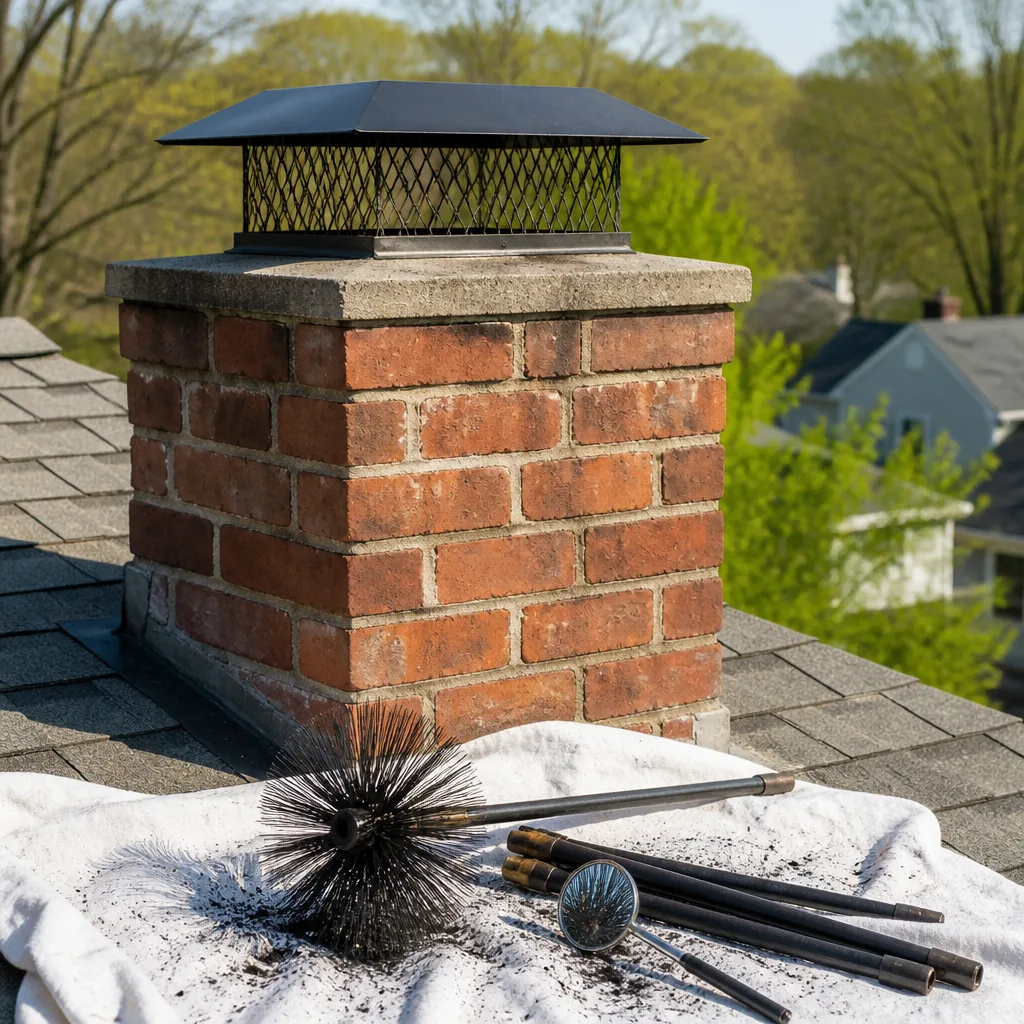 Sweep & inspection
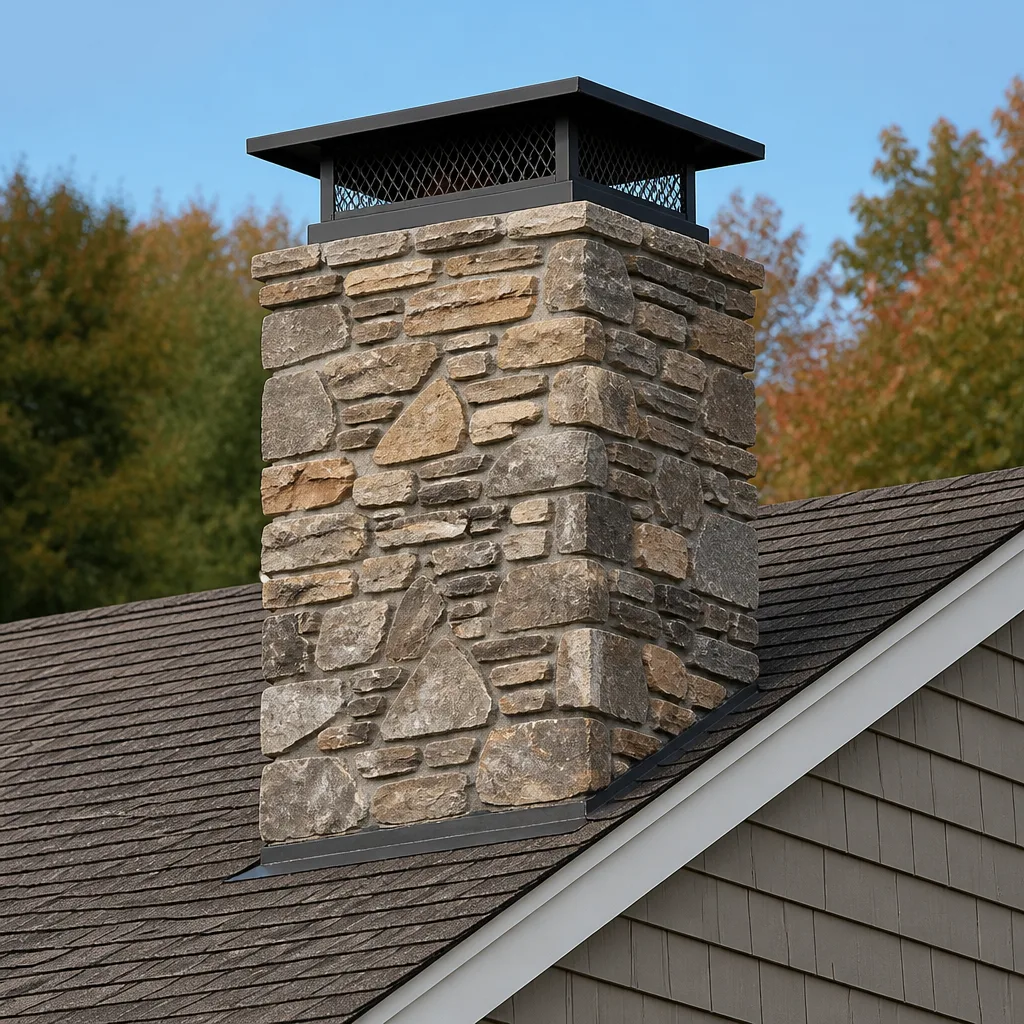 Caps & crowns
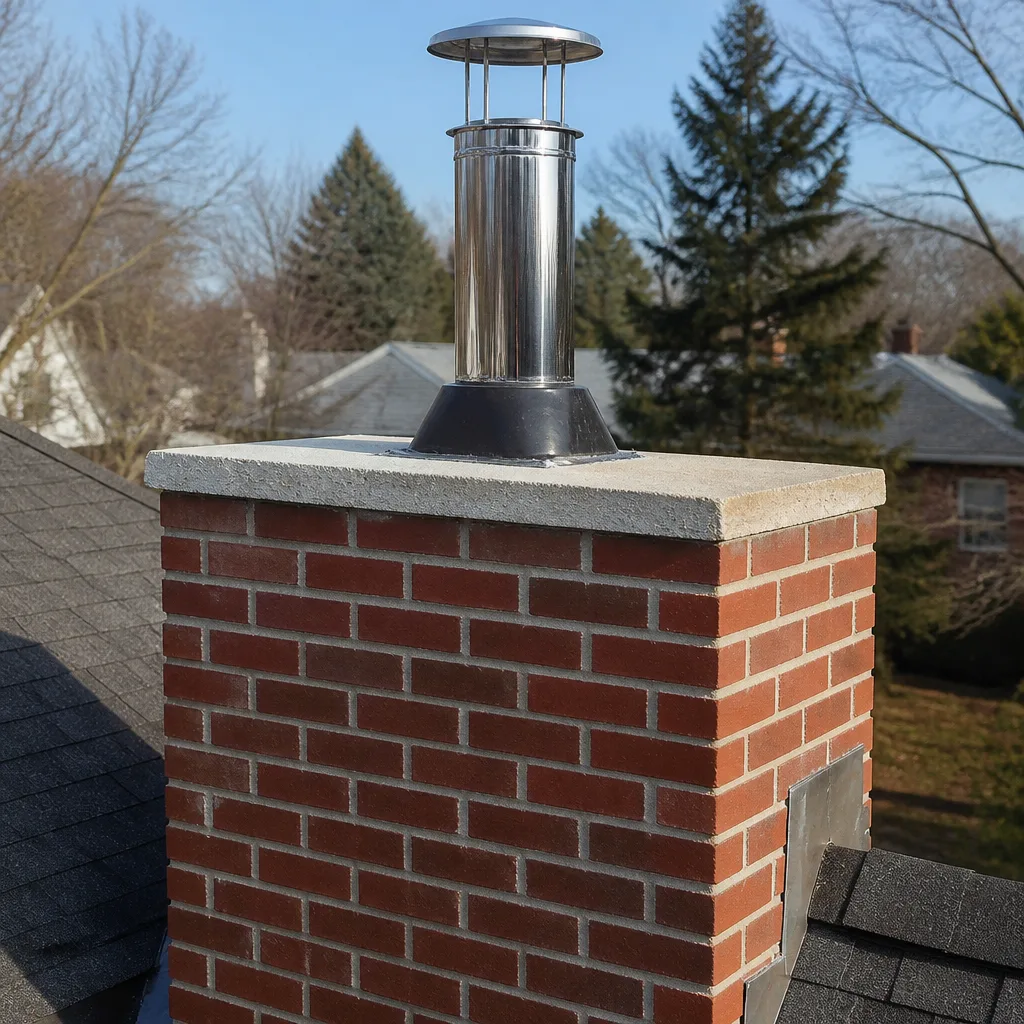 Flue relining
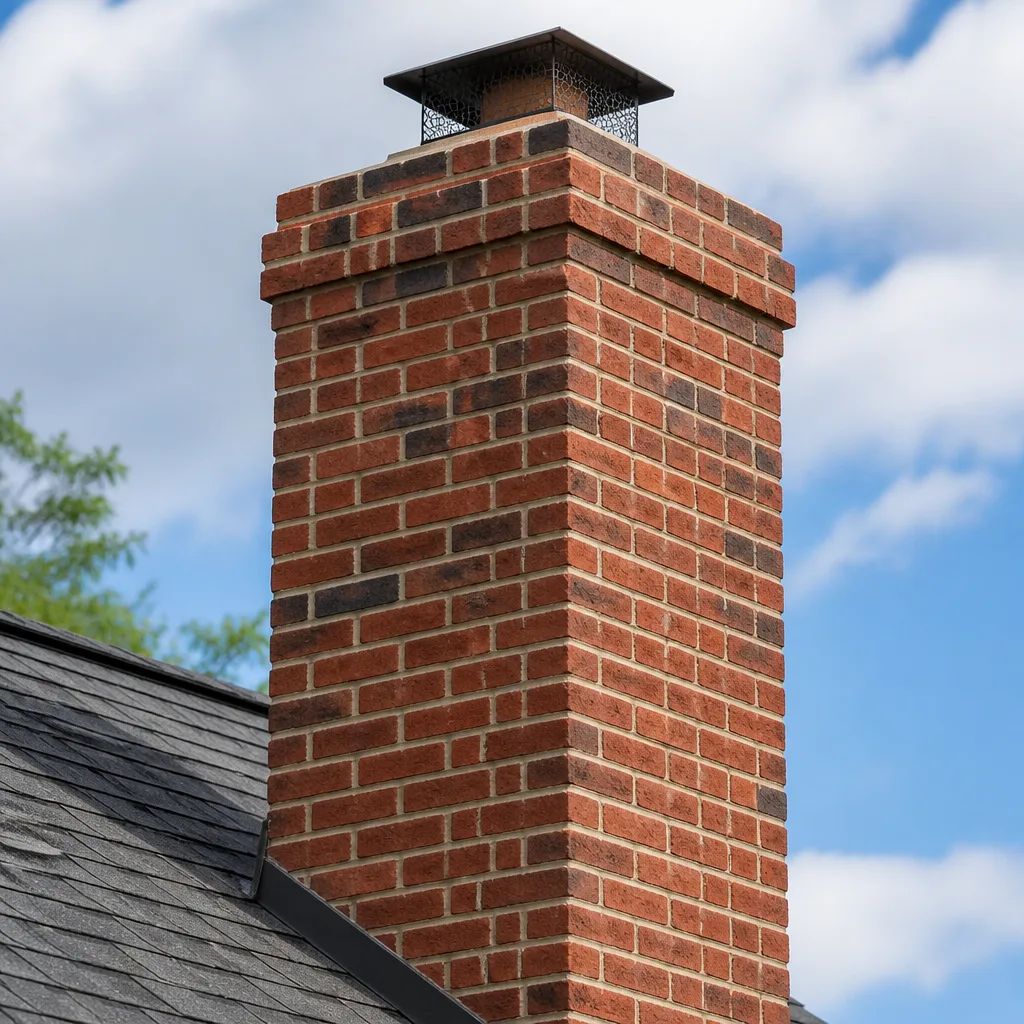 Masonry repair
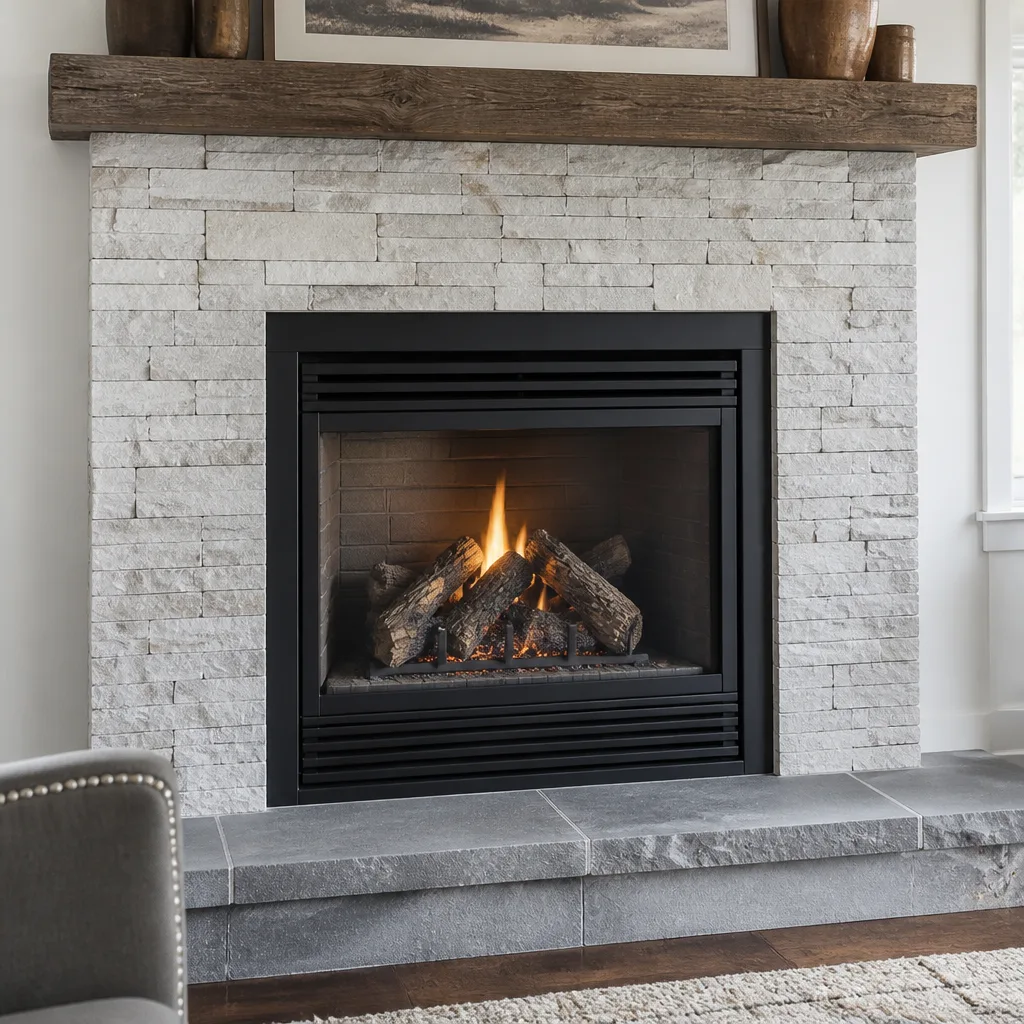 Gas fireplace service
Level 1 sweep and inspection to the NFPA 211 annual standard - flue, crown, cap, and flashing checked and photographed
Chimney sweep logs do not sweep chimneys. They loosen some creosote - which then falls where a brush and vacuum still have to collect it.
Chimney Sweep Troubleshooting in Pittsburgh: Common Problems and How to Fix Them
Smoke backing into your living room isn’t a draft problem until you’ve ruled out six other things first, and most crews only check one. That’s the trouble with chimney troubleshooting: the symptom you notice at the fireplace rarely points to the part that’s actually failing. A smoky room can mean a blocked flue, a house that’s too tight, a damper that won’t open flat, or creosote piled up at the top of the stack. Each one has a different fix and a different price. This guide maps the complaints we hear most often in Pittsburgh to their real mechanical causes, so you can stop guessing and know what a diagnosis should actually cover.
Quick Answer
Most chimney problems in Pittsburgh trace back to one of a handful of causes: creosote buildup, a flue obstruction, negative pressure inside a tight house, deteriorated mortar joints from freeze-thaw cycling, or a worn damper. Getting the right fix starts with an inspection that confirms which cause is actually present. A sweep clears the flue; an inspection tells you whether the smoke problem is the flue at all or something about how your house moves air.
Styles & brands we work with
- Sweep & inspection
- Caps & crowns
- Flue relining
- Masonry repair
- Gas fireplace service
Table of Contents
- Why Is Smoke Coming Back Into the Room?
- Negative Pressure Versus Flue Obstruction: Two Very Different Fixes
- How Pittsburgh’s Freeze-Thaw Cycle Wears Down Your Masonry
- The Sulfur Smell Versus the Smoky Smell: What Each One Signals
- Damper Failures: Bent Blade, Warped Frame, or Failed Throat Seal
- The One Firebox Check That Separates Stage 1 From Stage 2 Creosote
- Liner Problems, Relining, and When Restoration Beats Replacement
- A Step-by-Step Troubleshooting Sequence for Pittsburgh Homes
Why Is Smoke Coming Back Into the Room?
Smoke rolling back into the room usually means the chimney isn’t pulling air the way it’s supposed to, and that can happen for at least seven distinct reasons. The only way to know which one you’re dealing with is to work through them in order. A crew that jumps straight to “bad draft” and sells you a new cap has skipped most of the list.
Here are the causes worth checking before anyone touches a part:
- A flue obstruction. Nests, leaves, a dislodged tile, or a collapsed liner section narrow the passage. Smoke has nowhere to go but back.
- Creosote buildup near the top. Heavy deposits reduce the flue’s diameter and slow the exhaust.
- Negative pressure. The house pulls air down the chimney because it’s tighter than the flue can overcome. More on this below.
- A closed or partly closed damper. Simple, common, and easy to overlook.
- A cold flue. A chimney that hasn’t warmed up won’t draft well on the first fire of the day, especially in a cold snap.
- A chimney that’s too short or poorly sized for the appliance. If the flue was never matched to the stove or fireplace, it may draft poorly from day one.
- A dirty or blocked cap. A cap packed with debris or fitted too tightly will smother the draft.
Notice that a “draft problem” is only one item on a list of seven. That’s why the very first step is a real inspection rather than a guess. In our experience, the most expensive mistakes happen when a homeowner pays for a draft solution before anyone has confirmed the flue is actually clear. If your chimney sweep starts and ends with brushing without a look up the flue, you haven’t been diagnosed yet.
Negative Pressure Versus Flue Obstruction: Two Very Different Fixes
Negative pressure and a blocked flue can produce identical symptoms, and they need completely different fixes. Negative pressure is a house-tightness issue. A flue obstruction is a chimney issue. Confuse the two and you’ll spend money on the wrong one.
Older Pittsburgh homes were built leaky, and they drafted fine because air slipped in around windows and doors. When a house gets tightened up with new windows, added insulation, or a sealed attic, that replacement air disappears. Every exhaust fan, furnace, and dryer now competes with the chimney for the same air, and the chimney is usually the weakest pull. The fireplace starts smoking, and the fix has nothing to do with the flue at all.
Here’s how the two differ in practice:
- Negative pressure: the flue is clean and clear, but smoke still backs up. It tends to happen with the house closed up, or when a bath fan, kitchen hood, or furnace is running. It often feels worse in winter.
- Flue obstruction: the blockage is physical and usually visible on camera. It can happen whether the house is open or closed, and it may worsen over time as the blockage grows.
There are legitimate fixes for negative pressure, like introducing make-up air or adjusting how the house is ventilated. That’s a conversation for an inspection report that spells out the evidence. A blocked flue, by contrast, gets cleared, and then you look at why it blocked in the first place. One is a whole-house question; the other is a chimney question. Knowing which one you have is the difference between solving the problem and paying to chase a symptom.
How Pittsburgh’s Freeze-Thaw Cycle Wears Down Your Masonry
Pittsburgh’s winters swing above and below freezing repeatedly, and that cycle is genuinely hard on brick and mortar. Water soaks into the masonry, freezes, expands, then thaws and drains. Do that enough times and the surface starts to flake and pit. That’s spalling, and it’s the most common masonry complaint we see around here.
Spalling looks cosmetic from the ground. It usually isn’t. The same moisture that’s breaking down the outside of the brick is often finding its way into the mortar joints, the crown, and the flashing. Once mortar joints start to crack and crumble, the chimney can lose structural integrity and draft efficiency at the same time. A joint that’s failed lets air in where it shouldn’t be and lets heat escape where it should stay. The stack can get weaker exactly when it needs to be strongest.
Watch for these signs after a hard Pittsburgh winter:
- Crumbling or recessed mortar joints, especially on the chimney’s sunny side
- Flakes of brick on the roof or at the base
- A cracked or separated crown
- Rusty or loose flashing where the chimney meets the roof
- White, chalky deposits on the brick (efflorescence), which often signals moisture moving through the masonry
The fix depends on severity. Loose mortar gets repointed. A failing crown gets rebuilt. Damaged flashing – and we work with famco and copperfield components for caps and flashing – gets replaced so water stops getting in. The key is to catch it before the freeze-thaw cycle turns a repointing job into a rebuild. Inspecting in fall, before the first hard freeze, is the timing that makes the most sense in this climate.
The Sulfur Smell Versus the Smoky Smell: What Each One Signals
A sulfur or rotten-egg smell points to combustion residue settling somewhere it shouldn’t, often at the bottom of the flue or in a dead-air space. A smoky smell points to creosote and soot that have soaked into masonry or a liner. Same chimney, two different problems.
A sulfur smell in a chimney that vents a gas appliance deserves attention right away. It can mean flue gases aren’t venting cleanly and are pooling instead of rising. That’s a venting issue, and it’s worth treating with caution. Carbon monoxide risk is real in this situation, and the right move is to stop using the appliance until someone qualified has looked at it. If you smell sulfur and you have any reason to suspect a gas appliance is involved, that’s a call-today situation.
A smoky smell is more of a slow problem. Creosote is a tar-like residue, and it lingers. Even after a good sweep, a flue that’s been neglected can smell smoky for a while because deposits have soaked into porous surfaces. That smell is a hint that creosote has been building for a while and that stages matter.
Here’s the distinction that helps:
- Sulfur smell: suspect venting. Venting problems are about where gases go, and that’s a safety question.
- Smoky smell: suspect creosote and soot. This is a buildup question, and it’s usually addressed by sweeping plus a look at the liner.
Neither smell is one to ignore, but they lead to different diagnoses. If you’re not sure which smell you’re dealing with, that uncertainty is exactly what an inspection resolves. If your fireplace has been quiet for a couple of seasons, it’s worth reading up on how often a chimney sweep should be scheduled before the smell turns into a bigger job.
Damper Failures: Bent Blade, Warped Frame, or Failed Throat Seal
A damper failure is rarely just “the damper.” The repair scope depends on whether the blade is bent, the frame is warped, or the seal at the throat has failed. Each one needs different parts and different labor, and one part swapped for another won’t fix the underlying problem.
The damper is the metal plate just above the firebox that opens and closes to control draft and keep heated air from escaping up the flue when the fireplace is idle. Over years of heat, soot, and use, parts of that assembly wear out.
A bent blade is the mechanical one. Heat warps it, or something knocks it out of alignment, and it no longer seats flat. It might rattle, drag, or refuse to close all the way. Sometimes it opens fine but won’t seal, and that’s a slow energy leak more than a smoke problem.
A warped frame is the structural one. The track or housing the blade rides in has distorted, so even a straight blade can’t seat right. This is a bigger repair because you’re addressing the frame, not just the moving part.
A failed throat seal is the airflow one. The seal around the damper has opened up, so the fireplace never fully closes off. You’ll notice drafty air coming down the chimney even with the damper shut, and you’ll lose heat all winter.
The way to tell them apart is to operate the damper with the fire out and watch how it moves. Does it swing smoothly but fail to seal? That’s a seal. Does it bind against the sides? That’s a frame. Does it seat lopsidedly? That’s a bent blade. A trained eye can usually confirm the cause in a few minutes during an inspection. If you’ve been living with a stuck damper for a while, chimney repair is usually the next step rather than another sweep.
The One Firebox Check That Separates Stage 1 From Stage 2 Creosote
Here’s the one visual check almost any homeowner can do from the firebox: look up at the flue walls and note whether the coating is thin and flaky or thick and crusted. Thin, flaky, soot-like residue is consistent with stage 1 creosote. A thick, glossy, tar-like crust suggests stage 2.
Stages matter because they determine what kind of cleaning is required. Stage 1 is the lightest form – soot and flaky deposits that a routine sweep handles. Stage 2 is denser and harder to remove. It often needs more aggressive cleaning, and it’s the stage where fire risk starts climbing. Stage 3 is the worst form, a glazed, hardened layer that can require chemical treatment or even liner work.
What you’re looking for in that check:
- Color and texture: dry and flaky reads differently than wet, shiny, or crusty
- Thickness: a thin dusting versus a coating that looks like it could be scraped off in chunks
- Coverage: an occasional patch versus a full wrap around the flue
If you look up and see anything glossy or thick, don’t wait. That’s the point where a professional inspection is worth scheduling. If you see light flaky residue, you may still be due for a routine sweep, but the urgency is lower.
Be honest with yourself about what this check can and can’t tell you. It’s a rough guide from the firebox looking up – it’s not a substitute for a camera inspection that sees the whole flue, including the upper sections you can’t see from below. It’s a way to decide whether to call now or wait a season, not a diagnosis.
We can’t emphasize enough that creosote is the leading contributor to chimney fires. You don’t need to be scared into action, but you should act before a stage 2 becomes a stage 3.
Liner Problems, Relining, and When Restoration Beats Replacement
Liner problems don’t always require a full liner replacement. In many cases, a damaged liner with deteriorated joints can be restored with a ceramic resurfacing system, which is cheaper than pulling the whole liner. The only way to know which applies is to inspect the liner and see the actual damage.
A liner is the flue’s internal wall – clay tiles in older chimneys, or a metal liner in newer ones. It keeps combustion gases inside the flue and away from the structure. When tiles crack or joints separate, gases can escape into the masonry. That’s the carbon-monoxide path nobody wants, and it’s the reason liner condition is such a big part of any inspection.
There are two broad approaches when a liner is compromised:
- Restoration. Ceramic resurfacing fills and seals deteriorated mortar joints and rebuilds a smooth interior surface. We work with heatshield for this, and it’s a real alternative to tearing out the whole liner. Not every liner qualifies – it depends on the extent of the damage – but when it does, restoration commonly costs less than replacement.
- Replacement or relining. When the liner’s structural integrity is too far gone, a new liner is the answer. A flexible stainless system, which is what duraflex builds, can reline a chimney whose original tiles are failing.
The important thing to understand is that relining isn’t just about creosote. It covers structural failures as well. A liner that’s cracked or collapsed can’t be fixed by sweeping more often. If your liner is damaged, no amount of cleaning makes the flue safe again.
That’s also why we take an inspection-first approach rather than a one-size prescription. Restoration is on the table when the evidence supports it, and replacement is on the table when it doesn’t. Nobody should be talked into a full reline before someone has actually looked at the liner.
A Step-by-Step Troubleshooting Sequence for Pittsburgh Homes
When a chimney is misbehaving, work through the diagnosis in a logical order so you don’t skip the cheap checks or jump to the expensive ones. Here’s the sequence we use to zero in on the cause.
- Confirm what the symptom actually is. Smoke backing up, a smell, a drafty room, and a visible crack are four different complaints. Naming it precisely narrows the field.
- Check the obvious stuff first. Is the damper open? Is the cap clear? Is the firebox clean? These cost nothing to rule out.
- Look up the flue from the firebox. Note the texture and thickness of the coating. That’s your stage 1 versus stage 2 clue.
- Determine if the problem is the flue or the house. Does the smoke only back up when the house is closed up or the fans are running? If so, test for negative pressure before assuming an obstruction.
- Get a camera inspection. A camera sees the parts of the flue you can’t see from below – joints, the liner, the upper sections, the crown. This is where the real diagnosis happens.
- Match the fix to the finding. Obstruction gets cleared. Negative pressure gets addressed at the house level. A failed damper gets repaired. A failing liner gets restored or relined based on the damage.
Following this order means you don’t pay for a reline when you needed a damper repair, and you don’t get talked into a cap when the real problem is a flue packed with creosote. In Pittsburgh, where winters are hard on masonry, step five is where most surprises turn up – that’s usually where freeze-thaw damage or a hairline tile crack becomes visible.
It also helps to know what your inspection should include. Ask whether a camera is used, whether you’ll get pictures, and whether the report tells you in plain language what’s failing and what can wait. A report that only says “needs cleaning” isn’t a diagnosis; a report that shows you the inside of the flue and points to what’s wrong is.
Common Mistakes to Avoid
- Assuming every smoke problem is a draft problem. As the first section covers, a smoke backup can have seven causes, and “bad draft” is only one. Ruling that out first saves you from buying the wrong fix.
- Treating spalling as cosmetic. Flaking brick looks like a surface issue, but it often points to moisture and mortar failure inside the joints. In a Pittsburgh freeze-thaw cycle, that can progress across a season or two from “looks rough” to “structurally compromised.”
- Confusing negative pressure with an obstruction. These two feel the same at the fireplace. The fixes are completely different, and putting a flue-venting fix on a house-tightness problem won’t help.
- Ignoring a sulfur smell. A smoky smell might wait for a routine visit. A sulfur smell in a home with a gas appliance should be addressed before the next use, not after the next sweep.
- Skipping the camera inspection to save time. A brush sees the bottom of the flue. A camera sees the whole thing. Skipping the camera is how liners fail without anyone noticing.
- Paying for a reline when restoration would do. Not every damaged liner needs full replacement. Resurfacing can restore joints and interior surfaces at a lower cost when the damage is the right kind. A carpenter who relines everything doesn’t get to call it a diagnosis.
- Putting off fall inspections. In this climate, the right window is before the first hard freeze. Waiting until February means finding the freeze-thaw damage after it’s already happened.
See the difference
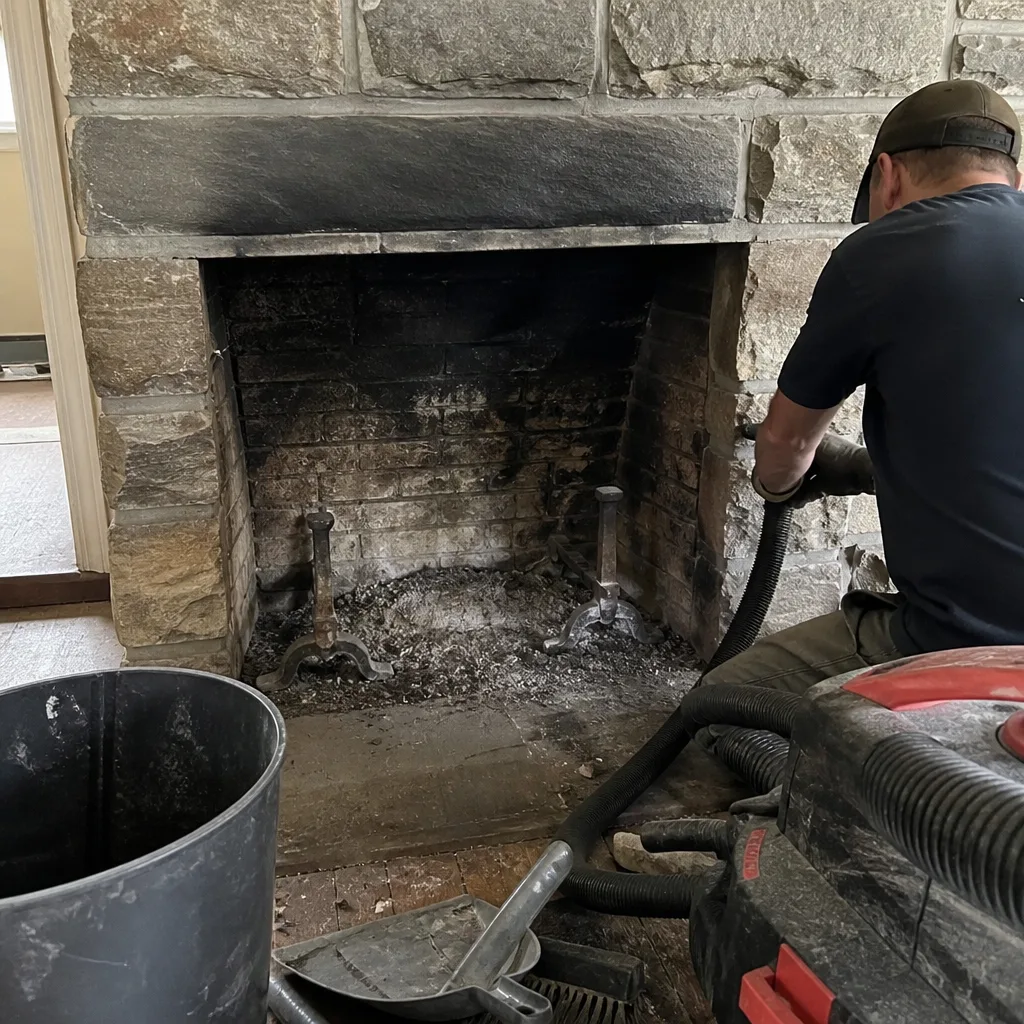 Before
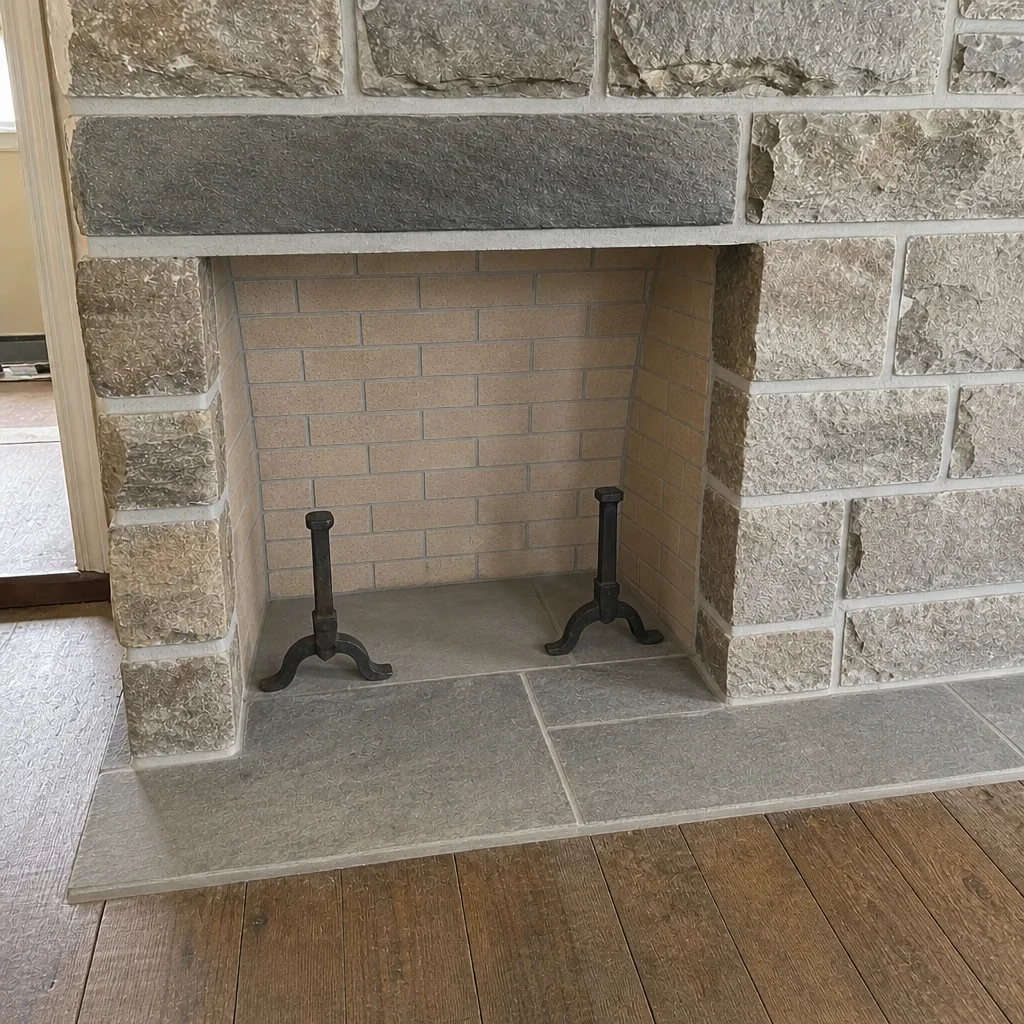 After
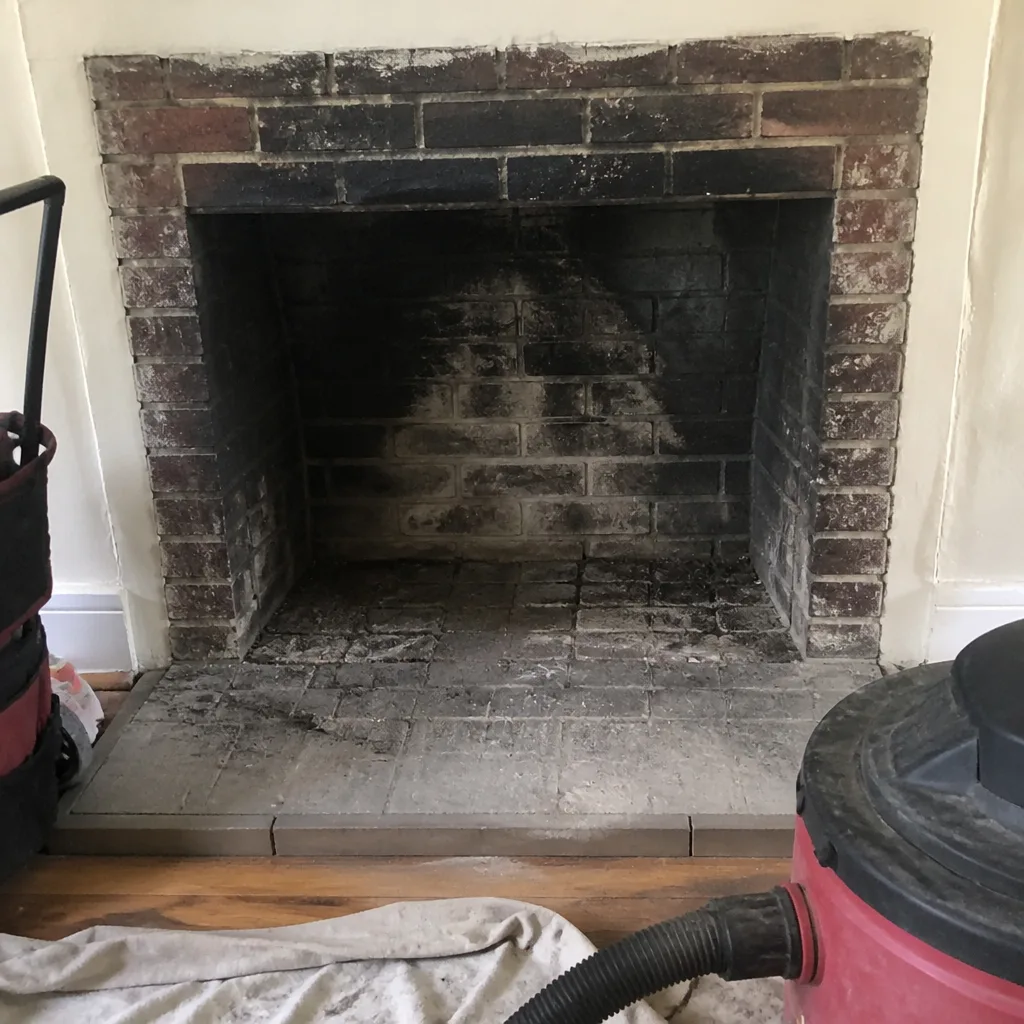 Before
 After
 Before
 After
When to Call a Professional
Call a professional if you see smoke backing into the room on a routine fire, smell sulfur with a gas appliance in the home, notice a stuck or drafty damper that doesn’t respond to normal use, or see glossy buildup in the flue from the firebox. If your chimney hasn’t been inspected in a couple of seasons, schedule one before winter rather than after. Any time you suspect a liner problem – cracked tiles, missing joints, or signs of water in the masonry – that’s not a wait-and-see situation.
Pittsburgh Chimney Cleaning offers free estimates in Pittsburgh – call (844) 761-5636. We work across Pittsburgh and the surrounding area, and we bring the same inspection-first approach to every job. Our technicians have up to 14 years of experience, and we work with DuraFlex, HeatShield, Gelco, Olympia Chimney, Famco, and Copperfield – professional-grade trade materials specified for the job, not big-box substitutes. You get one contractor from sweep through repair, so a diagnosis and a fix don’t get handed off to two different opinions.
Call (844) 761-5636. We answer 24/7. Fast dispatch from 7am to 7pm, Sunday through Friday.
Frequently Asked Questions
Intermittent smoke usually means the problem is condition-dependent, not constant. Smoke that appears when the house is closed up or when the kitchen or bath fans run points to negative pressure. Smoke that appears regardless of those conditions points more often to an obstruction or heavy creosote. The fix depends on which pattern you’re seeing, so an inspection that tests both conditions is worth more than a rushed guess. Call (844) 761-5636 for an exact quote – estimates are free.
Look up at the flue from the firebox and check the texture. Dry, flaky, soot-like residue is consistent with stage 1; glossy or tar-like buildup is a sign of stage 2 or higher. This is only a rough check from below – a camera inspection is what confirms the stage throughout the whole flue. If you see anything glossy, schedule a professional look. Call (844) 761-5636 and we’ll book an inspection.
Yes, specifically the repeated freezing and thawing. Water gets into brick and mortar, freezes, expands, and thaws again, and each cycle loosens the masonry a little more. That’s why spalling joints and cracked crowns are so common here after a hard winter. The best defense is an inspection in fall, before freezing temperatures arrive. Call (844) 761-5636 to get on the schedule early.
Sometimes, yes. Ceramic resurfacing can seal deteriorated joints and rebuild the flue’s interior surface without tearing out the whole liner, and that’s often less expensive than full replacement. It depends on the extent of the damage; a liner that’s structurally collapsed needs replacement, not restoration. An inspection is what tells you which applies. Call (844) 761-5636 – estimates are free and we’ll walk you through what the photos show.
Summer humidity tends to make creosote and soot smell stronger, while a sulfur smell with a gas appliance is a venting issue that’s not seasonal at all. A smoky, creosote smell is usually a buildup question; a sulfur smell is a where-are-the-gases-going question. Neither should be ignored, but they point to different fixes. Call (844) 761-5636 if the smell is new or getting stronger.
Confirm the damper is fully open, make sure the cap isn’t blocked, and check whether the smoke only happens with the house closed up. Those three checks rule out the cheapest causes and give a technician a head start when you call. If the problem persists after those, you need an inspection. Call (844) 761-5636 and we’ll get you scheduled – free estimates, and we answer 24/7.
The Bottom Line
Most chimney problems in Pittsburgh come down to a short list of causes – creosote, obstructions, negative pressure, freeze-thaw masonry damage, damper failures, and liner deterioration – and the symptom you notice rarely matches the cause directly. The shortcut to fixing the right thing is an inspection that actually looks at the flue, ideally with a camera, and then matches the repair to what’s found. Sweeping clears the flue; inspection tells you whether sweeping was even the right call. Whether your issue is smoke backing up, a sulfur smell, or a brick that’s starting to flake after winter, the smart first move is the same: start with an inspection, then you know exactly what you’re dealing with.
Ready to stop guessing? Call (844) 761-5636 for a free estimate. We answer 24/7. Fast dispatch from 7am to 7pm, Sunday through Friday, and we’re closed Saturday.
Written by the team at Pittsburgh Chimney Cleaning.