
Last updated November 15, 2026
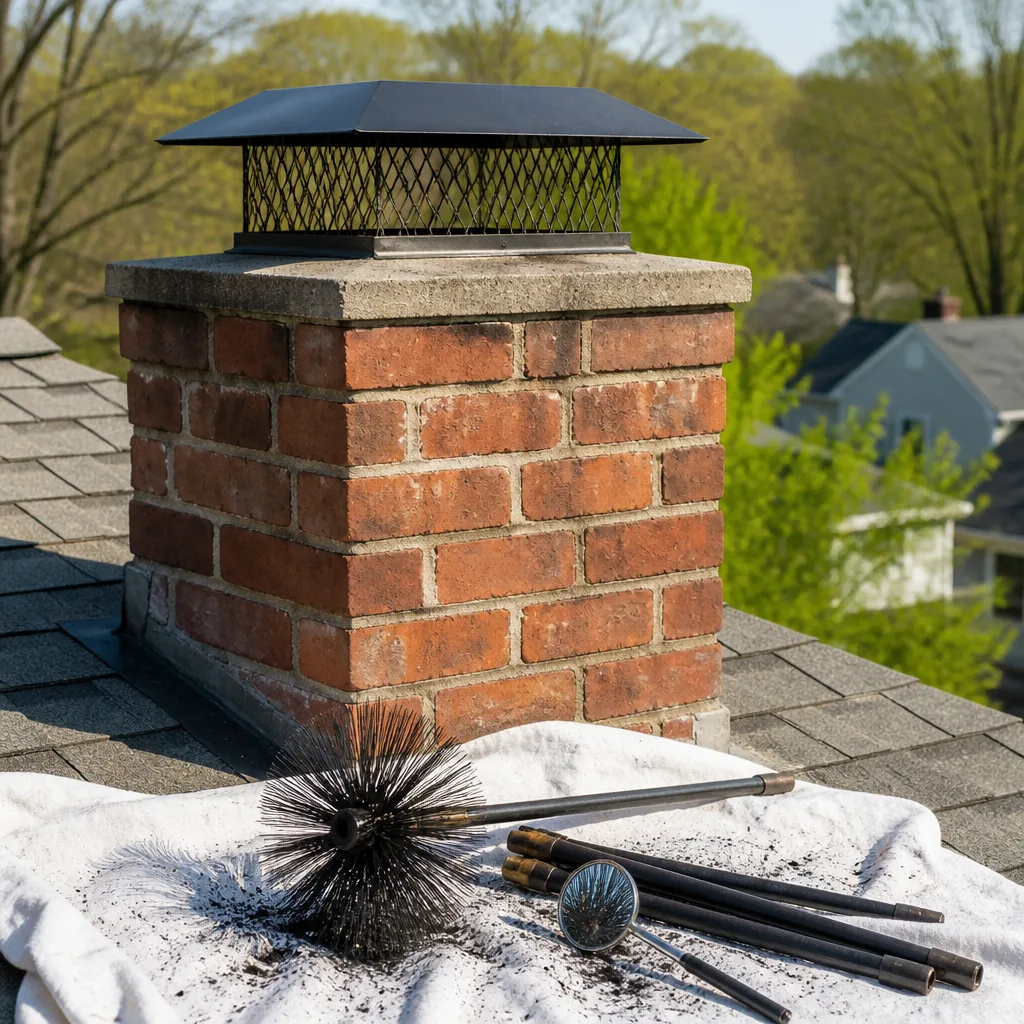 Sweep & inspection
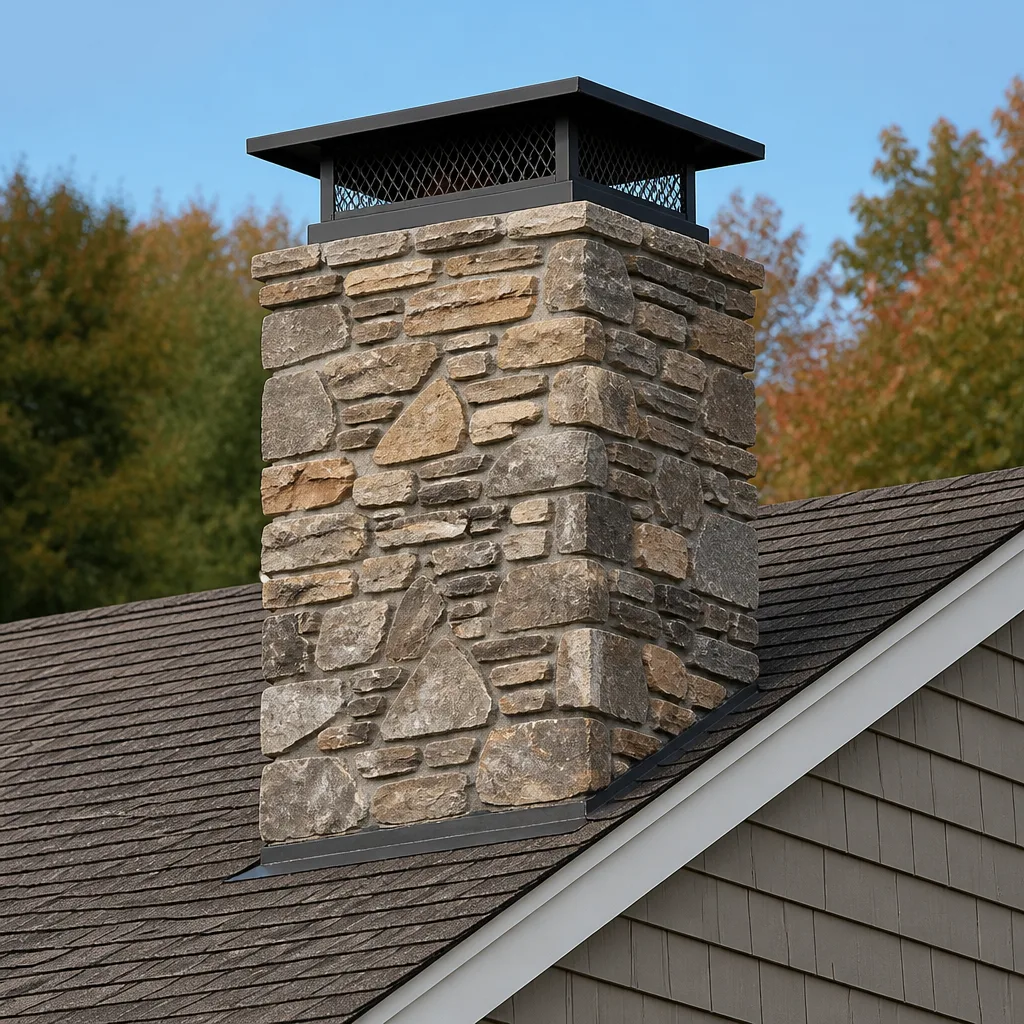 Caps & crowns
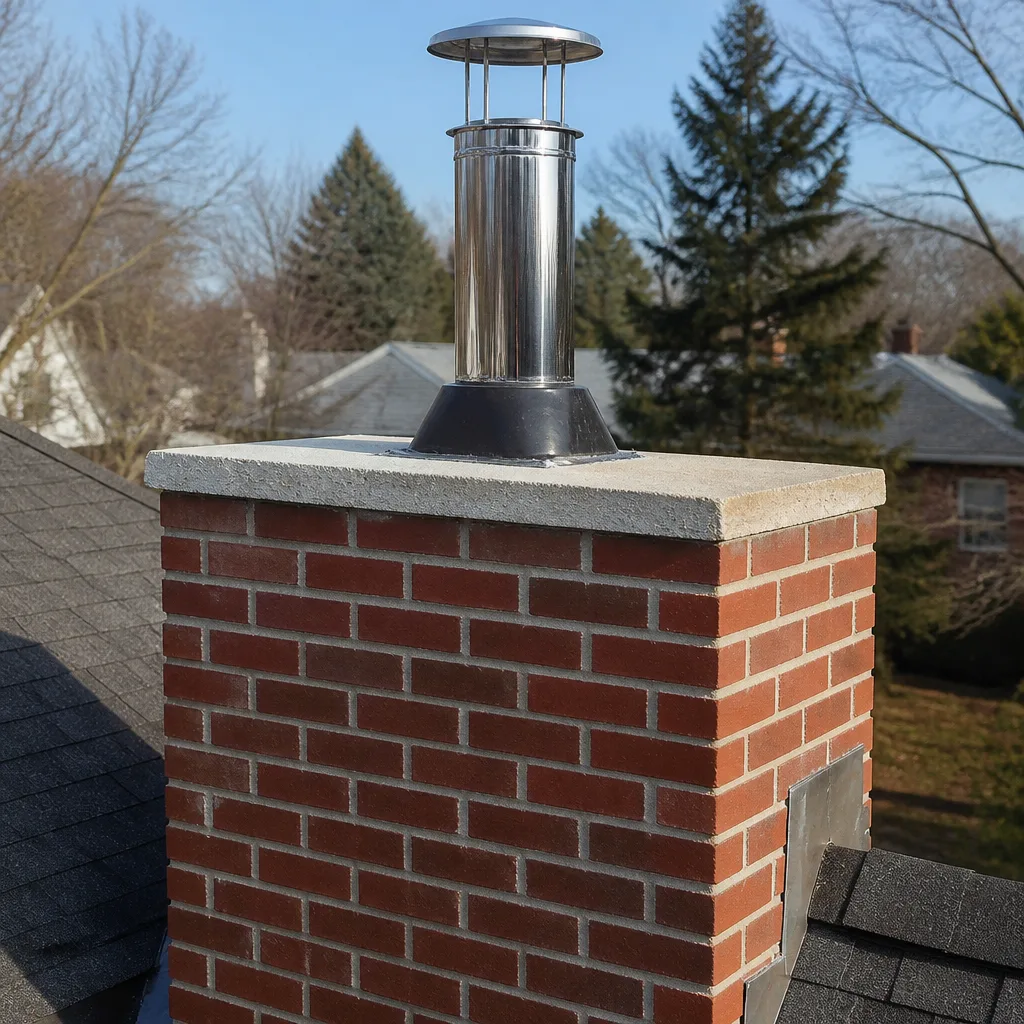 Flue relining
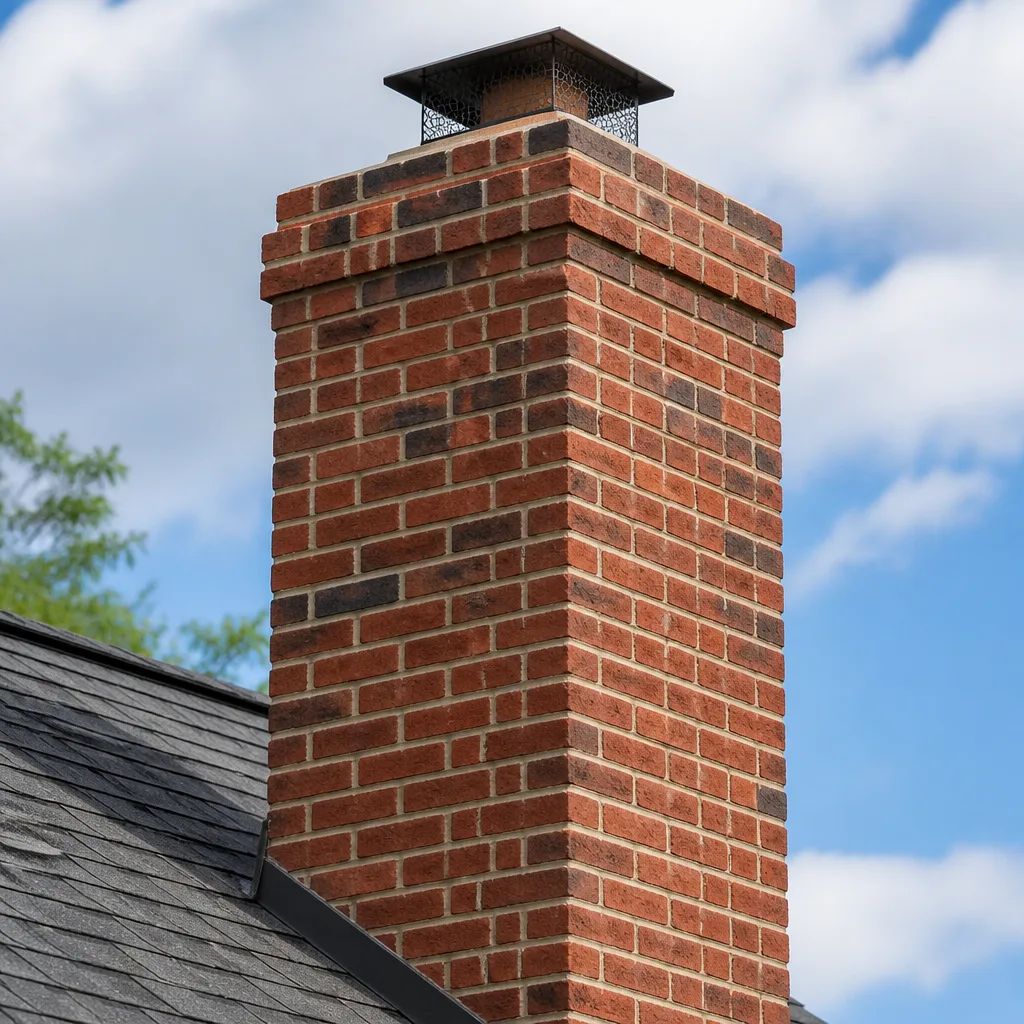 Masonry repair
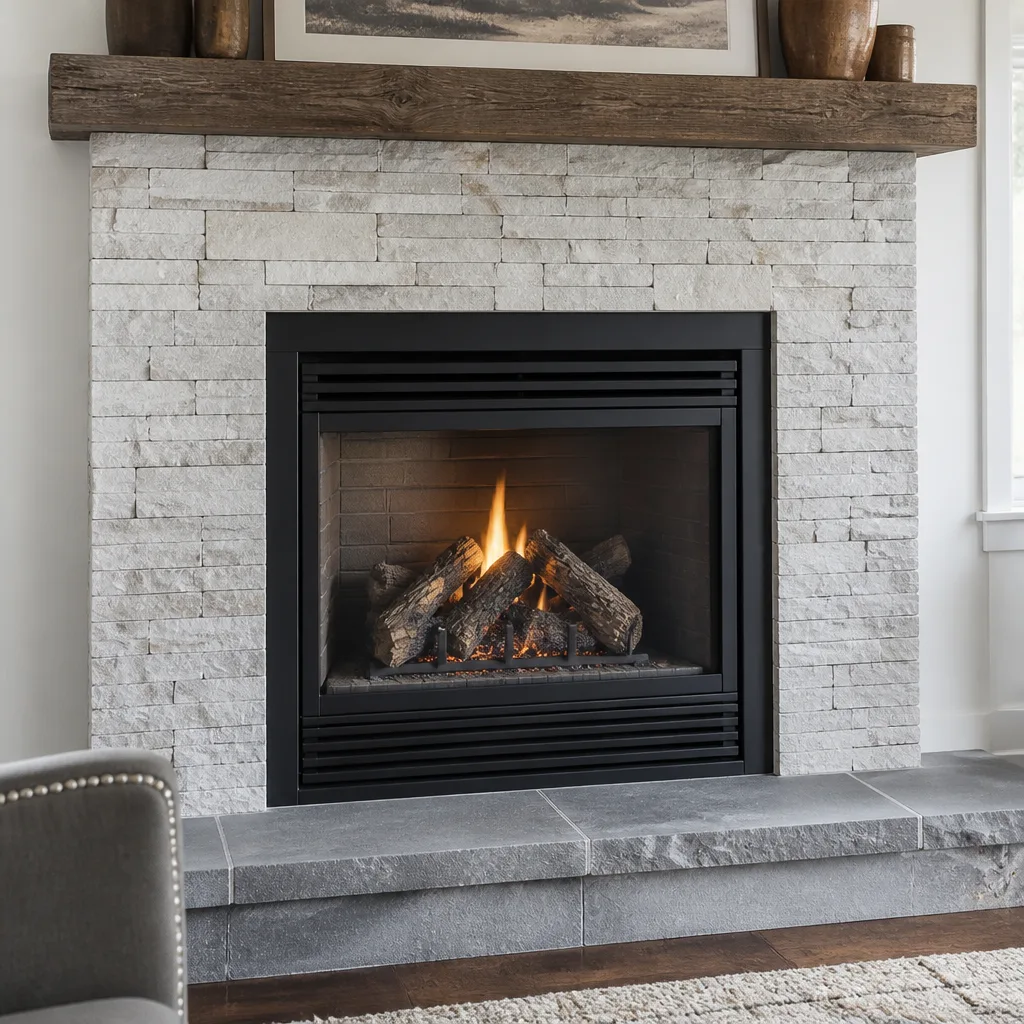 Gas fireplace service
Level 1 sweep and inspection to the NFPA 211 annual standard - flue, crown, cap, and flashing checked and photographed
Chimney sweep logs do not sweep chimneys. They loosen some creosote - which then falls where a brush and vacuum still have to collect it.
How to Hire a Chimney Cleaning Contractor in Pittsburgh: A Step-by-Step Guide
CSIA certification tells you a technician passed a written exam. It tells you nothing about whether the company behind them can repair what they find. That gap matters in Pittsburgh, where a routine October cleaning can turn up a cracked firebox, and where a sweep-only operation has no choice but to hand you off to someone else. The heating season here runs long, fireplaces work hard, and the contractor who diagnoses the problem should be the one who fixes it. This guide walks through how to hire a chimney cleaning contractor in Pittsburgh the way we’d advise a neighbor: what to ask, what to verify, what to look for in a written scope, and where credentials stop being a useful signal and scope of service starts to matter more.
Quick Answer
Hire a chimney cleaning contractor in Pittsburgh by confirming three things before you book: that the company self-performs both sweeping and repairs, that the crew carries CSIA credentials and can work with professional-grade materials like DuraFlex or HeatShield when the inspection calls for a fix, and that you’ll receive a written scope of work and an inspection report with photos you can review before any repair is authorized. Ask whether they subcontract their repair work. If the answer is yes, keep looking. The company you hire should be able to sweep, inspect, and repair without a handoff.
Styles & brands we work with
- Sweep & inspection
- Caps & crowns
- Flue relining
- Masonry repair
- Gas fireplace service
Table of Contents
- Why Scope of Service Beats Credentials Alone
- Questions That Reveal Whether a Company Self-Performs Repairs
- Pennsylvania Requirements vs. NFPA 211: Where They Diverge
- Red Flags in Chimney Contractor Pricing
- How to Verify Work History With Allegheny County Records
- What a Written Scope of Work Should Include
- What Happens During a Chimney Inspection
- How to Time the Hire Around Pittsburgh’s Heating Season
Why Scope of Service Beats Credentials Alone
The chimney trade has a split personality. On one side are maintenance crews that sweep and inspect but don’t repair. On the other are full-service contractors who carry the materials and credentials to fix what they find. Both sides can carry CSIA certification. Both can show up with a drop cloth and a vacuum. The difference shows up the moment your flue has a problem.
In a typical home in Squirrel Hill, Shadyside, or Mount Lebanon, a chimney is often thirty to seventy years old, and the mortar joints in the flue tiles have usually seen a few reheating seasons. A sweep-only crew clears the creosote, writes a note about “some deterioration,” and leaves. You then call a second company to assess the repair. The second company has no investment in the original inspection, sometimes contradicts it, and often quotes work that’s hard to compare because nobody agreed on a baseline. The homeowner ends up with two reports and no clear path forward.
The full-service model collapses that. A company that sweeps, inspects, and repairs can document what it finds, produce a repair estimate that matches the inspection findings, and stand behind both jobs. We work with a set of professional-grade materials for exactly this reason – DuraFlex for flexible relining, HeatShield for ceramic resurfacing of deteriorated flue liners, Gelco and Copperfield for caps and accessories. These aren’t parts picked up at a big-box store; they’re the materials specified by certified chimney contractors because the systems depend on them.
What this means for your hire
A contractor who can restore a liner with HeatShield ceramic resurfacing has an option to offer beyond replacement. A contractor who has never touched HeatShield has only one recommendation in their toolkit: replace. It’s not dishonesty; it’s a limited scope. That’s the reason to ask about materials before you ask about price.
Questions That Reveal Whether a Company Self-Performs Repairs
Most homeowners ask about price and availability. The questions that actually separate contractors are about who does the work. Here are the ones we’ve seen reveal the most, in order of how much they tell you.
- “Do you self-perform chimney repairs, or do you subcontract them?” If the answer is “we have a guy” or “we partner with another company,” the inspection-to-repair chain is broken. Ask who that partner is and whether they’ll accept the original findings without re-inspecting.
- “Which relining systems do you install?” A company that answers with a specific brand and can explain why it uses that brand has a real repair capability. A company that names no brand, or names a generic “stainless liner,” is likely subcontracting.
- “Can you do HeatShield ceramic resurfacing, or only full liner replacement?” Restoration is the cost-saving option when the existing flue is still structurally sound. A contractor who has never heard of it has only one tool.
- “Will I get a written inspection report with photos before any repair is authorized?” This is the single best protection against being sold work you don’t need. Photos are hard to argue with. Verbal recommendations are not.
- “Who answers the phone when I call?” A dispatch center that books jobs for a dozen trades is not the same as a company that knows chimney work. Ask.
- “What happens if the inspection finds a problem you can’t fix?” The answer should be specific. Not “we’ll refer you” but “here’s the scope we’d hand off and why.”
One question we always suggest homeowners add: “Can you show me the difference between what needs repair now and what can safely wait?” A contractor who can draw that line clearly is a contractor worth hiring. One who can’t, or won’t, is the same contractor who’ll quote everything at once.
Why subcontracting breaks the chain
When Company A sweeps and Company B repairs, the second company is incentivized to re-diagnose from scratch. Sometimes that means a second inspection fee. Sometimes it means a different recommendation. Either way, the homeowner is paying two companies to argue about the same flue. That’s the hidden cost of a subcontracting model, and it shows up in Pittsburgh because the market has a lot of sweep-only crews that haven’t invested in repair capability.
Pennsylvania Requirements vs. NFPA 211: Where They Diverge
Pennsylvania doesn’t license chimney sweeps as a standalone trade. There’s no state-issued chimney sweep license the way there is for electricians or plumbers. That surprises a lot of homeowners, and it means the credential signal you rely on has to come from somewhere else.
What Pennsylvania does have is a code framework, and municipalities like Pittsburgh and the surrounding Allegheny County boroughs enforce their own building codes for new installation and for permitted repair work. Most chimney repairs that involve structural changes – relining, rebuilding a crown, replacing a firebox – are handled under a permit pulled by the contractor. Cosmetic work and cleaning generally are not. When you’re hiring, ask: “Is this repair a permitted job, and who pulls the permit?” The answer tells you whether the contractor operates inside the municipal inspection system or around it.
NFPA 211, the national standard for chimneys, fireplaces, vents, and solid fuel-burning appliances, sits alongside the local code. It’s the standard CSIA-certified inspectors work from. It covers things the local code may not spell out in detail: the frequency of inspection, the condition categories an inspector records, and the level-of-inspection framework (Level 1, Level 2, Level 3). If you’re buying a home in Pittsburgh and the seller can’t produce an inspection report under NFPA 211, that’s a gap worth closing before closing.
Where the two standards pull apart
- Frequency: NFPA 211 recommends annual inspection of chimneys and vents. Pennsylvania code doesn’t generally require an annual inspection for a private residence. The standard is stronger than the code, and for safety it’s the one to follow.
- Inspection levels: Local code may only care about the installation. NFPA 211 defines what a Level 1, Level 2, or Level 3 inspection actually includes. A contractor who doesn’t describe those levels is not inspecting to the standard.
- Sweeping frequency: NFPA 211 says chimneys should be swept when there’s a 1/8-inch deposit of creosote or soot. That’s a condition threshold, not a calendar. A contractor who only recommends sweeping by the calendar isn’t reading your flue.
For a chimney sweep appointment, the practical takeaway is this: ask whether the inspection is done to NFPA 211, and ask which level. If the answer is vague, the inspection is vague, and the repair estimate built on it will be too.
Red Flags in Chimney Contractor Pricing
Chimney cleaning prices in Pittsburgh sit in a fairly wide band because the work varies – an open-hearth masonry fireplace with an accessible flue takes less time than a wood stove with an offset and a tight cap. What matters for hiring is not the exact number. It’s whether the pricing structure is honest.
Here’s the pattern that should make you slow down. An unusually low sweep quote. It seems too good. It’s followed, a few days later, by a call or an email that says the inspection “found significant damage” and quotes a repair in the thousands. The homeowner has no way to verify the damage because no photos were provided, no scope was written, and the original inspector is now the person recommending the work. That’s a conflict of interest wearing a discount.
What honest pricing looks like
- The sweep price is stated upfront and is reasonable for the scope of the job, not a loss-leader designed to get a technician in the door.
- The inspection report is delivered in writing with photos of the actual flue, firebox, and exterior, not just a checkbox sheet.
- Repairs are quoted in writing with line items – materials, labor, permit if applicable – not a single lump-sum number.
- You’re told what can safely wait. An honest contractor will say “the crown has some cracking; it’s not urgent but it’s worth planning for next season” when that’s the truth. Urgency is earned by evidence, not by the calendar.
- No pressure to decide on the spot. If a contractor won’t let you sleep on a multi-thousand-dollar repair, that’s information.
For pricing context, a chimney sweep in Pittsburgh is typically an estimate-per-job number and the written estimate sets the final price. We don’t publish ranges for that reason – they’d be rough guesses dressed up as data. What you can expect from any reputable contractor is a number before the work starts, not after.
How to Verify Work History With Allegheny County Records
You can learn a lot about a chimney contractor by checking whether their permitted work appears in Allegheny County records. Permits are public. Repairs that require a permit leave a trail – the application, the contractor listed, the inspection outcome. That trail is a work history you can actually read.
Step-by-step verification
- Ask the contractor for a permit example. “Can you give me a recent project in Allegheny County where you pulled the permit?” A confident contractor will answer.
- Search the county’s online permit portal using the contractor’s business name. You’re looking for chimney-related work: relining, chimney rebuilds, firebox replacement. You’re not looking for the sweep appointments themselves – those don’t need permits.
- Cross-check the address or neighborhood. A list of permits in Mount Washington, Brookline, and the North Side shows the contractor actually works in the city. A list with no Pittsburgh addresses at all is worth a second question.
- Ask about inspection outcomes. A permit isn’t the goal. A passed inspection is. A contractor with permits but no closures has a question to answer.
- Check the Better Business Bureau and any state-level trade records for history of complaints. You’re not looking for zero complaints – every contractor has some – you’re looking for pattern and response.
Records aren’t a substitute for asking direct questions during the estimate. They’re a way to confirm the answers afterward. When we tell homeowners our repair work is documented, we’re inviting that check.
What a Written Scope of Work Should Include
A written scope of work is what protects you if something is disputed later. It’s also what separates a professional service from a guy with a brush. Here’s what should be in writing before any cleaning or repair begins, whether the job is small or large.
- The address and the specific appliance or chimney being serviced. If you have two flues, both should be named. Vague scopes invite disputes over which chimney was cleaned.
- The service being performed: sweep, inspection, repair, or a combination. Each with its own line.
- The inspection level being performed (Level 1, Level 2, or Level 3) and what that level includes.
- The condition findings, in writing, with the inspector’s assessment of creosote buildup, flue condition, firebox condition, damper, cap, and crown.
- Photos of the findings attached to the report. This is the single most protective line item in the whole document.
- A repair estimate, itemized by line, for anything found. Each item should say what’s being fixed, what material is going in (HeatShield, DuraFlex, flashing, cap), and the permit status if applicable.
- The final price, stated as a fixed number, not a range, with a note that this is the estimate and the written estimate sets the final price.
- The name of the company performing the work and the name of the technician present. Company, not individual owner. This matters if you need to reference the visit later.
If the scope you’re handed is a sticky note with a price on it, that’s the document you’ll have when a dispute arises. Insist on more.
What Happens During a Chimney Inspection
A chimney inspection isn’t the same as a sweep, and understanding the difference is half the reason to hire a full-service contractor. Sweeping clears creosote. Inspection documents the condition of the entire system – flue, firebox, damper, smoke chamber, cap, crown, flashing, and the exterior where it meets the roofline.
During a typical inspection in Pittsburgh, the technician will:
- Interview you about the appliance – what you burn, how often, when the chimney was last serviced.
- Inspect the firebox and damper for cracks, gaps, and proper operation.
- Perform the flue inspection, generally using a camera to view the full length of the flue from the top down or the bottom up.
- Inspect the smoke chamber and shelf if present, since these are common problem areas in older Pittsburgh homes.
- Check the exterior – crown, cap, flashing, and the brickwork above the roofline.
- Document findings with photos and prepare the written report.
- Discuss what needs repair now versus later, with the estimate in hand.
The reason the camera matters so much: a chimney is a vertical shaft most homeowners can’t see into. The photos are the evidence. Without them, the inspector’s word is the only thing holding up the recommendation, and that’s a thin thread. We’ll tell you plainly when something can wait. If the crown has surface cracking but the flue below is sound, that’s a “plan for next year” item, not an emergency.
How to Time the Hire Around Pittsburgh’s Heating Season
Pittsburgh’s heating season is long. Wood-burning fireplaces and stoves often run from October through March, sometimes into April. Sweeping after a full season of burns means a flue loaded with creosote and a longer, slower cleaning. Sweeping before the season starts means a flue that’s clean when you light the first fire. Timing matters more than most homeowners realize.
A practical calendar
- Late summer / early fall: the best time to sweep, inspect, and complete any repairs before heating season starts. Repairs made now have time to cure and be verified before the first fire.
- Mid-season: fine for an inspection if you notice a problem – smoking, an odor, a draft issue. Repair work can usually still be scheduled, but the schedule fills faster.
- Spring: another good window, especially for structural repair work that will need time to settle before the next season.
- Buying or selling a home: a Level 2 inspection is the typical standard, scheduled as part of the inspection contingency period. Don’t wait until the last week before closing.
If you’re reading this after a cold winter of burning, the flue has been working hard. Get the sweep and inspection on the calendar before the fall rush. The urgency is seasonal, not hourly. A sweep is a planned appointment. chimney sweep
Common Mistakes to Avoid
- Hiring a sweep-only crew and expecting them to fix what they find. They can’t. You’ll be handed off to a second contractor who may contradict the first inspection. Start with a company that does both.
- Choosing the lowest quote without asking what’s included. A suspiciously low sweep price is often followed by pressure on a big repair. Ask for the written scope before you book.
- Skipping the written inspection report. Without photos and a written assessment, you have no way to evaluate a repair recommendation. Insist on both, every visit.
- Letting a contractor talk you into full liner replacement when restoration is possible. HeatShield ceramic resurfacing can solve certain liner deterioration cases for a fraction of the cost. Ask directly whether restoration has been considered.
- Not verifying permits for structural repairs. Most Pittsburgh-area municipalities require permits for chimney rebuilds and relining. Work done without a permit can create problems at resale.
- Sweeping by the calendar instead of by the flue. NFPA 211 sets a condition threshold – 1/8 inch of creosote deposit – not a season. If you burn a lot, you may need more frequent sweeps than once a year.
- Ignoring the exterior. A chimney that’s clean inside but has failing flashing or a cracked crown is still a water intrusion problem. A full inspection covers both.
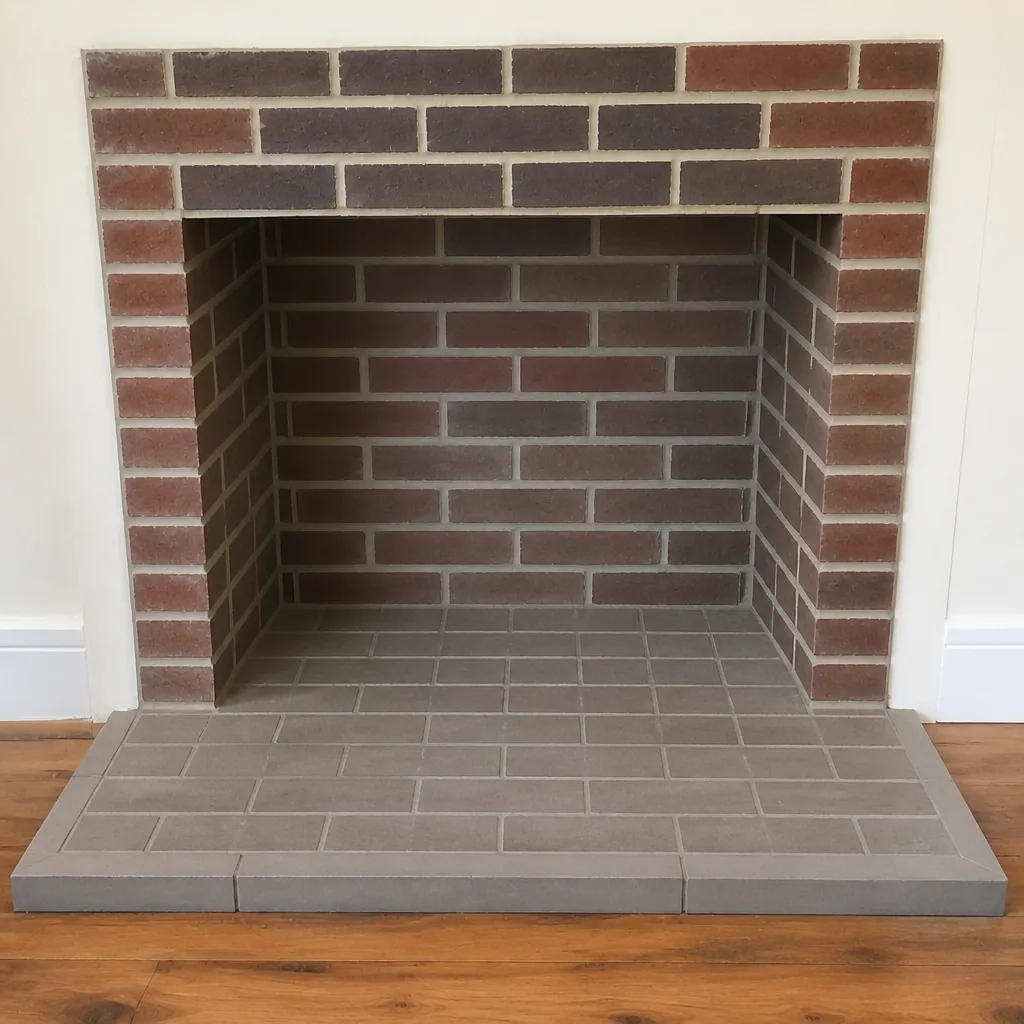
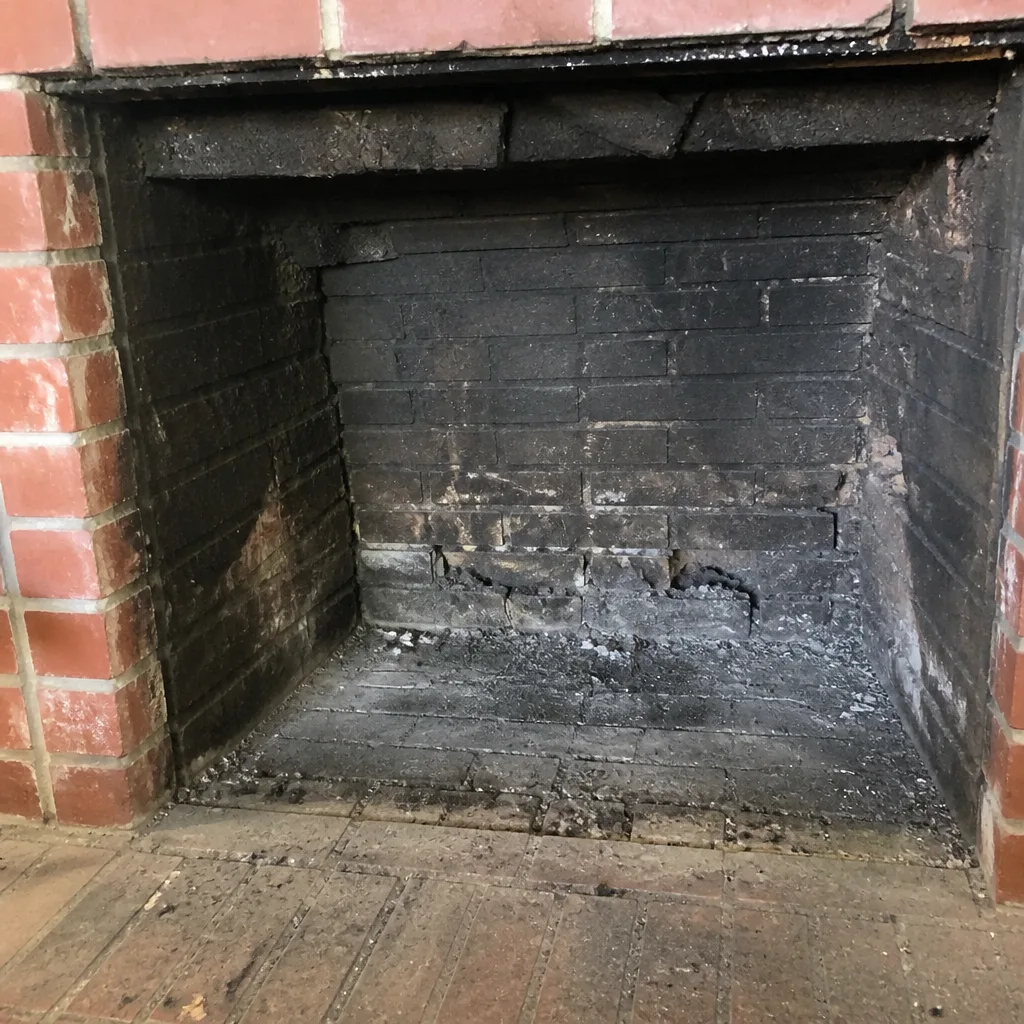
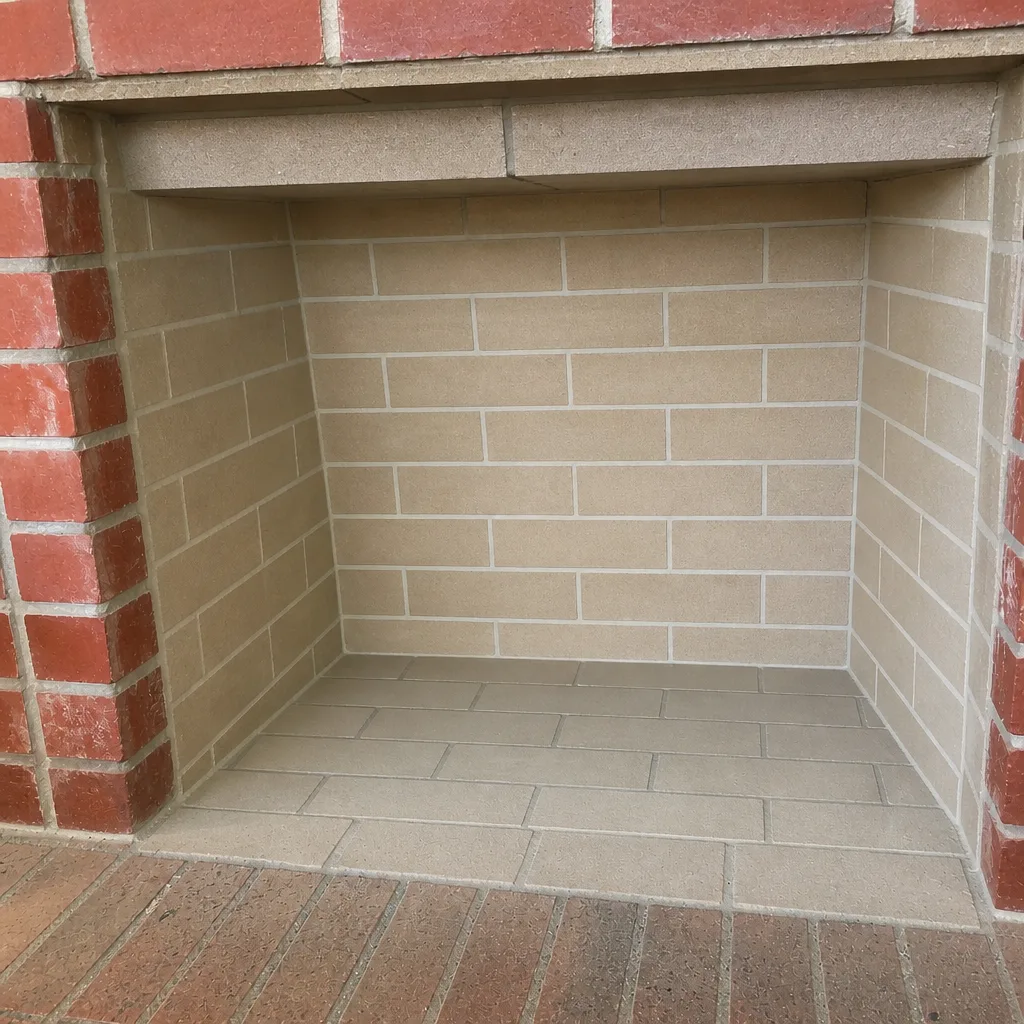
See the difference
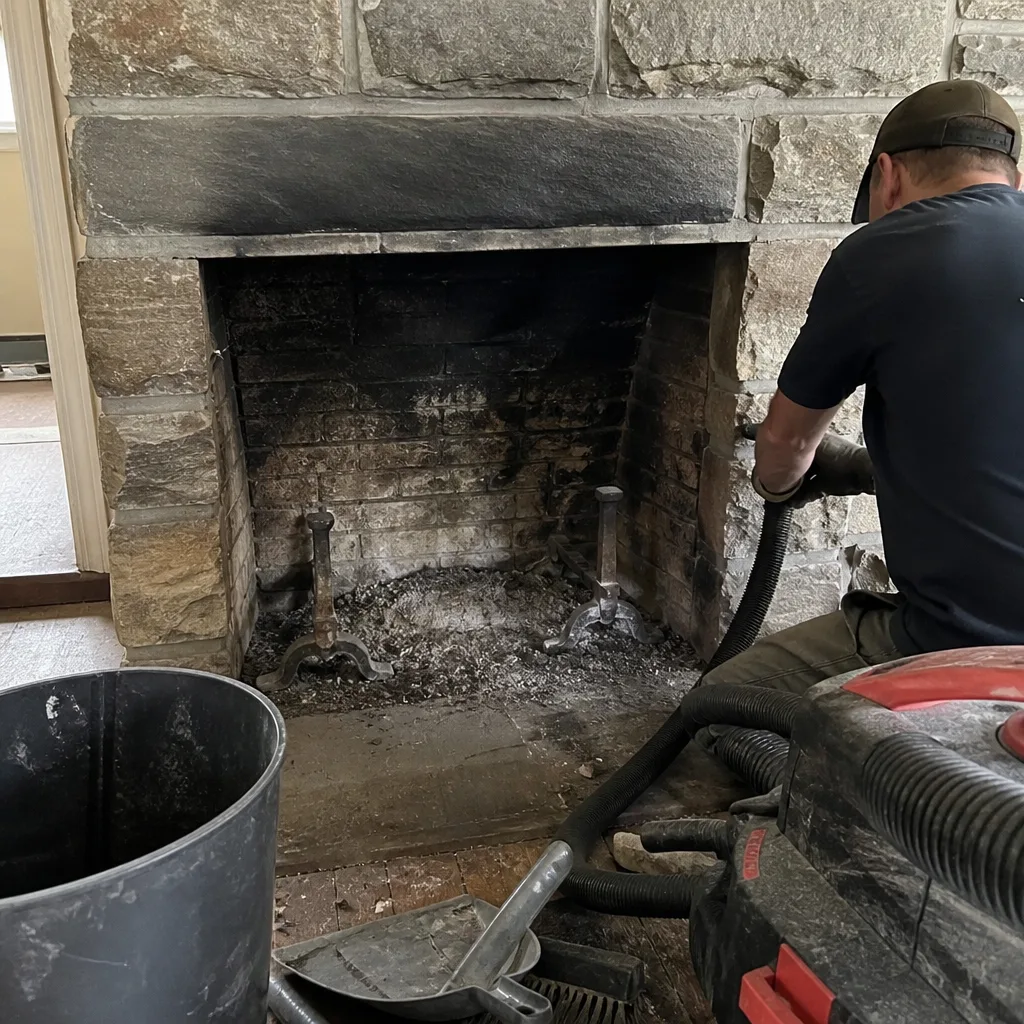 Before
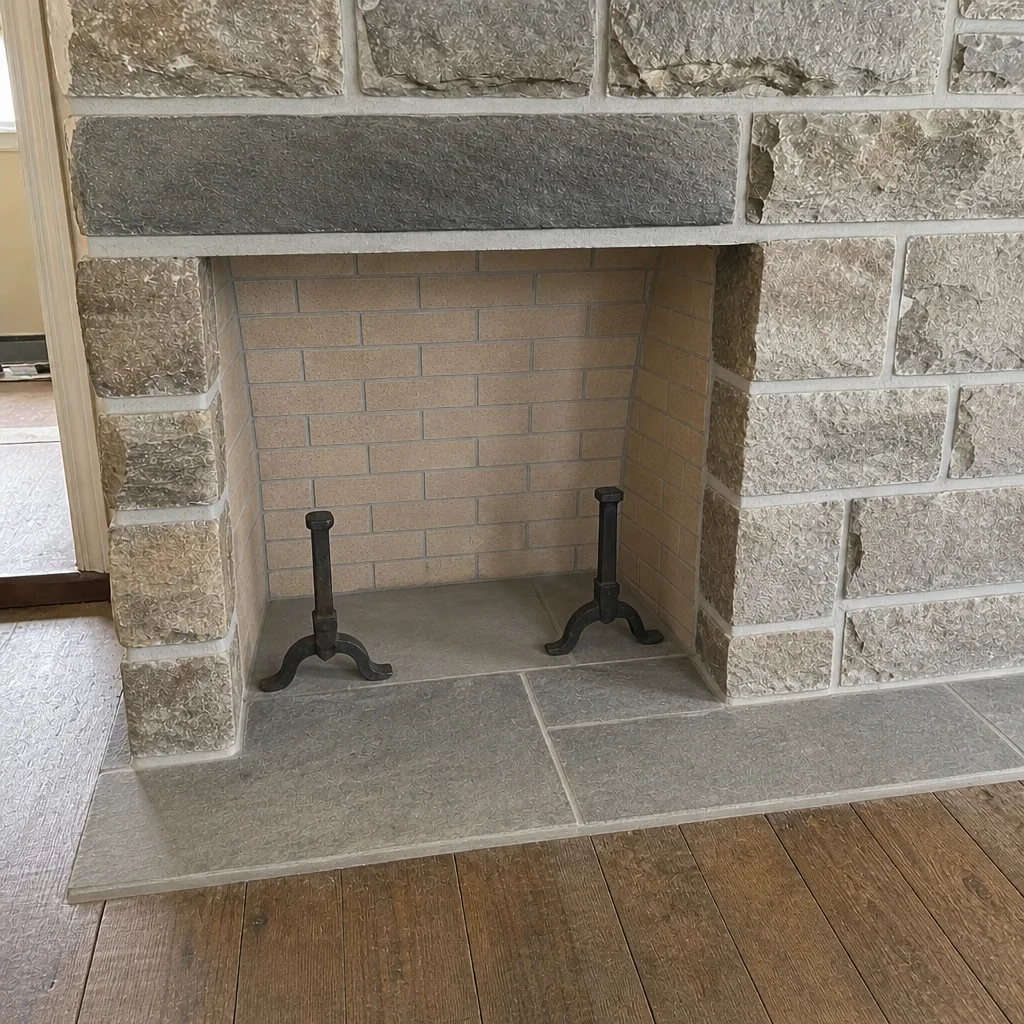 After
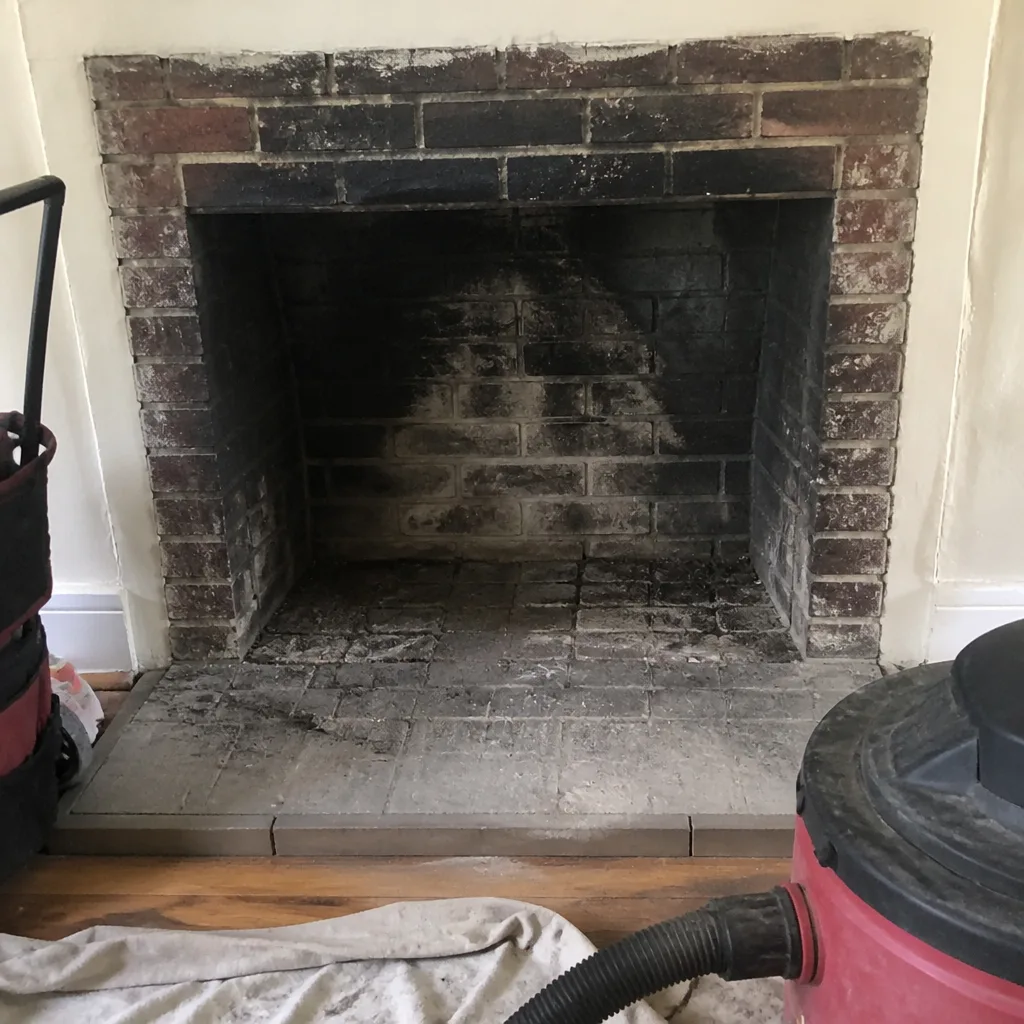 Before
 After
 Before
 After
When to Call a Professional
Some chimney conditions are not a wait-and-see situation. Call a professional if you smell a strong creosote odor in the house, if the fireplace smokes back into the room when you light a fire, if you see cracking or spalling in the firebox or the flue visible from the top, if the damper won’t open or close cleanly, or if you haven’t had the chimney inspected in over a year and you burn regularly. Also call if you’re buying a home in Pittsburgh and the seller can’t produce an inspection report. A professional can tell you what needs repair now and what can safely wait, and that’s the difference between a plan and a guess.
Pittsburgh Chimney Cleaning offers free estimates in Pittsburgh. Call (844) 761-5636. We answer 24/7. Fast dispatch from 7am to 7pm, Sunday through Friday.
Frequently Asked Questions
Chimney sweeping in Pittsburgh is priced per job by a written estimate, and the estimate sets the final price. It varies with the flue configuration, accessibility, and level of creosote, which is why a phone quote is always approximate. Call (844) 761-5636 for an exact quote – estimates are free.
Not always. A damaged flue can often be restored with HeatShield ceramic resurfacing rather than fully relined. The only way to know is a camera inspection with photos you can review, and an honest assessment of whether restoration is viable for your specific flue. Call (844) 761-5636 to schedule an inspection.
A chimney should be swept when there’s a 1/8-inch deposit of creosote or soot in the flue, per NFPA 211, not on a fixed calendar. In Pittsburgh, many homes that burn regularly need a sweep at least once a year, and heavier burners may need it more often. Call (844) 761-5636 to book a sweep and inspection.
Creosote builds up in the flue, and at higher concentrations it becomes combustible. A chimney fire or a blocked flue can follow, and a blocked flue can push carbon monoxide back into the living space. Those are real risks, but they’re manageable if you stay on schedule. Call (844) 761-5636 for a sweep and inspection before the heating season.
CSIA certification confirms a technician has passed a written exam and keeps up with industry standards and continuing education. It’s a strong baseline, but it doesn’t tell you whether the company can repair what the technician finds. Ask about scope of service in addition to credentials. Call (844) 761-5636 to discuss scope and schedule an inspection.
Ask for permit examples and check Allegheny County’s online permit records for chimney-related repairs. Cross-check with the Better Business Bureau and any trade complaints. Then match what you find against the written scope they give you. Call (844) 761-5636 if you’d like to see how we document our work.
The Bottom Line
Hiring a chimney contractor in Pittsburgh comes down to scope of service, not just credentials. A certified sweep who can’t repair what they find is only half the service you need. Look for a contractor who sweeps, inspects, and repairs under one roof, who works with professional-grade materials like DuraFlex and HeatShield, who provides a written scope with photos before any repair, and who can tell you honestly what needs fixing now and what can safely wait. Verify permits through Allegheny County, read the scope carefully, and don’t let a low sweep price pull you into an upsell you can’t evaluate. Pittsburgh Chimney Cleaning provides all three services – sweep, inspection, and repair – so you have one contractor from diagnosis through resolution. Call (844) 761-5636 for a free estimate. We answer 24/7. Fast dispatch from 7am to 7pm, Sunday through Friday.
Written by the team at Pittsburgh Chimney Cleaning.